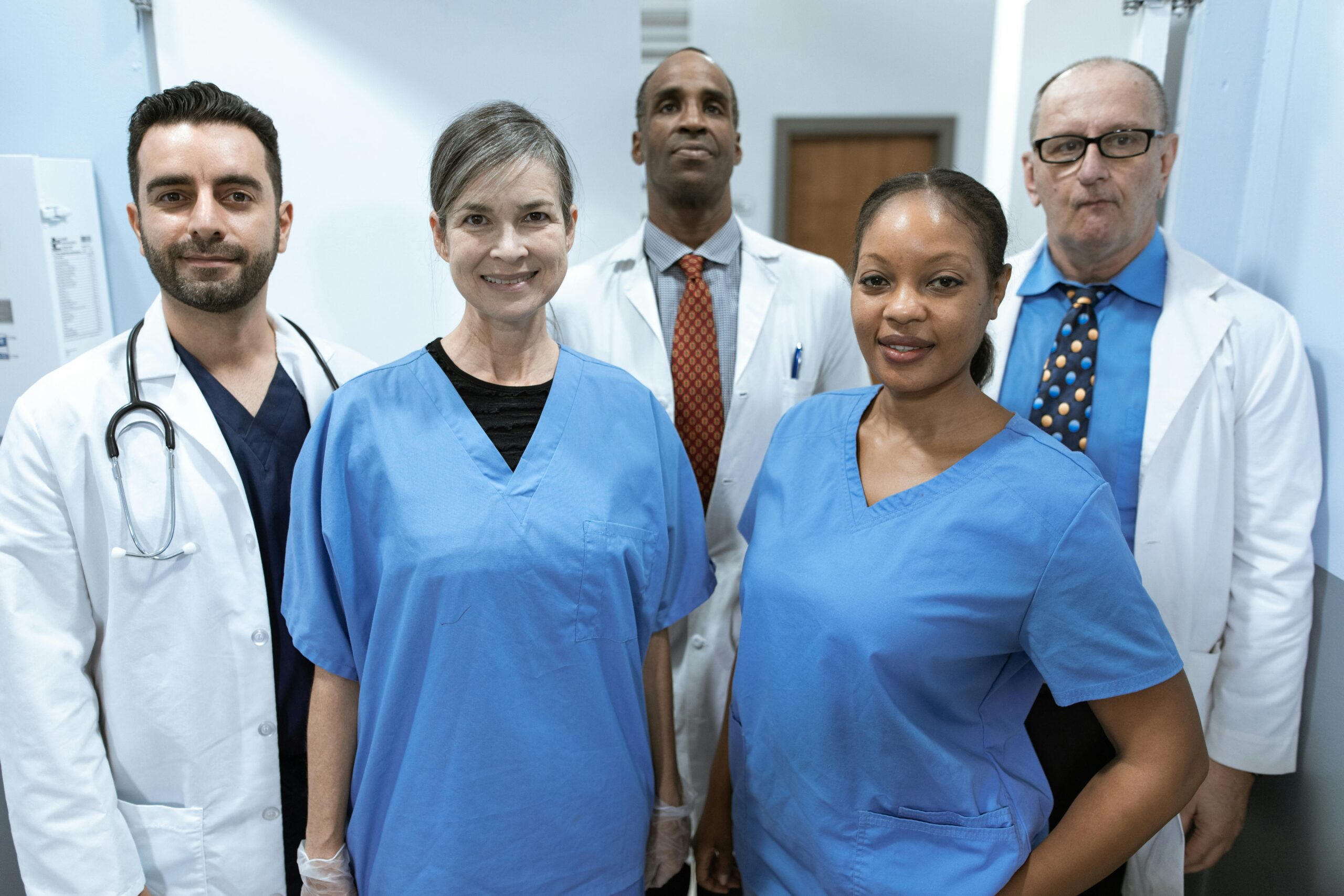
Healthcare outcomes are built on the expertise of practitioners. While machines and medications play supportive roles, people drive recovery. Skilled practitioners blend scientific knowledge with human connection seamlessly. Their actions guide patients through physical and emotional challenges. Without them, recovery is not only slower but less holistic. They make the healing process personal, intentional, and effective.
The COVID-19 pandemic reinforced their vital role across the world. As hospitals overflowed, healthcare workers provided stability amid chaos. Machines ventilated patients, but it was human care that sustained hope. Recovery is rarely straightforward and requires adaptability and empathy. Professionals who master these traits make all the difference. Their presence is not optional—it is essential.
Beyond emergencies, skilled professionals quietly shape patient recovery. Physical therapists guide rehabilitation with tailored plans. Surgeons monitor post-operative care to prevent complications. Their expertise ensures recovery is safe and effective.
In this blog, we explore their influence on recovery, why their role is indispensable, and how society can better support them.
Empathy and Advanced Expertise: Keys to Better Outcomes
Empathy in healthcare is not an afterthought—it’s foundational. Patients recover faster when they feel understood and valued. Skilled practitioners leverage empathy alongside technical expertise, creating trust. This trust encourages patients to follow treatment plans willingly. Without this emotional connection, even excellent care may fall short. Recovery is both a science and an art.
Advanced education equips medical professionals with tools to enhance their impact. For example, online MSN nursing programs allow nurses to specialize while balancing work and study. These programs train practitioners to integrate empathy and precision into care. Imagine an MSN-trained nurse managing recovery protocols for surgical patients. Their ability to lead care teams and address individual needs ensures optimal outcomes. This advanced preparation transforms recovery from routine to exceptional.
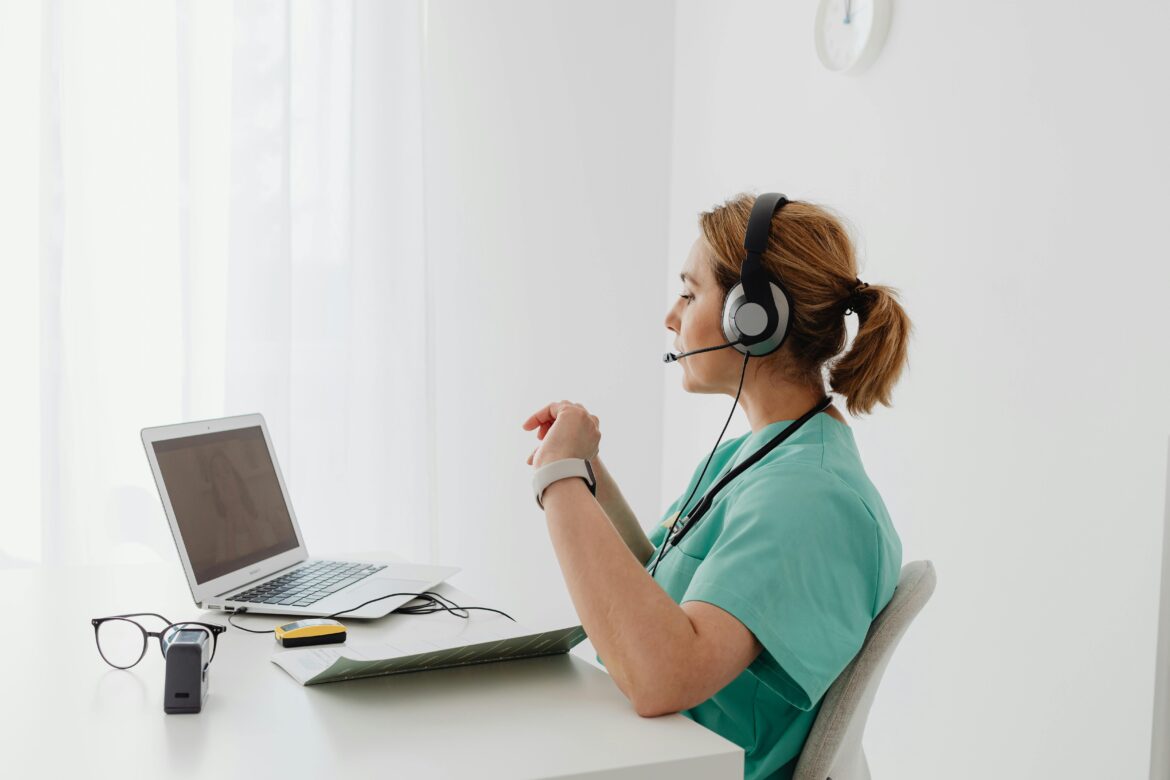
Empathy also plays a critical role in telehealth, where physical proximity is absent. MSN graduates often excel in remote care settings, using technology to foster connection. For instance, a nurse trained in an MSN program might guide patients with chronic conditions via telehealth. They ensure patients feel supported while addressing clinical needs. These skills are crucial as healthcare increasingly shifts to digital platforms.
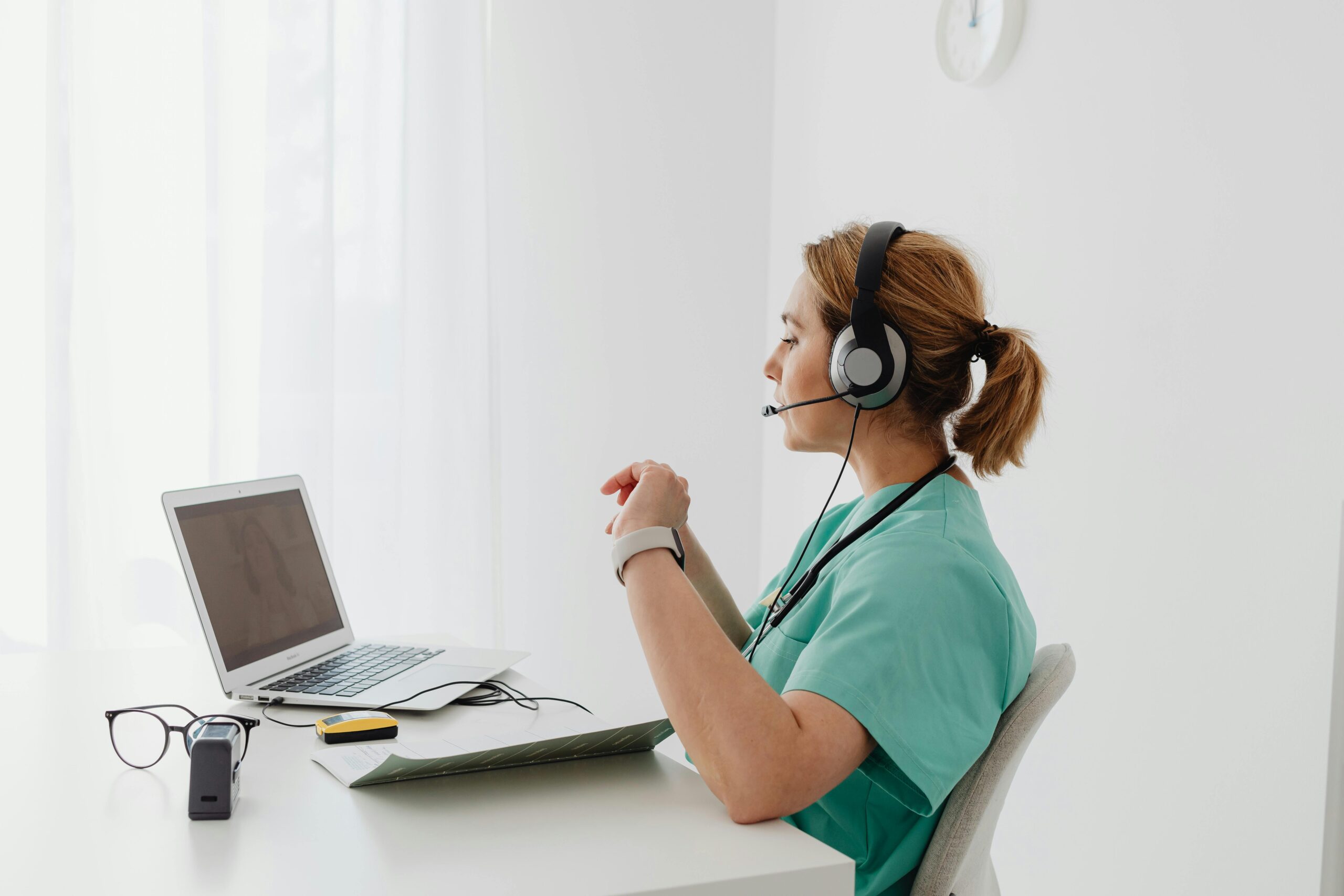
Education empowers professionals to navigate modern healthcare’s complexities. In the medical field, more so. It equips them to deliver care that is not only effective but also compassionate. Those who pursue advanced training amplify their ability to heal holistically. Programs like these ensure they remain resilient and adaptable as challenges evolve.
Practical Examples of Excellence
The real-world impact of skilled practitioners is undeniable. Their adaptability and expertise turn obstacles into opportunities for recovery. From critical care settings to rehabilitation clinics, they consistently make a difference. These examples highlight their vital contributions to patient outcomes.
Physical therapists play an essential role in restoring mobility. After a traumatic injury, they design personalized recovery plans. A skilled therapist might adjust exercises weekly to prevent overexertion. They motivate patients to push limits safely, ensuring steady progress. Without this attention to detail, many recoveries would plateau.
Another critical example lies in the post-operative care provided by surgeons. Their role doesn’t end in the operating room; it extends into recovery rooms. Skilled surgeons monitor patients for complications and adjust treatments accordingly. By fostering clear communication, they reduce anxiety and empower patients. This partnership improves healing and long-term success rates.
Skilled practitioners also shine in disaster scenarios. During Hurricane Ian, healthcare teams evacuated patients from at-risk facilities. Practitioners managed complex logistics while continuing life-saving treatments. Their ability to remain calm under pressure saved lives and stabilized communities. These moments highlight the irreplaceable value of their expertise and quick thinking.
In rural areas, healthcare shortages persist. Skilled professionals step in to help. For example, a physician assistant managing a clinic. They address chronic illnesses like diabetes effectively. Tailored plans and follow-ups reduce hospitalizations. This improves both health and community resilience.
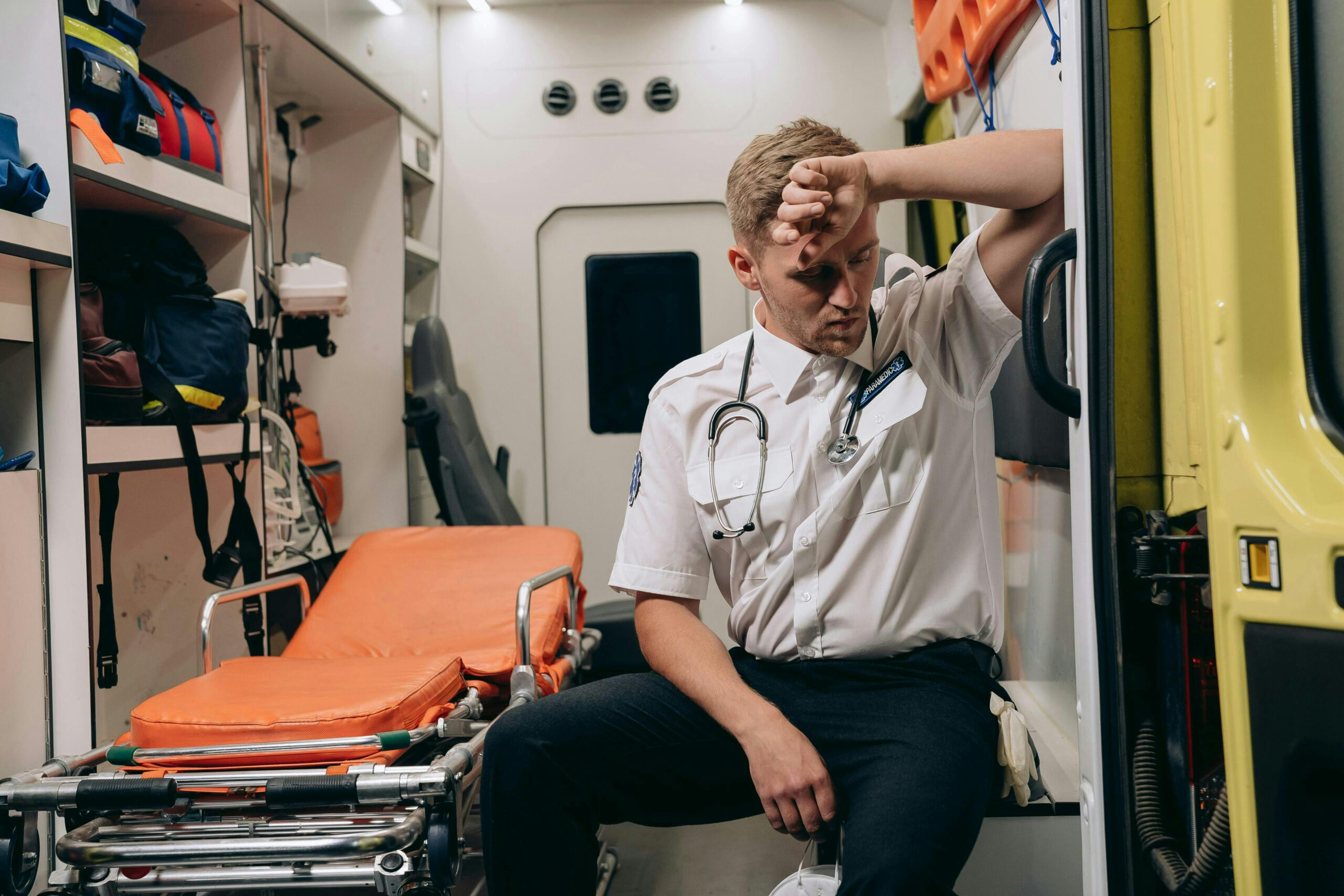
These examples demonstrate the multifaceted impact of skilled practitioners. Their dedication ensures that patients receive the care they need, regardless of circumstances. Whether guiding physical recovery or adapting to emergencies, their contributions are profound.
A Broader Look
The role of skilled practitioners extends beyond individual recoveries. Their work reflects the values society needs most—empathy, adaptability, and collaboration. Practitioners model these qualities daily, inspiring others to do the same. They remind us that progress relies on teamwork and resilience.
However, healthcare systems are facing mounting challenges, including practitioner burnout. Long hours, emotional labor, and systemic pressures take a toll. Without addressing this, the quality of care could suffer drastically. Supporting practitioners’ well-being is essential for maintaining high healthcare standards. Their ability to care for patients depends on being cared for themselves.
Education and ongoing training are used to combat such challenges. Opportunities to specialize or lead within healthcare systems can feed into and motivate growth. Practitioners armed with advanced tools and knowledge will be more resilient. Such investments allow them to respond to changing needs while providing excellent care.
Supporting practitioners has broader societal benefits too. Healthier providers create healthier communities, serving everyone better. Their adaptability ensures care systems remain robust even in times of crisis. Investing in their development is investing in a healthier future.
All in all, recovery is not just a process—it’s a partnership. Well-trained medical practitioners don’t simply deliver care; they shepherd patients through their most sensitive times. Their precision and empathy leave a lasting mark, often one that cannot be measured in data.
But what if the resources and systems surrounding medical professionals reflected their level of commitment? What if all practitioners had the tools to succeed, and all patients had access to this level of care? These aren’t just theoretical questions; they are challenges that must be addressed in the evolution of healthcare.
Behind every successful recovery is a human connection—a skilled professional who bridges the gap between fear and healing. The future of healthcare will not only be defined by technology but also by how well we support the people who make healthcare happen. What will the future of healthcare hold? If we don’t prioritize them, what kind of system are we building? And if we do, imagine the possibilities of what healthcare could truly become.
Written by elizagoodjeffrey@gmail.com