
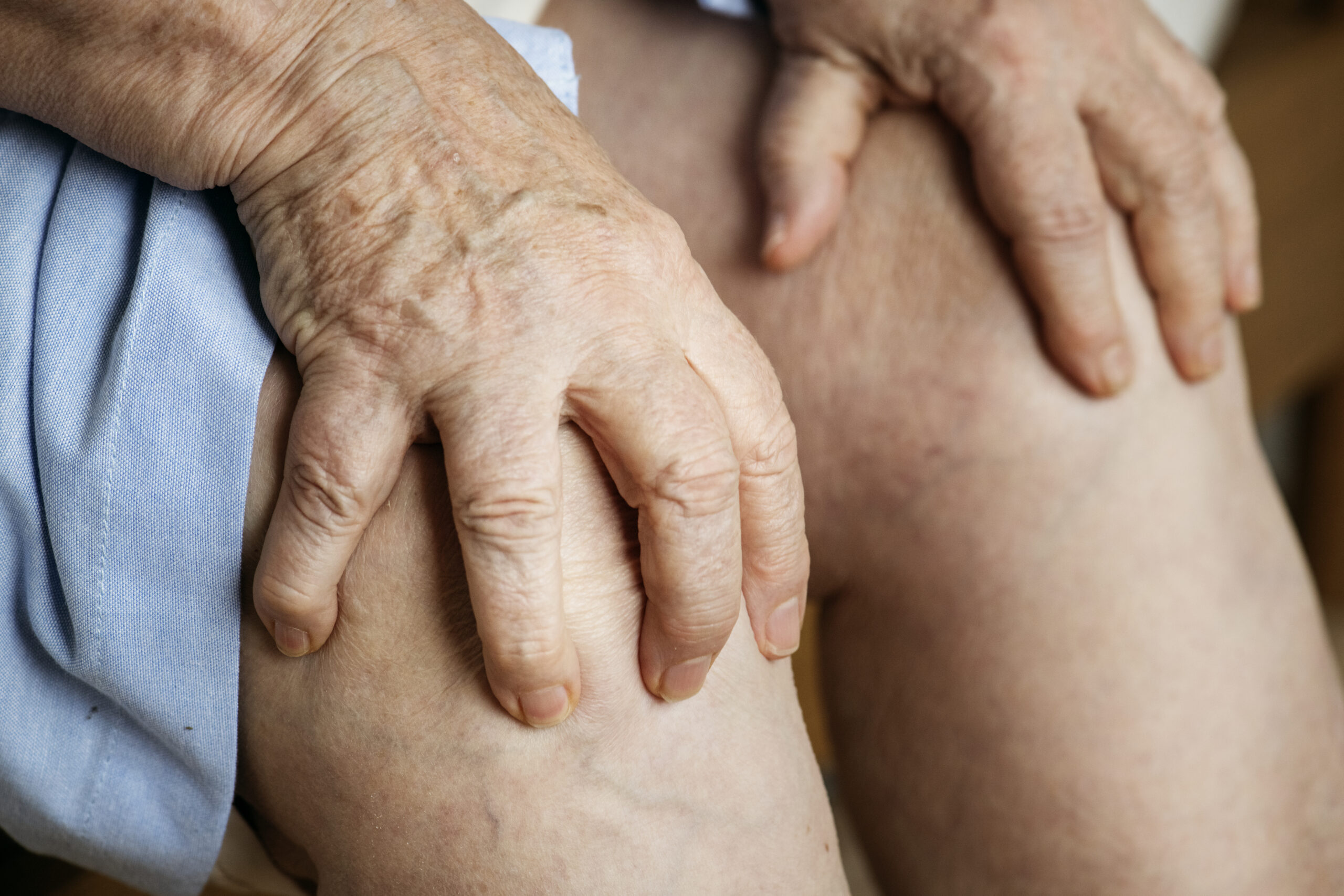
Many individuals are well accustomed to aches and pains with aging, but persistent knee pain and heavy legs due to enlarged veins can make it feel as if the body is in revolt.
Joint pain and varicose veins are often regarded as two separate issues, but many people suffer from both at once. This isn’t a coincidence. These two problems are quite common and often worsen one another while coexisting.
This is how it really is and what can be done to improve it.
What Are Varicose Veins, Really?
Those twisted, protruding veins that appear on the legs and feet are probably familiar to you. They are brought on by weak or broken vein valves. Blood pools rather than returning to your heart smoothly when those valves aren’t functioning correctly. The outcome? veins that appear swollen and ropey and may hurt, itch, or feel heavy.
Then There’s Joint Pain…
Joint pain is the result of years of wear and tear. Others attribute it to inflammation or past wounds that never fully healed.
In any case, joint pain makes day-to-day living more difficult. Walking, standing, and climbing stairs all become more challenging, particularly when combined with other leg pain.

Why Do These Two Things Often Happen Together?
Although it may not be immediately apparent, varicose veins and joint pain can exacerbate one another in the following ways:
- Leg Swelling May Put Stress on the Joints
Your legs swell as a result of blood accumulating in your veins. Your knees and ankles in particular are put under pressure by that excess fluid. That swelling may exacerbate joint pain or arthritis if you already have it.
- Stiffness Increases with Less Movement
You may be unable to move around as much if your legs hurt or feel heavy due to varicose veins. However, for joints to remain healthy, they must be regularly moved. Your joints get more painful and stiff the less you move.
- Making Up for Bad Posture
You may unknowingly start to change the way you walk if your legs hurt. Perhaps you favor one leg or lean to one side. These minor adjustments to your posture can cause alignment issues and lower back, knee, and hip pain.
Shared Risk Factors
It’s true that these two problems are related to one another. They actually have many of the same risk factors in common: our joints and veins deteriorate as we age.
Your circulatory system and joints are also affected by weight gain and long periods of standing or sitting.
What You Can Do
The bright side? Many of the same techniques are effective for varicose veins and joint pain. What actually makes a difference is as follows:
– Move More
Keep moving; you don’t have to run marathons. Try doing sports that are considered low-impact exercises. They are gentle on the joints, and they still aid in returning blood to the heart.
– Try wearing compression socks
Wearing compression socks can help you stay active by reducing swelling, increasing circulation, and reducing fatigue in your legs.
Lower Your Body Weight (If Required) Your knees will feel less strained and your veins will work better if you lose even a little weight. Eat vein-friendly food Foods such as leafy greens, nuts, olive oil, berries, and salmon are considered vein-friendly. Limit sugar and processed foods. You’ll improve your overall health and lessen inflammation. Speak with Your Doctor If things aren’t improving or are getting worse, there are treatments available. Varicose veins can be treated by a vein specialist with minimally invasive procedures, and joint pain can often be treated with physical therapy, medication, or even joint injections.

Don’t Ignore the Signs
It’s easy to associate aches and pains to “aging,” but always to your body. Varicose veins and joint pain are signals that parts of your system need support—and the sooner you take action, the better you’ll feel.
You can get back to doing the things you enjoy with lifestyle changes and right care.
Written by Charmaine Nava – charm.nava@outreachqueens.com