

Aging doesn’t mean slowing down—it just means being smarter about how we move. Across the globe, more seniors are staying active later in life, whether it’s a brisk walk every morning, chair yoga at the community center, or a weekly gym routine. But with independence comes a reasonable dose of concern from loved ones and wellness professionals alike. What if someone wanders off? What if a routine outing turns into a missed check-in?
That’s where modern GPS tracking steps in—not as a leash, but as a lifeline. And not just during emergencies, either. From workouts to errands, senior-friendly tracking tech is quickly becoming one of the quiet champions of safe and independent aging.
Let’s dig into how these small, smart devices are giving older adults more freedom—not less—and why wellness practitioners should be paying closer attention.
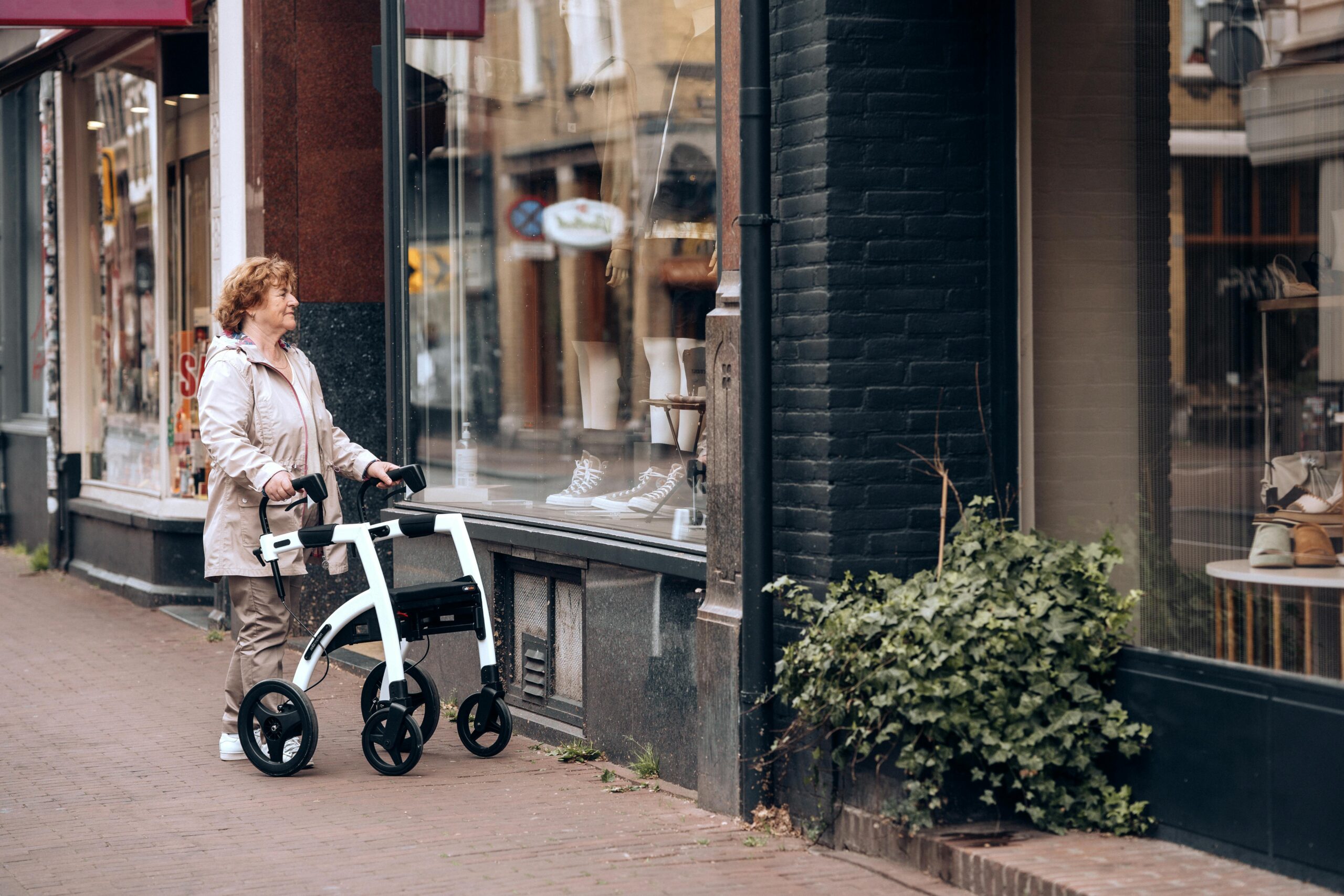
Staying Active, Staying Safe: Why Movement Matters in Older Age
Ask any gerontologist, physical therapist, or wellness coach: movement is medicine. Daily activity helps with everything from joint health to memory retention. It’s one of the most effective ways to combat age-related decline.
But staying active also comes with certain realities. Seniors—especially those living alone—face unique risks when they’re out and about. A short walk to the post office could become stressful if someone forgets their way home. A grocery run could be complicated by dizziness or fatigue. And not everyone wants to carry a phone or rely on a smartwatch with a cluttered interface.
That’s where GPS trackers designed specifically for seniors shine. They’re not just for emergency use—they’re tools that support the freedom to move without second-guessing safety.
The Myth of “Monitoring”: Why GPS Shouldn’t Feel Intrusive
Let’s address the elephant in the room: no senior wants to feel like they’re being watched.
Too often, GPS tracking gets lumped into the same category as invasive surveillance. But modern devices are discreet, respectful, and built for support—not control. Many are wearable as pendants, tucked into pockets, or even attached to keychains. They blend seamlessly into daily life and often come with opt-in settings controlled by the senior themselves.
It’s not about micromanaging someone’s every step. It’s about offering a safety net that fades into the background until it’s actually needed.
From the Gym to the Grocery Store: Real-Life Use Cases
1. Gym Visits That Don’t Require Check-In Calls
Picture a senior who takes strength-training classes three times a week. Their kids live in another city, and while they’re proud of their independence, they don’t want to be that person texting every time they leave or arrive somewhere. A GPS device bridges the gap. If something unusual happens—like them missing class or staying out longer than usual—an alert can go to a caregiver or loved one. Otherwise, there’s no need for daily “I’m okay” messages.
2. Walking Clubs and Nature Trails
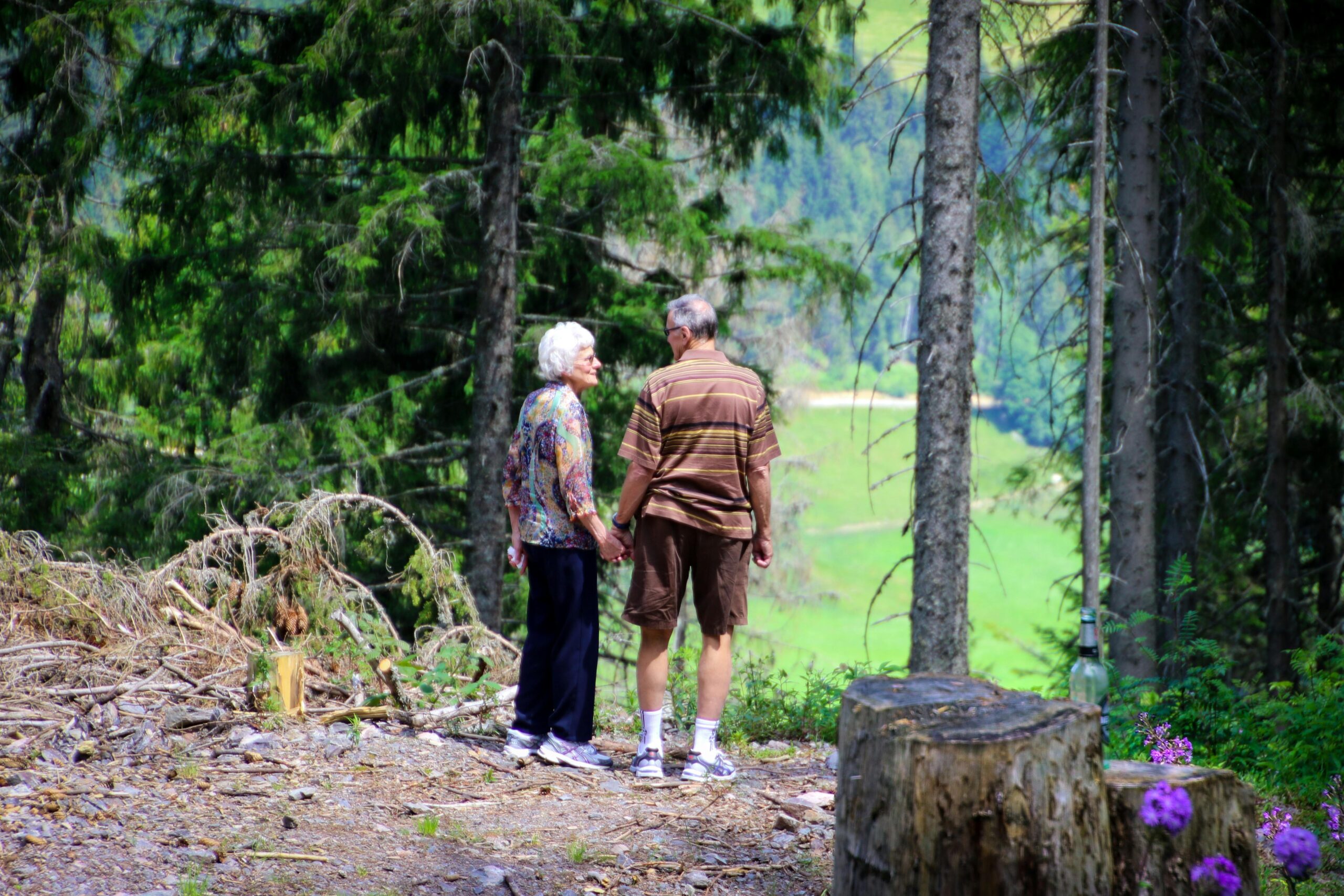
Many active seniors love walking groups or local hiking spots. But what if they stray from the path, trip on a root, or simply lose track of time? With a GPS tracker, there’s peace of mind knowing that help is just a button push—or automatic location ping—away.
3. Errands Around Town
Grocery shopping, grabbing coffee, or popping into the pharmacy—these are everyday freedoms that shouldn’t come with worry. GPS tracking helps loved ones know that the person got where they were going, and better yet, got back home safely.
Caregivers Benefit, Too
Let’s not forget the people who support seniors behind the scenes. For adult children, home health aides, and aging-in-place coordinators, GPS devices make care smarter—not harder.
Instead of relying on rigid schedules or constant phone calls, they can check in only when needed. Some trackers also include geofencing, which triggers a quick alert if someone goes beyond their typical routes—like wandering too far from a neighborhood walk. It’s not a digital babysitter; it’s a buffer between freedom and risk.
This kind of tech empowers caregivers to shift from reactive to proactive, building a better balance between safety and autonomy.
Tech That’s Actually Built for Seniors
A common complaint with most consumer tech? It’s made for young eyes and agile fingers.
Fortunately, there’s a new class of GPS trackers that cater to seniors specifically. They’re simplified, often with one-touch SOS buttons, large displays, and minimal interface clutter. Battery life is long, and devices are typically lightweight and easy to wear.
Some models include features like fall detection, two-way calling, and automatic location sharing. But the magic is in how unobtrusive they are. These aren’t flashy gadgets. They’re quiet enablers of confidence and continuity.
The Psychology of Safety: Confidence Is Everything
Here’s a point that often gets overlooked: the presence of a GPS tracker doesn’t just help loved ones feel better—it makes the wearer more confident, too.
Imagine the mental shift that happens when someone knows they’re covered if they trip, get turned around, or feel unwell while out. They’re far more likely to leave the house, keep up with their routines, and say “yes” to invitations from friends.
Confidence in safety translates directly to better health outcomes. It encourages movement, social interaction, and emotional resilience—three pillars of healthy aging that no pill can replace.
How Movement Professionals Can Use This Insight
If you work in physical therapy, personal training, senior fitness, or even chiropractic care, here’s the takeaway: GPS tech isn’t just for emergencies, and it’s not only for those with memory loss.
Encouraging the use of a tracker can be part of a holistic movement plan. It can help seniors stick to outdoor walking routines. It allows trainers and coaches to design at-home or neighborhood-based programs without worrying about supervision. And it gives families peace of mind that makes them more likely to support continued activity.
Plus, many seniors are more open to tech than you might think—as long as it’s framed correctly.
Tips for Talking to Seniors About GPS Trackers (Without Making It Weird)
Here are a few simple ways to ease the conversation:
- Frame it as support, not surveillance: Emphasize how it offers independence, not control.
- Use real-life scenarios: “If you ever feel dizzy while out walking, this button can call for help.”
- Highlight the convenience: “No need to carry your phone all the time.”
- Start with a trial: Try it during group walks, local events, or gym sessions.
- Respect their autonomy: Let them decide when and how they use the features.
Done right, it becomes just another wellness tool—like a pedometer or hydration reminder.
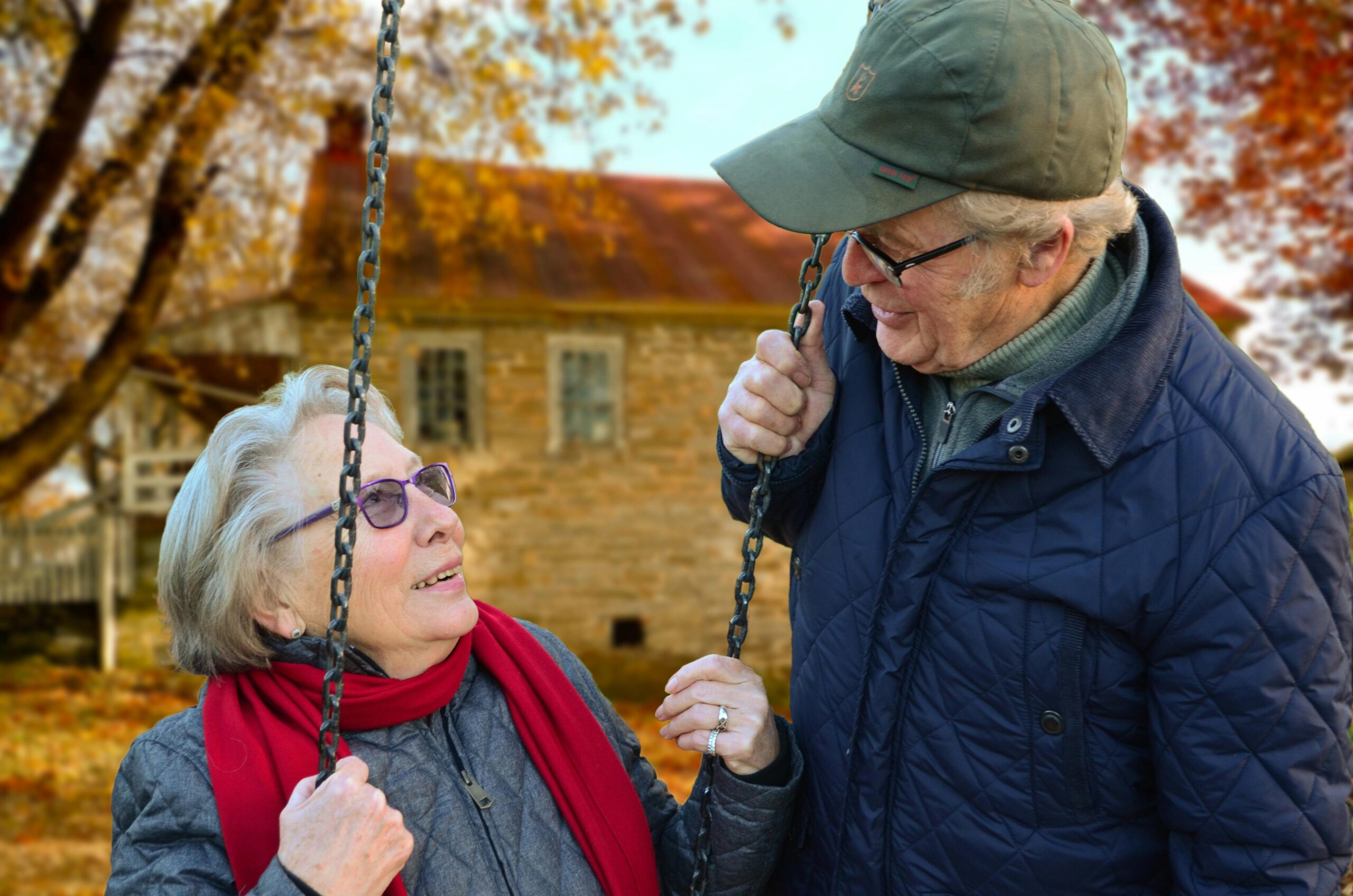
Where Wellness Meets Peace of Mind
Fitness professionals already understand how muscle mass, flexibility, and stamina are crucial in later life. But safety is part of that picture, too. Seniors don’t just need workouts—they need the confidence to keep showing up.
GPS tracking devices are one of the easiest, least intrusive ways to create that confidence. They work in the background, offering a subtle safeguard that makes everything from workouts to errands more accessible.
This isn’t about coddling or creating dependence. It’s about enhancing daily life—making sure those muscles you’ve helped build keep getting used, without fear holding anyone back.
Final Thoughts
The next time you work with a senior client—or even chat with a loved one—consider how technology might help them maintain their rhythm of life. A trip to the gym. A walk to the store. A visit with friends.
These simple acts are what independence is built on. And with the right GPS tracking support, they stay that way—safe, seamless, and stress-free.
Written by media@blogmanagement.io