
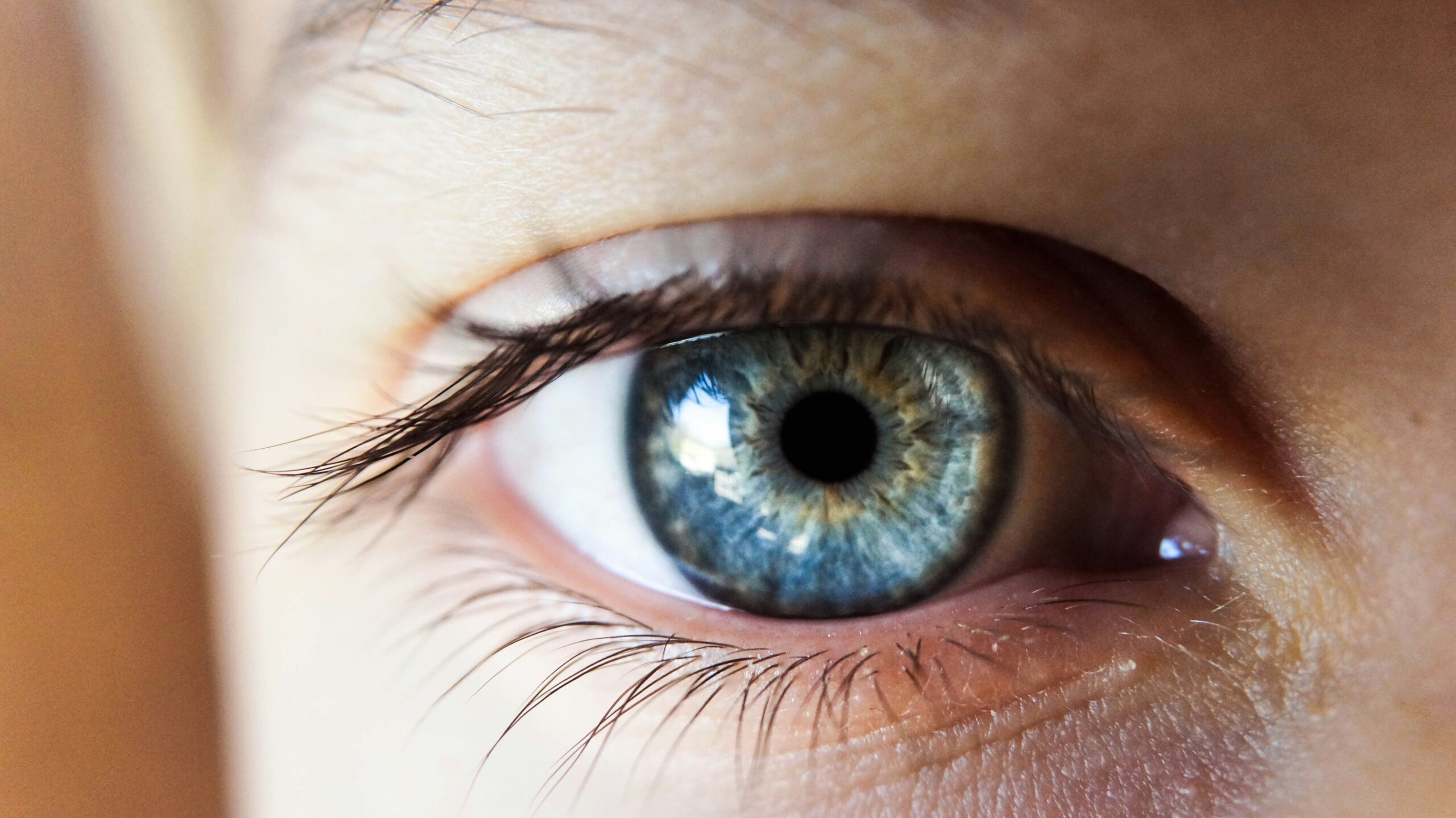
 Photo by Kalea Jerielle from Unsplash
It’s easy to think of strength training as all about the biceps, glutes, and core. Maybe even throw in mobility drills or breath-work if you’re on the mindful movement train. But eyes? They rarely cut.
That’s strange, considering how much our eyes guide the rest of us. Think about it! Every lunge, reach, or overhead press begins with your brain determining where your body is in relation to its surroundings. That sense of spatial awareness is built on vision. If your visual input is off, your movement will also be off. Period.
Total body awareness isn’t just about muscles talking to each other. It’s about the eyes sending clear, reliable messages to the brain, which in turn tells the muscles what to do. Ignore eye health, and you’re training with a blindfold on—figuratively, of course.
Eye Health and Body Awareness: A Two-Way Street
Your body continuously scans its surroundings, modifying its posture and movement in response to information from your eyes. Visual-motor integration is the technique that allows you to grab a medicine ball in midair or duck under a low-hanging branch. Sight is not merely a passive sense; it is a dynamic one. It is constantly interacting with your equilibrium system, muscles, and mind.
Now, picture attempting to make those snap decisions while dealing with hazy, strained, or irregular visual information. That is restrictive in addition to being annoying. Your timing, coordination, and even breathing pattern may be affected as your brain needs to work harder to compensate.
The sophisticated LASIK choices offered by Mann Eye Institute provide a viable solution that meets the needs of both physical performance and mental focus for individuals seeking to enhance their visual clarity as part of a comprehensive approach to overall well-being.
Because when your eyes are performing at their best, the rest of your body doesn’t have to second-guess every move.
Real Talk: How Bad Vision Trips You Up (Literally)
Ever stub your toe on a coffee table you swore wasn’t there? Or misjudge how far to step during a yoga transition? That’s your visual system throwing off your proprioception.
Some presume that clumsiness or stiffness indicates a balance problem. However, it can sometimes be just a concealed vision issue. When the eyes don’t deliver accurate information, the brain fills in the blanks, often incorrectly. The result? Missteps, poor posture, and overcompensations can lead to tension or injury.
Neck and shoulder pain are a classic example. When vision is strained, whether from squinting at screens or wearing the wrong prescription, the head subtly shifts forward. That tiny shift puts stress on the cervical spine, which then cascades down the kinetic chain.
It’s like a game of telephone gone wrong. One garbled message, and the whole system scrambles.
The Brain-Eye-Muscle Connection
There’s a reason elite athletes talk about “keeping their eyes on the ball.” Vision isn’t just about seeing; it’s about planning. Your eyes gather data, and your brain calculates the next move. That connection is lightning-fast but incredibly precise.
Consider gaze stability, for example. It refers to your capability to maintain your focus on a target while your head is in motion. It’s crucial for everything from sprinting to spinning. If your gaze wobbles, so does your balance. That’s why sports vision training is a real thing now. Coaches understand that visual accuracy has a direct impact on physical performance.
Saccades, the tiniest eye movements, are extremely important. Your brain can track moving things or examine a room with the help of these quick shifts in focus. When these movements are off, your body often reacts with hesitation or jerky motions.
Bottom line: vision guides action. And the more finely tuned your visual system, the sharper and more efficient your movements will be. For people whose blurry or strained sight keeps holding that system back, correcting it at the source with lasik eye surgery in Eugene, Oregon can deliver the clean visual input the brain leans on to plan every move.
How to Train Your Eyes Like You Train Your Body
Here’s the good news: you don’t need fancy goggles or a sports lab to improve visual function. Eye exercises can be performed anywhere, and similar to stretching, doing them a bit each day can make a significant difference.
Try this: extend your thumb in front of you and alternate your focus between your thumb and an object in the distance. That’s focus shifting, and it helps recalibrate your depth perception.
Or play with peripheral vision by sitting still and noticing objects out of the corner of your eyes. The more you stimulate these awareness zones, the better your brain becomes at processing them.
Then there’s tracking. Follow a pen with your eyes from left to right, up and down, without moving your head.
You wouldn’t skip leg day. Don’t skip eye day, either.
 Photo by Amanda Dalbjörn from Unsplash
Eyes Forward: Supporting Long-Term Vision for a Better Body Connection
Good vision isn’t something to take for granted, especially in a world built around screens. The average adult spends nearly seven hours a day staring into blue light. That’s a workout your eyes didn’t sign up for.
Protecting your vision means thinking long-term. Sleep quality, nutrition (hello, leafy greens and omega-3s), and strategic screen breaks all play a part. And when natural wear and tear begins to affect visual clarity, there’s no shame in exploring options like LASIK.
Remember: correcting your vision isn’t just about seeing better. It’s about unlocking better posture, smoother movement, and a more confident connection to your environment.
Vision is a player in your wellness journey.
So next time you’re training your body, don’t forget to check in with your eyes. Clear vision clears the path. And when your eyes lead with confidence, your body follows in sync.
Written by amy@amybartlett.com