All images are copyright-free and created by Muqaddas Mehak using Ideogram AI
Living with breathing problems means constantly worrying about your next breath and whether you’ll have what you need when symptoms flare up. Many people feel overwhelmed by all the different devices and medications available for respiratory care.
The confusion about which tools actually help can leave you unprepared when you need them most. But having the right respiratory tools and knowing how to use them properly can transform your daily life. And, give you confidence to handle breathing challenges effectively.
Know the Basics: What Helps Your Breathing Most

Managing respiratory health starts with understanding which tools serve different purposes. Some devices deliver medication directly to your lungs. Others help you monitor how well your lungs are working. Still others clean the air around you or make breathing easier.
The most important tools usually include an inhaler for medication delivery, a peak flow meter for monitoring, and some form of air quality improvement device. Having rescue medications readily available matters more than having every gadget on the market.
Your specific needs depend on your condition. Asthma management looks different from COPD care, which looks different from managing other respiratory conditions. What works well for one person might not be the best choice for another.
Use a Good Inhaler When You Need It
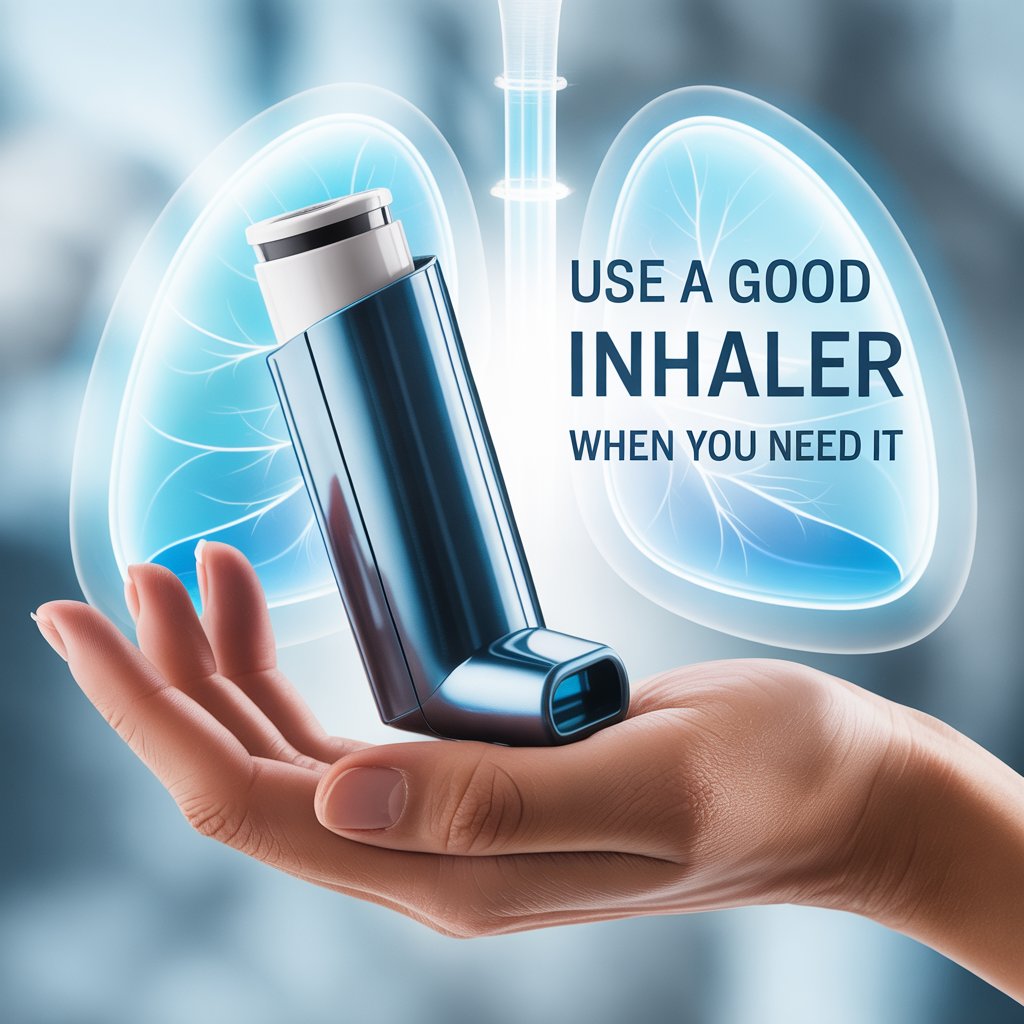
Inhalers are probably the most critical tool for most people with respiratory conditions. They deliver medication directly to your lungs where it’s needed most. This targeted delivery means faster relief and fewer side effects compared to oral medications.
Metered-dose inhalers (MDIs) are the most common type. They require good coordination between pressing the canister and breathing in. Dry powder inhalers (DPIs) are breath-activated, which some people find easier to use correctly.
Key Inhaler Tips:
- Check expiration dates regularly
- Keep track of doses remaining
- Clean your inhaler according to instructions
- Always have a backup inhaler available
The technique matters as much as having the right medication. Poor inhaler technique means less medication reaches your lungs, reducing effectiveness.
Keep a Peak Flow Meter Handy to Track Your Lungs
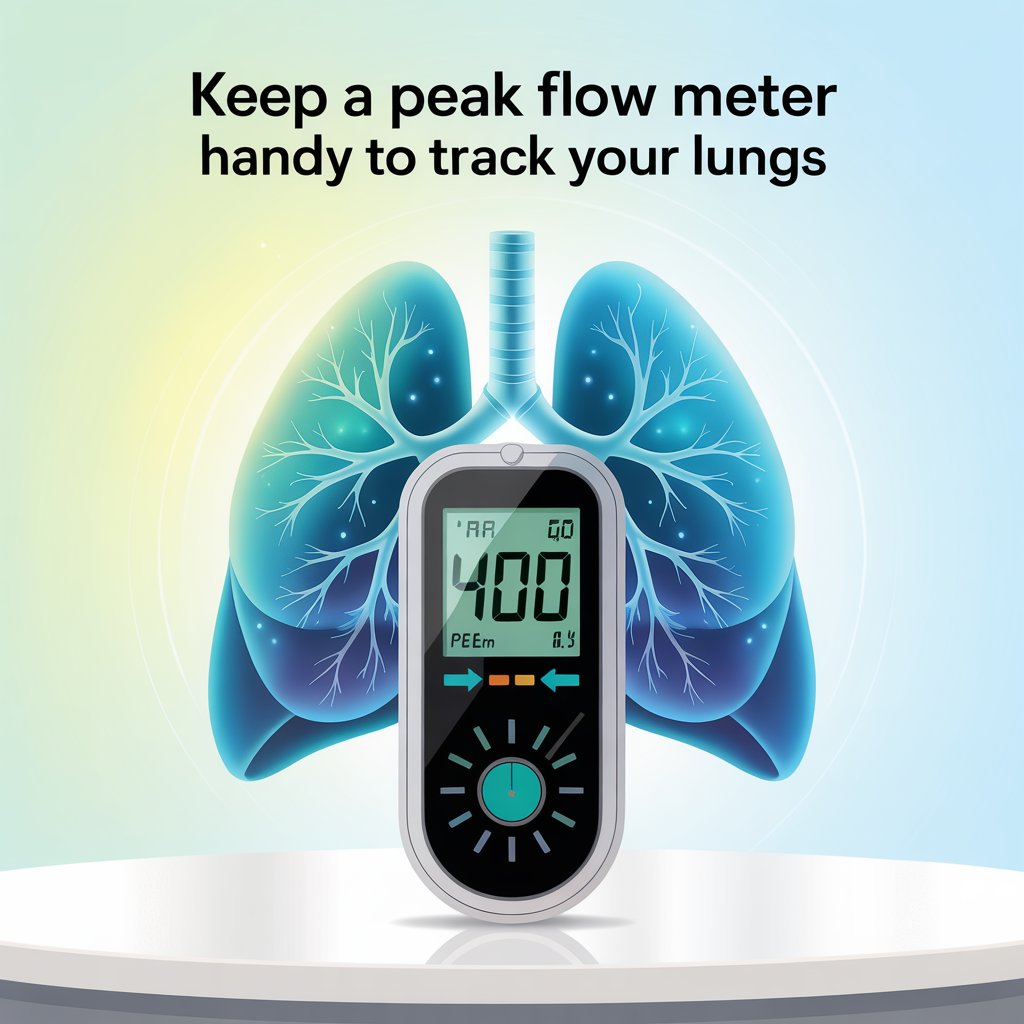
Peak flow meters measure how fast you can blow air out of your lungs. This simple test gives you objective information about how your lungs are functioning on any given day.
Regular peak flow monitoring helps you recognize patterns in your breathing. You might notice that your numbers drop before you actually feel symptoms. This early warning system lets you take action sooner, potentially preventing a full flare-up.
Most people establish their personal best peak flow reading when they’re feeling well. Then they can compare daily readings to this baseline. Significant drops from your personal best often indicate brewing problems.
Try Humidifiers and Air Purifiers for Cleaner Air
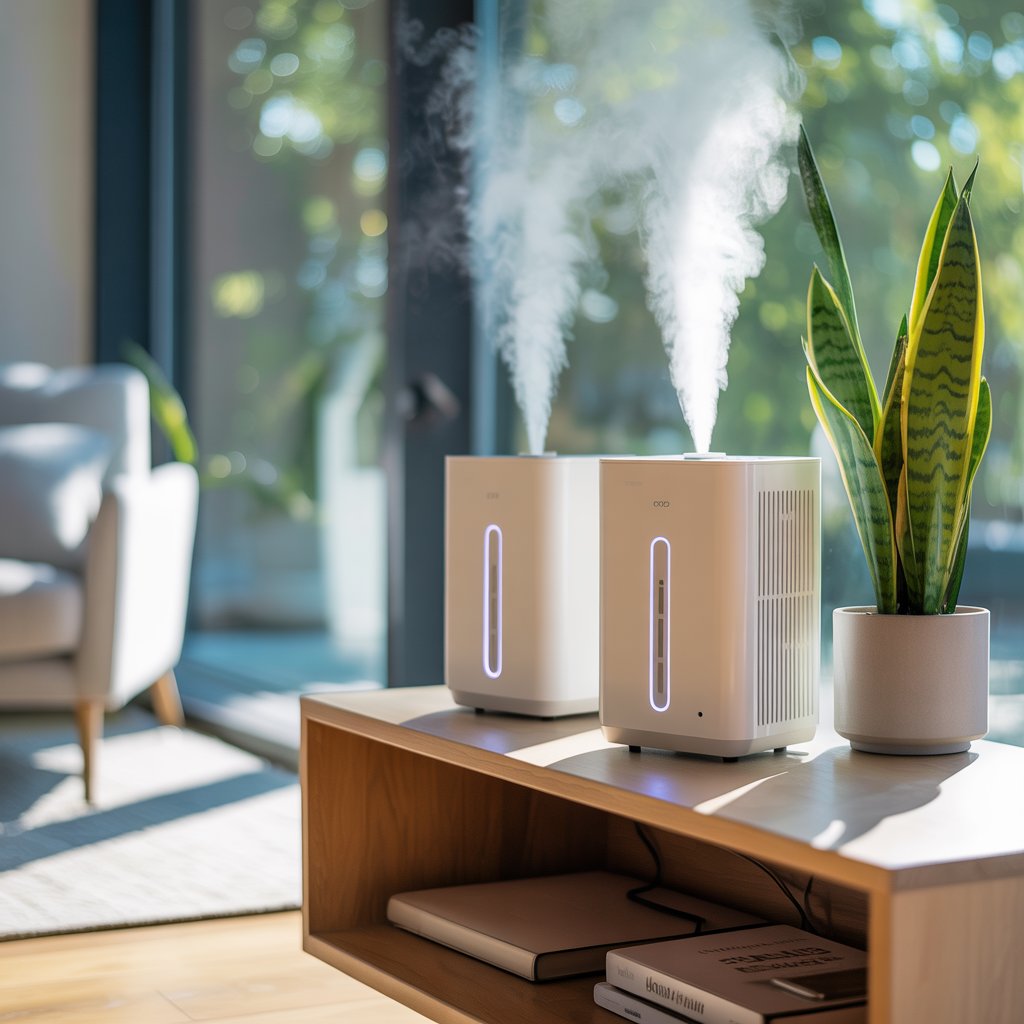
The air quality in your home directly affects your respiratory health. Dry air can irritate airways and make breathing more difficult. Poor air quality from dust, pollen, or other particles can trigger symptoms.
Humidifiers add moisture to dry air, which can help reduce airway irritation. This is especially helpful during winter months when heating systems dry out indoor air. However, too much humidity can promote mold growth, so maintaining proper levels is important.
Air purifiers remove particles from the air that might trigger respiratory symptoms. HEPA filters capture very small particles including dust mites, pollen, and pet dander. Some purifiers also include activated carbon filters for odors and chemicals.
Don’t Forget About Spacers and Nebulizers
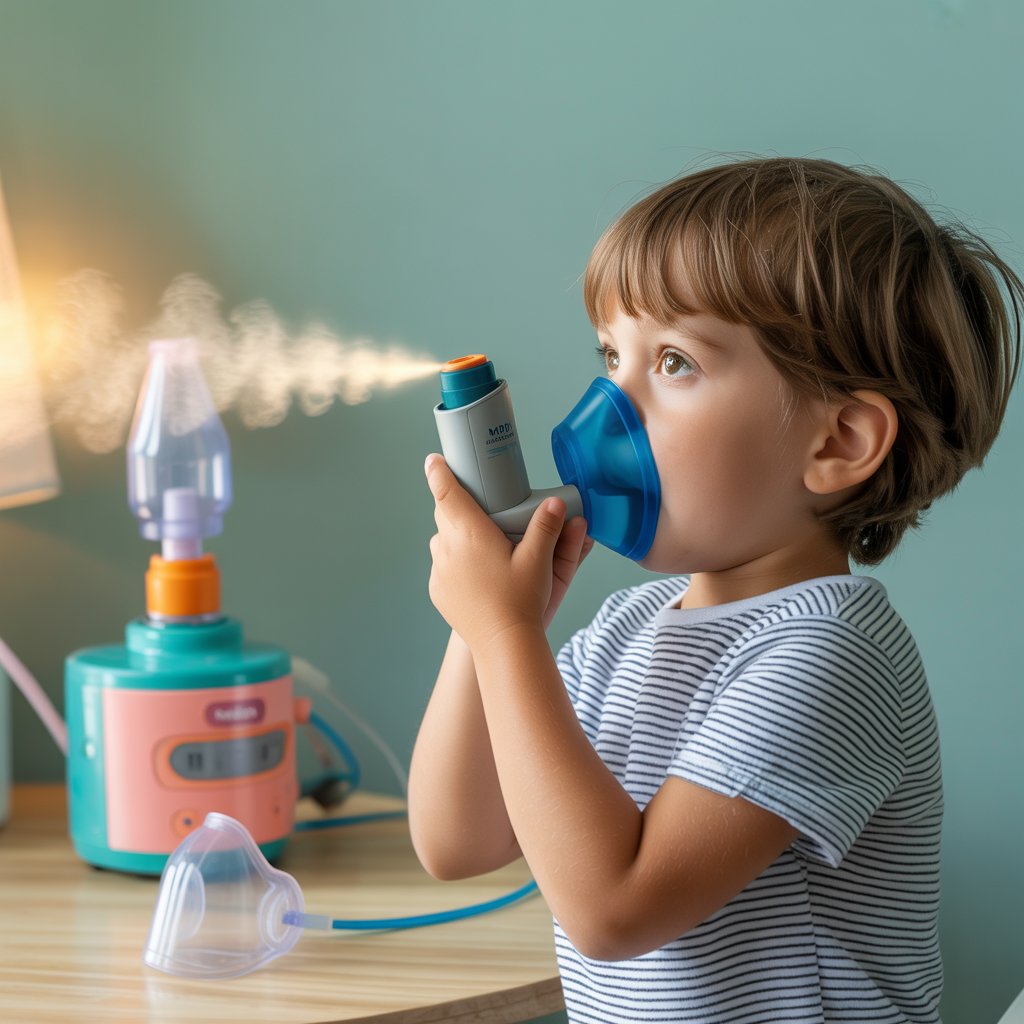
Spacers attach to MDI inhalers and make them more effective. They hold the medication in a chamber, giving you more time to breathe it in properly. This is especially helpful for children or anyone who has trouble coordinating the press-and-breathe technique.
Nebulizers turn liquid medication into a fine mist that you breathe through a mask or mouthpiece. They take longer than inhalers but deliver medication over several minutes, which some people find more effective.
For individuals with more complex respiratory needs, specialized equipment like tracheostomy equipment may be necessary to maintain proper airway management and breathing support.
Stay on Top of Your Medications and Refills

Running out of respiratory medications can be dangerous. Unlike other medications where missing a few doses might not cause immediate problems, respiratory medications often prevent life-threatening situations.
Set up automatic refills when possible. Most pharmacies offer this service, and it removes the burden of remembering to reorder. Keep a calendar noting when you should receive refills so you can follow up if something goes wrong.
Consider getting 90-day supplies when your insurance allows it. This reduces the frequency of refill management and ensures you have backup medication on hand.
Learn How to Use All Your Tools the Right Way
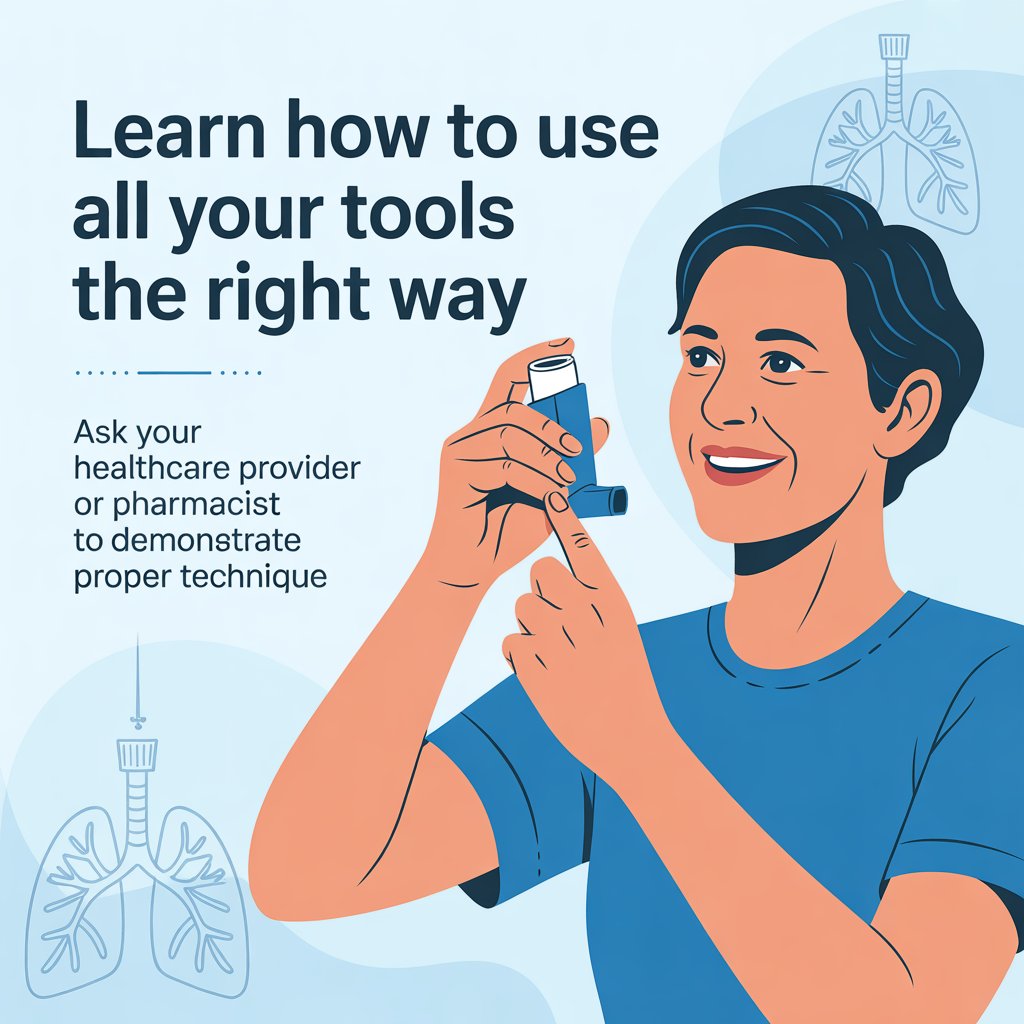
Having the right tools doesn’t help if you’re not using them correctly. Poor technique is incredibly common with respiratory devices, and it significantly reduces their effectiveness.
Ask your healthcare provider or pharmacist to demonstrate proper technique for each device you use. Many people think they’re using their inhaler correctly but actually aren’t getting optimal medication delivery.
Practice your technique regularly, not just when you’re having symptoms. When you’re short of breath or panicked, it’s harder to remember the correct steps.
Keep an Emergency Plan and Supplies Ready
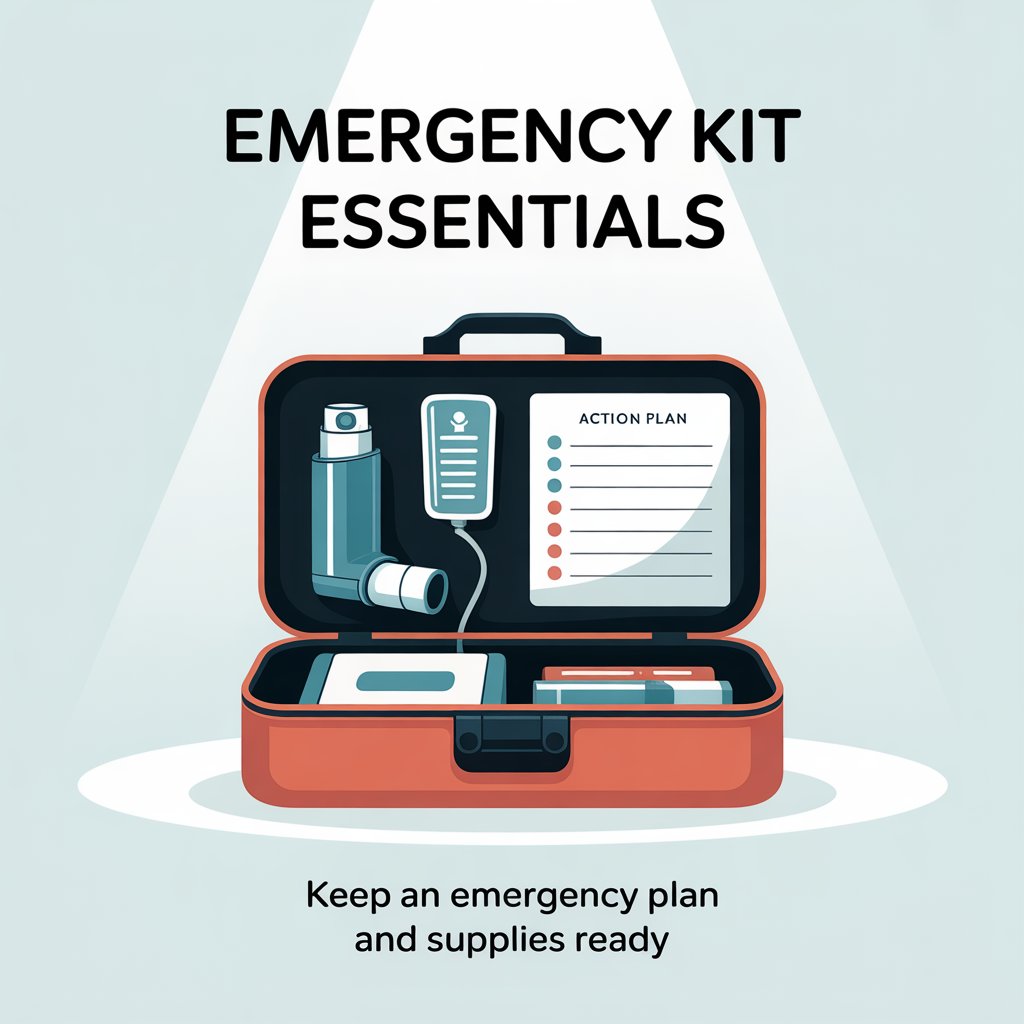
Respiratory emergencies can escalate quickly, so having a plan and supplies ready is crucial. Your emergency kit should include rescue medications, contact information for your healthcare providers, and a written action plan.
Emergency Kit Essentials:
- Rescue inhaler with spacer
- Emergency contact numbers
- Current medication list
- Written action plan from your doctor
- Backup medications if possible
Store emergency supplies in multiple locations – your home, car, and workplace if appropriate. Make sure family members or close friends know where to find your emergency supplies and how to help you use them.
Talk to Your Doctor About What Works Best for You

Your respiratory management plan should be personalized to your specific condition, lifestyle, and preferences. What works well for others might not be the best approach for your situation.
Regular check-ins with your healthcare provider help ensure your current tools and medications are still working effectively. Your needs might change over time, requiring adjustments to your management plan.
Don’t hesitate to ask questions about new devices or techniques. Understanding why certain tools are recommended helps you use them more effectively and gives you confidence in your treatment plan.
Author Bio
This article was written for Learn muscle by Holly Clark, who has been working in the care industry for 5+ years as a project coordinator. She regularly blogs about both the personal and practical challenges of caring and is always actively working on producing informative content.