

Ask anyone about muscle recovery and you’ll probably hear the usual checklist: stretch, drink water, eat protein, sleep well. All solid advice. But here’s the thing—your body doesn’t just run on those basics. It runs on hormones too. They’re in the background, calling the shots on how fast you bounce back, how much soreness hangs around, and whether you’ve got the energy to show up for the next session.
That’s why tools like online hormone therapy are starting to matter. They give people the option to keep tabs on what’s happening inside without trekking to a clinic. For athletes, gym lovers, or even folks rehabbing an injury, this can be a serious advantage. Balanced hormones aren’t magic, but they can make recovery feel a whole lot smoother.
Hormones: More Than Just “Mood Stuff”
Most of us grew up thinking hormones only dealt with moods or, let’s be honest, puberty drama. Not true. They’re chemical messengers, and they pretty much boss around every system you’ve got. Sleep, energy, inflammation, appetite—all influenced by hormones.
Now picture this: you smash through a tough workout, and instead of feeling like a champ the next day, you’re hobbling around for a week. Soreness sticks, your energy tanks, and sleep? Forget it. That’s what happens when hormones are out of sync. When they’re balanced, though, recovery feels like it’s working with you, not against you.
Why Hormones and Recovery Are So Connected
Think of recovery like a team sport. You’ve got sleep, nutrition, and movement all playing their roles. But hormones? They’re the coaches keeping everyone on track.
- Testosterone helps rebuild muscle fibers.
- Estrogen keeps joints supported and prevents too much wear and tear.
- Growth hormone works the night shift, repairing tissues while you sleep.
- Cortisol? A little is fine, but too much and your body drags its heels.
When these levels stay balanced, it’s like the whole squad is in sync. You heal faster, inflammation chills out, and that post-workout fog doesn’t hang around. For men looking to support their testosterone naturally, Mars Men Testosterone offers a targeted formula designed to keep those muscle-rebuilding hormones in their optimal range.
Where Healing Hands Come In
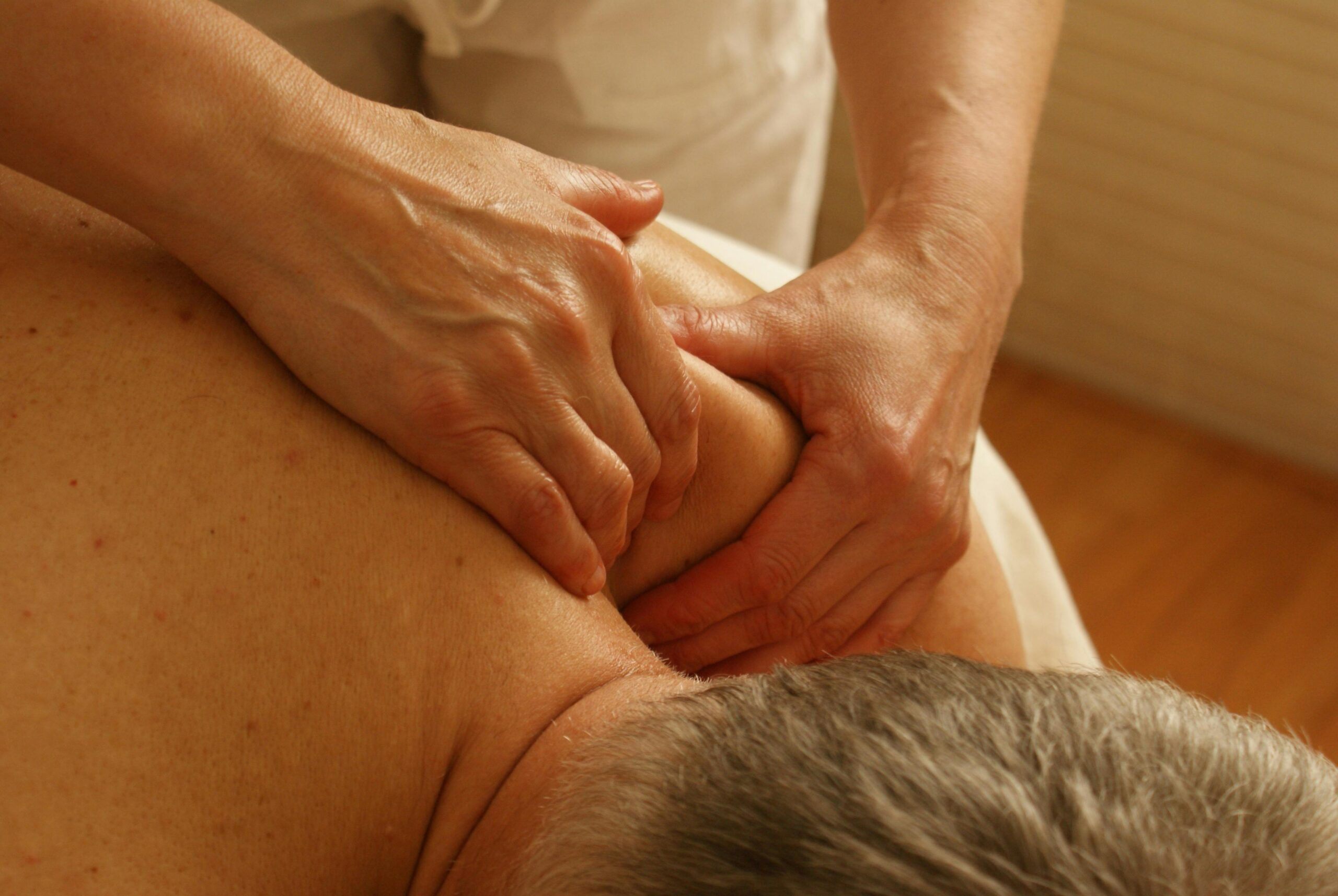
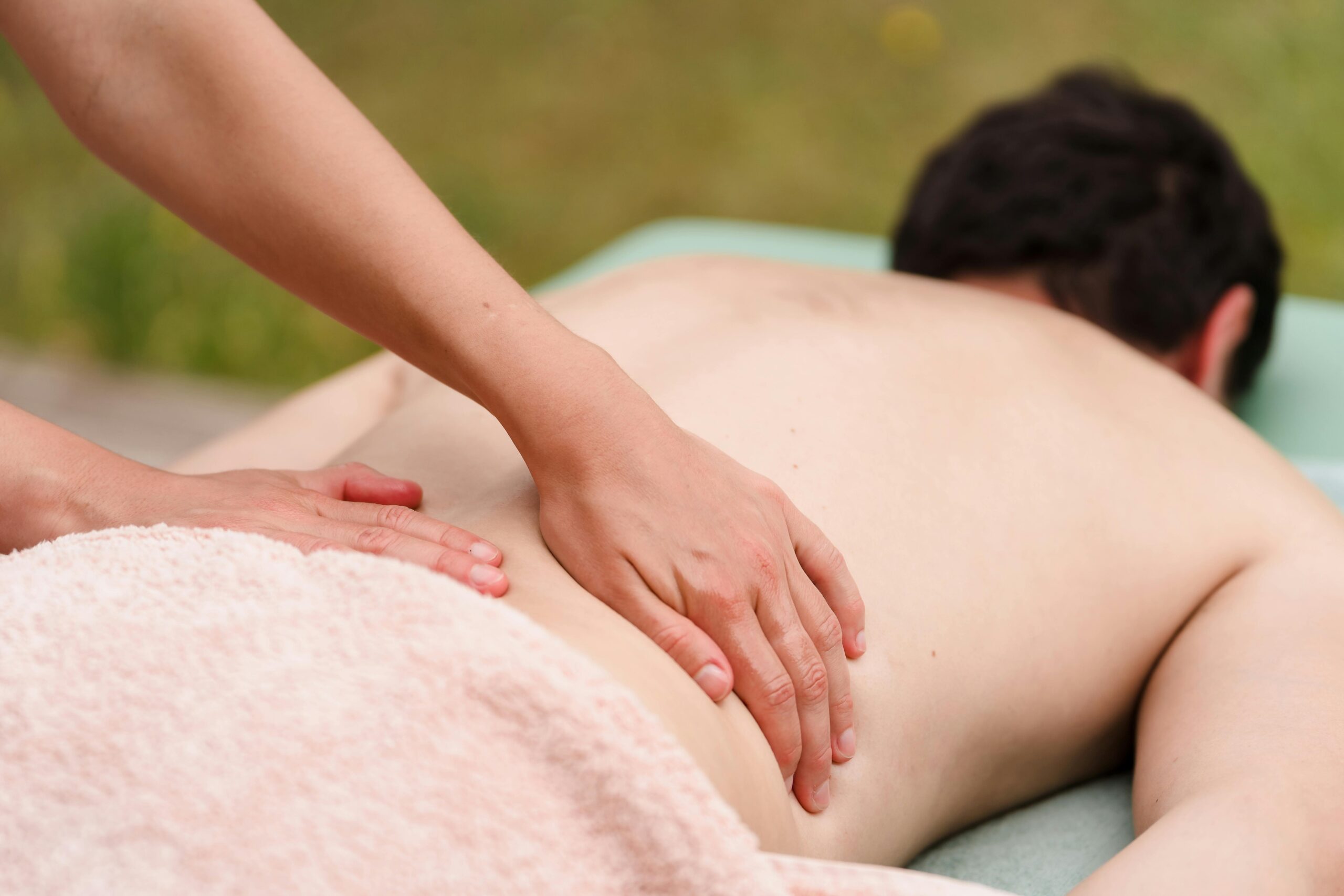
Massage therapists, physios, even good trainers—they already know the body responds to touch. Circulation improves, muscles loosen, tension melts away. But here’s the kicker: when hormones are steady, all that work lands better.
Ever had a massage and still felt like your body just wouldn’t recover? That might’ve been the hormonal side dragging things down. On the flip side, when testosterone, estrogen, and growth hormone are doing their jobs, that same massage feels twice as effective. It’s teamwork.
Signs Your Hormones Might Be Messing With Recovery
Not everything comes down to hormones, of course. But if you notice these again and again, it’s worth a second look:
- You stay sore way longer than you used to
- Sleep feels broken, even when you’re wiped
- Your energy tanks halfway through the day
- Joints ache more often, or small injuries drag on
- Building muscle feels like pushing a boulder uphill
One or two? Could be stress or a bad week. But if this list feels too familiar, hormones may be involved.
Small Shifts That Support Hormone Balance
You don’t need a total life overhaul to help your hormones. A few small things can actually move the needle:
- Get good sleep: Growth hormone gets busy while you’re out cold.
- Eat real meals: Not just protein—healthy fats and carbs keep hormones happy.
- Stay active: Consistency beats intensity when it comes to hormone health.
- Cut stress: Easier said than done, but high cortisol is the enemy of recovery.
Nothing flashy here, but honestly, these are the habits most of us need anyway.
When It’s Time for Professional Help
Sometimes you can do all the right things—sleep, eat, move—and still feel stuck. That’s when checking your hormone levels can be a game changer. The good news? It’s easier now than it’s ever been to get that info and make adjustments with a pro’s help.
For athletes or even weekend warriors, this can be the missing piece. It’s not about shortcuts or quick fixes. It’s about giving your body the environment it needs to actually heal properly.
The Balance of Science and Care
Recovery works best when you mix both worlds. Hormones provide the behind-the-scenes stability, while physical therapy, massage, or just a good stretch session bring the real-time relief.
Think of it like tuning an instrument. Balanced hormones are the strings pulled to the right tension. Healing hands are the strumming that makes the music come alive. Get both right, and recovery feels less like a struggle and more like a rhythm.
Final Thoughts
If you’ve been frustrated by slow recovery or soreness that won’t quit, it’s worth asking a different question: what’s happening with my hormones? Stretching and hydration are great, but they only go so far if the internal signals aren’t lined up.
The truth is, when hormones are balanced, your body feels less like it’s fighting you and more like it’s on your team. Add in the skilled work of therapists or trainers, and you’ve got a recipe for recovery that actually sticks. Stronger, faster, and ready for whatever’s next.
Written by reyesarjaypaul@gmail.com

