
Recovery doesn’t get half the attention training does, yet it decides whether training pays off. Lifting, sprinting, or cycling tears muscle fibers down. The rebuild comes later. Stronger fibers, better performance. That only happens if the repair phase gets what it needs.
Too often recovery is treated like an afterthought.
“Rest up.”
“Drink a shake.”
End of story. But it’s not that simple. Recovery is a process spread across systems: blood flow, inflammation, the nervous system, and nutrition. Ignore one, and the whole thing drags. Support each, and the body bounces back faster, with fewer setbacks.
Inside the Repair Process
Exercise leaves microtears in muscle fibers. The immune system reacts, sending cells to clear debris and signaling molecules to rally reinforcements. Satellite cells—which are basically muscle’s resident builders wake up, fuse to fibers, and patch the weak spots. Over time, those patches add up to stronger tissue.
The side effects are familiar: soreness, stiffness, and that drained feeling after a hard session. None of this means something went wrong. It means the repair crew is working. Recovery methods don’t erase the process, they make it smoother.
Heat, Cold, and the Middle Ground
Cold therapy still has its place. Ice baths, cryo chambers, or a bag of ice all do the same thing. They reduce swelling, slow nerve signals, and blunt pain. It’s most useful right after intense or damaging effort, or when injury is in the picture. But lean on it too much, and you risk muting the very inflammation that drives adaptation.
Heat goes the opposite way. It relaxes, expands blood vessels, and boosts circulation. Stiff after a week of heavy squats? A sauna or hot bath may loosen the joints enough to move freely again. Heat therapy can be a useful addition to a recovery routine, particularly when the goal is to promote relaxation and support comfortable movement after strenuous exercise. Infrared saunas offer another way to incorporate heat therapy into a regular recovery regimen without relying on a traditional sauna or hot bath. High Tech Health infrared sauna systems provide a home-based option for those looking to make infrared sauna sessions part of their overall approach to muscle recovery.
In one experiment, applying heat to the knee increased the flexibility of ligaments and reduced the force needed to move the knee by nearly 25%, compared to cold application. This supports the idea that heat helps with flexibility and movement, while cold tends to stiffen things.
Contrast therapy—alternating hot and cold—sits in the middle. Vessels constrict and dilate in quick succession, almost like pumping fluid through a system. Evidence is mixed, but plenty of athletes swear they feel fresher afterward. Sometimes perception is worth as much as physiology.
Hands-On Interventions
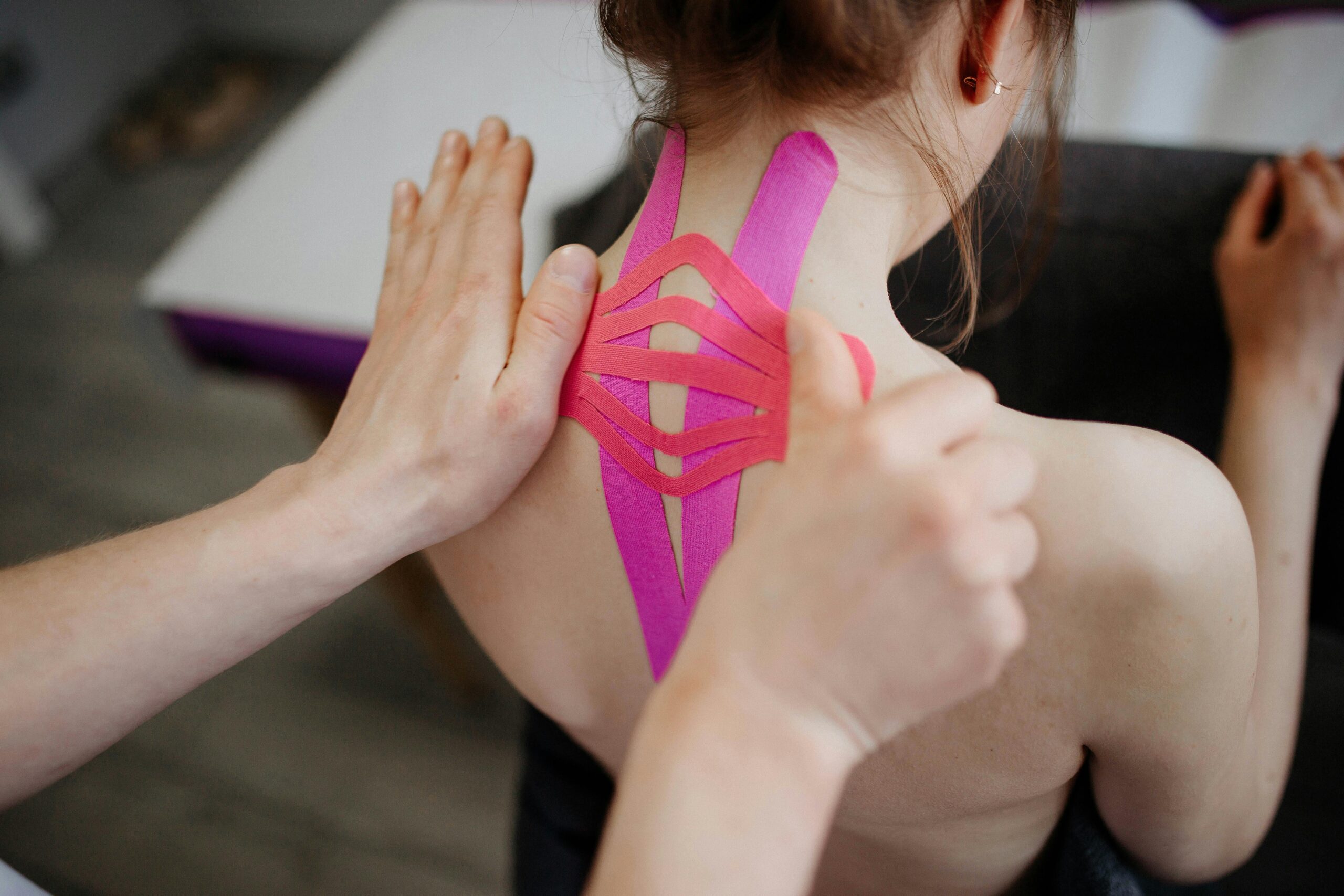
Massage is more than a luxury. It moves fluid, eases tension, and coaxes the nervous system out of its stressed, alert state into a calmer one. That shift alone can help recovery.
Foam rolling works on the same principles, only with your own bodyweight. Pressure into the fascia and muscle seems to improve the range of motion and reduce the bite of soreness.
There are also tools such as scraping instruments and percussion devices. They don’t rebuild tissue in a literal sense, but they do change how muscles feel and move. A small bump in circulation, a drop in perceived stiffness, and suddenly, you can train again without feeling locked up.
Cupping: A Different Approach
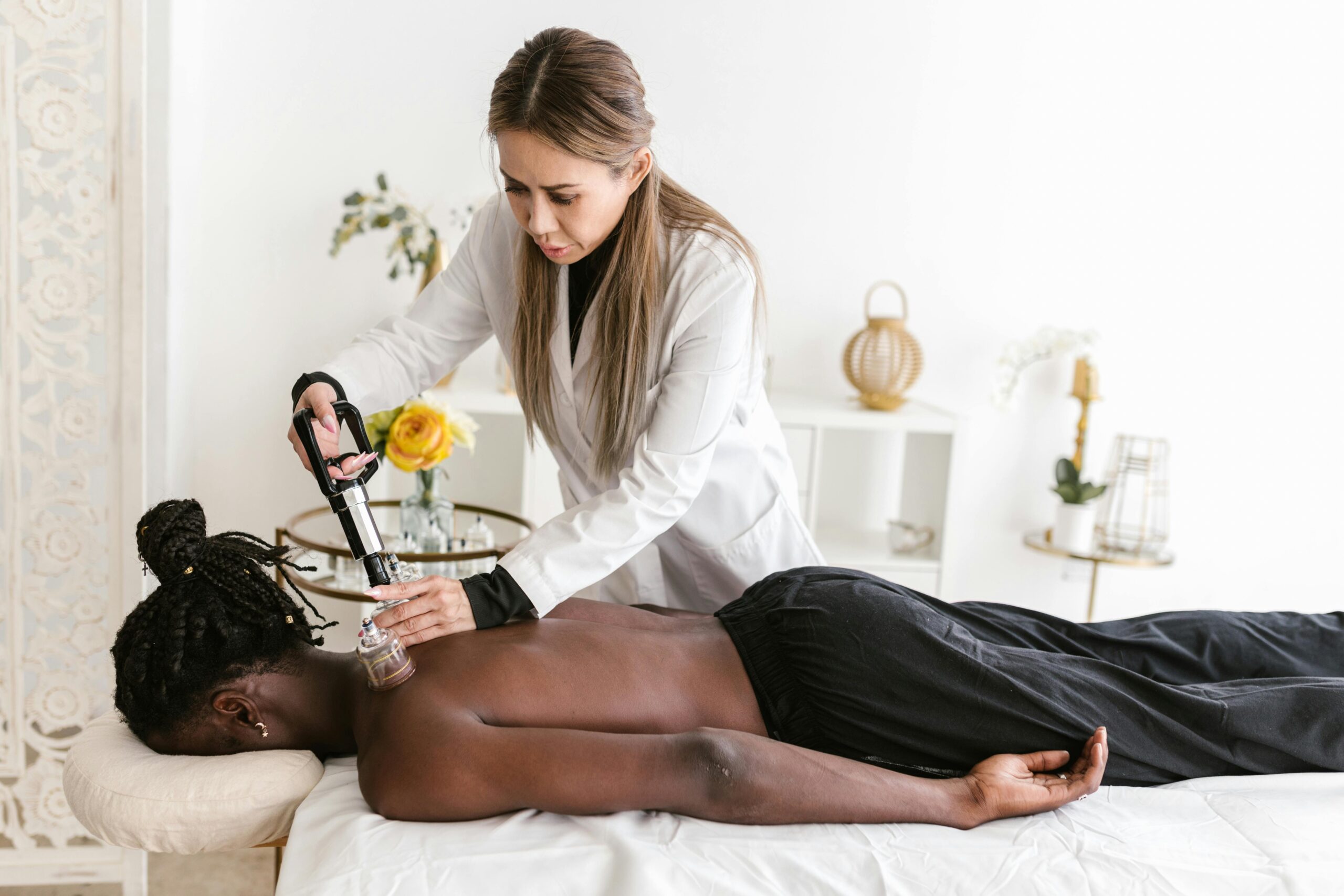
Unlike massage, cupping doesn’t press into muscle, it lifts. Suction pulls skin and fascia upward, creating space and drawing blood into the area. Practitioners claim this decompression reduces restriction and primes tissue for repair.
Scientific support is mixed. Some research finds reduced soreness or slightly better range of motion; others find little more than a placebo effect. Still, athletes keep using it. The marks might draw stares, but many say the benefits are worth it.
The key is context. Best practice is to use cupping therapy as part of a broader recovery strategy rather than a stand-alone solution. Low risk, modest potential, but sometimes surprisingly helpful.
Compression and Circulation Aids
Circulation is central to repair. Move blood, and the nutrients move. Clear waste and reduce swelling.
Compression garments do this passively. Sleeves and socks keep steady pressure on limbs, making it easier for blood to flow back toward the heart. Studies show modest effects, but many athletes simply feel less sore wearing them.
Pneumatic compression boots are more active. They inflate and deflate in waves, squeezing fluid through the legs. Endurance athletes, in particular, often use them after long sessions to reduce lingering heaviness.
Blood flow restriction training is a different animal. By restricting blood just enough during light exercise, it creates an oxygen-poor environment in the muscle. The body treats it like heavy lifting, triggering adaptation without high loads. In rehab or recovery phases, that’s powerful.
Nutrition: The Foundation Everyone Overlooks
None of these methods matter if the building blocks aren’t there.
Protein is essential. Enough across the day—usually in 20–30 gram portions each meal—fuels muscle protein synthesis. It doesn’t need to be timed to the minute after a workout, but it does need to be consistent.
Omega-3 fats from fish, nuts, or seeds help regulate inflammation. Hydration keeps cells functioning and electrolytes keep them firing properly. Simple, often ignored, but crucial.
Antioxidants are more complicated. Whole foods rich in them like berries, vegetables, and nuts, are helpful. Mega-doses of supplements? Not always. They may dampen the stress signals that tell muscles to adapt in the first place. Balance is what beats excess.
Active Recovery
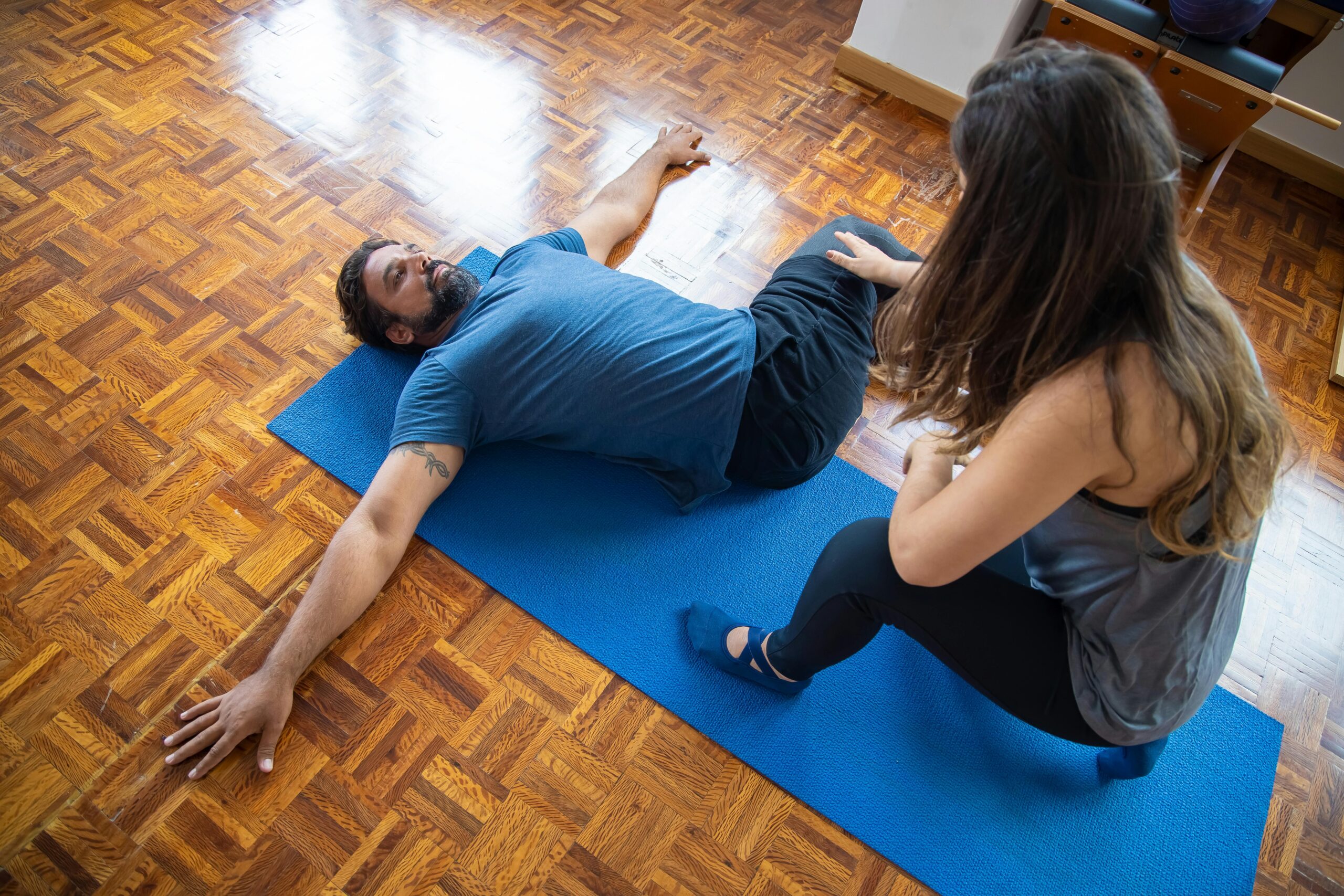
A full day on the couch feels tempting after a brutal session, but it’s not ideal. Low-intensity walking, swimming, and even light cycling do more good. They can increase blood flow, clear metabolic byproducts, and loosen stiff joints.
Active recovery is gentle but effective. It bridges the gap between rest and training, keeping the body moving while still giving tissues time to repair. For most athletes, it outperforms doing nothing at all.
New and Experimental Methods
The recovery market is crowded with new gadgets. Some intriguing, others more style than substance.
Red light therapy, sometimes called photobiomodulation, may boost cellular energy production by acting on mitochondria. Small studies suggest potential, but more evidence is needed.
Electrical stimulation devices (TENS, NMES) can reduce pain perception and keep muscles active without heavy loading. They don’t rebuild tissue, but they help manage discomfort.
Vibration and percussion tools offer mechanical stimulation. Whether they shift tissue structure is debatable, but they often leave people moving more freely, which in practice is useful.
Final Words
There isn’t a single “best” recovery method. Each works on a piece of the puzzle: circulation, inflammation, nervous system state, or nutrient supply. The art is combining them in ways that suit the individual.
A younger athlete pushing volume may focus on nutrition, sleep, and active recovery. An older lifter with tight joints may add heat, massage, or cupping. Someone coming back from injury might rely more on BFR or electrical stimulation.
The principle remains steady: training stresses the system, recovery builds it back. Skip the recovery and progress stalls. Support it, and training compounds into real, lasting improvement.
Recovery isn’t downtime. It’s the second half of training. The part that decides whether all the effort in the gym translates into actual strength and performance.
Written by media@blogmanagement.io