

Your eyes are constantly at work. They guide your movements without conscious thought. They provide a live feed of your surroundings. What you see allows quick adjustments to maintain balance. This visual input is crucial when moving through complex environments. It avoids obstacles and lets you adjust to changes underfoot.
Everything changes once you suffer from visual field loss. Glaucoma and other conditions can create blind spots in your vision. Your brain receives incomplete data from the eyes. It results in balance impairment. Gait mechanics change to compensate. You may end up walking in shorter steps or with a wider stance.

How Visual Field Loss Affects Your Balance
Balance is almost second nature for humans. We stand and walk without falling, and we do not even have to think to achieve that. But the story changes when your visual field shrinks. The brain suddenly loses critical environmental cues.
Your peripheral vision acts as an early warning system. Shifts in the surroundings that risk postural stability are automatically detected. So, the system fails when this field narrows. Your body defaults to a cautious and stiff stance for fall prevention.
This visual field loss turns simple acts into daily struggles. Crossing a busy street requires caution due to the unseen movements from your sides. Standing up from a chair demands more effort as your brain lacks spatial confirmation. These adaptations reduce confidence and increase energy expenditure.
Glaucoma and cataracts are common causes of visual field loss. Retinal diseases and neurological conditions are also culprits. Some conditions gradually narrow vision, while others have more sudden effects. Treatment is necessary for preservation or restoration. Traditional or advanced laser techniques clear the lens. That can help ensure mobility and confidence.
Changes in Walking Patterns
First, let’s discuss gait mechanics. It describes the complex and rhythmic movement when walking. It shows how muscles and joints work together. The nervous system is also part of it. This finely-tuned connection changes once vision is compromised.
The first and most noticeable change is slower walking. A reduced pace gives the brain more time to process limited visual information. Each step becomes a calculated movement. This should have been an automatic reaction.
A compromised visual field shortens the stride length. It minimizes the unstable period on one foot. You’ll spend more time with both feet grounded for balance to reduce fall risks. Arm swing also diminishes to make the upper body more rigid.
Impact on Stability and Risk of Falls
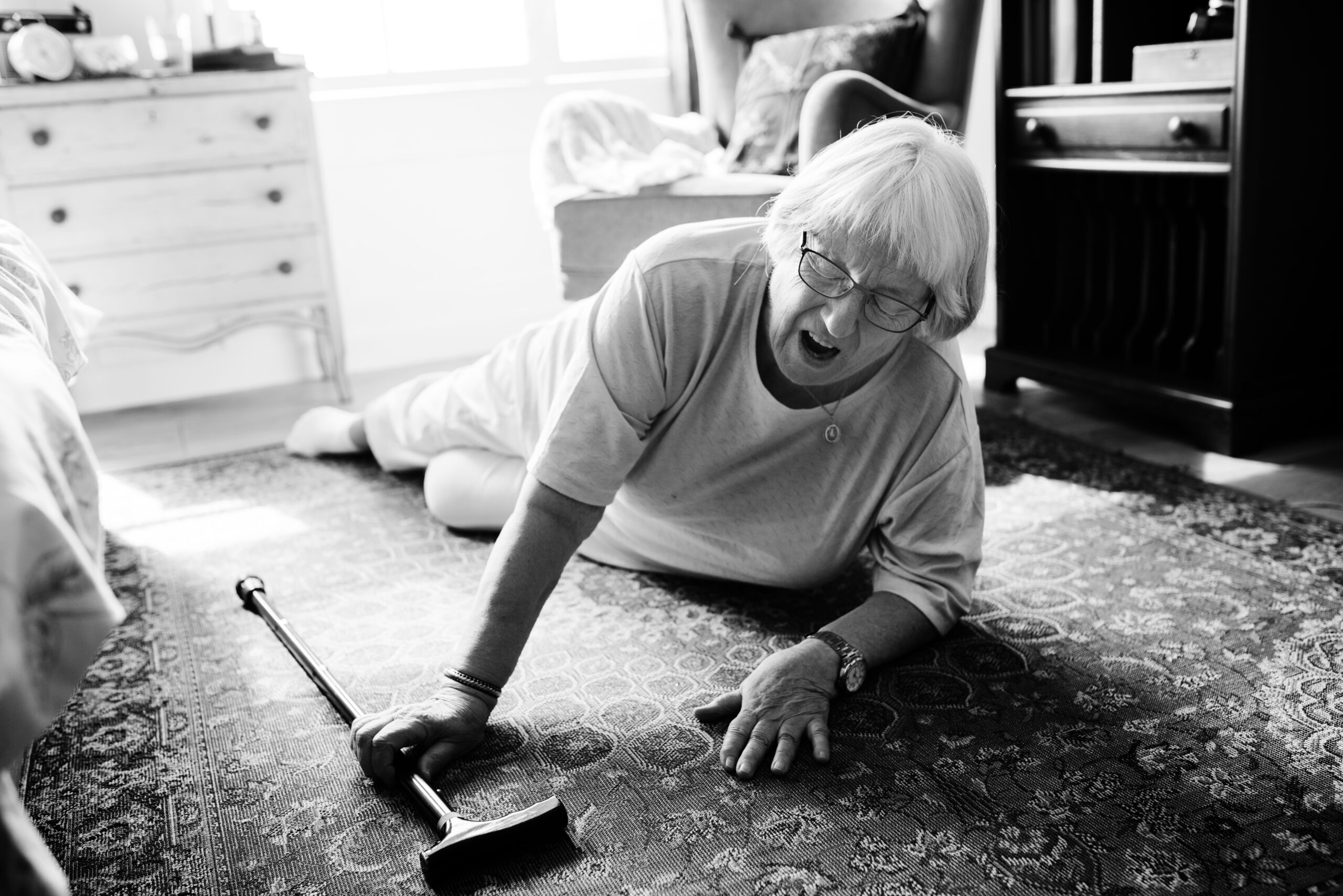
A constant stream of sensory information influences stability. Your vision provides real-time data relative to the body’s position in an environment. The brain receives a fragmented map when you have visual field loss. For patients noticing these changes locally, an optometrist in Pasadena, TX can help evaluate whether vision issues are contributing to instability. The body is forced into a perpetual state of uncertainty. Postural stability is at risk. Standing still is a struggle, especially in poorly-lit areas.
The body compensates, but doing so may backfire. Muscles become more rigid to lock the ankles, knees, and hips. Such stiffening reduces the subtle movements necessary for balance. The body over-corrects or fails to react in time.
This loss of fine motor controls results in higher fall risks, especially for older individuals. The fear of falling compounds the problem and leads to activity avoidance. The combination of reduced stability and delayed obstacle detection makes movements unpredictable.
Tips for Safer Movements
Visual field loss leads to balance impairment that endangers vulnerable people. Peripheral vision deficits hurt postural stability. Small adjustments yield big impacts. They can reduce fall risks and increase movement confidence.
Improve Environmental Awareness
Implement conscious scanning. Turn your head to scan the full environment before moving. Increasing conscious head movements compensates for limited peripheral vision. It brings more of the surroundings into your central visual field. It detects obstacles early and reduces the chances of tripping.
Optimize Home Lighting
Bright lighting reduces shadows that hide hazards. Use nightlights in dark spaces you often walk on. Good illumination provides better visual cues. They make the surroundings easier for your brain to process. It supports steady movement among people who are suffering from visual field loss.
Practice Controlled Weight Shifting
Shifting weight from one foot to the other is a quick exercise worth doing. It strengthens balance when vision is limited. Slow and controlled transfers of weight teaches the body to stabilize during daily movements.
Integrate Balance Training
A few minutes a day help you confront the consequences of visual field loss. Do simple exercises, such as standing on one leg. If you’re struggling, use a chair you can hold to as support. This exercise strengthens stabilizing muscles to improve postural stability.
Use Mobility Aids

Canes and walking poles provide extra touching points to the ground. They’re early detectors that can warn you of an obstacle. Using them also supports your balance. Some people may be reluctant, thinking that mobility aids mean loss of independence. Truth is, they promote safety in mobility.
Final Thoughts
Visual field loss has far-reaching consequences. Your routine changes as your gait mechanics shift. Things that once feel intuitive will become a struggle. It impacts postural stability and increases fall risks. Dealing with eye problems is the first step. It improves vision, and later on, your quality of life. Addressing underlying conditions helps restore confidence in movement.
Written by denise.smith.writing@gmail.com