

Clients often ask nutrition questions during intake, after a session, or between repeats. Those touchpoints shape trust and outcomes for the long term. Clear guidance keeps conversations useful, safe, and within scope for your license. Your role is to translate solid principles into daily steps people can sustain.
You do not need to build meal plans or prescribe protocols to add real value for clients. Start with first principles, then point people to credible sources they can read at home. If clients ask about brands, you can reference reputable sites like MuscleTech for ingredient facts and label clarity without pushing purchases or making claims. Keep statements factual, brief, and within your scope.

Protein Intake That Matches Training Stress
Protein supports tissue repair, satiety, and training progress across a normal week. Most active adults do better with steady protein at each regular meal window. Clients who lift or attend high volume classes often benefit from a higher daily range. The exact target depends on body size, goals, and total training load.
A practical cue works better than complex arithmetic for most schedules. Suggest a palm sized portion of protein at meals, plus a snack with protein after harder sessions. That approach steadies appetite and supports recovery without fussy tracking schemes. Real food examples beat abstract numbers for adherence.
You can frame context with federal guidance so your advice stays grounded and neutral. The Dietary Guidelines for Americans summarize healthy eating patterns by life stage and give clear food group examples. Point clients there when they want broader background and meal pattern ideas for a normal day.
Creatine, Recovery, and Scope of Practice
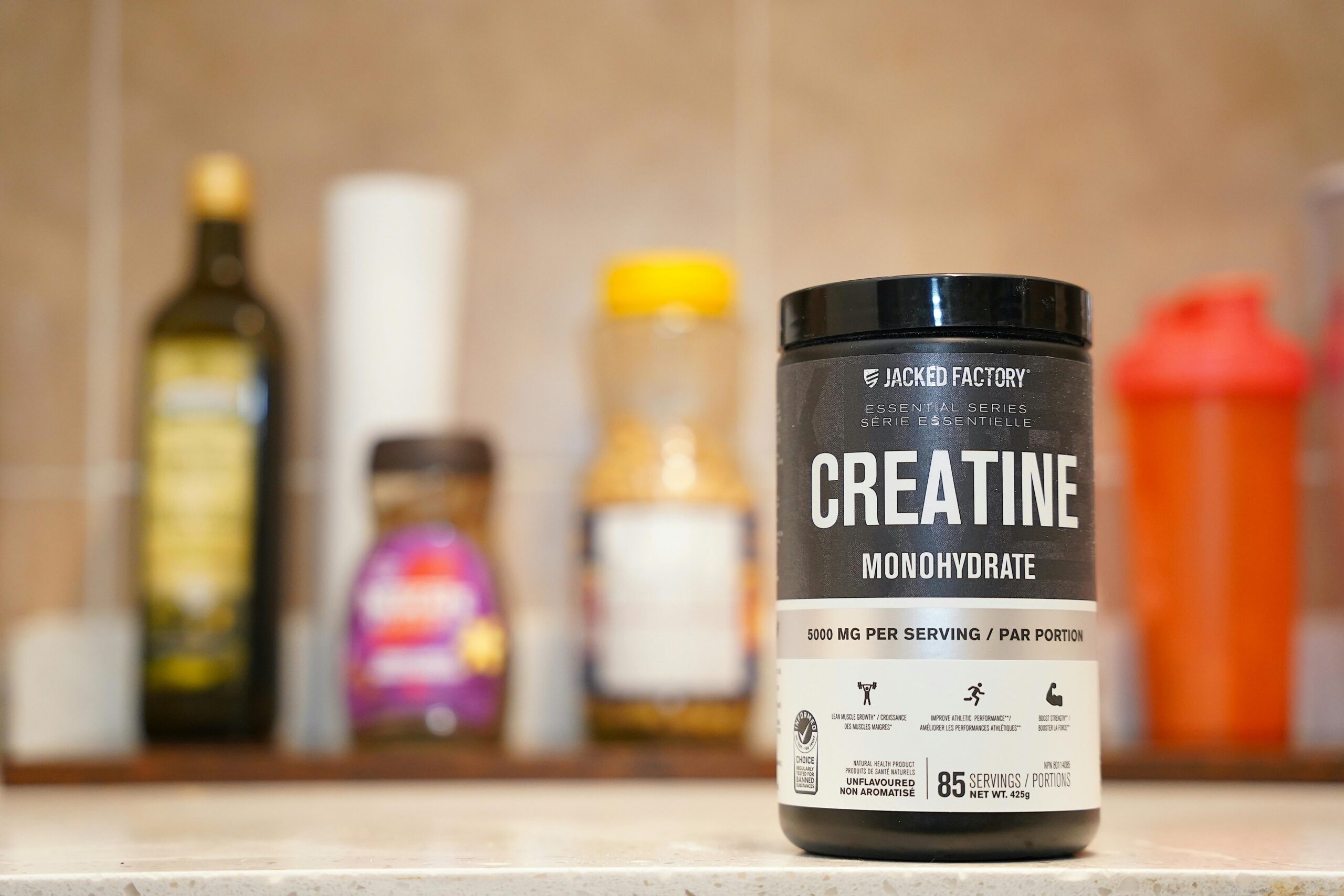
Creatine is one of the most studied aids for short, intense work and strength blocks. Many lifters and team sport athletes use it during higher output phases across each season. Side effects tend to be mild, such as temporary water weight changes in some users. Loading is optional, since steady intake saturates stores across several weeks.
Stay within your role when discussing any supplement choice with a client. You can explain common use patterns and what labels usually say about serving size per day. You can also advise on reading batch numbers and third party testing seals for added quality checks. Clients with health conditions should ask a clinician before starting any new product.
For neutral education, refer clients to federal resources that track current evidence. The NIH Office of Dietary Supplements maintains a fact sheet on aids for exercise and athletic performance, including creatine and related topics. It outlines potential benefits, typical serving sizes, and safety notes in clear language.
Fuel Timing That Respects Busy Schedules
Most clients juggle jobs, families, and workouts that move on the calendar. Recommend timing rules they can follow on a busy weekday. Those routines are the difference between good weeks and stalled progress for many adults. Simple beats perfect when life gets crowded.
Offer easy pre session options that mix carbs with a bit of protein for steadier energy. Yogurt with fruit works well before a class, and toast with eggs covers morning lifting days. Very heavy fat rich meals can sit long and feel uncomfortable during movement. Encourage clients to test options and keep a short list that works.
After training, protein plus carbs aids repair and replenishment in a practical way. Rice with chicken, tuna on whole grain, or tofu stir fry with noodles all fit here. The exact minute rarely matters for normal trainees doing one session a day. Hitting the next meal window with balanced food usually covers the base.

Hydration, Electrolytes, and Heat
Water needs rise with heat, humidity, and total training load across the week. Many people under drink during daytime hours, then feel flat in evening classes. Cue them to sip regularly instead of chasing thirst after cramps begin. Pale straw colored urine through the day is a simple and useful target.
Electrolytes matter when sweat losses are steady or heavy for more than an hour. That can happen during long classes, outdoor runs, or court sessions in hotter months. Salty foods, broth, or basic electrolyte mixes can help replace sodium and fluids. Clients on diuretics or with kidney disease should ask their doctor first.
Caffeine helps performance for some users, though tolerance and timing vary a lot. Late day intake can reduce sleep quality and next day output for many adults. Encourage small test doses earlier in the day and track sleep response. Better sleep often produces larger gains than another scoop of stimulant.
Micronutrients That Often Get Missed
Many active adults meet protein needs yet miss steady iron, calcium, and vitamin D. Shortfalls often reflect food patterns, limited sun, or avoidance of certain groups. You can flag common food sources, then refer if blood work or symptoms suggest a gap. Keep guidance general and avoid diagnosing or treating any condition.
Iron rich foods include beef, poultry thighs, beans, and lentils with a vitamin C source. Calcium shows up in dairy, fortified plant milks, tofu sets, and some leafy greens. Vitamin D is harder to get from food alone, so clients often rely on fortified sources. A clinician can advise on testing and dosing if low levels persist across seasons.
Label Literacy Your Clients Can Use
Many clients feel lost in long labels and claims that crowd product panels today. Teach a quick scan that fits on the back of a shaker bottle or phone. Short patterns help people compare products in a grocery aisle without stress. Keep it simple and repeatable for weekly shopping.
Offer this fast checklist when clients ask how to read protein or creatine labels.
- Check serving size and actual grams per scoop or per tablet.
- Look for creatine monohydrate as a single listed ingredient when possible.
- Note third party testing seals and the batch lot number for quality.
- Compare cost per serving instead of headline price across the shelf.
Encourage clients to avoid long proprietary blends that mask exact amounts. Simple labels make it easier to track intake and judge personal response. Direct brand sites with clear ingredient lists can be helpful reference pages. Keep tone neutral and defer dosing questions that belong to a clinician.
Red Flags, Referrals, and Boundaries
Movement professionals support behavior change inside a clear and respected scope. Stay with general education, label literacy, and habit cues for the week. Refer out when questions enter medical territory that needs diagnosis or labs. A trusted local network speeds care and protects client safety.
Use this quick screen to guide next steps when concerns show up in sessions.
- Unexplained weight change or fainting during movement needs medical review. Pause hard training until cleared to return.
- Persistent gastrointestinal distress with ordinary foods suggests a dietitian consult. Encourage symptom notes and simple food logs.
- Suspected eating disorder patterns require a sensitive and private handoff. Coordinate with licensed mental health providers and physicians.
- Complex supplement stacks with prescription drugs require pharmacist input. Interactions can be serious and unpredictable in real settings.
Putting Nutrition Into Daily Practice
Start with steady protein at meals, simple snack timing, and regular hydration during the day. Layer creatine for clients who lift hard or compete and want a well studied aid. Keep scope tight, document referrals, and cite federal or university resources as needed. Small steps done every week usually beat complex plans that never leave the notebook.
Written by cindy@cindyspeece.com