

It’s a complaint most medical professionals have heard at least once before. An otherwise healthy person regularly experiences pins and needles or numbness in their legs when sitting on the toilet. And, thinking that this is not normal, they worry it could be a sign of a more significant underlying issue.
In reality, this experience is easily explained and usually not something to be too concerned about. Understanding how, when, and why it happens will enable you to provide advice on avoiding this issue. It will also help you allay any fears about it being a serious concern.
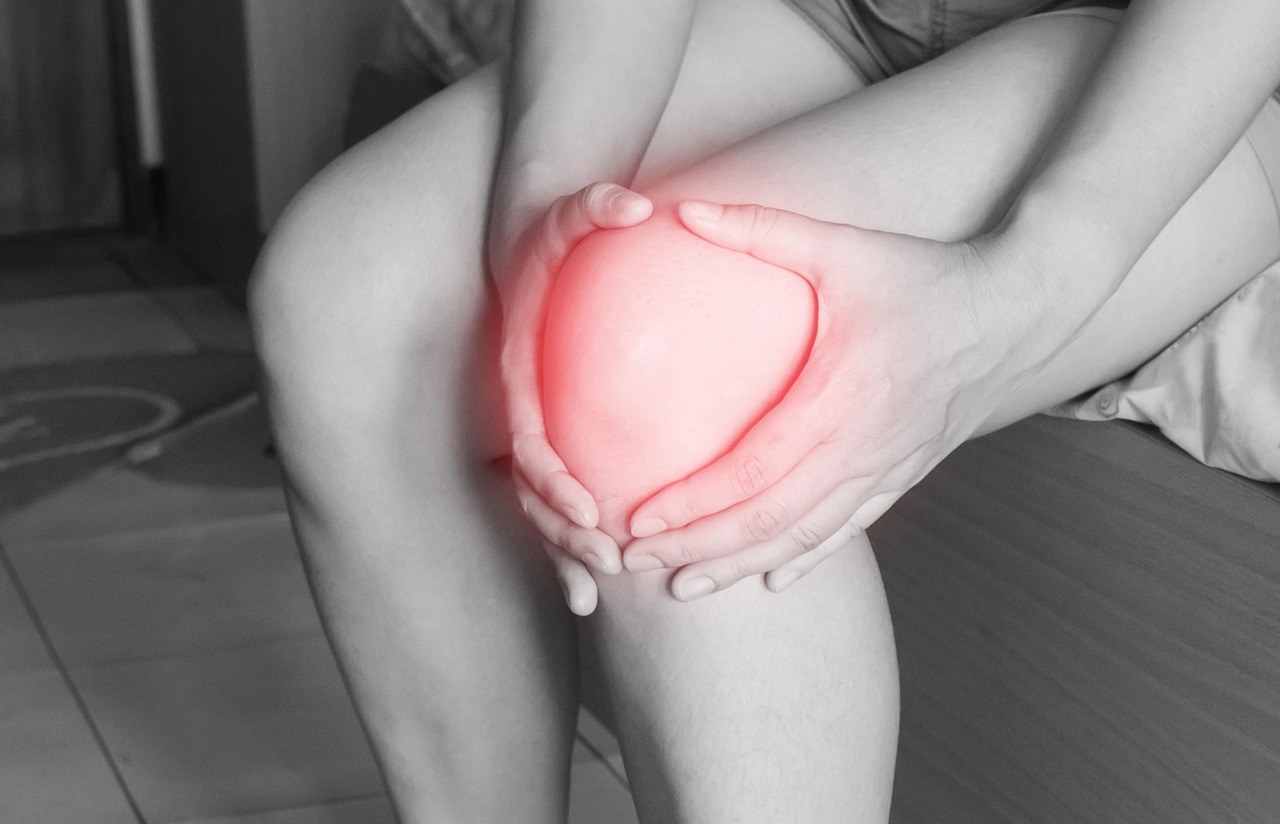
What is that tingling feeling?
The sensation widely known as ‘dead legs’ or ‘pins and needles’ is a condition called paresthesia. It can present in a number of ways, but is usually experienced as a burning, pricking, itching, or numb sensation. This is felt on the surface of, or just under, the skin and can impact many areas throughout the body.
There are two main types of paresthesia: transient and persistent.
As the name suggests, transient paresthesia is a temporary affliction. It is extremely common and is usually due to pressure being applied to nerves or restricted blood flow. It generally passes after a few minutes and usually does not require treatment or ongoing management.
Persistent paresthesia is rarer and more of a concern. It is a chronic condition that causes regular numbness and is often a symptom of other, more serious issues. Correct treatment depends on the underlying cause, and a professional medical diagnosis should be sought.
Identifying the cause of transient paresthesia
Paresthesia is most often a mild form of neuropraxia, caused by temporary pressure being placed on key nerves. Ischemia, or restricted blood flow, can also contribute to the feeling of numbness or pins and needles.
The mechanics of sitting on the toilet make the action particularly prone to causing paresthesia. In this position, the hips and knees are at an angle that puts pressure on the peroneal nerve. Sitting on hard surfaces, like a toilet seat, also compresses the sciatic nerve and restricts blood flow to the legs.
Certain factors can increase the likelihood of developing dead legs while on the toilet. For example, the longer key nerves are placed under pressure, the more likely the patient is to experience paresthesia. Similarly, the sharper the pressure, the greater the risk of neuropraxia and ischemia.
Preventing potty-based paresthesia
The patient develops numbness when using the toilet because of a single underlying cause. The following recommendations will assist patients in preventing this issue from occurring.
Minimise time spent seated: Most people achieve their best results when they spend less than 10 minutes in the toilet. People tend to stay longer than needed because they bring their phones and reading materials into the bathroom. Patients need to place their phones outside the bathroom because this practice enables them to maintain their attention on toilet activities.
Sit up straight: The correct toilet sitting position requires a straight back and hips that are lower than the knees. Patients need to keep their back straight because slouching and hunching and leaning forward will increase nerve pressure and block colon movements. Patients need to change their position every few minutes because this practice helps them avoid putting pressure on particular areas while promoting blood circulation.
Avoid straining: The spine experiences increased pressure when patients strain during bowel movements because their nerve contacts with spinal disks. Patients who experience straining during bowel movements should stand up and attempt again at a later time. Patients who experience ongoing bowel difficulties need to review their diet for proper hydration and sufficient fiber consumption.
Soften the surface: The design of toilet seats creates conditions which worsen paresthesia symptoms. Patients who experience ongoing toilet seat problems should make the transition to using a padded toilet seat.
Elevate the knee: The extended design of toilet seats behind the knee joint enables patients to keep their nerves at the correct pressure when they sit.
Additional tests become necessary when these treatment methods fail to bring relief to the patient.
Navigating the uncomfortable conversation
Patients stay silent about their toilet-related problems because they trust their healthcare providers yet feel embarrassed and ashamed about their issues. They also think their problems do not matter or they feel ashamed about what is happening to them. Healthcare providers need to handle these topics by showing empathy and sensitivity while ensuring patients stay secure throughout the entire process.
These skills can take years to develop and are often not seen as an integral part of formal medical training. Instead, they generally need to be practiced on the job, and modelled and supported by mentors and senior staff. If you are interested in leading such development of the next generation of medical professionals, consider pursuing a phd in nursing education.
Written by diginerpro@gmail.com

