Circulation helps every portion of the body get oxygen and nourishment. This field is the area of expertise for vein specialists. They are tackling problems that cut off blood flow. These experts have helped a lot of people get back to normal with the help of advanced techniques. Knowing what procedures they perform helps people have a better understanding of what vascular care is.

Diagnosis and Assessment
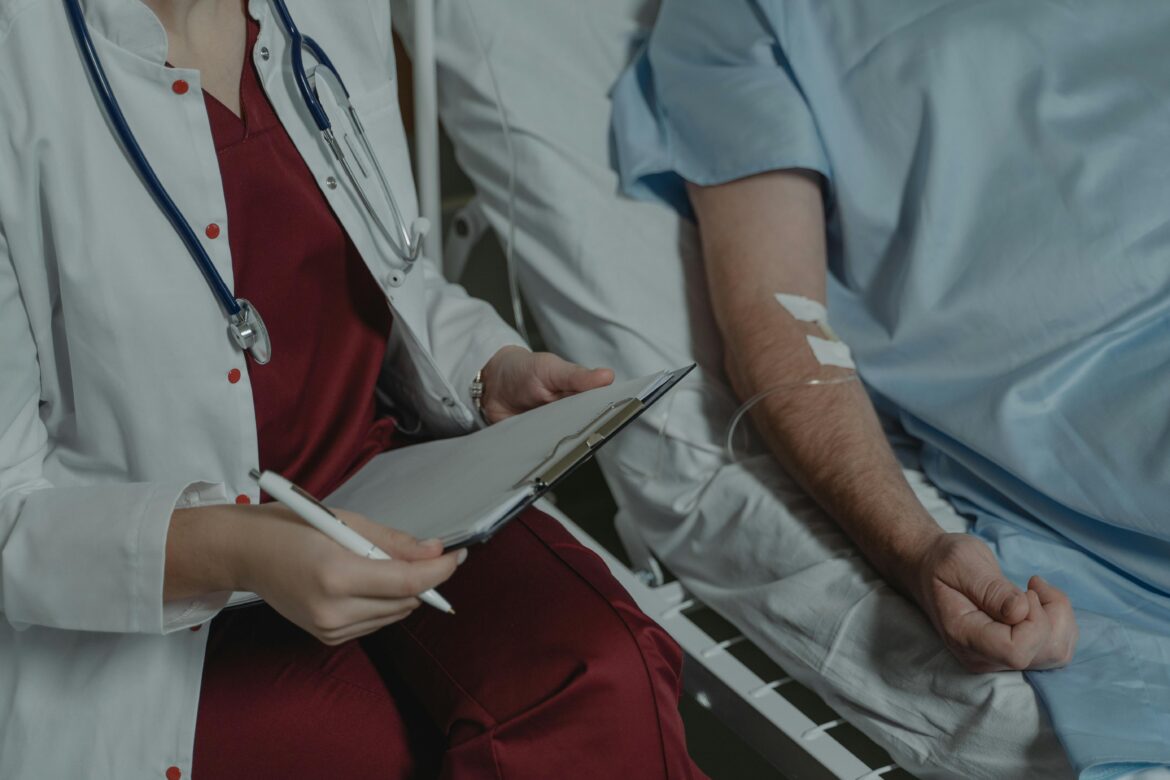
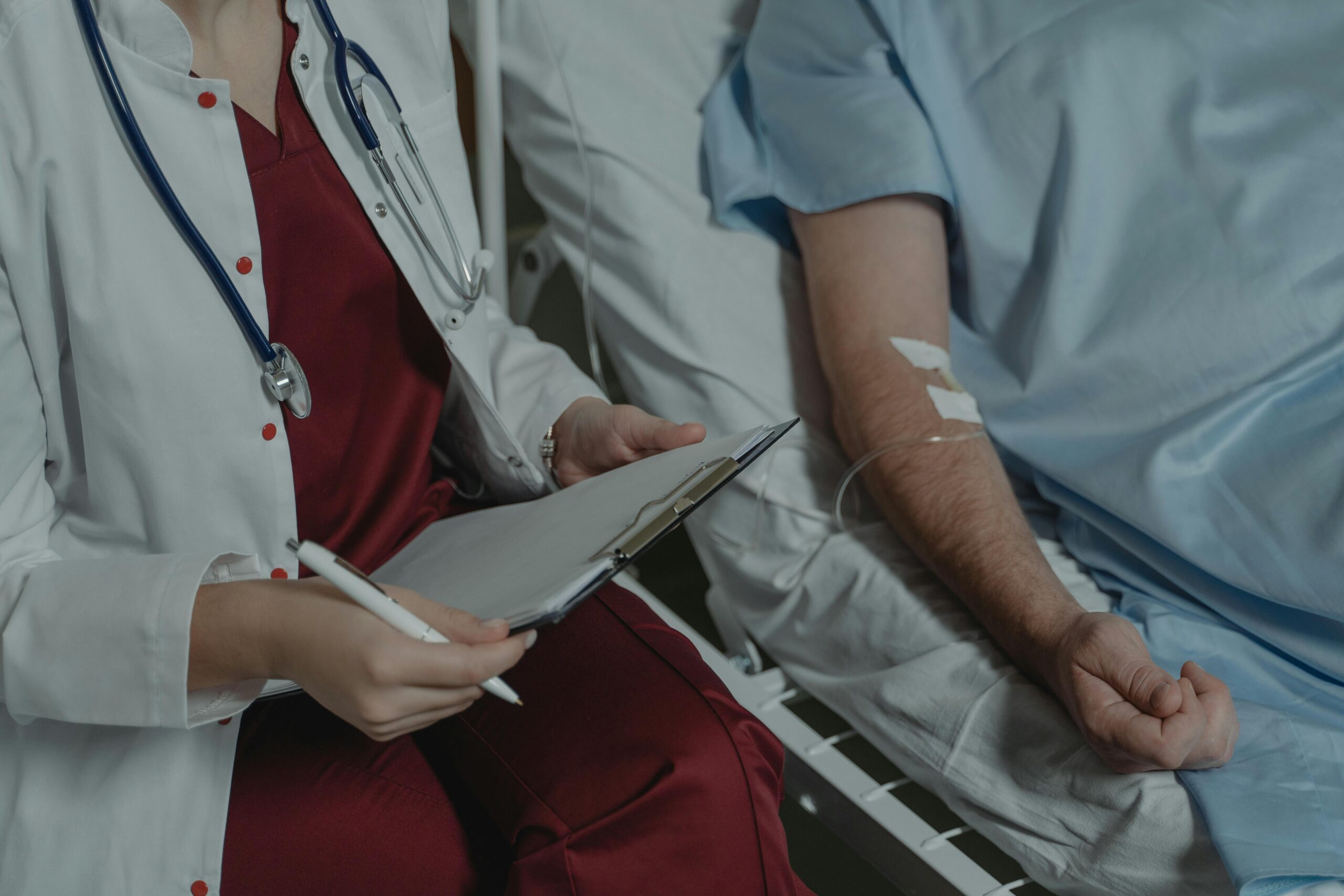
To recommend any treatment, vein specialists perform detailed assessments. One of the non-invasive tests is ultrasound imaging, which shows blood flow and any blockage and malfunctioning valves. These tests help identify the precise source of symptoms such as swelling, pain, or visible veins.
The first step to a successful intervention is an accurate assessment. Other specialists may check medical backgrounds to identify underlying causes of the symptoms. Specialists at Trident Vein Care often focus on procedures that improve circulation and reduce discomfort caused by vein conditions.
Sclerotherapy for Spider and Small Varicose Veins
Sclerotherapy is the most popular option to treat small varicose veins and spider veins. Specialized needles assist in injecting a solution directly into the affected vessels, causing them to collapse. The body will slowly absorb these closed veins. This procedure makes it more comfortable and visually pleasing. Discomfort is minimal, and most patients return to normal activities within days.
Endovenous Laser Ablation for Larger Veins
Endovenous laser ablation is mainly used for large or more prominent varicose veins. An ultrasound is used to insert thin fiber in the damaged blood vessels. Laser energy is delivered, and the vessel closes up and seals. The treated vein disappears over time as blood travels through healthier vessels. It is done in an outpatient setting with local anesthesia, which means no hospital stay.
Radiofrequency Ablation as an Alternative
Another option for managing troublesome veins is radiofrequency ablation. This technique uses heat, similar to laser ablation, but radiofrequency energy is delivered. Controlled energy is applied to the vein wall via a catheter, resulting in the vein shrinking and closing. Most patients heal very quickly and have minimal discomfort. This method works for various vein sizes.
Ambulatory Phlebectomy for Surface Veins
Ambulatory phlebectomy: This type of surgery is a procedure that involves the removal of varicose veins that are closer to the skin surface. Doctors use instruments that look like hooks and pull out the damaged vessels. Only tiny scars remain after this minimally invasive procedure, and they usually disappear quickly. This treatment usually means most people can go back to their usual routines after 1–2 days.
Compression Therapy for Ongoing Support
Compression therapy will always be one of the pillars of vein care. Graduated compression stockings apply light pressure to the legs, promoting blood circulation and combating swelling. After a procedure such as liposuction or a tummy tuck, many specialists recommend wearing compression garments to help with healing but also to improve results. It may also be the first step toward managing those early symptoms.
Ultrasound-Guided Foam Sclerotherapy for Complex Cases
Foam sclerotherapy is used for veins that cannot be accessed with ordinary methods. Experts perform ultrasound imaging to control the injection of a foamed agent. The foam fills irregularly shaped or larger vessels, making them close. This technique helps treat veins that do not respond to other treatment options.
Vein Stripping and Ligation for Severe Cases
Occasionally, surgery to strip and ligate the vein may be required. This is a surgical procedure that either eliminates or further constricts compromised veins. Although less common than in the past, it remains an option for patients when less invasive treatments fail. It takes longer to resume, but in advanced cases, results can be excellent.
The Role of Ongoing Monitoring
Here too, regular monitoring is an integral aspect of vein care. Experts book follow-up consultations to evaluate recovery and take care of any issues. Continuous assessment ensures the maintenance of results and prevents the return of symptoms. Giving information about changing lifestyle also helps with long-term vascular health.
Conclusion
There are several procedures that vein specialists offer to help blood move properly through your circulatory system. Occupational therapists can talk to you about treatment options from nonsurgical to surgical approaches with the goal of returning comfort and function. Frequent evaluations and ongoing care allow for the most effective resolution of venous concerns. Fortunately, many people experience lasting improvement and a better quality of life with treatment by a professional.
Written by diginerpro@gmail.com