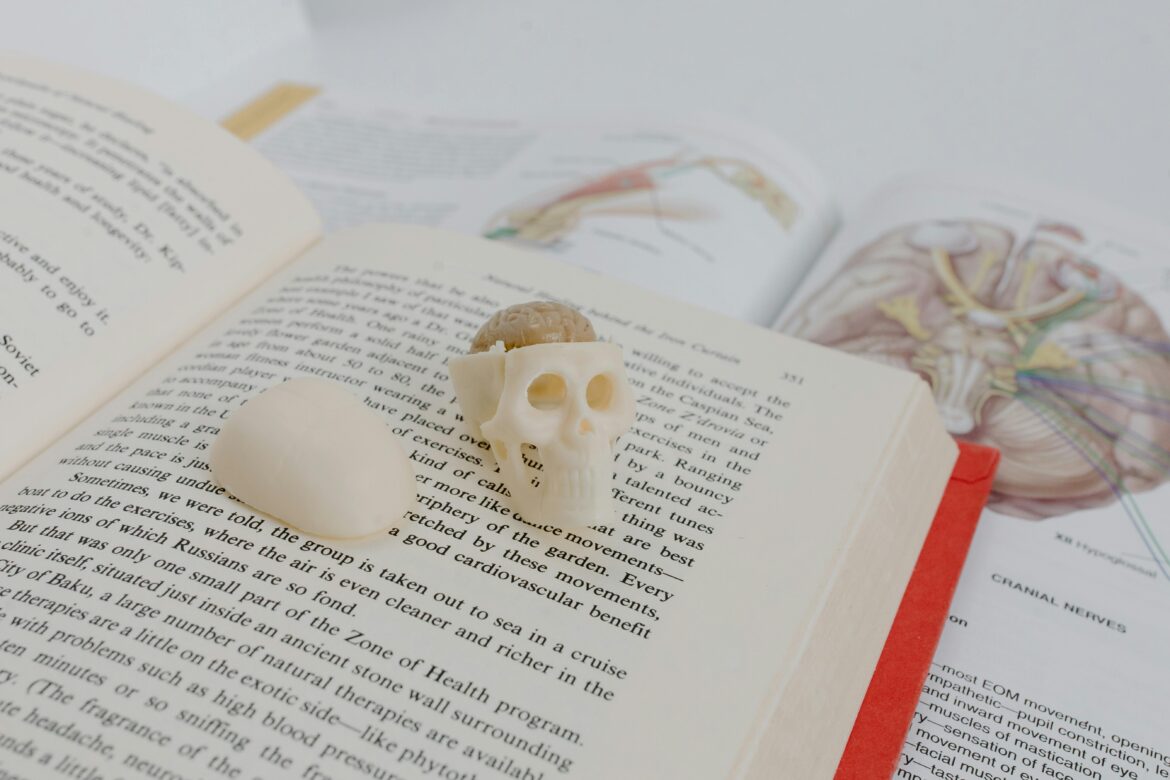
Anatomical knowledge is a monster that must be tamed, at least for many students. Why is it so hard to learn? Is it the confusing terminology? The excessive fine detail? The seemingly endless quantity of information that must be memorized? Learning all this information can start to feel like learning a whole new language. But memorizing all of this information for its own sake is not the purpose of learning anatomy. Knowing that the humeral head sits at the junction of the anatomical and longitudinal axes of the joint or that the axillary artery is a branch of the proximal brachial artery doesn’t really accomplish much unless you can picture how the anatomical structures in the body relate to one another and how they interact. And learning it all takes place in a critical window of time as well. Anatomy is not impossible to learn, but it is likely very different than what you are used to.
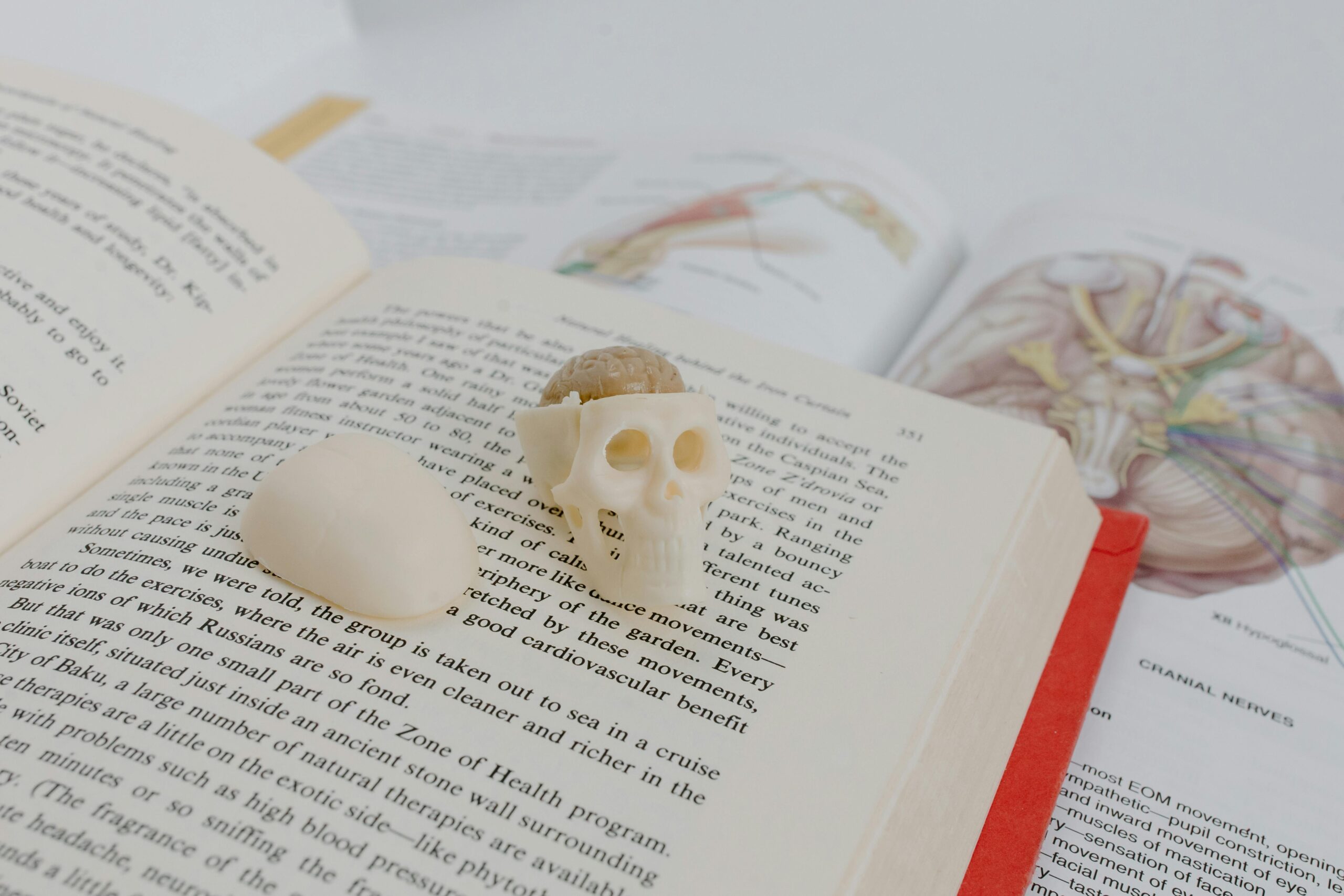
1. Understand Before Memorizing
So, this may come as a shock, but the number one mistake that I see students making when learning anatomy is attempting to memorize before they are ready. Without some basic understanding of how all of the parts fit together, trying to memorize long lists of words, including root words and over 100 anatomical terms, can be a completely pointless and futile exercise. Before you even begin trying to memorize all of the anatomical terms and their meanings, you will need to get some sort of understanding of what each organ, muscle, bone, and system does and how it functions within the body. Similarly, attempting to memorize the functions of each cranial nerve in isolation of other structures and systems is largely unnecessary and more difficult than necessary to learn. Take a few minutes to understand how each of the cranial nerves functions within the body and how they relate to other structures and systems, and you will be astonished at how quickly you can pick up their names and functions.
2. Utilize Online Resources Wisely
When it comes to studying anatomy, balancing multiple subjects at the same time can quickly become overwhelming. Many find themselves struggling to keep up with complex anatomical terms, physiological concepts, and practical applications, all while managing assignments from other courses. This is where leveraging online resources can make a significant difference. Interactive platforms, video tutorials, and digital anatomy apps offer visual and hands-on learning that textbooks alone cannot provide. However, even with these tools, the workload can be too heavy for one person to manage efficiently. That’s why many turn to reliable professional assistance to stay on track. An online writing service, https://papersowl.com/literature-review-writing-service, can provide expert support, helping learners manage their study load while still engaging deeply with anatomy lessons. By relying on professionals for guidance and structured assistance, individuals can focus more on understanding rather than just memorizing, ensuring better retention and application of knowledge. Combining these online tools with professional help creates a balanced approach to learning, making it easier to handle multiple courses, meet deadlines, and achieve academic goals without unnecessary stress or burnout.
3. Use Visual Learning Tools
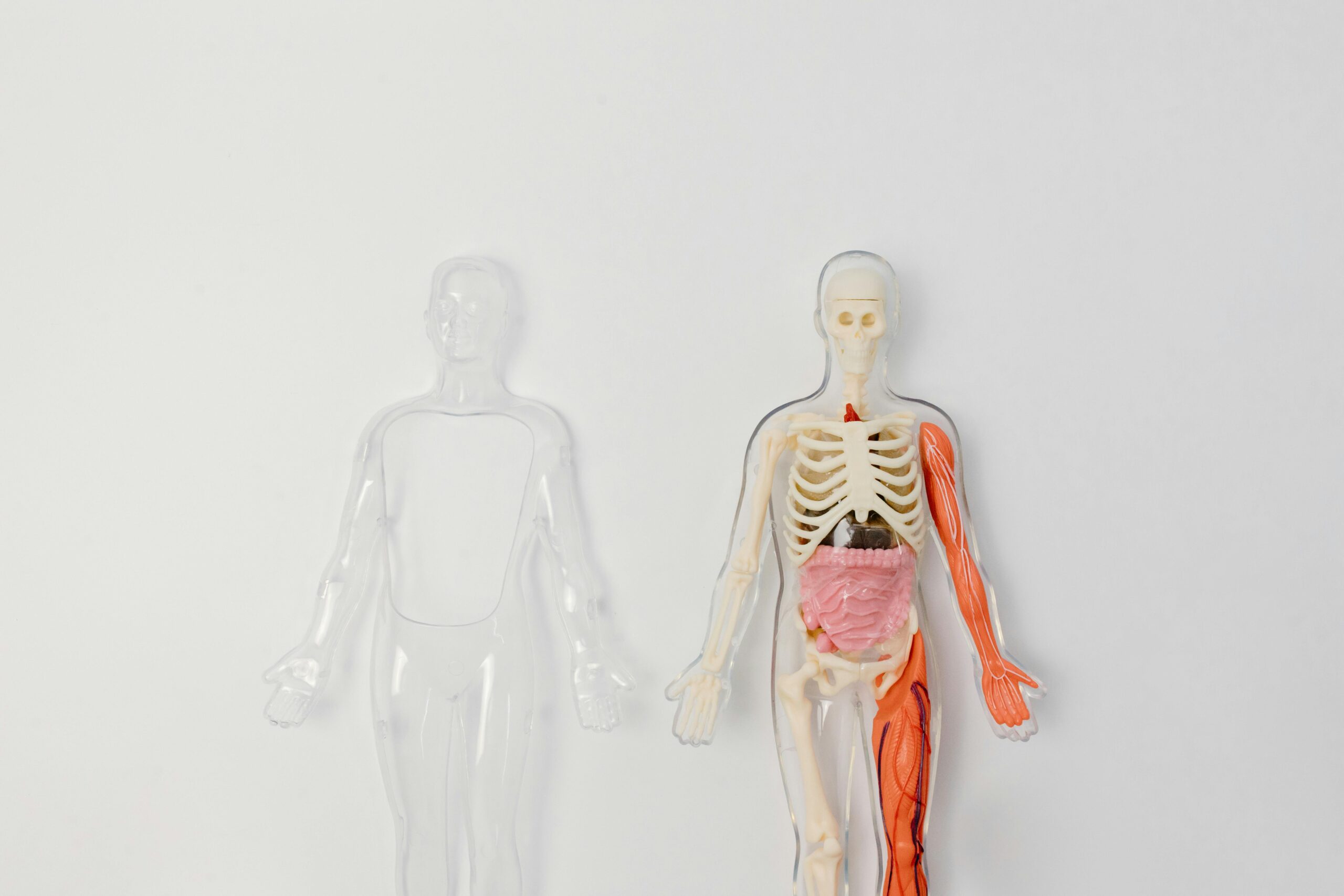
Anatomy is a very visual subject and no matter how good your textbook is, it will not always enable you to understand the inter-relationships of the structures. A good number of diagrams, 3D models and some good quality anatomy apps will help. You can make the best use of any 3D human anatomy apps. They enable you to rotate the organs and layers of the body, zoom in on the tissues and look at the body from a variety of angles. A set of flashcards with labelled diagrams on them are also very useful. The more you look at them the more you will remember the labels. This will help you when you are examined, or during practicals.
4. Break Material Into Manageable Sections
Attemting to revise the whole body in one session is very difficult. Try to revise in sections of tissue for individual organs or systems. I have identified the following systems: – Skeletal – Muscular – Cardiovascular – Nervous Try and build up a good understanding of one system before moving on to the next. This will make your life a lot easier. Once you have a good understanding of one system you can start to build up your knowledge of the next system and then refer back to previous material to help aid your revision.
5. Leverage Active Recall
Active recall is a learning and remembering technique. Rather than skimming through notes or reading through your textbook, try to actively recall the information from memory. Take an online quiz about the material, do a self-test with flashcards or practice exams, or use an anatomy recall app. See if you can name or describe the structures and systems you have learned about in your notes without looking in your textbook. The more you can relate the information to how it works and how it relates to other things you have learned, the more likely you are to retain it over time.
6. Apply Spaced Repetition
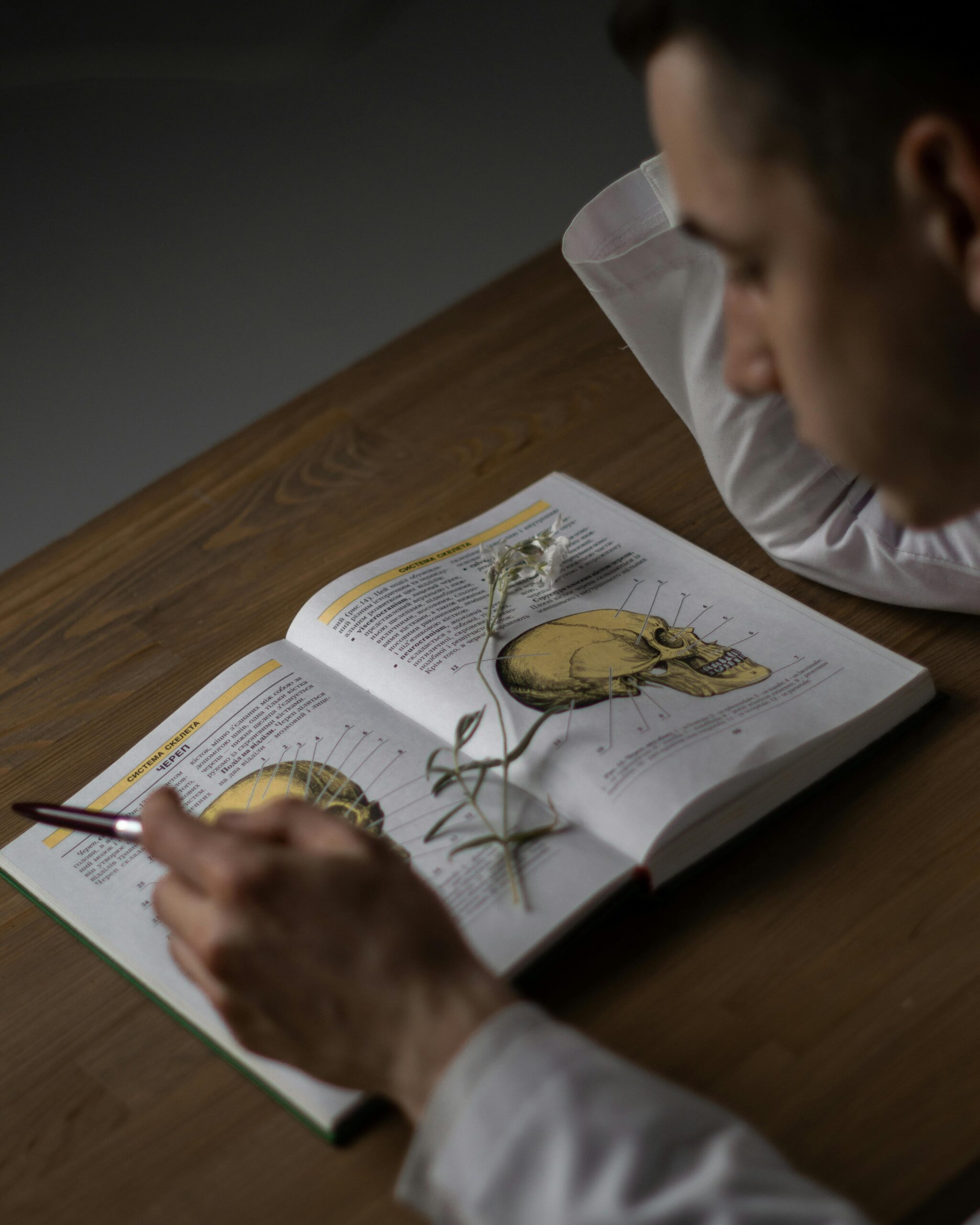
Spaced repetition is a very effective technique for learning in a short period of time. Rather than trying to force feed your brain large amounts of information, instead try to recall the information at increasingly longer periods of time. You can make this very easy using a program like Anki or Quizlet. They will take a large list of terms and then ask you to recall them on a flashcard at the exact right moment, usually when you are about to forget the word that is on the card. The idea is that as you learn and remember the word you are actually making stronger pathways in your brain to help you learn the information faster in the future. In combination with the active recall technique, this can be a very, very effective way to learn information quickly.
7. Make Use of Mnemonics and Memory Aids
These mnemonics are designed to clarify ambiguous anatomical terms. Acronyms, rhymes and phrases are used to assist in memorising the terms. For example, the mnemonic for the cranial nerves is: On Old Olympus’ Towering Tops, A Finn And German Viewed Some Hops. Anything that does not make sense in this phrase will not be in the title of the cranial nerve. So it assists in remembering those that can be easily muddled. These are excellent for a quick memory recall in exams.
8. Engage in Multisensory Learning
Multisensory learning is more fun and a more effective way to learn and remember information and concepts. In fact, a multitude of studies have demonstrated that the more senses that are engaged, the faster the learning will occur and the more the information will be retained. We have therefore gathered a large number of anatomy videos, podcasts and activities. You can watch the videos, listen to the corresponding podcasts and participate in a number of activities such as labeling 3D models and sketches, and even freehand sketches of various structures. Surprisingly, simple drawings of the various structures can be very helpful in visualising the relations between the different parts of the anatomy.
9. Study in a Focused, Distraction-Free Environment
It is important to understand that focus is an essential element of the learning process. Multitasking is one of the ways through which you eliminate distractions as you study. Therefore, make sure that you switch off all your phone notifications, choose the most ideal location to study free from any form of disturbance and most importantly set your learning goals for that particular time that you chose to study. Studies have shown that there is a benefit to focusing in sessions of 25-50 minutes, which is broken up by rest breaks of 5-10 minutes. By engaging in these focused learning intervals, you will be able to maintain the concentration required for your learning, without feeling overly fatigued.
10. Practice Teaching Others
Explain what you have learned to others. One of the best ways to test your understanding is to explain it to others, which will also help them and you to retain the information. You may choose to explain what you have learned to your classmates on form and anatomy and vice versa. You could also create a study group where you and your classmates explain what you have learned to each other or you could teach a family member or a friend about basic anatomy. You could also explain the form and anatomy concepts that we are learning out loud to yourself.
11. Incorporate Clinical Relevance
Understanding the clinical relevance of anatomical structures can significantly improve retention. Connect theory to practical applications such as medical procedures, injuries, or conditions. For example, learning about the brachial plexus becomes easier when studying nerve injuries and their effects on muscle function. Clinical context gives meaning to memorization and makes learning more engaging and applicable.
12. Regularly Review and Self-Assess
In order to ensure that learning has stuck, this material must be reviewed on a regular basis. We recommend that you review this material every week. The quizzes, flashcards and practice exams that you will have access to through our self-assessment tools will allow you to assess the level of knowledge you have acquired and to pinpoint the sections that require more work. The results will also show the sections where your learning progress has been most important. The key is to review this material in short periods of time throughout the course, rather than trying to do a cram session at the end.
13. Take Care of Your Body and Mind
Physical and mental health is the last of the study skills that we shall discuss. In order to learn successfully we have to get enough sleep, eat right, exercise correctly and try to reduce stress. If we get enough sleep we will be able to store what we have learned. We have to exercise in the right amount in order to build brain tissue and learning will be successful if it is part of a general approach to health. Learning is a holistic experience which includes physiological, psychological and behavioural aspects and in order to take place, it has to occur through the vehicle of healthy functioning in all these aspects.
Conclusion
Anatomy does not have to be the “beast” that it is made out to be. Using the anatomy knowledge, illustrations, methods of active recall and spaced repetition and multi-sensory learning will make learning and reviewing the anatomy information easier and faster. – Break the material down into smaller chunks for easier understanding – Use mnemonics to aid in memorization – Practice teaching back the information to not only reinforce learning but to apply learning to clinical situations – Relate anatomical knowledge to a clinical scenario – Focus on studying, regularly reviewing material and on maintaining good health and wellness in order to reinforce the learning concepts and ideas. Successful understanding and application of the study skills provided will aid in the mastery of the knowledge of anatomy and in preparing students for the requirements of pre-professional medical, health and biology programs.
Written by helennabirk@gmail.com