

The way people approach health has changed dramatically over the past decade. Punishing workouts and bland meal plans are out. A smarter, full-circle approach is in. More Australians are now connecting what they eat, how they move, and how they recover into one cohesive system. When these three pillars work together, progress feels almost effortless.
This is not about chasing perfection. It is about building habits that compound quietly over months and years until the results speak for themselves. The good news is that this approach does not require an expensive gym membership, a personal chef, or hours of free time every day. It requires knowledge, consistency, and a genuine commitment to showing up for yourself.
This guide breaks down each pillar in a practical, no-fluff way. Whether you are just starting out or fine-tuning an existing routine, every strategy here is grounded in real results and real life.

Why Nutrition Is the Foundation of Everything
Most fitness goals are won or lost in the kitchen long before anyone steps foot in a gym. You can train five days a week with serious effort, but without the right nutrition backing you up, progress will plateau quickly. Building your diet around whole, nutrient-dense foods is the single most impactful change most people can make. Everything else, supplements, training programs, recovery tools, builds from that foundation.
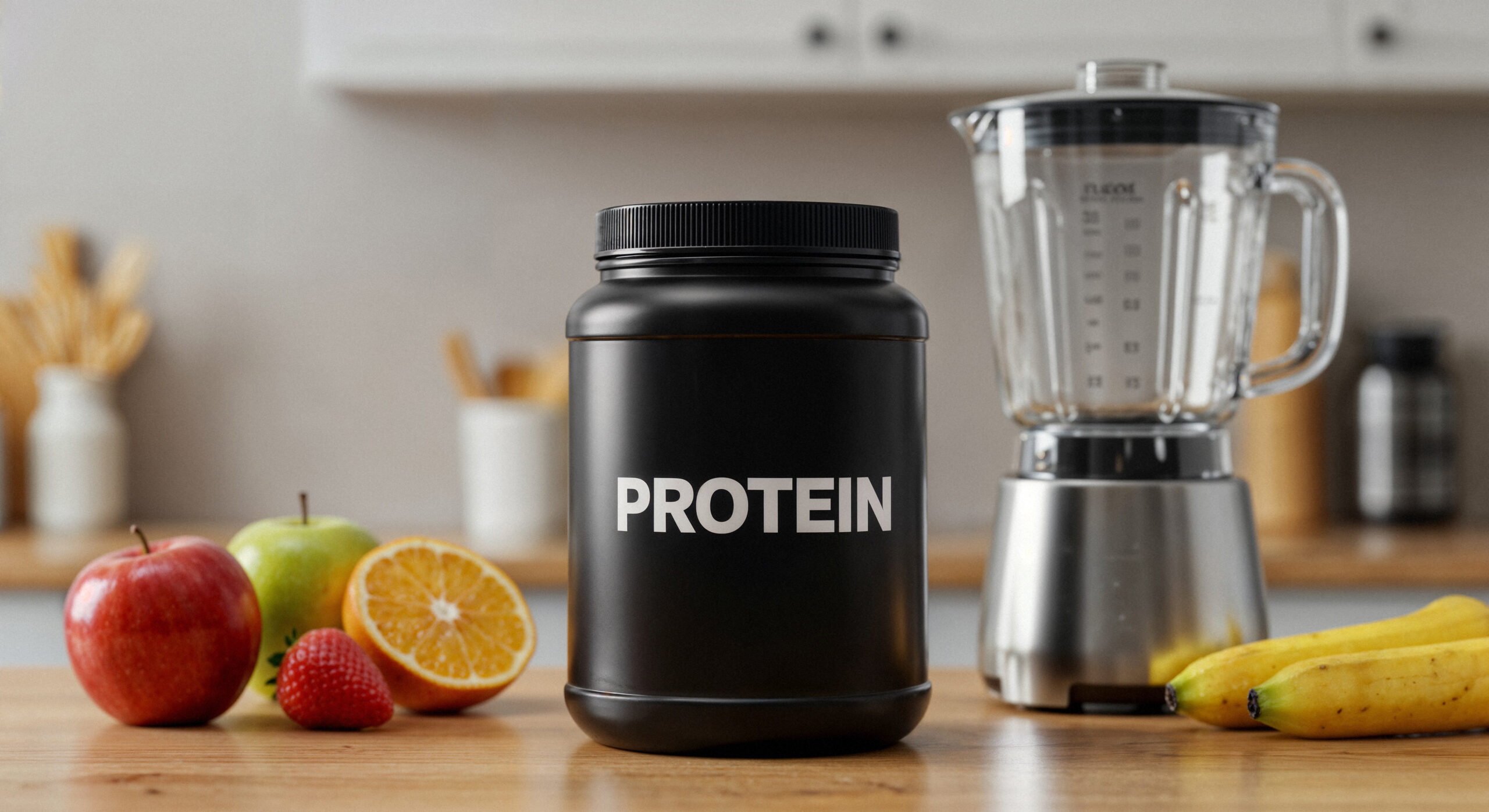
Whole food protein sources are always the better starting point. Eggs, legumes, fish, and quality plant-based options give your body what it needs without the unnecessary extras. Plant-based proteins have surged in popularity over recent years, and for good reason. Hemp protein stands out as one of the most well-rounded options available to health-conscious consumers today. It contains all nine essential amino acids, a healthy omega-3 to omega-6 fatty acid ratio, and a solid dose of dietary fibre. That combination is genuinely rare in a single plant-based food source.
Unlike some plant proteins that cause bloating or digestive discomfort, hemp is remarkably gentle on the gut. It works well for people with sensitive digestion who have struggled with other protein powders in the past. Hemp protein is also versatile enough to blend seamlessly into your daily routine. It works in smoothies, overnight oats, protein balls, and baked goods without overpowering other flavours.
For anyone following a vegan, gluten-free, or whole-food-focused diet, it ticks a lot of boxes at once. If you want to upgrade your supplement stack with something natural and nutrient-rich, you can shop hemp protein online through Vasse Valley and experience the difference a quality whole-food protein makes. Beyond protein, carbohydrates and healthy fats play equally important roles that often get overlooked in mainstream fitness conversations.
Carbohydrates are your body’s primary fuel source during training. Timing them strategically around your workouts can meaningfully improve both performance and recovery speed. Whole food carb sources like oats, sweet potato, quinoa, and brown rice deliver fibre and micronutrients alongside energy. They keep blood sugar stable and support sustained output through longer or more intense sessions.
Healthy fats support hormone production, joint lubrication, and sustained energy between meals. Avocado, nuts, seeds, and cold-pressed oils are all high-quality additions to a well-balanced eating plan. Variety in your fat sources matters. Getting a range of fatty acids from different foods keeps inflammation in check and supports cardiovascular health over the long term.
Hydration is the element most people consistently underestimate. Even mild dehydration measurably reduces strength, endurance, and mental sharpness in ways that accumulate throughout the day. Aiming for two to three litres of water per day, adjusted upward for your training load, body size, and the climate you live in, is a sensible and well-supported baseline.
Supplements are useful for filling nutritional gaps but work best when layered on top of strong whole-food habits. Magnesium, vitamin D, and omega-3s are all backed by strong research and worth considering based on your individual needs.
The goal is always to complement your diet rather than replace it. Supplements are the finishing touch, not the foundation.
Movement: Building a Training Routine That Actually Sticks
Nutrition sets the stage, but movement is where physical transformation happens. A consistent training routine does far more than change how your body looks. Finding a gym or fitness community that genuinely supports your goals can completely change your relationship with exercise. The accountability, coaching quality, and social energy of a great training environment transforms showing up from a chore into something you genuinely look forward to.
When coaches know your name and fellow members cheer each other on, motivation stops being something you have to manufacture from willpower alone. It becomes a natural byproduct of the environment you have chosen.
Kinta Fitness is a standout example of a community built around professional coaching, inclusive culture, and a welcoming atmosphere for people at every level of experience. If you are exploring structured training options that go beyond a standard gym membership, take the time to discover more about Kinta Fitness and see whether their philosophy aligns with where you want to go. Tracking your progress over time is another habit that pays long-term dividends. Whether you use a dedicated training app, a simple journal, or notes on your phone, having a record of your sessions reveals patterns you would otherwise miss.
Recovery: The Pillar That Most People Skip
This is true with almost every type of fitness program. The muscle tissue has to be broken down in order to rebuild itself, and the time between when the muscle tissue is broken down and when it is rebuilt is known as the recovery phase. If you do not take adequate time to recover from your workouts, then you may not reap the full benefits of the workout itself. This is far from a trivial factor. It is rather one of the most important and most frequently ignored of the components of a high performance lifestyle at any level.
Sleep is arguably the most powerful and free recovery tool we have available to us. Our bodies require anywhere between 7-9 hours of sleep every night for optimal adaptation and for full physiological restoration of damaged tissues. While we sleep our bodies repair muscle damage, stimulate growth hormone release, solidify motor learning and help to regulate cortisol levels which in turn has an impact on fat storage and energy. As a performance tool sleep is not a luxury it is a must and has far reaching implications on our health and training.
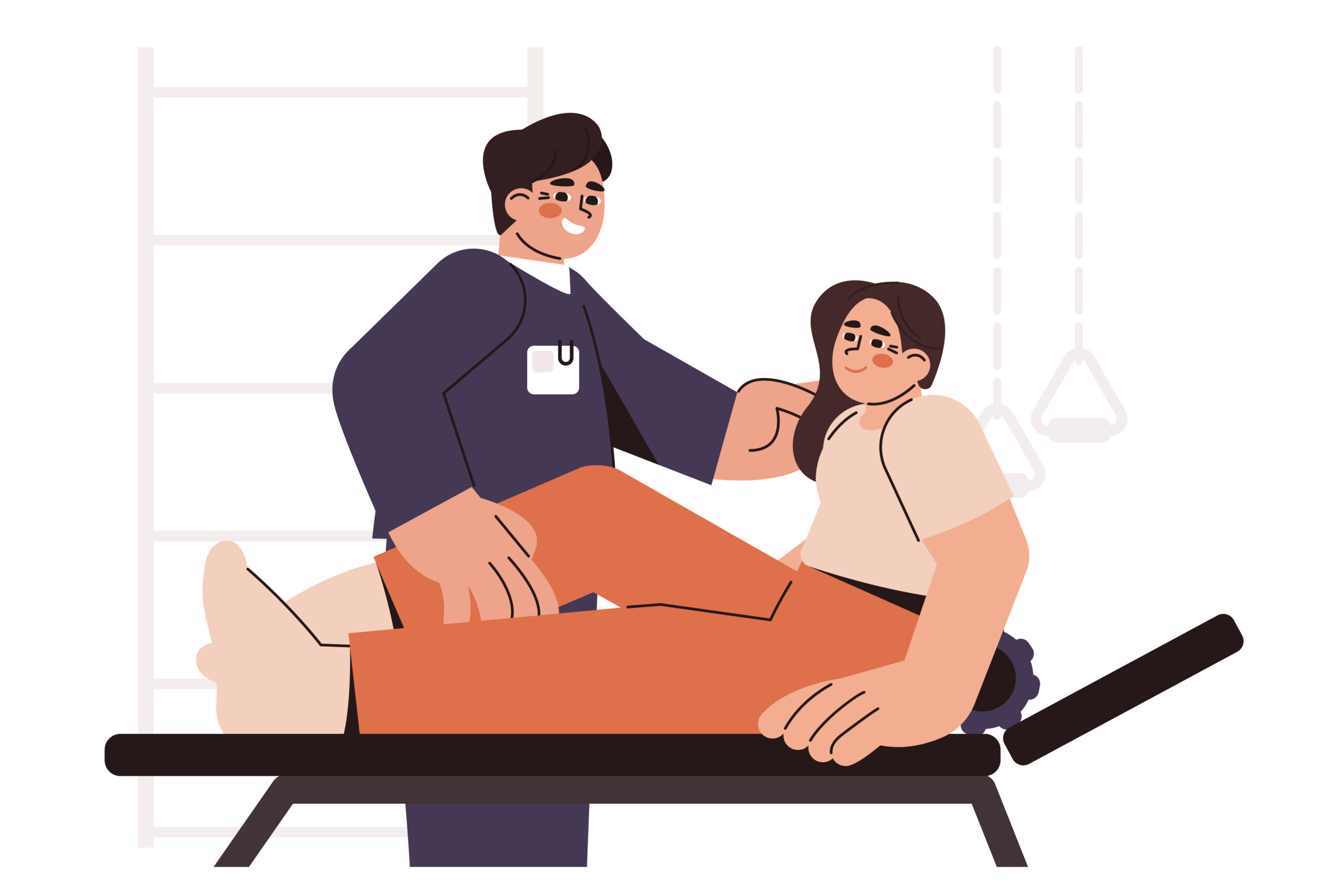
We encourage you to do some simple stretching exercises in between visits. These will help to keep your muscles and joints mobile. Stretching will also allow your muscles to recover from the surgery we have carried out. Using a foam roller, getting a massage or using a tool like the Hyper-Velocity Gun will help to reduce tension in the muscles, increase range of motion and decrease adhesions. Adding 10-15 minutes of SM work 2-3 times a week will begin to notice changes in overall muscle tension, range of motion and overall function.
The use of cold water in the form of an ice bath or contrast showers has become a staple in the mainstream athlete and fitness community. Cold water recovery has been shown to decrease delayed onset muscle soreness and reduce the inflammatory markers that arise from strenuous exercise.
Everyone focuses on the cold shock physiology on the body but the mental benefits have been just as surprising. I get a ton of reports about the positive impact on their mood, less anxiety and feeling mentally tougher. Beyond the Physical: Cold Shock Therapy | Ice Bath While dealing with chronic pain, inflammation and long recovery times from exercise is all too common many of us are left wondering if there are better alternatives than what has been provided by conventional fitness and healthcare.
Pulsed Electromagnetic Field (PEMF) therapy, also referred to as Pulsed Electromagnetic Fields (PEMFs) or simply as PEMF, is arguably one of the most powerful recovery tools being utilised, both within the health and wellness space, as well as within the sporting performance sector here in Australia. At its core, a good quality PEMF device uses low frequency electromagnetic fields, in the form of a low intensity, pulsating magnetic field, to stimulate the body’s natural repair mechanisms. The increased cellular exchange, increased protein production, reduction of inflammation and increased blood flow at the cellular level not only acts as a therapeutic agent, but as a regeneration tool. The use of PEMF therapy has been widely utilised within the clinical sector over the last 40 years, and is now beginning to filter through to the wider public, due to the advancements in home and clinical-based devices.
If you are managing a nagging injury, living with arthritis, recovering from an overuse issue, or simply want to bounce back faster between training sessions, this technology is absolutely worth investigating. You can discover PEMF therapy for pain relief and explore how it can become a meaningful and practical part of your recovery routine.
The Mental Side of Long-Term Wellness
Our physical and mental wellbeing are deeply interlinked. To isolate them as most current wellness initiatives do is a misjudgement of huge cost to society. Being tired and sore and bragging about it isn’t something to be proud of. Being perpetually ravenous and being ashamed of what you are eating isn’t sustainable.
I think most of us want to live a life we love and I believe that this is possible for all of us. When we talk about building a life we love, we are talking about creating a lifestyle that we actually enjoy. So in building a life we love, we should enjoy the exercise we get, enjoy the food we eat, have sustained energy levels, and be able to rest and recover properly. All the other factors that affect health will only remain important as long as people’s health is not sustained.
Stress management is a topic that gets talked about way too little in the fitness and wellness community. Stress is a major contributor to elevated cortisol levels, poor sleep, sluggish gut motility, and an array of other negative effects on the body that can hinder progress in the gym and hinder your recovery rate. You can’t just focus on movement, you also need to consider adding time in nature, art, social activities and/or mindfulness to your routine. Stress management and finding ways to un-stress or decompress in a healthy way is very important to feeling good and feeling strong. Life and training can be very stressful and we all need time to unplug and recharge.
While breathwork can be incredibly powerful, it doesn’t have to be complicated or time-consuming. You can simply commit to breathing for 10 minutes in the morning and experience a calmer nervous system, moving out of stress and into a calm, alert state.
The consistency of daily habits and behaviors is what gives them the power to affect change and make an impact. It is not always the length of time that we spend doing something but the consistency of the action that has lasting effects. Journaling is probably one of the most under-utalized wellness tools out there. Writing down your intentions, monitoring what is and isn’t working, and logging how your body reacts to different foods, exercises and routines can be a really powerful self-regulating tool. It gives us a ton of insight and helps us make the best choices for our own unique bodies.
The more you listen to your body and honour what it is saying, the more self-knowledge you will build over time. And the more self-knowledge you build, the more you will realise that it is far easier to understand your own body and patterns than any pre-determined programme could ever hope to. Social connections and community also have a very significant impact on long term health outcomes, which is often not fully recognised. People with good social connections and who receive support for health improving behaviours are more likely to sustain health promoting behaviours in the longer term.
When you start to really think about your tribe, you might realize that it’s not always that obvious where people fit in. Your tribe could be your running community, a running group, an online community centered around wellness, or even just a group of friends who live a similar lifestyle and hold similar values to yours, which motivates you to be the best version of yourself.
Building It All Into a Lifestyle That Lasts
Healthier people are not necessarily those with the most restrictive diet or regime of exercise. Rather they are those who have managed to establish a way of life which they can easily maintain over years, if not for life. Something they can afford and enjoy doing each day, without having to resort to short-term attempts to try and change their habits.
Begin with 1-2 modest changes. A good starting point is to switch to a whole food protein source and try doing 3 structured workouts per week. And that is where it all starts. You add more sleep. You add more vegetables. You add one more strength session. You add one more recovery session. You add one more mobility routine.
Pay attention to the subjective and the objective. Your energy levels, your mood, your cognitive function, your libido and your sleep are some of the first and most reliable indicators that things aren’t right on a very general level. The number on the scale doesn’t even begin to tell the story. Patience is severely underrated and underappreciated in the wellness industry. Real, sustainable progress doesn’t happen in a day. The compounding effect of our daily habits is often heavily underestimated and I believe the impact is rarely fully understood until it is seen firsthand.
The person that shows up every day and gets a little bit better will always last longer and accomplish more than the person that explodes after 3 weeks of trying to be a superhero version of themselves. Your environment is more powerful than motivation. Your social network, your access to information, and the communities you join can either make changing your ways a struggle, or be so easy that you hardly have to think about it. Get your environment right and everything else will follow in far less time and with far less effort than you can imagine.
The essentials of a healthy life for real, based on 3 cornerstones that are interdependent and cannot function without each other: nutrition, physical activity and rest. You spend a lot of time with other people, so connection to others has a huge impact on what you do every day. These 2 elements of your life are foundational to your physical performance, long term health and wellbeing, mental adaptability, emotional intelligence and overall quality of life.
Start where you are. Use what you have. Make one better choice today than you made yesterday. That is the only framework you need to build a body and a life you are genuinely proud of.
Written by prachijaiswal.mngr@gmail.com

