As your clients start to experiment with intermittent fasting, time-restricted eating, or longer windows of fasting, you might start to hear them mention muscle cramps, tightness, fatigue, stiffness, or similar. As a manual therapist, it’s not your job to diagnose nutrition/medical stuff, but you should understand the concept of fasting and how it might impact hydration, electrolytes, muscle contraction, and client comfort. Of course, cramps that arise during fasts aren’t really about one single variable. Instead, hydration, mineral intake, exercise/sweat load, caffeine, sleep, and neuromuscular fatigue may all play into it.

Why Do Fasting Clients Often Mention More Cramps or Tightness?
Fasting doesn’t directly cause muscle cramps in a deterministic way. Instead, it sets up a number of conditions that increase probability for some clients. This is because extended periods without food, and sometimes without fluids depending on the fasting protocol, may reduce mineral intake during the fasting window.
If the client exercises fasted and sweats, and doesn’t replace minerals and hydration, tissues can become very stiff. For clients who fast regularly, hydration advice should go beyond “drink more water.” During a fast, fluid shifts and reduced food intake can make it harder to maintain the mineral balance needed for normal muscle contraction and relaxation. This is where a fasting-safe option like electrolytes for fasting can make sense, especially for clients who want support without sugar, calories, or sweeteners that may interfere with their fasting routine.
Often clients will also ingest more caffeine. Carbohydrate depletion affects hydration status too. All of these variables may contribute to nighttime cramps, or cramps during exercise while doing a fasting routine.
What Should Manual Therapists Listen for During Intake?
As always, manual therapists aren’t here to offer nutritional guidance, but we can ask questions that provide useful context. Here are some additional questions to provide context during intake when a client mentions intermittent fasting or focusing on electrolytes/hydration:
- What’s your fasting window?
- Is this intermittent fasting, alternate day, or what?
- When do the cramps occur—during fasting, after eating, at night, during activity?
- Do you exercise while fasted?
- Do you sweat a lot when you exercise or work?
- How’s your water intake before, during, and after the fasting window?
- Do you consume caffeine during fasting?
- Any recent diet changes?
- Are the cramps new, severe, recurrent, or worsening?
- Do you have medical conditions or take meds that affect hydration or minerals?
These questions could help a therapist understand more context without crossing scope boundaries.
What’s Happening Inside the Muscle When It Cramps?
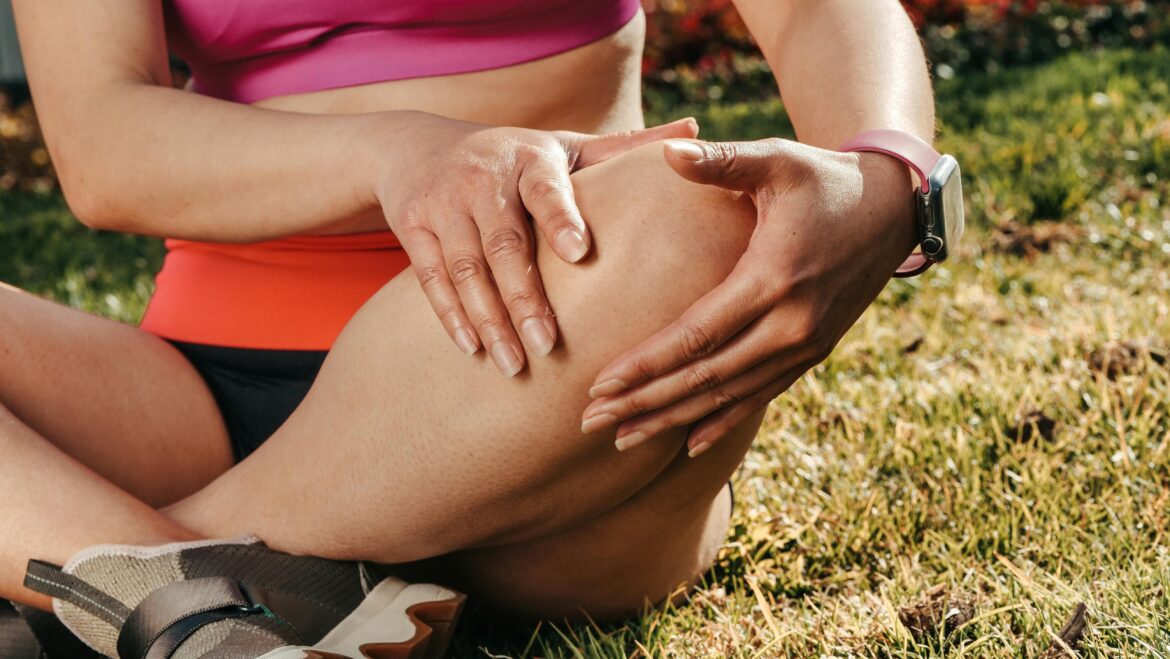
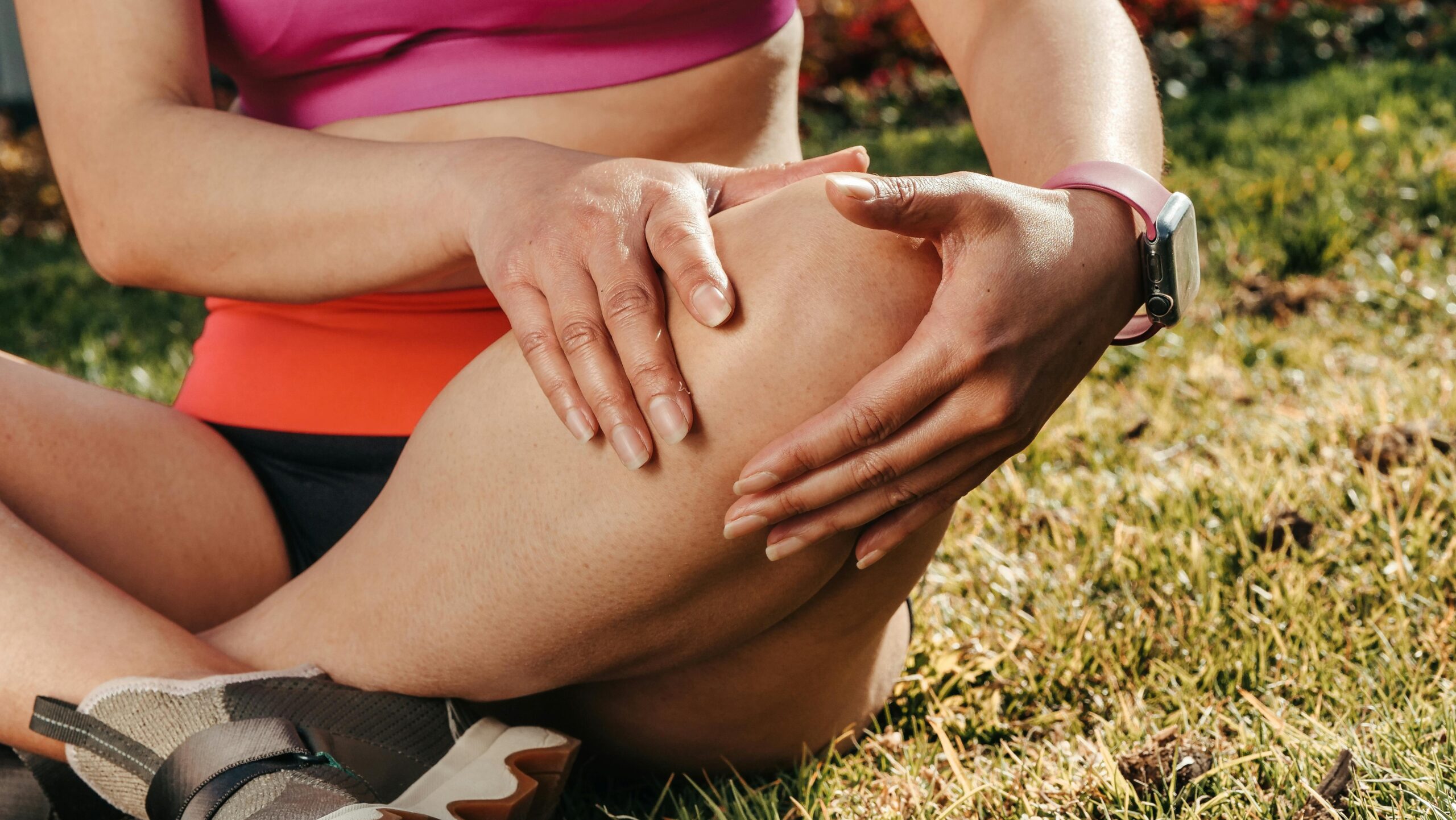
A muscle cramp is an involuntary muscle contraction. Normal contraction/relaxation of muscles depends on nerve signaling and optimal minerals in the body. The electrolytes sodium, potassium, magnesium, calcium, chloride, etc., are important for nerve impulses, fluid balance, muscle contraction, and more. Physical fatigue can also cause the neuromuscular system to become hyper-irritable. Neuromuscular fatigue, combined with dehydration and mineral depletion common in fasting regimens, can exacerbate symptoms for some people.
Why Does Electrolyte Balance Matter for Fasting Clients?
Fasting clients also often hydrate only with water to manage hunger, but plain water alone may not address systemic muscle tightness if mineral balance is low. Sodium, potassium, magnesium, calcium, etc., help support normal muscle contraction/relaxation and cellular hydration. Alongside the metabolic effects of fasting, maintaining electrolyte balance may support neuromuscular stability and reduce the likelihood of these spasming-type symptoms. Manual therapists shouldn’t tell patients to take this or that every day, but the concept of electrolyte depletion and fasting should come up. Therapists can help promote awareness around hydration and mineral intake as appropriate.
Why Plain Water Alone Isn’t a Good Solution
Hydration matters for tissues, but plain water alone won’t replenish all minerals. Drinking a lot of water alone with no minerals may not be sufficient for fasting clients to improve systemic tissue stiffness. Yet, cramps occur due to other factors too—overall neuromuscular fatigue, acute local fatigue, poor posture, training loads, nervous system hyperactivity, among others. Manual therapy can help reduce localized tightness, yet the overall cause may stem from lifestyle factors. Hydration, electrolyte awareness, scheduled recovery, gentle stretching/muscle recovery/fascia, and load management are what’s needed to address this.
How Manual Therapy Can Help But Not Fix
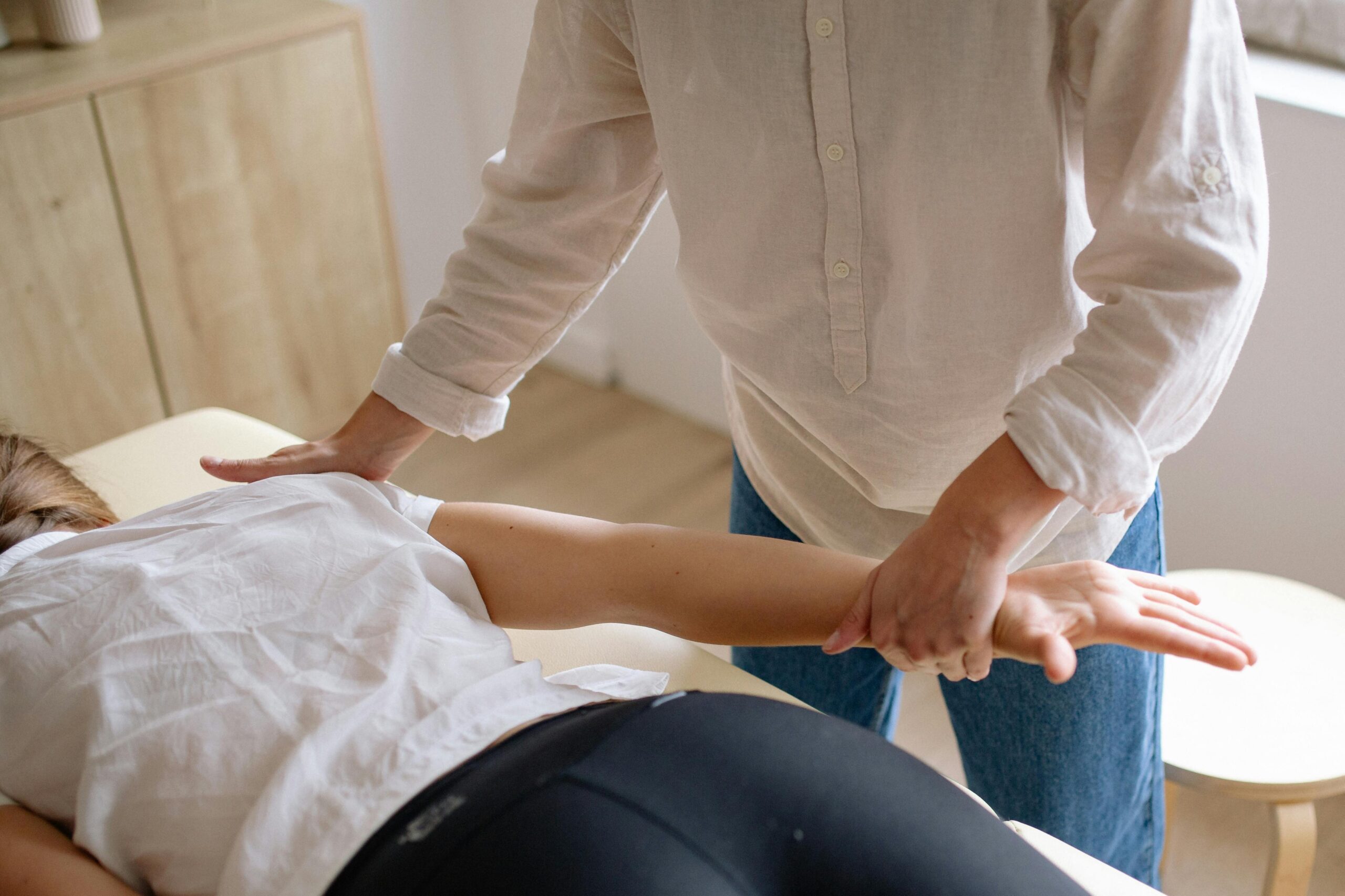
Manual therapy can work well to support clients who get cramps/tightness during fasting windows.
- Soft tissue work can help reduce apparent tightness.
- Gentle stretching can improve perceived comfort.
- Relaxing massage promotes parasympathetic nervous system downregulation.
- Movement education can help avoid overloading muscles during fasting.
However, please observe clinical limitations: manual therapy doesn’t replace proper hydration, and there may be an underlying medical electrolyte problem. You can’t diagnose mineral insufficiency related to fasting. If there’s severe/worsening spikes, then advise the client to seek medical input.
Red Flags: When Fasting Cramps Require Referral
One thing is knowing when fasting-related cramps should be medically evaluated. If severe, unusual, or persistent cramps don’t improve, then refer out.
Important Red Flags:
- One-sided swelling or pain (needs immediate evaluation).
- Dizziness, fainting, confusion, or weakness.
- Chest pain or shortness of breath.
- Cramping with numbness, tingling, weakness, or other neurological symptoms.
Make sure clients with kidney, heart, or endocrine conditions get specialized clearance. Pregnancy also is a special case here. Also suggest medical input if concurrent meds affect hydration, blood pressure, or electrolytes, and this started happening after a big diet change.
Practical Client Education Tips Related to Fasting/hydration/muscle Comfort
Non-diagnostically, remind fasting clients to:
- Hydrate well before and after fasting windows.
- Watch for red flags of recurrent cramps, headaches, dizziness, and unusual fatigue.
- Be careful with intense training during long fasting periods.
- Replace minerals where needed, and responsibly break fast if symptoms worsen.
- Always stretch gently and not hyper-force a cramped muscle.
- Track when cramps occur to find physiological patterns, and refer to medical care if frequent or severe.
Next Steps for a Practitioner Manual Therapist
No need to become an expert on fasting, but understand the impact on hydration, electrolytes, muscle contraction, and client comfort. When your client fasts and presents with cramps or weird tightness, ask better questions, consider hydration/recovery factors, stay within scope, and refer out if concerning. This knowledge can help make manual therapy sessions safer, more informed, and more useful for clients.
Written by missmaria.razalo19@gmail.com