
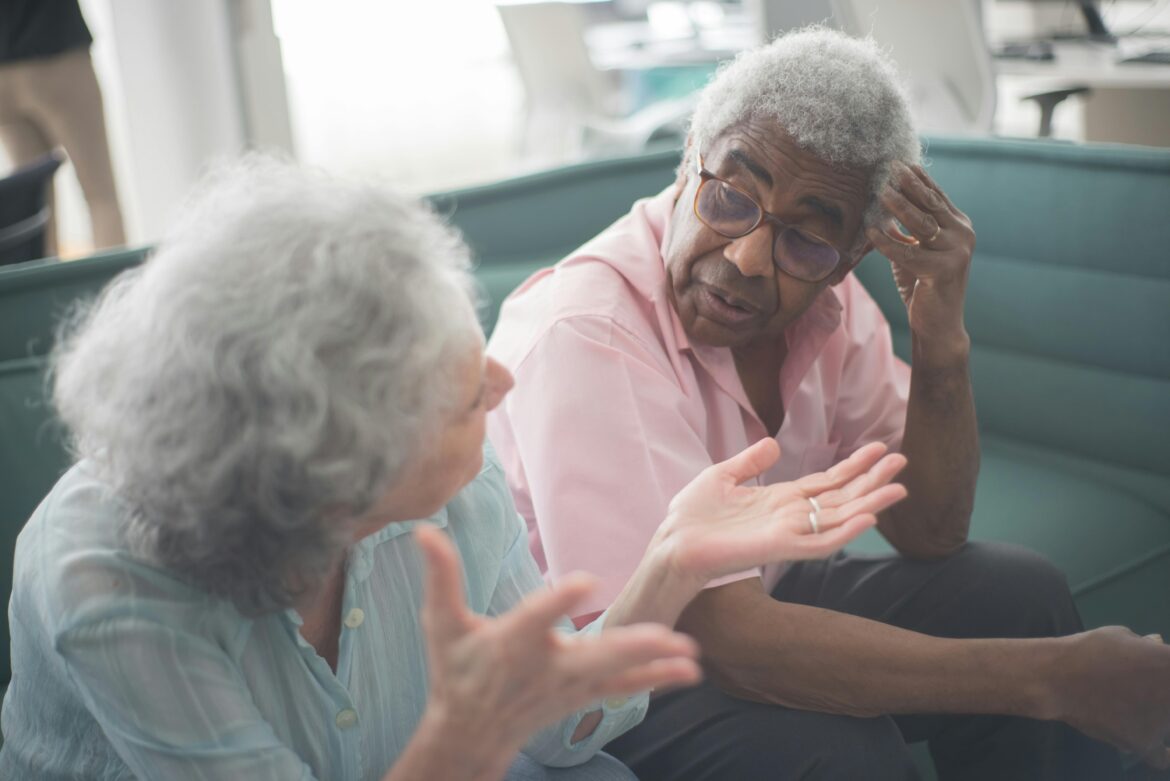
Even the steepest decline does not start suddenly. Over time, people may gradually lose strength, experience a decrease in balance ability and an increase in the effort required to walk. It is only when a marked change in human movement occurs that the decline from falling becomes obvious.
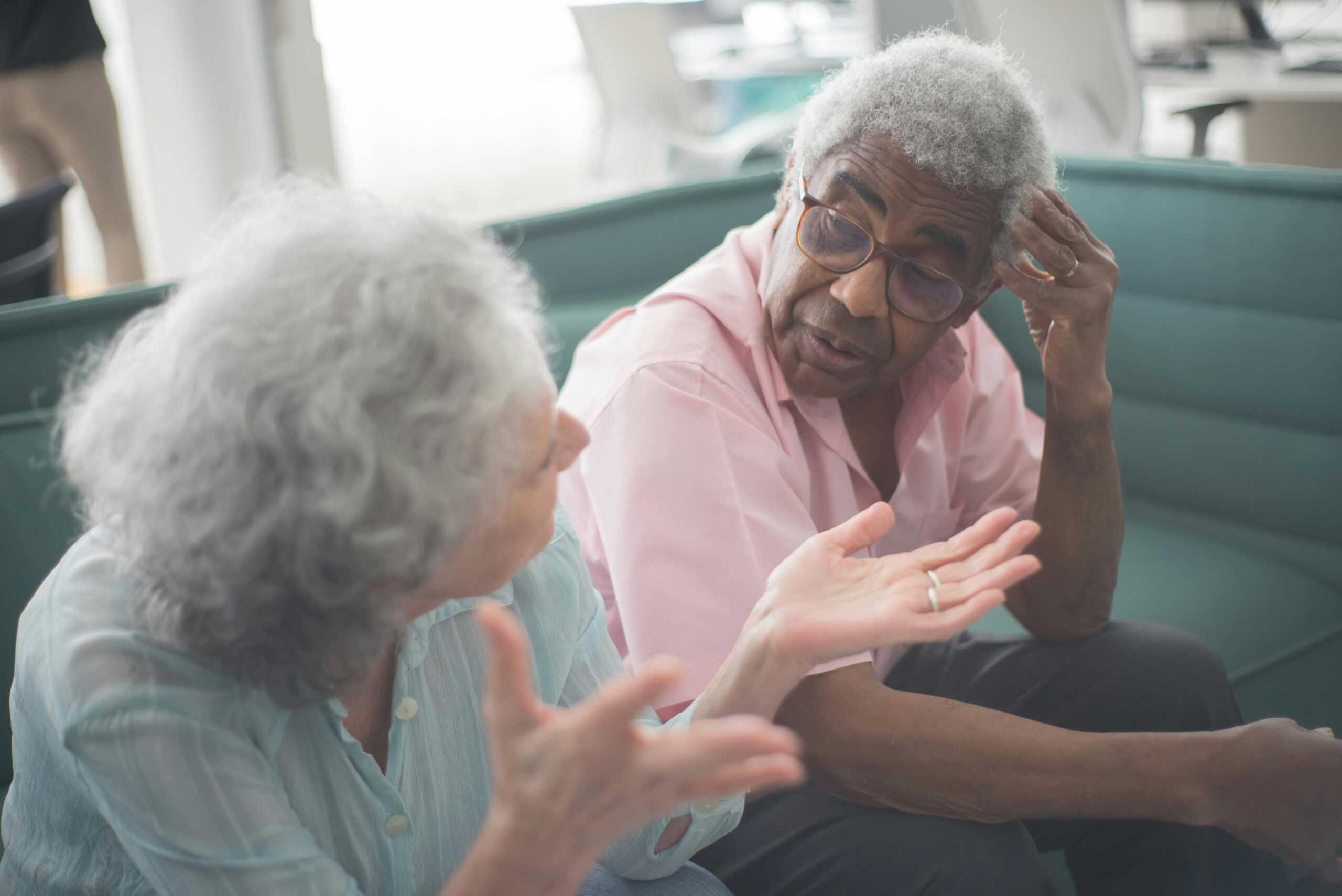
Muscle Strength as the Foundation of Stability
Muscle strength can affect posture and the ability to manage weight shifts during movement. Strength of the lower body muscles is responsible for moving most of the body’s weight during activities such as standing, walking and turning. Over time, the muscles of the hips, thighs, and lower legs that support these activities can weaken, leading to less coordinated performance of daily activities and decreasing an individual’s ability to self-manage the aftermath of a fall or unexpected weight shift.
Weak lower-body muscles can begin to affect gait and movement in subtle ways, prompting individuals to avoid activities and modes of exercise that they used to enjoy. If left unchecked, these adaptations can limit an individual’s current level of mobility and impair their ability to perform more demanding tasks.
Movement Quality and Neuromuscular Control
Having strength is not as valuable as having strong strength that you can effectively apply in movement. Movement quality refers to aspects of movement such as timing, coordination, and variability.
When a person has poor neuromuscular control, their reaction time decreases, their foot placement is less accurate, and the movement becomes less reliable. Compensations like a forward lean or a shorter stride are quick fixes that decrease stability.
Gait, Balance, and Functional Movement Patterns
The essential components of walking include balance, gait speed, and stride length, as well as the continued accurate and coordinated movement of all the muscles in the lower limbs. As people get older, their gait characteristics change. However, these changes in gait do not necessarily translate to safe walking. People who are older walk more slowly and take shorter strides, which increases their risk for tripping over rough road features, particularly during turns.
Turns in walking require precise coordination of the trunk, pelvis and legs to execute the turn safely and successfully. When older adults have difficulty performing such transitions, they often exhibit hesitation and lack of precise timing that ultimately results in a misstep.
Additionally, decreased mobility and fear-avoidance of walking can lead to reduced physical activity, which in turn reduces physical capacity for performing safe mobility. This reduced mobility can lead to an increased risk of falls.

Why Falls Often Lead to Serious Injury
Falls can have particularly serious outcomes for older adults due to their decreased bone density, weakened muscles and slower protective responses. As a result, the body is unable to change position in time to fall in a different direction. As a result, the force of the fall is absorbed by weight-bearing bones and joints such as hips, wrists and spine.
Falls have slow recovery time and older adults who have experienced a fall may be hesitant to go out due to fear of having another fall. This in turn can affect activity levels, which in turn can affect bone and muscle strength and physical abilities to cope with a fall. Fall prevention is crucial to maintaining independence and quality of life for older adults.
When Support Systems Fail in Assisted Environments
Many older adults need some degree of help to move safely through the day, especially in nursing homes and other care settings where mobility support is part of routine care. That support may include assistance with transfers, walking, supervision, or moving through spaces that are cluttered or poorly arranged.
Problems arise when those systems break down. A delayed response, a poorly managed transfer, or an unsafe environment can turn a manageable situation into a dangerous one.
Some fractures in care settings deserve closer attention for exactly that reason. They are not always an unavoidable result of aging. In cases where inadequate support or supervision may have played a role, families may choose to get legal help for a nursing home fracture injury to find out whether proper standards of care were followed.
Bringing environmental safety and support systems into the conversation gives fall prevention a fuller and more realistic context. Physical capacity matters, but so do the conditions in which movement happens.
Long-Term Muscle Health and Resilience
Reducing fall risk is rarely about one short program or one isolated exercise session. It depends on maintaining muscle strength and movement quality over time.
Strength training, balance work, and functional movement each play a role. Together, they help support the physical resources needed for daily tasks while also improving confidence and reducing hesitation during movement.
There is a broader health picture here as well. Stronger muscles and better movement support circulation, mobility, and daily function, extending beyond fall prevention. For a closer look at how muscle health supports overall well-being in older adults, it helps to view fall risk as part of a broader conversation about healthy aging.
Long-term progress usually depends on adjusting the plan as needs change. Bodies change, health status changes, and movement support needs to change with them.
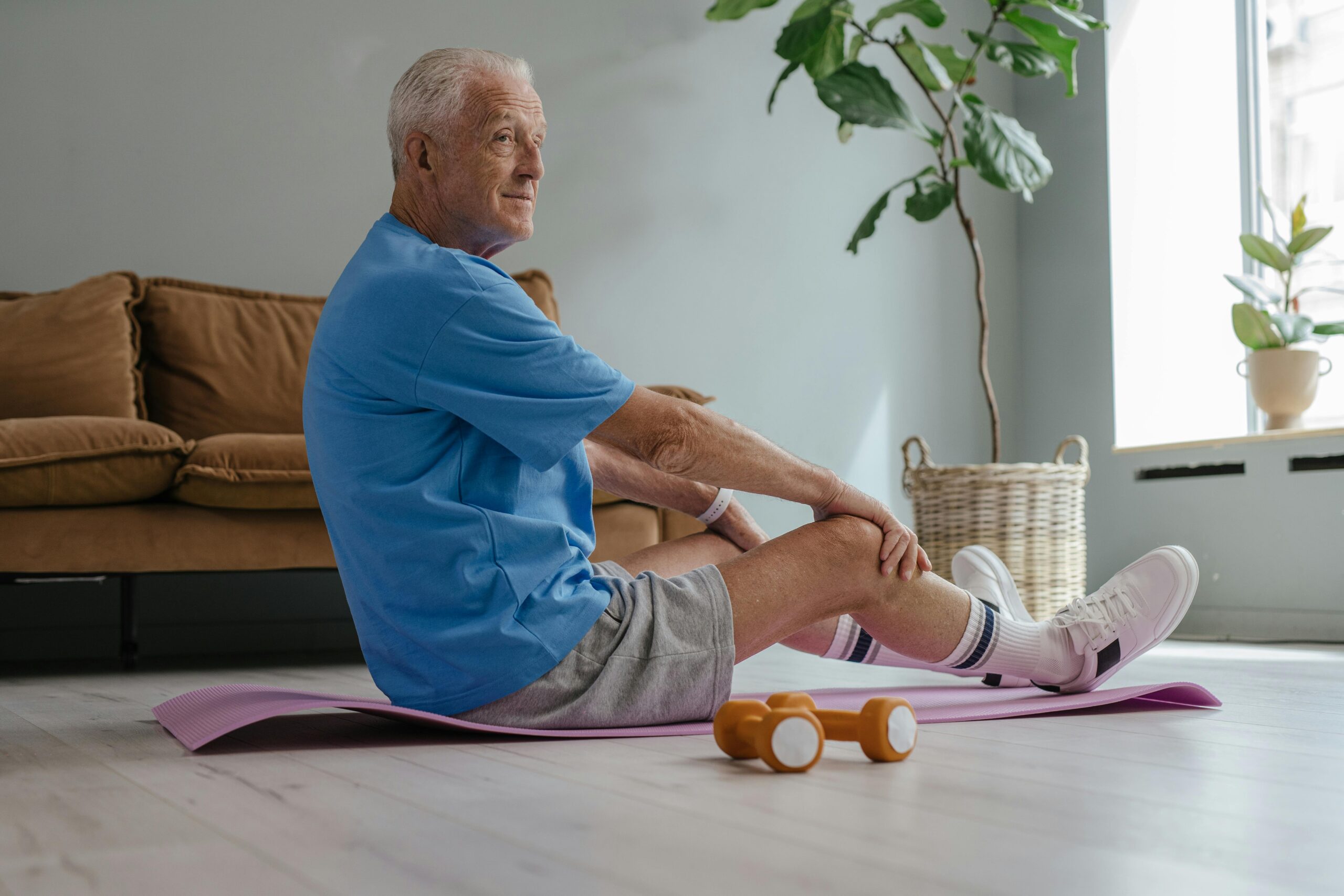
Broader Perspective on Fall Prevention
Fall prevention is a major public health concern in older adults, and many of the factors involved are modifiable. That means there is meaningful room for prevention through better physical preparation, stronger support systems, and safer environments.
Public health guidance consistently points toward the same core strategies. Strength work, balance training, and attention to environmental safety, as outlined in the CDC’s guidance on preventing falls in older adults, can help create a stronger foundation for safe daily movement.
Conclusion
Muscle strength and movement quality shape how safely older adults move through daily life. When strength declines and coordination becomes less reliable, even ordinary tasks can become less steady than they once were.
Understanding those physical changes makes fall risk easier to address. Better strength, better control, and safer surroundings can all help reduce risk in practical ways.
Over time, those efforts build a stronger foundation for stability, confidence, and independence.
Written by Jason Lee

