
The elbow is one of the most frequently used joints in the human body, yet many people do not realize how vulnerable it becomes under constant repetitive motion. Individuals experiencing ongoing pain, weakness, or limited mobility often seek guidance from an elbow surgery specialist to better understand advanced treatment options for chronic elbow conditions caused by overuse injuries. Whether the strain comes from sports, physical labor, office work, or repetitive exercise routines, repeated stress on the elbow can gradually damage tendons, muscles, and joint structures over time.

Why Repetitive Motion Places Stress on the Elbow
Elbow injuries can cause serious damage to arm function. This can happen as a result of repetitive activity. The elbow is a joint which allows us to bend our arm, rotate it and lift it. As a result, it is subject to a lot of stress. Even short periods of repetitive activity are just as likely to cause injury as long periods and even small movements that are repeated over and over could cause damage to the tendons and ligaments surrounding the joint. This can lead to chronic inflammation or degeneration of the joint over weeks and months. Most elbow injuries are thought to occur in athletes but can actually occur in anyone who participates in repetitive activities of daily living. This includes computer users, mechanics, and warehouse workers who are involved in lifting on a daily basis. The repetitive motion of even small actions can cause cumulative stress on a joint, leading to weakened tissues and ultimately to injury.
Common Conditions Linked to Repetitive Arm Movements
Tennis elbow is the name given to lateral epicondylitis of the elbow. It is a repetitive use injury to the outside of the elbow caused by gripping, lifting or movement of the wrist in extension. This places great stress on the outside tendons of the elbow and causes inflammation of the affected tissue. Symptoms of tennis elbow include pain around the outside of the elbow, particularly with activities such as carrying objects or even simply shaking hands.
Golfers elbow is a similar condition on the inside of the elbow caused by repetitive wrist flexion or gripping. Another condition caused by repetitive strain on the elbow is known as medial epicondylitis or golfer’s elbow. This affects the inside of the elbow, typically caused by repetitive wrist flexion or gripping actions. It can also affect anyone that performs actions of gripping, lifting or throwing for long periods of time such as construction workers, hairdressers, musicians and some health care workers. Interestingly, although the term suggests it could be brought on by playing golf or tennis, this is not the case for most sufferers.
How Chronic Damage Develops Over Time
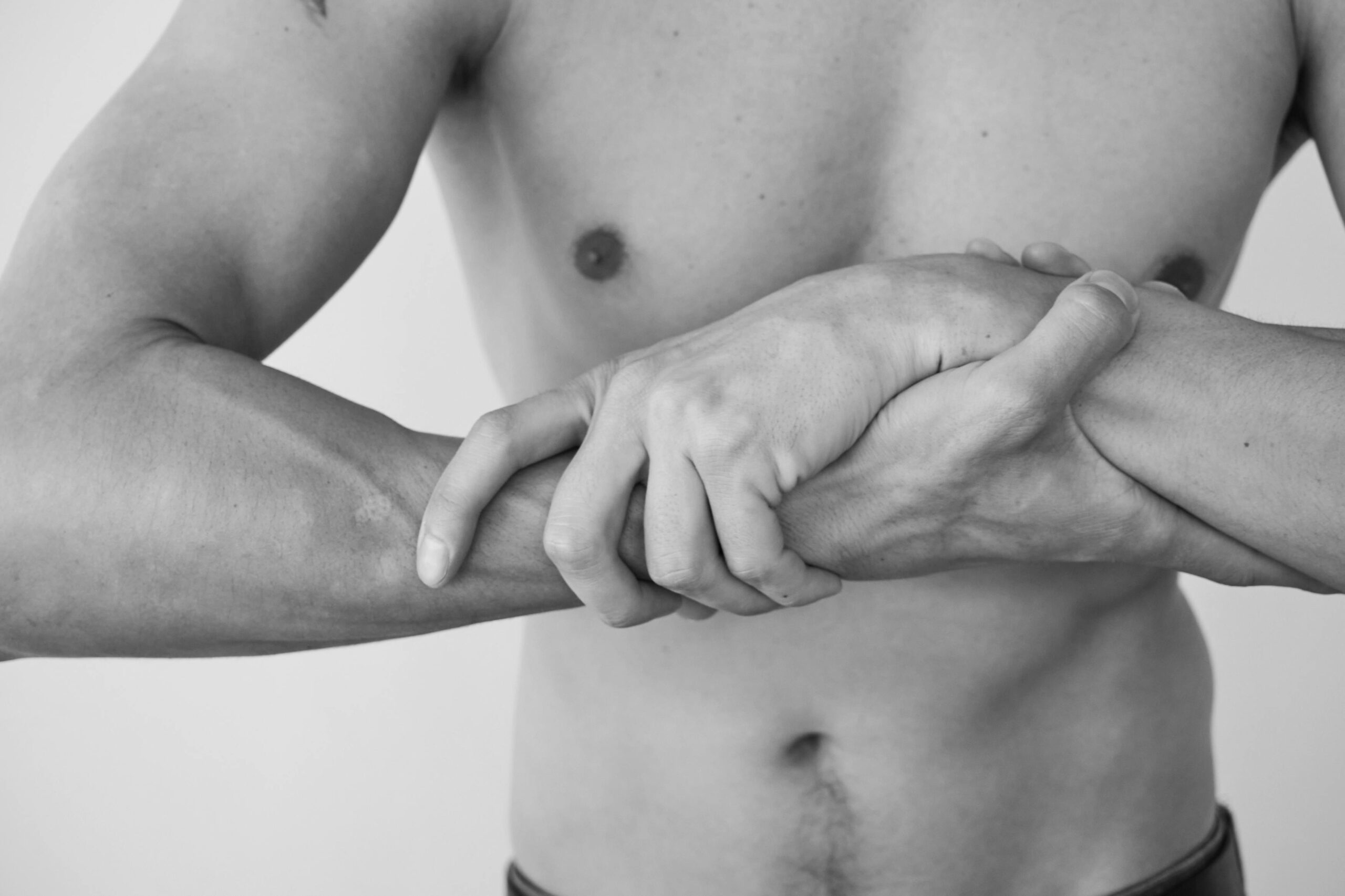
Many elbow injuries begin with mild discomfort that people initially ignore. A small ache after activity may seem harmless, but continuing the same repetitive movements without proper recovery allows inflammation to persist. Over time, the tendons lose their ability to heal effectively, which can eventually lead to chronic degeneration rather than temporary irritation.
As the condition worsens, the elbow may become weaker and less stable during normal movement. Some individuals notice stiffness in the morning, reduced grip strength, or pain that radiates down the forearm. In more advanced cases, even simple activities like lifting a coffee mug or opening a door can become difficult and painful.
The Role of Poor Technique and Muscle Imbalances
Even slight variations to your routine will place additional strain on the elbow joint. It’s how you do your job on a daily basis that affects how you use your arm and hand. The way in which you lift items and perform daily tasks could be placing uneven stress on your elbow. Weakness in your shoulder, wrist and upper back can mean that your elbow is called upon to compensate placing additional stress on the tendons of the elbow leading to further irritation potentially resulting in a case of tennis elbow or golfer’s elbow.
However, another major cause of chronic elbow pain is muscle imbalances. If there are imbalances in the in a poor position to absorb stress. The forearm muscles can become tight while the elbow stabilizing muscles can become weak. This puts excessive stress on the tendons of the elbow. Even though pain and inflammation may be relieved in the short term with various treatments, the underlying causes of the condition will continue to cause problems.
Why Early Treatment Is Important
Early diagnosis and treatment for elbow injuries is critical to ensuring the proper healing of any damaged tissue and to preventing further injury or additional pain. For many elbow injuries, the initial treatment typically consists of physical therapy and/or the use of an elbow brace in order to assist the injured area in returning to full function as quickly as possible. If left untreated, elbow injuries can often lead to the development of additional injuries or conditions in other areas of the body, such as the wrist, shoulder or neck. These additional injuries or conditions can occur as a result of the individual with the elbow injury altering their typical posture or manner of completing tasks in order to avoid placing additional stress on the injured elbow. Prolonged elbow pain that lasts more than a few months or interferes with daily activities should be evaluated by a specialist.
A proper diagnosis of elbow pain starts with a physical examination of the affected elbow structures. The examining physician will perform tests to assess the strength and mobility of the elbow structures. Typically, X-rays of the elbow are also taken to rule out any bony abnormalities. Occasionally an MRI may be ordered to evaluate the extent of arm tissue damage. In cases of chronic tendon degeneration, non-surgical methods of treatment may not provide relief from symptoms. In such cases, more aggressive surgical methods may be needed to treat the condition.

Preventing Repetitive Elbow Injuries
One of the biggest contributors to repetitive strain injury of the elbow is individuals not realizing how they can cause injury. Understanding the reasons for your symptoms is key to treating and also preventing elbow injury. In addition to addressing specific reasons for injury, understanding how to stretch and condition tissues around the elbow as well as using good body mechanics for repetitive activities can also help to prevent injury.
Also, many individuals do not realize that incorporating rest and recovery in to their daily routine can help prevent repetitive strain injury. By becoming aware of how ergonomics play a vital role in arm injury caused by repetitive strain, whether it be training for athletic competition or simply going to work each day, an individual can, through consistent practice, arm themselves with the ability to maintain healthy joints throughout their life.
However, arm pain, or elbow pain and subsequent disability caused by repetitive strain, could be alleviated if the correct elbow arm and body movement are used to maximize arm function and thus minimize strain on the joint. A repetitive strain or injury specialist could assess and treat arm pain and thereby establish the most suitable arm movement.
Written by lisa@blogoutreach.co.uk