
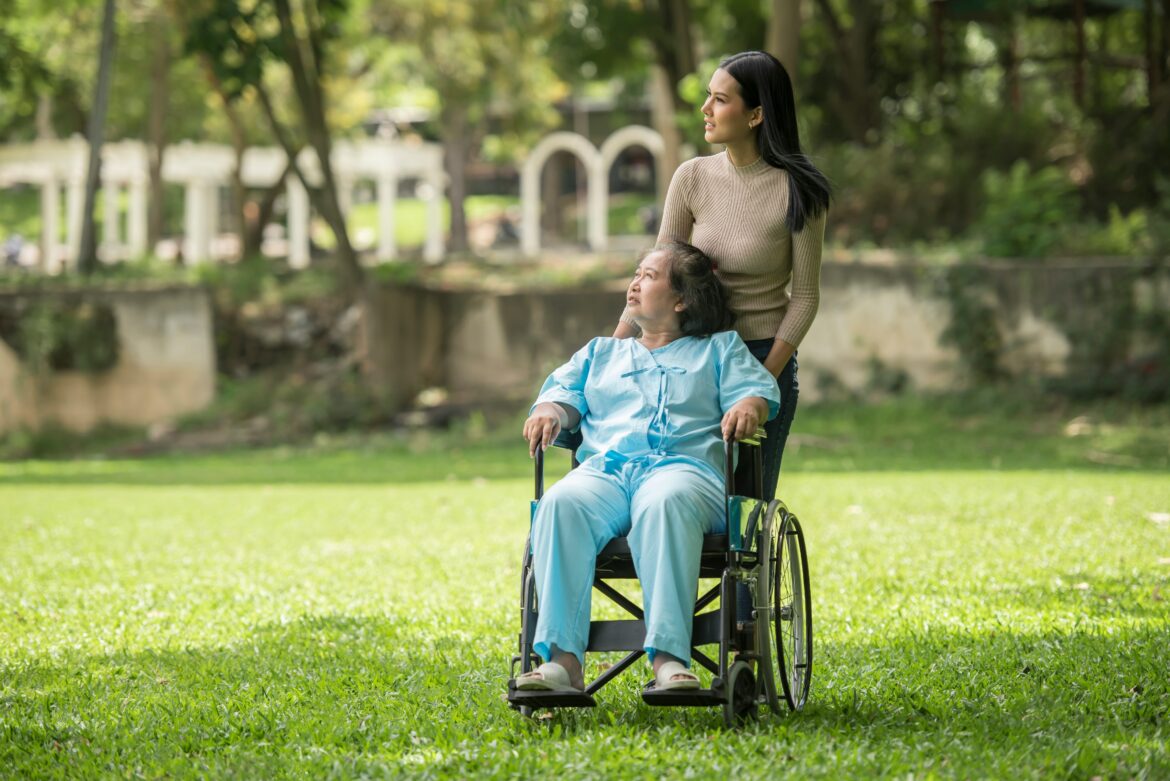
Families often search for a setting that can manage blood pressure checks, medication timing, and mobility support without making daily life feel institutional. That balance shapes more than convenience. It affects sleep quality, appetite, confidence, and emotional steadiness. Assisted living works best when medical oversight operates quietly within ordinary routines, so residents can maintain familiar habits while receiving timely help that protects their safety, function, and dignity.
Support That Feels Natural
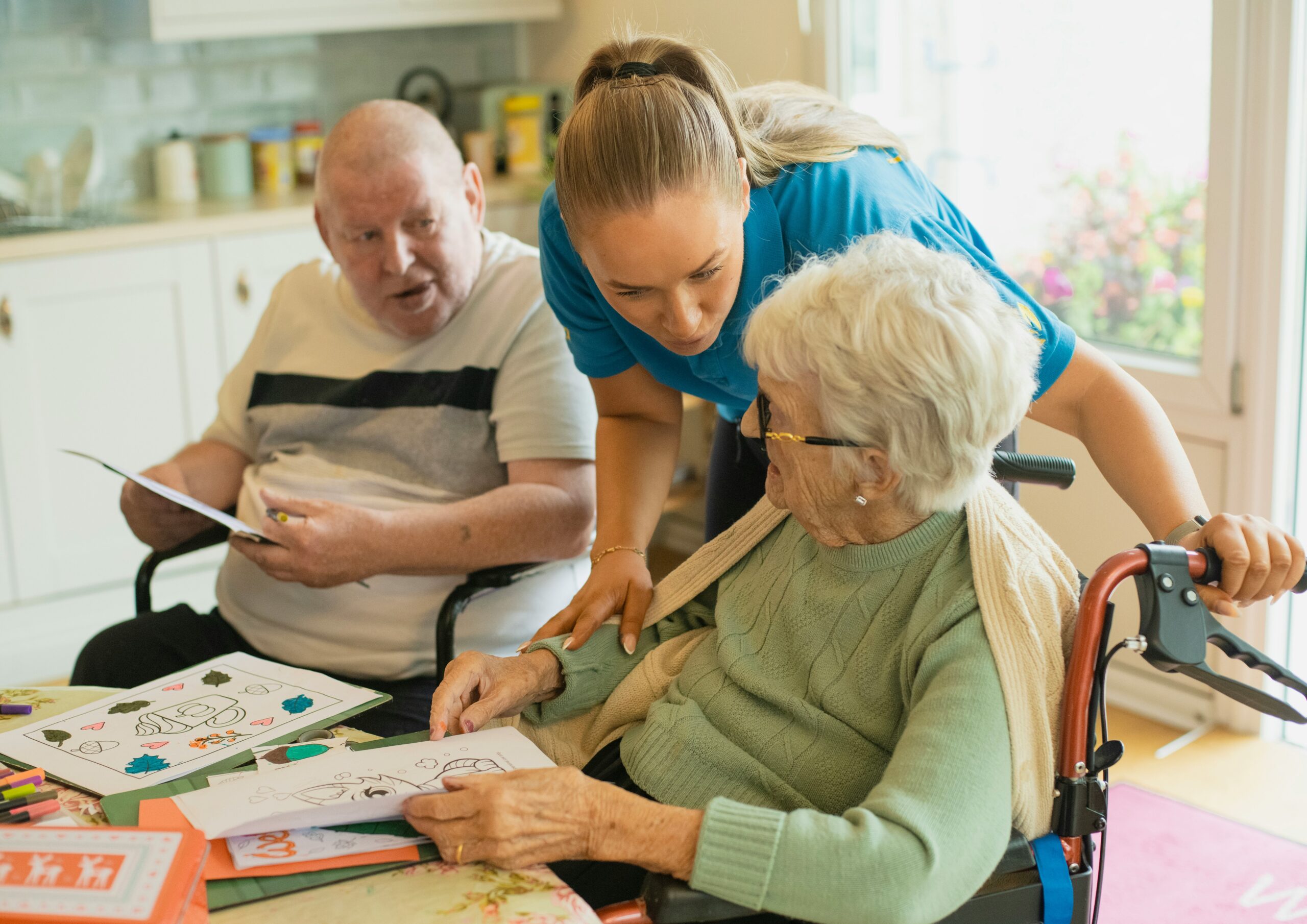
Impactful assisted living rarely announces itself through constant interruption. Help appears at the right moment, then steps back. In communities such as assisted living in La Jolla, residents may receive assistance with dressing, bathing, or medication schedules, while still choosing when to dine, socialize, rest, or join activities. That pattern matters because calm routines can lower stress hormones, support steadier sleep, and make physical symptoms easier to track.
Nursing Presence Matters
Clinical value often begins with observation. A nurse who sees a resident every day can identify ankle swelling, reduced appetite, new confusion, or slower gait before those changes trigger a crisis. Early notice helps a care team adjust hydration, review medications, or contact a physician promptly. Families benefit from that continuity, because decisions rest on repeated contact rather than scattered updates or occasional appointments.
Comfort Supports Health
Comfort has a clinical role, even if it does not look medical. Predictable meal times, private space, manageable noise, and clear daily rhythms can reduce agitation and conserve energy. Familiar surroundings also help residents orient themselves faster after waking or returning from appointments. When a person feels settled, breathing may ease, eating can improve, and cooperation with care usually becomes smoother.
Dining Shapes Daily Stability
Nutrition affects muscle strength, bowel regularity, cognition, and wound recovery. A dining program should support those needs without turning meals into a rigid prescription. Appealing food, proper texture choices, and reliable hydration can prevent fatigue or dizziness. Shared tables also carry value. Conversation during lunch or dinner may lift mood, encourage intake, and give staff a natural chance to notice subtle changes.
Movement Keeps Residents Engaged
Physical activity supports circulation, joint range of motion, posture, and balance. It also helps preserve confidence, which often declines after a fall or hospital stay. Walking groups, chair exercises, and guided stretching work well when staff match effort to ability. Progress does not need to look athletic. A resident who rises more easily from a chair or walks farther to lunch has gained meaningful function.
Cognitive Support In Daily Life
Memory support works best when guidance feels steady rather than forceful. Simple cues, familiar faces, and structured activity can help residents stay oriented without excess correction. Staff may redirect gently during moments of confusion, then return attention to music, conversation, or a hands-on task. That approach reduces distress. It also protects self-respect, which remains important even when recall and judgment begin to change.
Spaces Should Work Hard
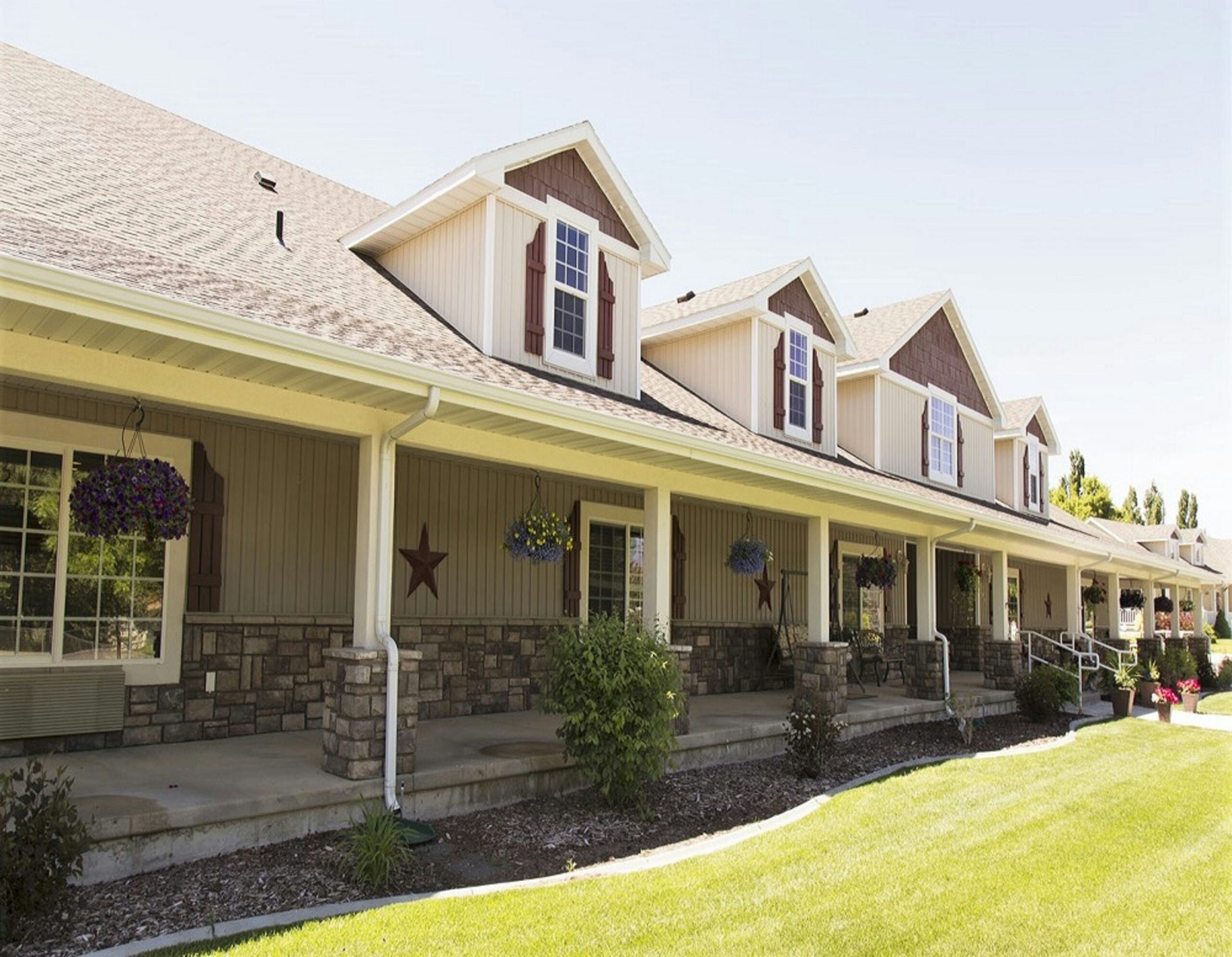
Design of a resident’s environment can greatly impact their safety. A number of environmental factors can contribute to a resident’s safety on a daily basis. If the design of the assisted living environment encourages physical activity on the part of the resident through features such as appropriate lighting, handrails on walls, adequate floor surface hardness, and appropriate signage then the resident is able to move about as needed. Wide hallways that allow for easy mobility with assist as needed as well as well-designed seating areas that encourage resident to sit and remain there for periods of time also facilitate safety for residents. In addition, well-designed private resident rooms enable residents to obtain much needed rest. Residents’ own rooms are where they can be sure to have control over the things that they desire, such as lighting, noise, and other things that impact the environment.
Hospitality Has Clinical Value
Housekeeping, Laundry and Transportation in assisted living are often perceived as having nothing to do with the health care of its residents. These are “amemories” of the services that people receive in their own homes and can free up residents’ energy and time to eat well, be active and have a great social life. Clean floors for example can help to reduce falls and allow residents to have clean clothes to wear each day to promote their skin care and dignity. Safe and reliable transportation can allow residents to attend follow-up physical therapy appointments or even outpatient procedures such as imaging studies in a timely manner.
Families Need Clear Communication
Family members are eager to receive updates from staff that describe the change in a resident’s condition and then describe what staff have observed and what actions the staff will take as a result. Families do not want to receive general assurance that “everything is fine.” Rather, families want to be informed of even slight changes in a resident’s: decrease in appetite, change in bowel movements, unusual side effects from medication, change in sleep patterns and even new difficulties with walking. This type of information is very valuable to families as it allows them to make the best decisions for their loved ones. It also speaks very highly of the trust that families have in the care of their loved ones when they can rest assured that their loved ones are receiving daily care with great attention to detail.
The Best Balance Is Personal
Each resident brings a different medical picture, tolerance level, and emotional history. One person may need transfer assistance and a close review of medications. Another may benefit more from meal prompts, social structure, and a quieter setting. Effective assisted living respects those differences. Support should fit the person, not the schedule alone. When that balance holds, care feels protective rather than intrusive.
Conclusion
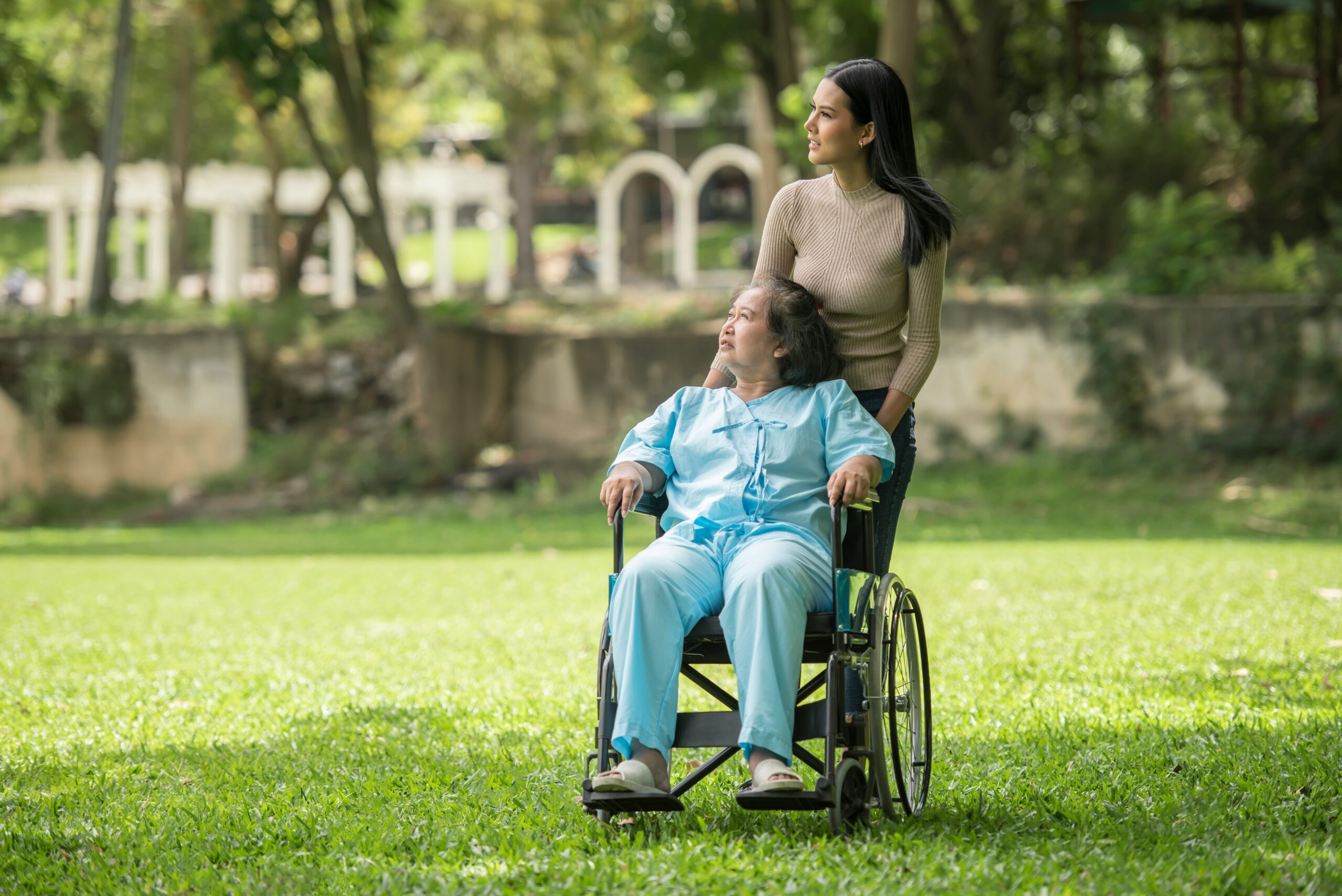
A very important point to remember about healthy and effective Assisted Living Communities is that one person on staff can always provide physical and emotional resources to support the comfort of residents and that the health of observation of residents is always the responsibility of that one person on staff. The healthy and effective assisted living community includes nutritious meals, the physical environment of the resident’s living space, the amount of physical activity the resident is encouraged to get, and support of residents with memory loss or other cognitive impairment and communication with family and friends of the resident. All of these elements support the health, function, safety and personal dignity of all residents in an Assisted Living Community and if any one of the elements is removed it will affect the others in some way.
Written by Daisy Smith