

Your training session was excellent; you slept well; you consumed enough protein. Then what makes you feel exhausted two days later, even after all that effort? People generally attribute their exhaustion to the lack of sleep or proper hydration or even being out of shape. In most cases, however, your exhaustion comes from the small gland in your neck—the thyroid. The imbalance of thyroid hormone production leads to slower muscle recovery.
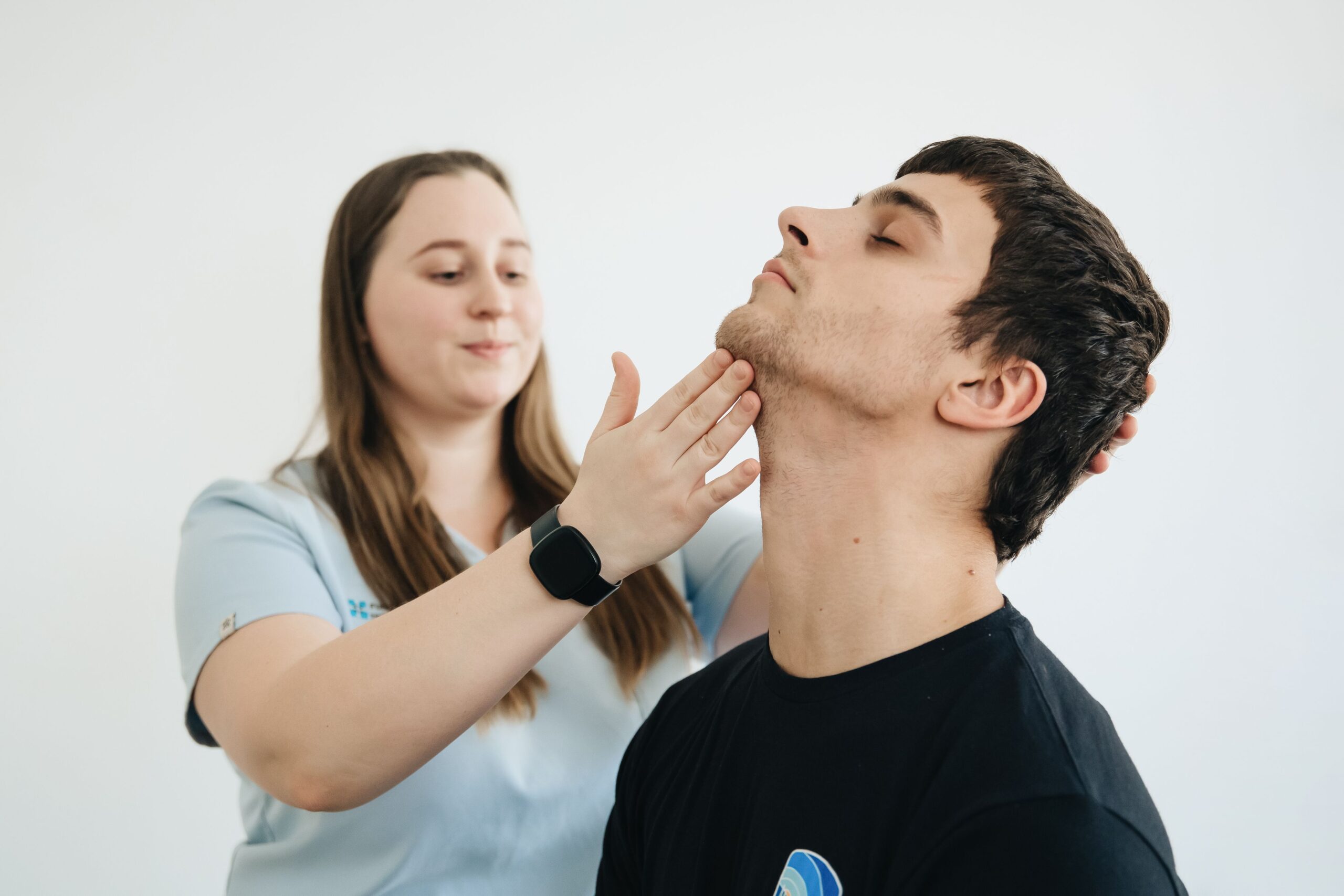
Let’s dive into thyroid hormone effects on your muscles, the reasons why hypothyroidism turns your training sessions into torture, and how to deal with it.
How Your Thyroid Talks to Your Muscles
There are two hormones produced by your thyroid gland: T3 (triiodothyronine) and T4 (thyroxine). The latter is the storage form, which is turned by your body into T3 – the active form that influences your cells. Both hormones are responsible for metabolism regulation at cellular level, including in your muscle cells.
As soon as T3 attaches to muscle cell receptors, there is a boost in protein synthesis, improvement in mitochondria functions and removal of metabolic products like lactic acid. So, T3 is the signal to your muscle cells to recover.
Muscles have high sensitivity to thyroid hormones. Even minor decrease in T3 amount, still in the normal range of thyroid blood tests, can significantly slow down this process.
Post-Workout Soreness That Sticks Around Too Long
DOMS is considered natural, peaking at 24-48 hours post-exercise, with recovery expected between three days in most cases. If the thyroid gland’s performance is insufficient, DOMS may last as long as five or six days, with potential delays beyond that period. Chronic DOMS is one of the key underrecognized symptoms of thyroid gland deficiency. Professional clinical care is needed to discover the reasons and get the necessary treatment.
Why it takes place? Muscle healing depends on protein synthesis and good blood supply. Thyroid hormones deficiency slows down both processes. Lower level of T3 will slow the restoration of muscle cells.
| If you regularly feel sore for longer than three days after a moderate workout, your thyroid hormone levels are worth checking. |
Low Thyroid Function and the Energy Drain After Exercise
One of the first symptoms of a poorly functioning thyroid is experiencing an unexpected level of fatigue after exercising. After only 45 minutes of exercise, you will feel like you have run a marathon. There is actually a physiological reason for this excessive fatigue; it is not a psychological issue.
Hormones from the thyroid play an important part in producing energy in mitochondria, the energy-producing cell structures which need T3 for optimum energy production. In the absence of T3, there will be reduced energy production in the body in proportion to efforts made. Thus, your efforts will be similar but the return in terms of energy will be much lesser.
Cormendi Health can help you with thyroid optimization and explain how hormones affect the physical performance of the body. This problem with thyroid function can be easily solved through proper evaluation.
Muscle Weakness That Training Alone Cannot Fix
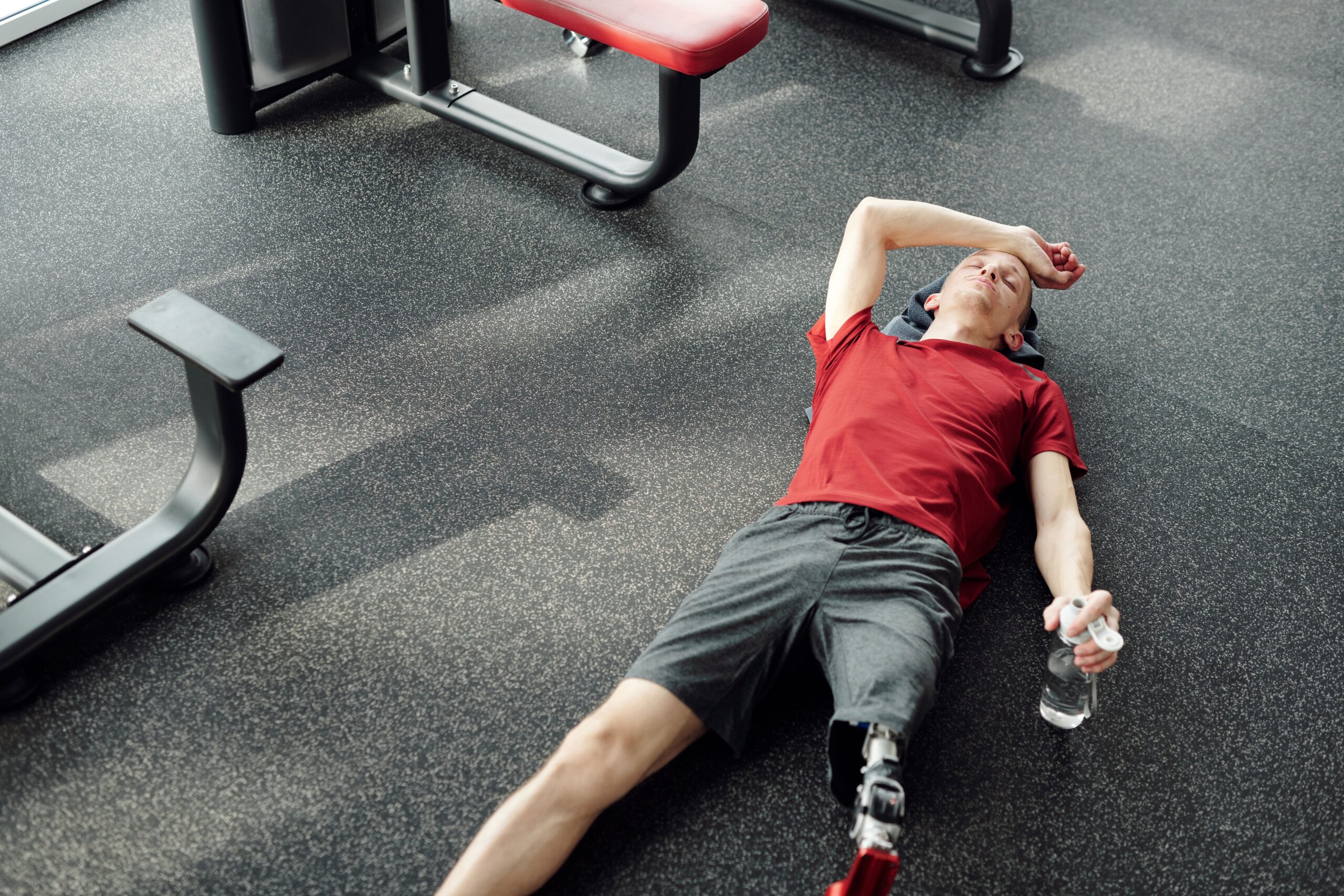
Hypothyroidism leads to the development of hypothyroid myopathy, a peculiar form of muscle weakness that includes generalized muscle weakness and stiffness, as well as cramps in shoulders, hips and thighs. Hypothyroid myopathy is typically viewed as an issue related to being unfit and age-related changes if there are no positive results from the tests.
The fact is that hypothyroid myopathy does not depend on the amount of physical activity performed. In contrast, this may worsen the situation because of muscle tissue alteration due to absence of hormones’ effect.
In case if you cannot achieve success with working out regularly and suffer from severe weakness in big muscles, hypothyroidism can be a reason for this issue.
What Happens When Thyroid Levels Are Optimized
The effects can be quite impressive when the hormone levels in the body are optimized. Individuals will feel their soreness periods shortened, increased energy levels within hours of exercising, and actual muscle growth that they could not experience previously.
The speed of protein synthesis will increase. The mitochondria will produce energy in a more efficient way. The circulation of blood will be improved, and the nutrients will be delivered to the injured muscles in a better way. All of these factors contribute to the process of faster and more effective recovery after each training session.
Also, some individuals may experience such effects as faster normalization of their heart rate after physical activity, better sleep, and motivation for further training. All of these factors are not random at all; they occur because of the proper hormonal message to the body cells.
Getting Tested and What to Ask For
However, the common TSH test does not provide the complete story. TSH tests only pituitary function, but they cannot reveal the current state in muscle cells. To assess the state of your thyroid glands, which affects your recovery processes, request all four indicators: TSH, Free T3, Free T4 and thyroid antibodies (TPO and TgAb).
Free T3 is the key parameter that can reveal the condition of your muscles. There are many cases of athletes with normal TSH levels and insufficient Free T3, and these are the very conditions when your recovery processes become impaired. A competent specialist in the field of sports will assess the results correctly.

Worth Paying Attention To
Workout fatigue and muscle recovery issues are not always training-related. In many cases, this is an issue of hormone imbalance, thyroid hormones being the key culprits. Muscle tissue requires adequate T3 levels in order to heal, regenerate, and produce energy efficiently. With inadequate amounts of this hormone, all the processes related to recovery get compromised.
When you’ve been eating healthy, getting sufficient sleep, working out regularly, and yet continue to be tired after each workout, you need to address the state of your thyroid hormones. Make sure to have a complete panel done and consult a specialist well acquainted with the relationship between thyroid hormone balance and exercise performance.
FAQ
Q1: How do thyroid hormones affect muscle recovery after workouts?
Answer: The function of the thyroid hormones regarding muscle recovery has to do with metabolism. The T3 and T4 hormones increase the synthesis of proteins and mitochondria functioning and assist in removing the metabolic wastes. Reduced levels of T3 will have an impact on the processes making the recovery slower and causing fatigue.
Q2: What is delayed onset muscle soreness (DOMS), and how is it related to thyroid function?
Answer: DOMS is the soreness that occurs 24 to 48 hours after exercising. It is natural that soreness goes away after three days but lower thyroid functioning can lead to DOMS which lasts 5 to 6 days. The reason why it happens is lower muscle recovery and lower circulation in the case of lower thyroid functioning.
Q3: Why do I feel more exhausted than usual after my workouts?
Answer: Feeling disproportionately tired after workouts may indicate low thyroid functioning. The point is that thyroid hormones are responsible for energy production in mitochondria. Lower levels of T3 will cause lower energy production from the same amount of physical activity.
Q4: What is hypothyroid myopathy, and how can it affect my training?
Answer: Hypothyroidism-related muscle weakness or hypothyroid myopathy is defined as the occurrence of muscle weakness due to hypothyroidism. Hypothyroidism-related muscle weakness entails muscle weakness, rigidity, and cramping in the large muscles that cannot be corrected by increased exercising. If you face issues with increasing muscle mass and suffering from muscle weakness, you may need to examine your thyroid activity.
Q5: What should I do if I suspect my thyroid is affecting my workout recovery?
Answer: If you have an issue with fatigue and delayed recovery from workouts while following the right nutrition and working out properly, you should get thyroid tests performed at Cormendi Health. You need to make sure to test TSH, Free T3, Free T4, and thyroid antibodies. It is very important to see a doctor who knows how thyroid hormones affect your performance.
Written by Aurora China

