Most people look at jockeys and think one thing. They are small. Strength isn’t the first thing that comes to mind, especially for people who don’t know much about the sport.
Horses are the main focus, and that’s no secret. But they’re not just sitting there while the horse does the work. That is one of the great lies told by people who never tried to stay balanced on anything more unpredictable than an office chair.
First of all, they are maneuvering a horse that has nearly half a ton of muscle and runs at 40 mph. A jockey has to stay light, stable, and reactive, and have enough strength to stay on top. People who know a thing or two about horse racing and jockeys already know that they are one of the strongest athletes on the planet.
But their strength is hidden. It lives in the core, hips, thighs, back, and shoulders. So, the question is not “Are jockeys fit?” Of course they are. The better question is what their uniquely built bodies can teach us about strength, balance, and muscle development.
The Problem With How We Think About Strength
Most people connect strength with big muscles. Yes, a big chest, big arms, big shoulders, and that bodybuilder style of body look scary, but jockeys are all about different types of strength.
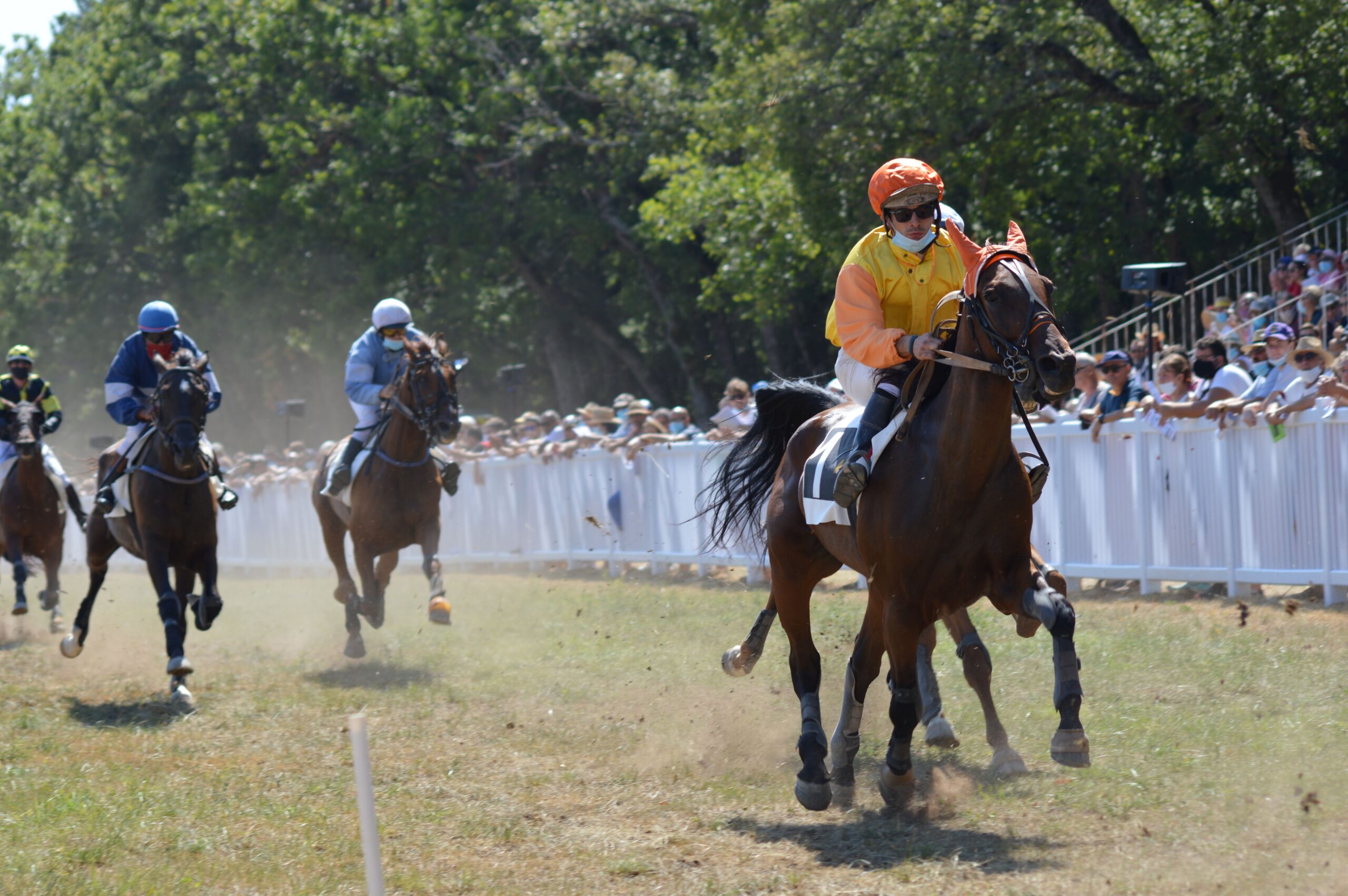
Jockeys are a perfect reminder that some of the most impressive strength in sport is almost invisible. Remember, their job is not to overpower the horse. That’s impossible. Their job is to manage force, absorb the rough motion, hold a steady position while bumping at 40 mph, and stay balanced.
This requires being lightweight but also having strong core muscles to withstand the rough ride.
So, the jockeys are crucial to the sport, and having a talented horse isn’t enough. Handicappers who analyze betting horses already know the importance of jockeys. Which is why they often analyze their form, strength, and physique before making a bet.
The Jockey Crouch Is Not Just a Pose
If you’ve seen a professional horse race, you’re probably thinking, “How are jockeys crouching that much?” The position looks uncomfortable and difficult to do.
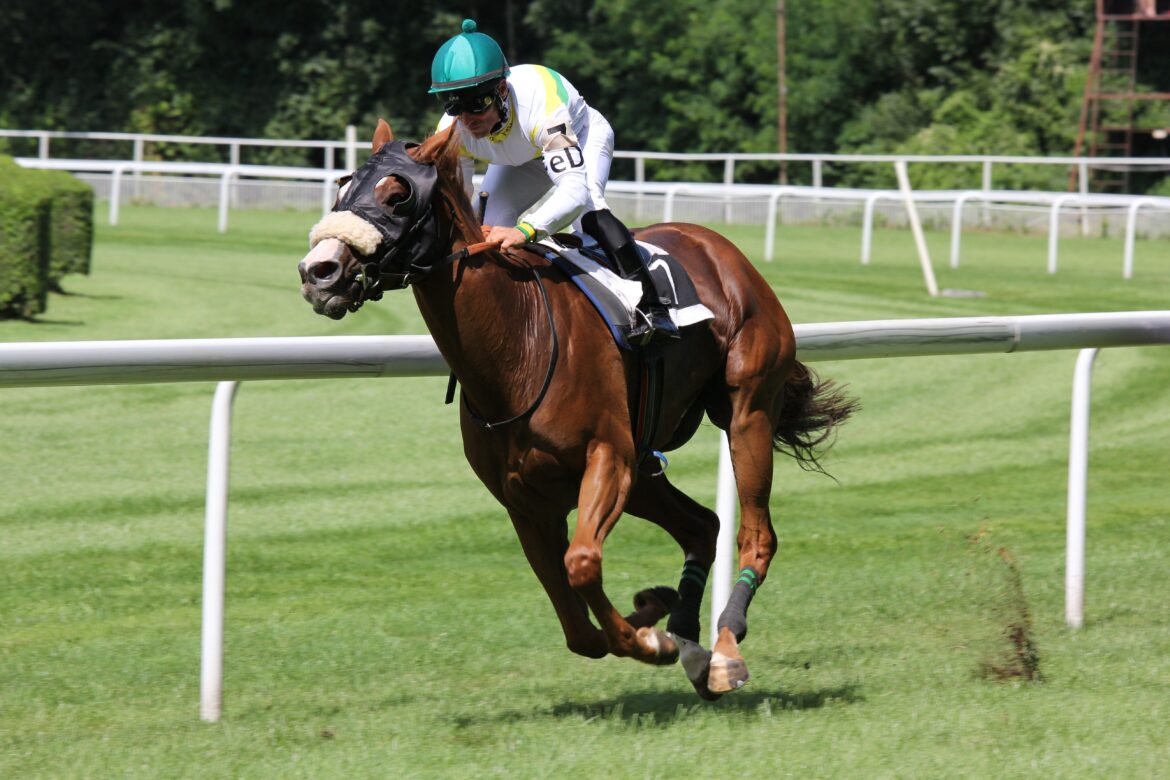
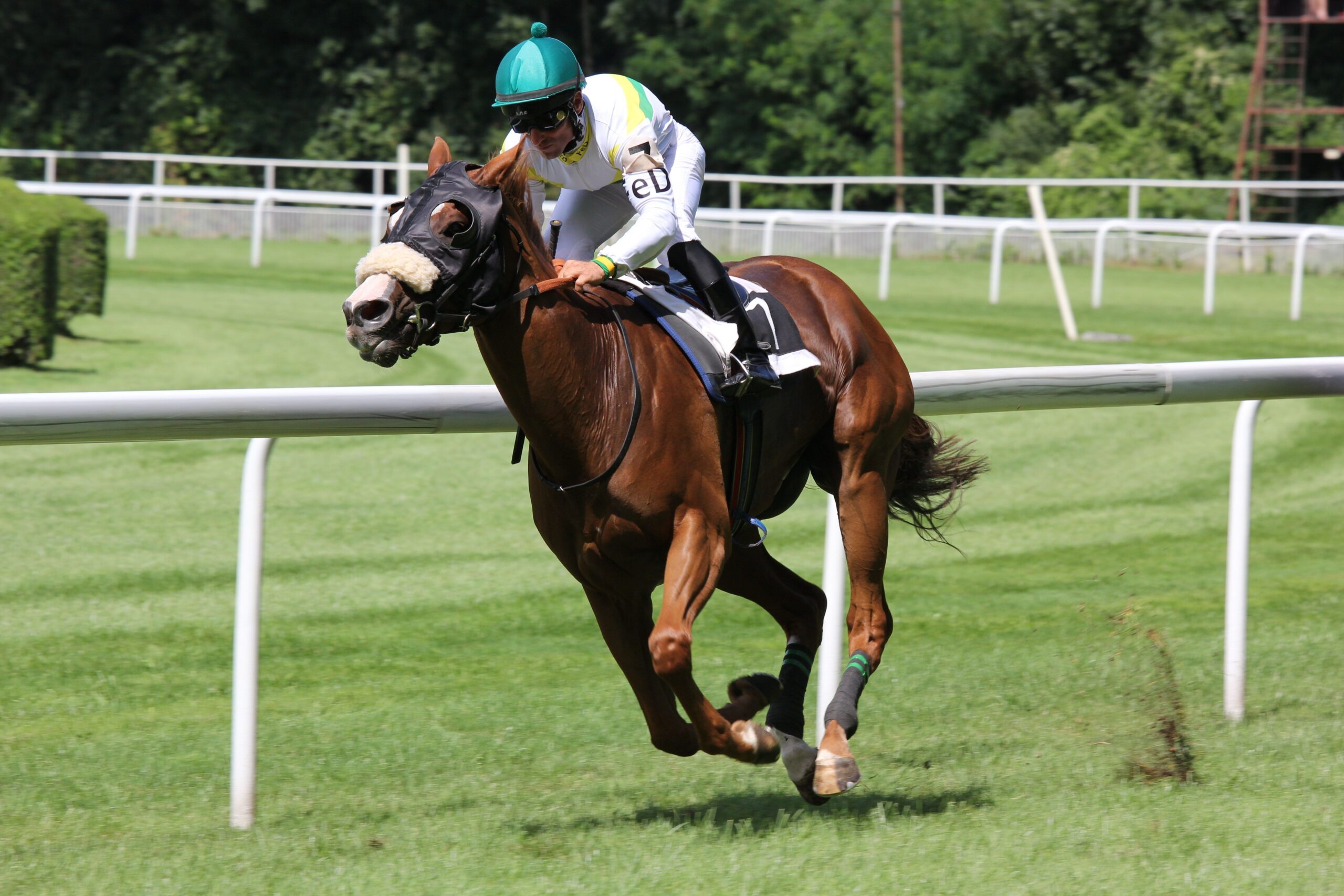
A jockey is perched above the saddle with knees bent, heels down, hips folded, torso low, and hands forward. Just keeping that position without a horse for a couple of seconds is a hard job. This position demands a lot.
The legs have to support the body. The core has to keep everything stable. The back has to resist collapsing, and the hips should always stay mobile. On top of that, the ankles and calves have to absorb the movement, and the shoulders and arms have to stay strong enough to control the reins without fighting the horse.
Core Strength Is Not About Crunches
When people hear “core,” they often think of abs.
Usually, the muscles you can actually see.
But jockeys show why that is too narrow. The core is not just the front of the stomach. It is the whole center of the body: deep abdominal muscles, obliques, lower back, pelvic stabilizers, diaphragm, hips, and the muscles that help the spine stay controlled while the limbs move.
A jockey’s core has to do something more useful than look good in a mirror.
It has to stabilize.
That means keeping the body organized while the horse accelerates, shifts, turns, stumbles slightly, changes lead, or responds to pressure. The jockey cannot flop forward, collapse sideways, or bounce heavily in the saddle. Every tiny loss of balance affects the ride.
So, what does this teach us? Well, when people think about strength, their brain immediately goes to strong arms and chests, but that’s not where the core strength comes from. The core strength is where most of the power comes from, and this requires strong abdominal muscles, strong legs, and mobile hips.
Balance Is Not Stillness
This is one of the biggest lessons.
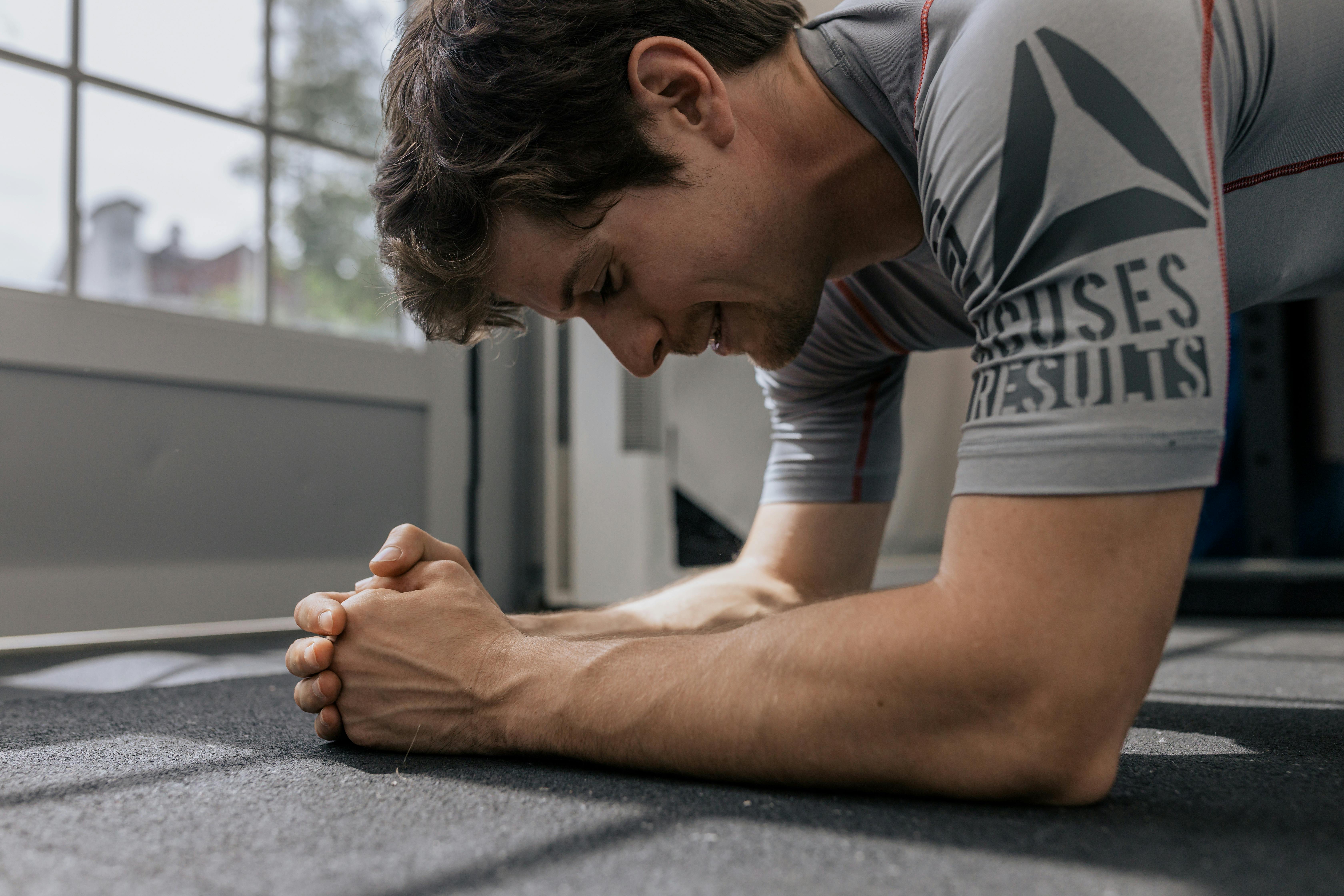
Balance is not standing perfectly still like a statue. Balance is an adjustment.
A jockey’s balance is constantly being renegotiated. The horse is moving underneath them with huge power. The ground is changing. The pace is changing. The field around them is changing. The rider’s body has to keep making tiny corrections before those corrections become visible.
That is why great balance often looks boring.
The better someone is at balancing, the less dramatic it appears. You do not see the small muscular decisions happening in the ankles, hips, trunk, and shoulders. You just see a rider who somehow stays quiet while the horse underneath them is doing something wildly athletic.
Postural Muscles
Nobody gets excited about postural muscles. They do not have good marketing.
You never hear someone say, “Wow, look at those deep spinal stabilizers.” That would be alarming, frankly.
But postural muscles are what help the body hold itself together. They support alignment, control small movements, and keep us from collapsing into whatever shape gravity finds easiest.
Jockeys depend on these muscles constantly.
The back has to stay strong without becoming rigid. The shoulders have to stay set without creeping up toward the ears. The pelvis has to stay controlled. The neck has to remain steady enough for vision and decision-making. The trunk has to resist sway while still allowing movement.
Final Thoughts
Jockeys’ bodies teach us a very important lesson. Just because they are small and not built like units, it doesn’t mean that they don’t have any strength. After all, strength isn’t always obvious.
It is not always big and loud. Sometimes strength is the ability to stay balanced, ride for hours, or hold the same difficult position for a while.
After all, most of us don’t need bodies that look strong. We need bodies like jockeys that are able to work in any kind of situation.
Written by Alina Jurkoit