


Recovering from surgery is hard work.
It can be slow. It can be painful. It can come with setbacks that drain all your motivation away. But there is good news. There’s a better way to recover and it’s been hiding in plain sight in swimming pools and therapy tanks for years.
Aquatic therapy is revolutionizing rehabilitation efforts after surgery. Patients are recovering quicker and with less pain and significantly reduced risk of re-injury. It is also creating opportunities for individuals who were previously unable to participate in rehabilitation.
Here’s why it matters…
What’s coming up:
- Why Aquatic Therapy Is Taking Off
- How Water Speeds Up Recovery
- What The Research Actually Shows
- Who Benefits Most From Aquatic Rehab
- The Future Of Inclusive Recovery
Why Aquatic Therapy Is Taking Off
The numbers tell the whole story.
Aquatic physical therapy was worth USD 1.2 billion in 2024, and is expected to grow to USD 2.5 billion by 2034. Why the massive growth? Patients — and surgeons — are seeking better results than land-based rehab can offer.
Why the sudden boom?
Clinics and hospitals are beginning to see results with hydro programs that allow patients to walk earlier, experience less pain and adhere to therapy regimes longer. Businesses such as Hydro Physio are creating custom hydrotherapy equipment to allow for this type of post-operative rehab to be introduced into private clinics, athletic facilities and home care businesses.
Hydrotherapy isn’t just a fad, it’s here to stay. Approximately 30% more facilities have implemented aquatic rehab programs into their practices in the past couple years. With improved outcomes occurring in the pool, patients are expecting it!
That’s massive.
And the best part: it works for just about anybody. Young and old. Active and inactive. Walkers and wheelchair users. That’s the “inclusive” part of the title.
How Water Speeds Up Recovery
If you want to know why water is so amazing post op… You must understand what your body is fighting against on land.
Gravity is always pulling down on the body when on land. Each step compresses newly healing joints, muscles, and tissue. It’s that compression that causes so much pain (and often makes it impossible) to move around too soon after surgery.
Water flips that script.
Here’s what aquatic therapy does to the body:
- Less joint compression force: Up to 75%, variable based on depth in water
- Hydrostatic pressure lowers swelling: Water naturally pushes inflammation away from the affected area
- Resistance gently strengthens you: There is always gentle, even resistance in every movement
- Warmth relaxes tight tissue: Heated pools loosen muscles and promote circulation to surgical areas
Pretty cool, right?
A study cited by The Washington Post in 2024 says that water exercise helped patients make mental and physical recoveries after the majority of surgeries. That mental component is often ignored — but if you’ve been doomed to a couch for two months following surgery, you know it’s just as much mental as it is physical.
What The Research Actually Shows
Here’s something most people don’t realise…
Aquatic exercise is not only safe to perform after surgery. It may actually be safer than delaying exercise. In the largest ever systematic review on early aquatic PT, researchers examined 287 participants that started aquatic physical therapy shortly after orthopedic surgery. They found that early aquatic PT was not associated with increased wound related adverse events when compared to land-based PT.
That’s huge.
Patients were advised for years to avoid getting back in the pool for weeks (or even months). New research indicates the complete opposite. The sooner the body starts moving again in a safe, controlled manner, the better the long-term prognosis.
Getting in sooner can mean:
- Faster healing
- Less stiffness
- Better long-term outcomes
- Improved mood and motivation
- A stronger return to full function
This is why post-surgery rehab programs are beginning to centre treatment around water — instead of concluding with it.
Who Benefits Most From Aquatic Rehab
Aquatic therapy isn’t a one-size-fits-all solution… But it gets very close.
What makes it powerful is the variety of patients it helps. Hydrotherapy programs these days can be used for:
- Joint replacement recovery (knee, hip, shoulder)
- Spinal surgery rehabilitation
- Sports injury recovery (ACL repairs, rotator cuff repairs)
- Stroke and neurological recovery
- Pediatric recovery cases
- Elderly patients with mobility issues
This inclusivity is the real story.
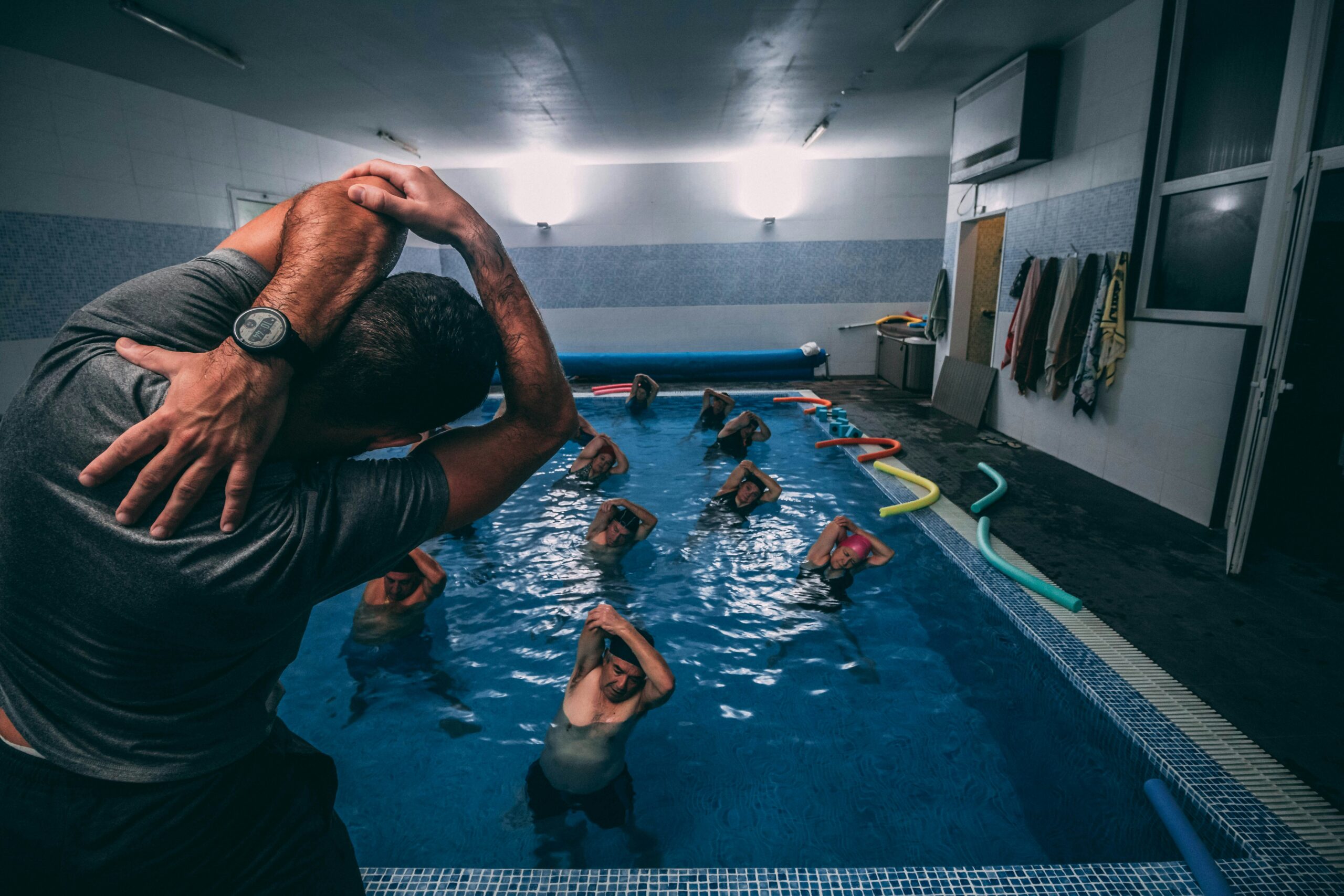
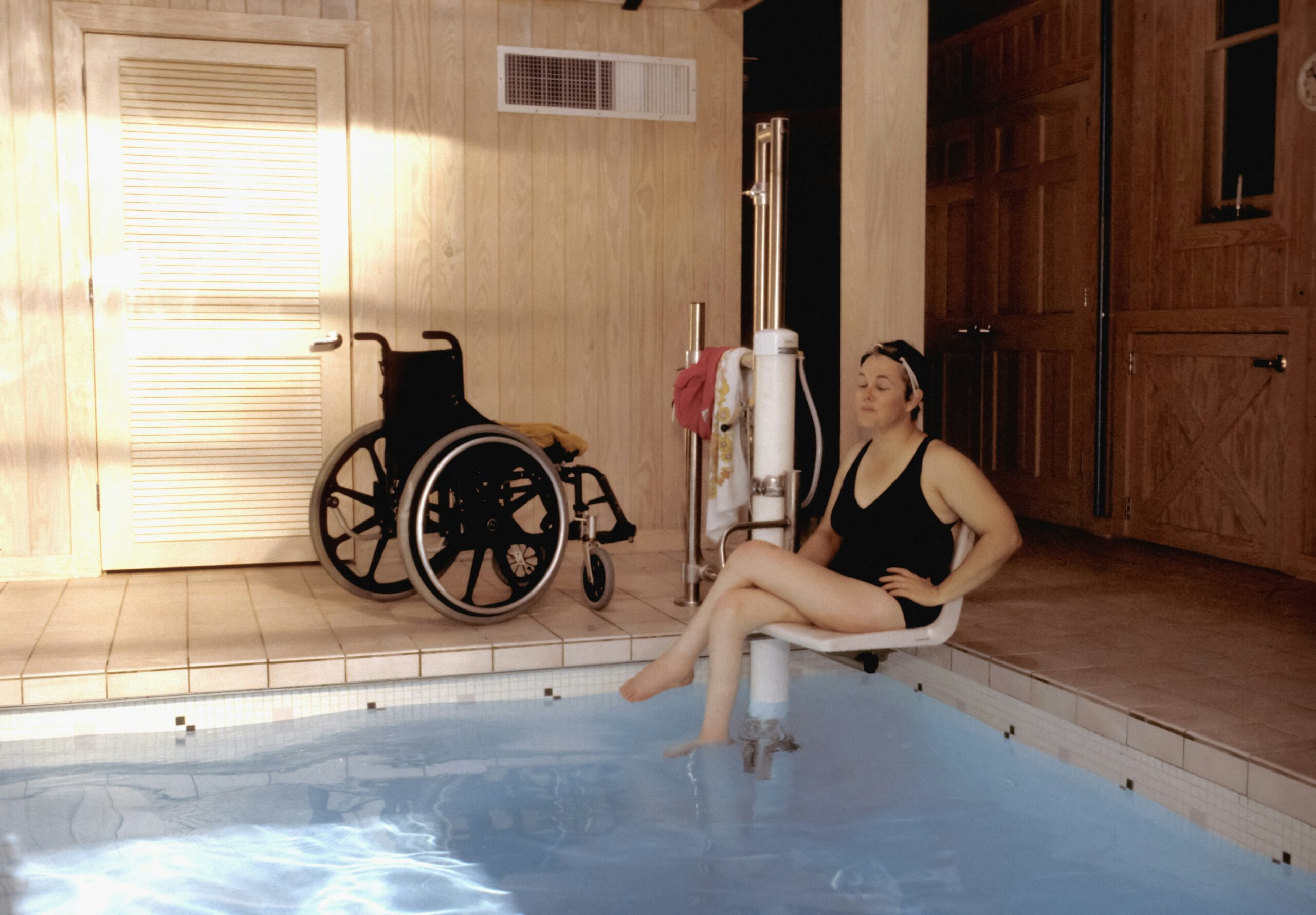
Those who barely walk on land can walk in water up to their chest. Those who use wheelchairs can roll around freely. Elderly patients afraid of falling can exercise to gain strength with no risk of hard impact. Post-surgery athletes can train at full intensity without stressing healing muscles.
Water removes the barriers that often stop recovery before it really starts.
The Future Of Inclusive Recovery
So where is all of this heading?
The world of aquatic therapy is quickly evolving to smarter, more accessible technology. Underwater treadmills, variable-depth pools, and resistance jets are becoming commonplace at state-of-the-art rehab facilities. Highly specialized equipment that used to be outrageously expensive (and only found at top-tier sports clinics) is now being installed in local community rec centers.
But the bigger shift is cultural.
Recovering from surgery used to have a one-size-fits-all approach… You do your physical therapy, you bite the bullet, you pray. With aquatic therapy, there’s a new perspective. It gives a chance to those who were silently losing hope.
Here’s what the future looks like:
- Smaller, smarter therapy pools that fit into clinics and homes
- Personalised programs built around each patient’s surgery type
- Remote monitoring through smart sensors and apps
- Earlier intervention so recovery starts within days, not weeks
- Better access for disabled, elderly, and pediatric patients
Clinical research paired with better equipment means more patients will recover quicker with minimal setbacks. Sounds like a win-win.
Final Thoughts
Water rehab isn’t just a “fun” add-on at the end of a recovery program. Aquatic therapy is moving to the front lines of recovery after surgery — and studies continue to show why.
Quick recap:
- Water reduces joint compression by up to 75%
- Early aquatic therapy is safe within a week after surgery
- The market is growing fast as clinics adopt these programs
- It works for nearly every patient group — from athletes to seniors
- The future is more inclusive, more personal, and more accessible
Going into or just coming out of surgery? Someone you know is? Here’s something to consider: water therapy. The route back to normal may very well run through the pool.
Recovery doesn’t have to be a fight. The proper tools can allow you to ramp back up gradually.
Written by Lisa Moletto

