
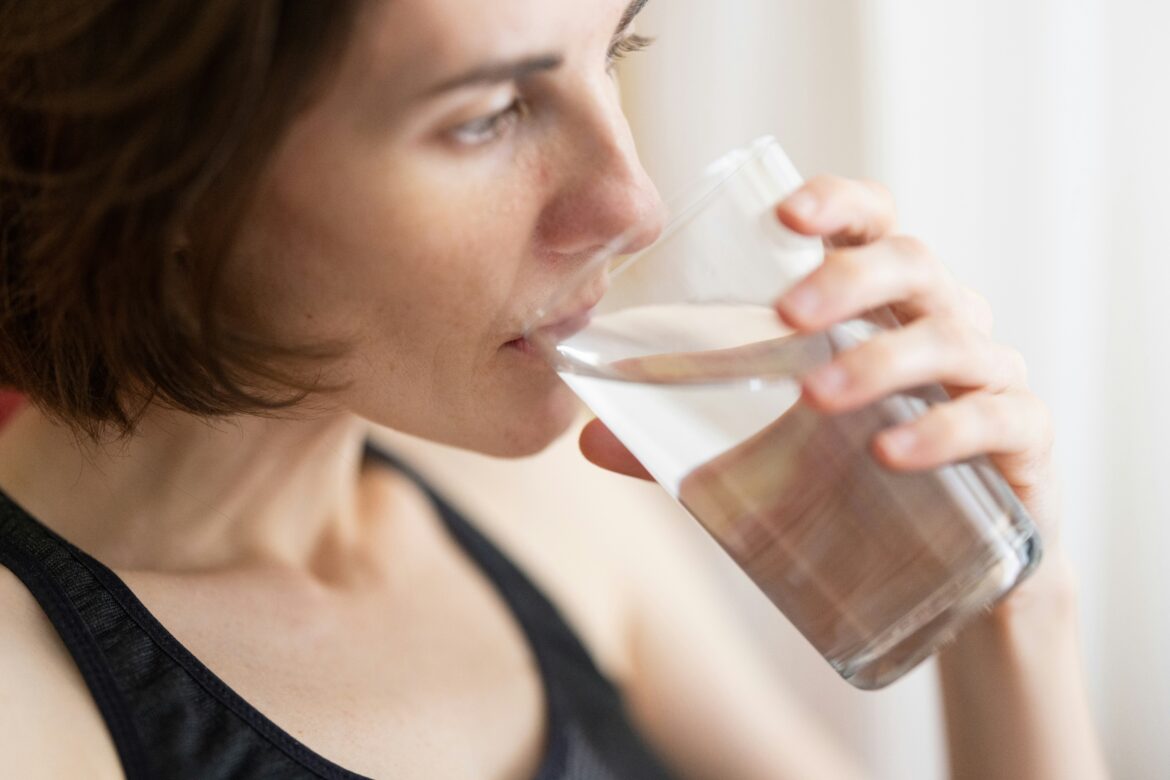
Just as importantly as the food that you put into your body after your workout is the water. The quality of water for hydration is just as critical in enabling muscle recovery, reducing inflammation, and aiding in athletic performance as the food that you take in after your workout.
Recovery from physical activity is more complex than simply topping up with water as and when one feels like it. While the innumerable chemicals and heavy metals found in tap water are generally within the acceptable limits for human consumption set by the municipalities where one lives, they can still have a detriments effect on the processes occurring within the cells as the body recovers from physical exercise. These additional physical stresses on the body put through exercise will impede recovery and reduce athletic performance.
If you are exercising seriously on a regular basis and are interested in maximizing your athletic performance between sessions, then the quality of your hydration is something to consider.
Cellular Mechanics of Post-Workout Hydration
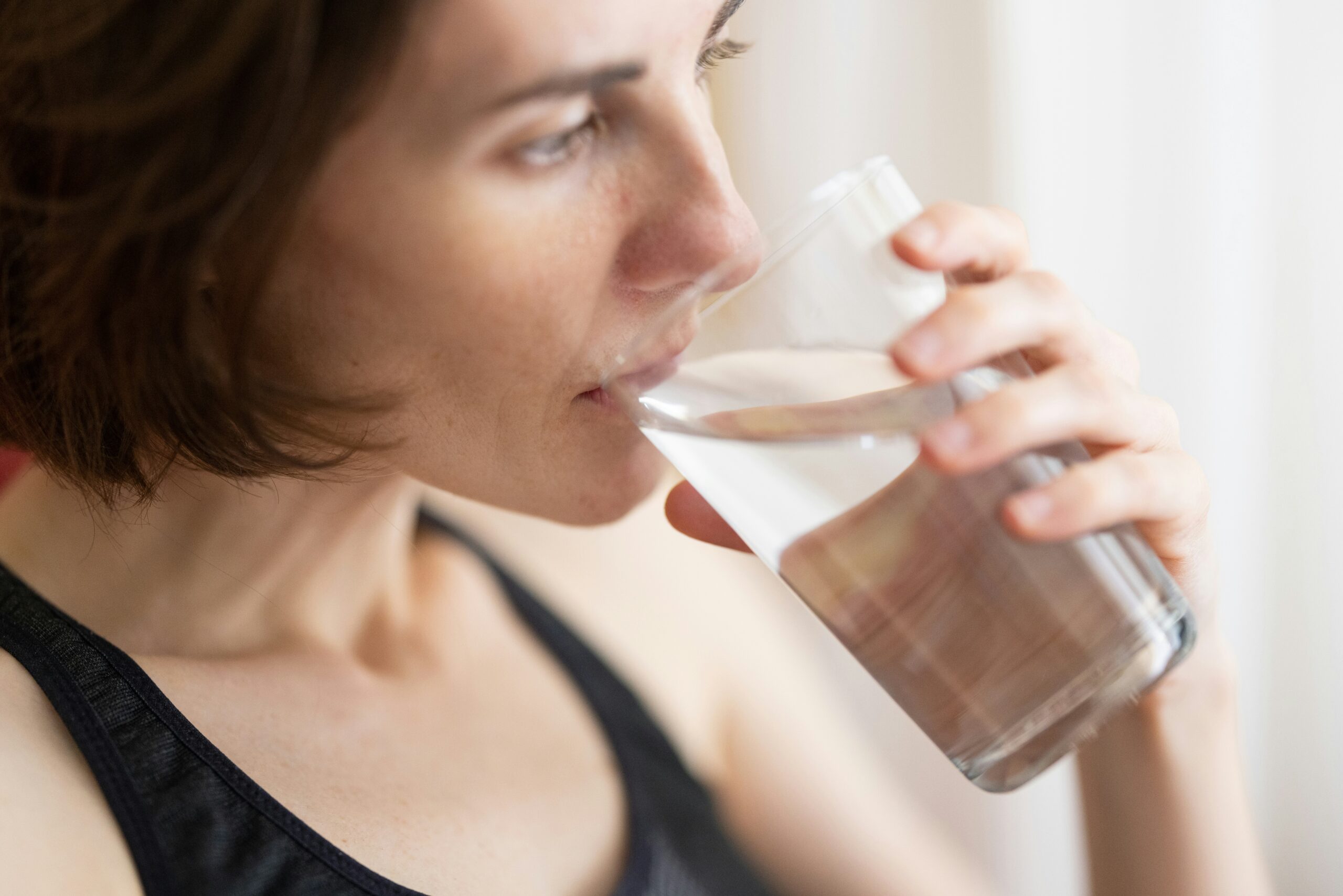
Your food is important after your workout for recovery, but so is the water that you consume before and after your workout. The water in your muscles is approximately 75% of your muscle’s total mass. So when you are doing very intense exercise such as weight training, you are creating micro-tears in your muscles. This causes your muscles to become inflamed and to start to repair. In order for the damaged area to take in the correct amount of amino acids and glycogen for repair, the fluid in your muscles must swell. The swelling of your muscle cells also sends an anabolic signal to your muscles to stop breaking down muscle protein and to start building up muscle protein instead. In addition to this, proper hydration can help to decrease delayed onset muscle soreness or muscle pain after exercise. Water is the body’s primary transport medium. This means that it is used to move metabolic waste products, such as hydrogen ions and urea, out of the interstitial space and from the muscle. When you are dehydrated, your body’s ability to clean up byproducts of metabolism is decreased. This means that as the waste products from your intense workout are supposed to be cleaned up from the interstitial space, they instead remain in the space causing your muscles to become stiff and promoting inflammation. This can result in a general feeling of fatigue and decreased performance in future workouts.
In order for your muscles to grow, repair and become stronger, it is essential that they are filled with as much as possible of the correct fuels and building blocks to allow for maximum protein synthesis and reduced muscle protein breakdown. When your muscles are of the correct tension and size, they are able to signal to your body to increase protein synthesis, leading to greater amounts of muscle growth and repair.
Drinking proper amounts of water also can help to alleviate or even cure delayed onset muscle soreness or “DOMS”. This is because water is the body’s primary transport medium or carrier. Thus, it is the medium by which the body transports and removes (or eliminates) metabolic byproducts of physical activity. Examples of such byproducts include hydrogen ions and waste products such as urea. And when one is physically active for long periods of time, large amounts of such byproducts can be created. In turn, if one is dehydrated, then such byproducts are unable to be properly and sufficiently removed from the body, leading to them to build up in the interstitial spaces between cells. And such buildup can cause a variety of negative effects, such as increasing amounts of tension in and between muscle fibers and/or causing increased inflammation in affected muscles, thus leading to symptoms of muscle soreness. In addition to increased amounts of soreness, dehydration also can cause muscles to feel stiffer, thus making normal physical activity even more painful.
When the body is not sufficiently hydrated, waste products that are meant to be washed out of the interstitial space between the muscle fibers and the blood vessels cannot be washed out sufficiently. As a result, the muscle fibers become stiff and the inflammatory reaction can last longer and cause delayed onset muscle soreness. This in turn can affect athletic performance in subsequent training sessions.
Impact of Tap Contaminants on Athletic Recovery
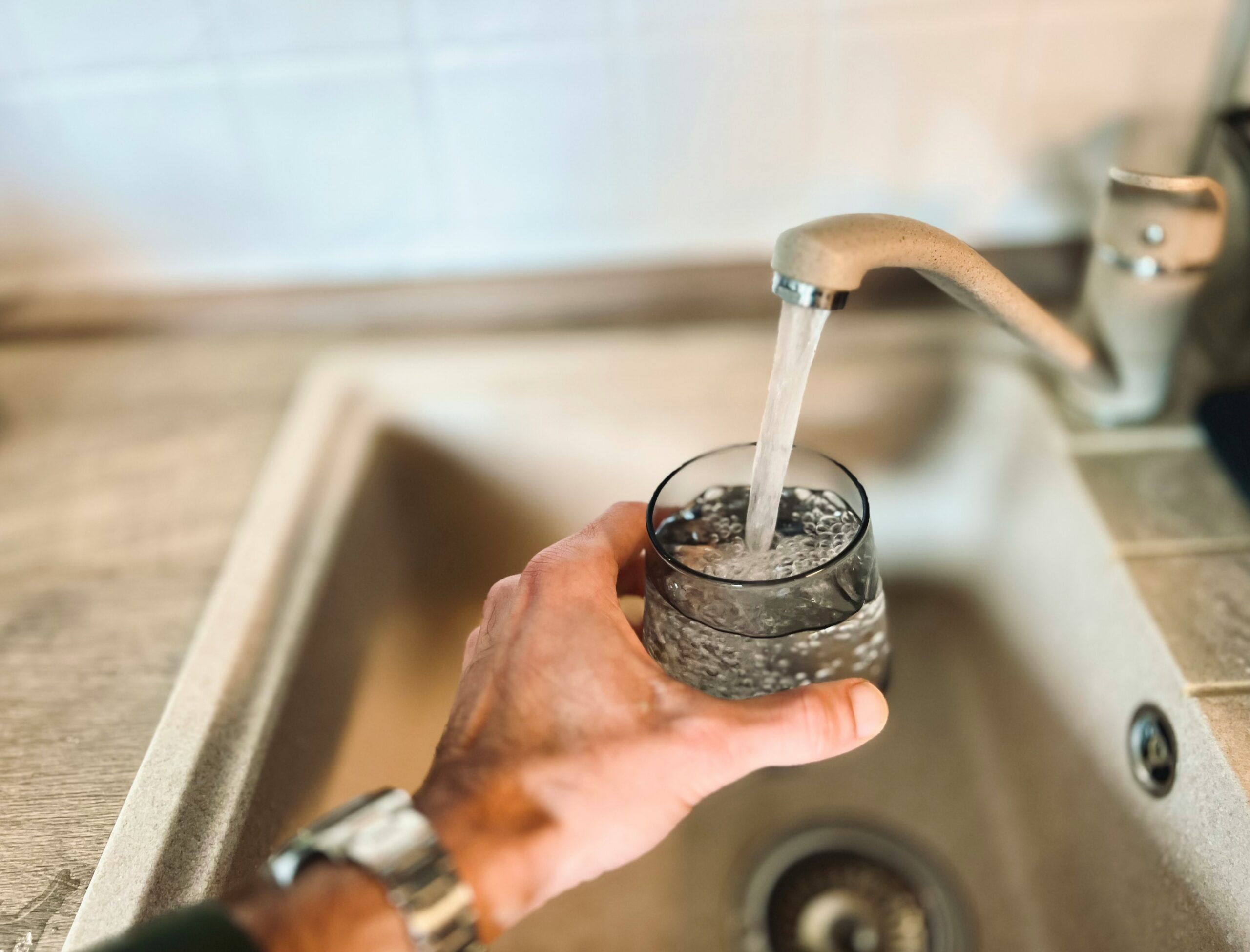
While the levels of contaminants in tap water in most countries are not expected to cause harm, there are many inorganic chemicals, such as chlorine, chloramines, lead and copper, that are added to the water supply in order to kill germs. And when you are in the middle of your recovery from intense training, the last thing that you need is for your liver and your kidneys to be working hard to process more inorganic chemicals in order to eliminate them from your body.
Processing water for contaminants is the job of the liver and the kidneys. When these organs are busy processing the contaminants that are found in tap water, the rest of the body is busy trying to recover from hard training, rebuilding muscle and other tissues.
Long-term exposure to contaminants in water can affect your gut in negative ways. The contaminants can interfere with the nutrients you are taking in with your food, such as vital amino acids, vitamins and minerals. These nutrients are important for your muscle to recover from physical activity.
Cleaner water means that your body isn’t bogged down by additional nutrients in your post-workout recovery shake that it won’t be able to utilize as effectively.
Sourcing Pure Water for High-Performance Training
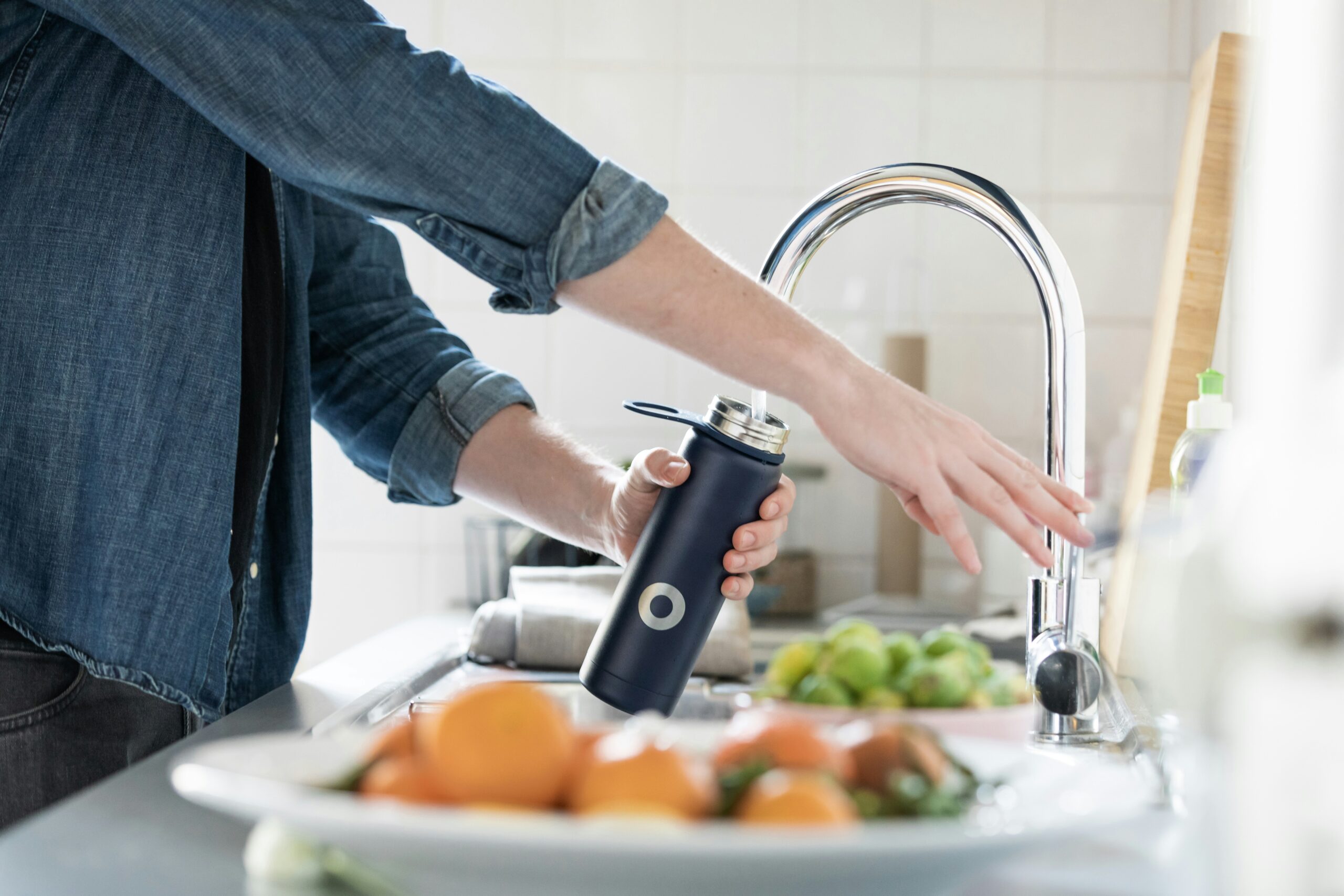
Relying on plastic water bottles for everyday hydration can introduce microplastics and chemicals such as bisphenol-A into your routine. A heavy-duty stainless-steel countertop purification system offers a reusable alternative for active households seeking consistent access to filtered water.
Using the Royal Berkey water filter as part of your daily routine provides access to purified water by removing over 99.9% of viruses, bacteria and heavy metals. The 3.25-gallon system operates entirely through gravity filtration, requiring no electricity or water pressure to provide clean drinking water.
Gravity-fed purification systems use advanced carbon composite elements to target microscopic pollutants while allowing beneficial minerals to remain in the water.
Electrolytes such as magnesium and calcium can pass through the filtration medium, leaving them available to support muscle contraction, nerve signaling and other important physiological functions.
The Vital Link Between Water Purity and Sleep
Deep sleep is a critical period for human growth hormone release and nervous system recovery. Contaminants in unfiltered water, particularly heavy metals and pesticide residues, can interfere with neurological pathways and disrupt circadian rhythms.
Even more subtle are the influences of the presence of microplastics in water and of the byproducts of chlorine in drinking water, which could induce even more subtle inflammatory reactions than those previously described. In the athlete on a daily basis exposed to a vast array of chemical stressors during the day, these could interfere with his ability to enter into a restful parasympathetic dominated state and induce poor quality of deep sleep.
Drinking purified water can also improve the quality of your sleep, by removing night-time wakefulness caused by subclinical toxic stress from chemical in the drinking water, and by helping to support natural melatonin production by reducing systemic cortisol levels.
By removing microplastics and chlorine byproducts from your drinking water, you can stop them from causing low-grade inflammation and enable yourself to get a deep and consistent rest, ensuring that you are at your best for your next session of training.
It can also aid the cellular processes in the body which regulate temperature. This prevents the body’s core temperature from shooting up at night, causing the many mini-arousals that break up our sleep into segments of poor quality sleep.
Additionally, during deep sleep your central nervous system goes through a recovery process where it rebuilds and recharges to face another day of physical activity. During this time your body also replenishes strength, enhances coordination and overall physical preparation to take back to training and daily life.
Practical Hydration Strategies for Daily Performance
Maintaining optimal hydration requires consistency rather than waiting until you feel thirsty. Thirst is often a delayed signal, which means mild dehydration may already be affecting cognitive performance and endurance by the time you notice it.
Building predictable hydration habits helps maintain stable fluid levels, supports electrolyte balance and keeps your body physically prepared for exercise and everyday activity.
Tracking changes in your morning body weight can help indicate baseline fluid losses caused by respiration and normal metabolic processes. Drinking a fixed amount of clean water soon after waking helps replace fluids lost overnight and supports normal metabolic activity.