
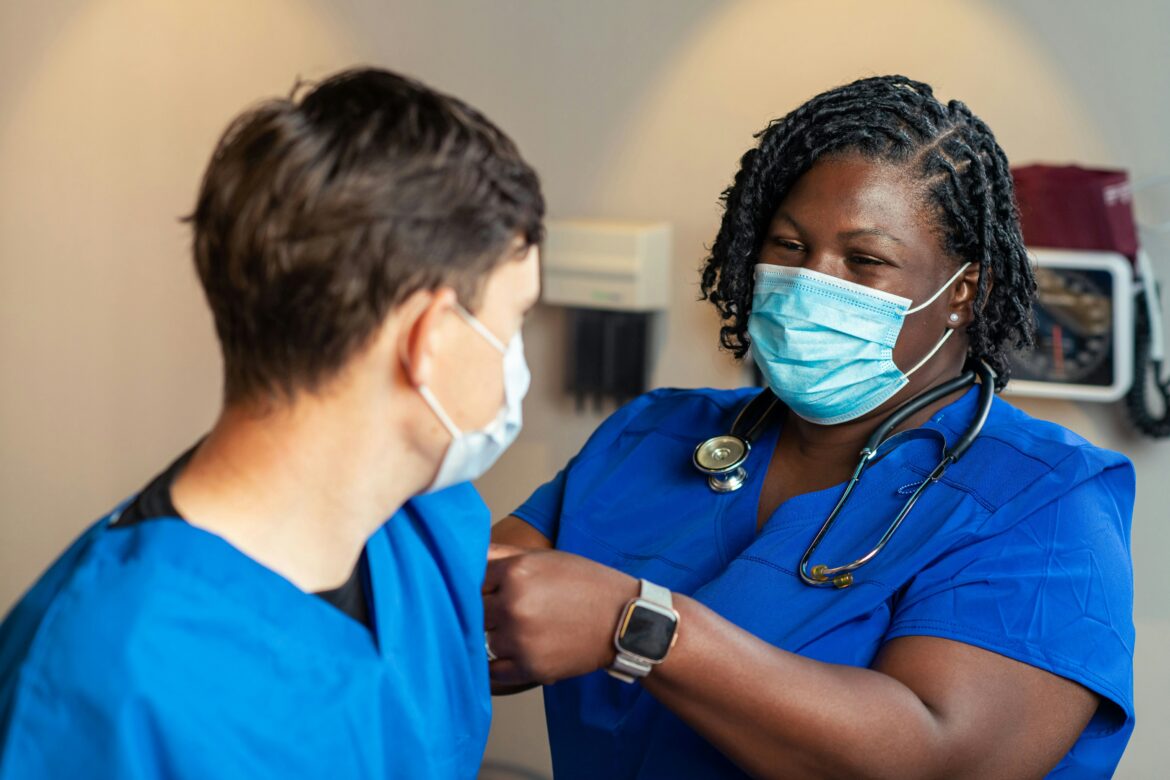
So much of the health care training that is provided is based on memorization. The best Certified Nursing Assistants (CNAs) are those who have a solid understanding of why the human body functions the way it does. This is because the anatomy and physiology of the human body forms the basis for all of the interactions that a CNA has with his/her patients.
When assisting patients with patients’ activities of daily living, their vital signs, and their relocation, there are many different systems of the body that are involved. Having knowledge of the anatomy will enable a CNA to recognize abnormality of the body and report to the nurse any findings. A well-rounded CNA is one who has knowledge of the anatomy and is able to apply that in clinical skills through practice tests for the CNA certification as well as study for a CNA.
A better knowledge of anatomy can help you to become a better nursing assistant. Your knowledge of anatomy can even aid in faster decision making, more accurate observations, and the safest patient care.
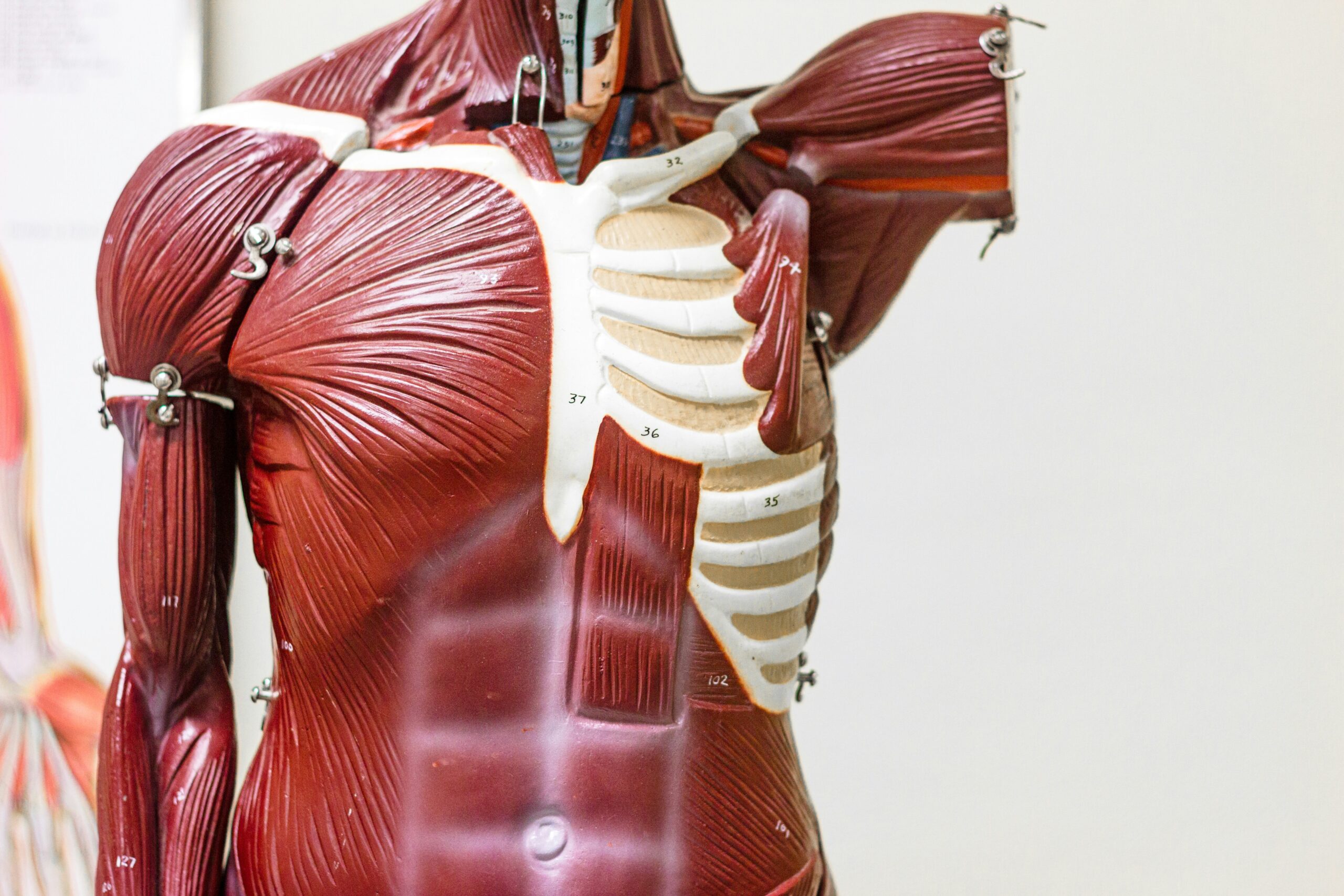
Why CNAs Need Anatomy from Day One
Anatomy and physiology help a certified nursing assistant connect body systems to the hands-on realities of patient care. Routine duties like taking vital signs, repositioning patients, assisting with hygiene, and observing changes all make more sense when a CNA understands what normal body function looks like. A foundational understanding of the human body is not just useful for passing exams; it directly shapes how a nursing assistant interprets what they see and feel during every shift.
That anatomical grounding supports safer decisions, faster reporting, and stronger clinical judgment within the CNA scope. Aspiring CNAs who pair their class notes and skills checklists with the best CNA practice test can reinforce these concepts before stepping into a clinical environment, turning classroom knowledge into practical readiness.
How Anatomy Shows Up in Everyday CNA Duties
Anatomy does not stay in the classroom once a nursing assistant starts working. It surfaces constantly, in the middle of ordinary tasks, and that is precisely where it matters most.
Monitoring Vital Signs with Clinical Context
Taking vital signs is one of the most frequent responsibilities a nursing assistant performs, and body systems knowledge directly shapes how those readings are interpreted. Blood pressure, pulse rate, and breathing patterns are all outward signals from the cardiovascular system and respiratory system working together.
A CNA who understands that an elevated heart rate can reflect dehydration, pain, or early infection is far more useful to the care team than one who simply records a number. That context turns routine data collection into meaningful patient care.
Spotting Early Changes During Routine Care
Changes in a patient’s clinical status are often discovered during the daily activities of care with patients. Patients receive care for bathing, turning and repositioning, feeding, and toileting. These activities provide the Nursing Assistant direct and quality contact with the patient’s body.
There are so many obvious changes that go on with a patient’s body while they are in the hospital. Some changes are even obvious during bathing, turning and positioning of a patient, and even during feeding and toileting of a patient. The CNA would be able to even recognize such changes as unusual skin pallor, sudden swelling of the lower extremities, patient displays labored breathing while performing light exercise, or the patient’s decreased appetite. The CNA would then be able to report these changes to the nurse to further diagnose the patient.
A nursing assistant’s ability to report his/her findings to the nurse is improved if he/she has a good knowledge of the anatomy and physiology of the human body. This information will help the nurse and the rest of the health care team to make timely and accurate decisions regarding a patient’s care.

Why Anatomy Knowledge Protects Patient Safety
If you understand how the body’s systems interact with each other, you will be able to prevent injury and stop the spread of infection. CNA’s need to understand how circulation and skin integrity are affected by a patient’s position. For example, a CNA needs to understand how to safely transfer a patient to prevent pressure injuries. A CNA also needs to understand how to manage a patient’s catheter in order to prevent infection.
In terms of understanding Infection Control, those with a good knowledge of anatomy are better to recognize changes in a wound, suspect early signs of local infection at a catheter site, and also be able to note down a patient’s temperature trends that could indicate a more serious underlying problem. All of these can be reported to the nurse quickly in order to aid the patient’s care.
It is also important to safely reposition patients, and to assist patients with swallowing difficulties. Understanding how the different parts of the body function will allow a CNA to understand the potential for injury and take steps to avoid it. They will also understand how to look for signs of trouble, such as the potential for aspiration of food, and take action to report any concerns to the patients’ nurses.
The nursing assistant who studies anatomy will have a better understanding of the normal features of the human body and abnormal findings. He/she will be able to recognize unusual characteristics of a patient’s body and be able to distinguish between normal human variation and findings that are abnormal. The nurse who is able to recognize abnormal findings will be able to assess patients better and recognize early warning signs of potential health problems.
This same knowledge will prepare a CNA for performing certain emergency procedures. For example, if a patient loses consciousness or stops breathing then the CNA must perform CPR until a physician or nurse arrives on the scene. In order to do CPR correctly, a CNA must know the anatomy of the chest and lungs.
Better Anatomy Leads to Clearer Care Reports
As for knowing anatomy it helps a CNA in two main ways. First it helps a CNA to become better at their job by enabling them to understand what is going on with the body. Most importantly having a CNA with good knowledge of anatomy is better at reporting to other health care staff of what they observed.
There is a huge difference between saying a patient looks uncomfortable and a patient reporting that they are feeling sharp pain in their lower right side that started an hour ago. The CNA in the first case is reporting that the patient is uncomfortable and the nurse can then try to make the patient as comfortable as possible. The CNA in the second case is reporting a potentially life-threatening condition and the CNA, along with the rest of the health care team, can jump into action to start treating the patient as soon as possible. The CNA communicated the location and severity of the patient’s symptom, as well as how long the symptom has been present and which body system is affected by the symptom. The health care team can then use this information to start diagnosing and treating the patient in the best manner possible.
More than simply having the correct words to use when documenting or reporting information about a patient’s findings, the Nursing Assistant must be able to provide exact information in his or her reports to the health care team. Information included in reports that are made by the Nursing Assistant should include a description of findings and the location of the findings on the patient’s body. It is also important that the Nursing Assistant include the degree of severity of the patient’s findings, as well as information about the time that findings began to appear. Furthermore, the reports of the Nursing Assistant should include information that is related to body systems in order to inform the health care team where to focus in assessing a patient for clinical changes, and how quickly action should be taken when problems have developed. A report that is provided by a Nursing Assistant would be: “The patient is complaining of discomfort and he says that the discomfort is sharp and it is located in the lower right quadrant of his abdomen.” This information informs the health care team that the patient’s discomfort is related to the abdominal region or the digestive system, and that he is likely suffering from discomfort of moderate to severe intensity that has recently appeared.
Documentation works the same way. Care notes written with anatomical context are easier to interpret across shifts, reducing the chance that a developing symptom goes unnoticed. For those exploring clinical roles in nursing practice, clear communication is consistently one of the skills that distinguishes strong candidates from the rest.
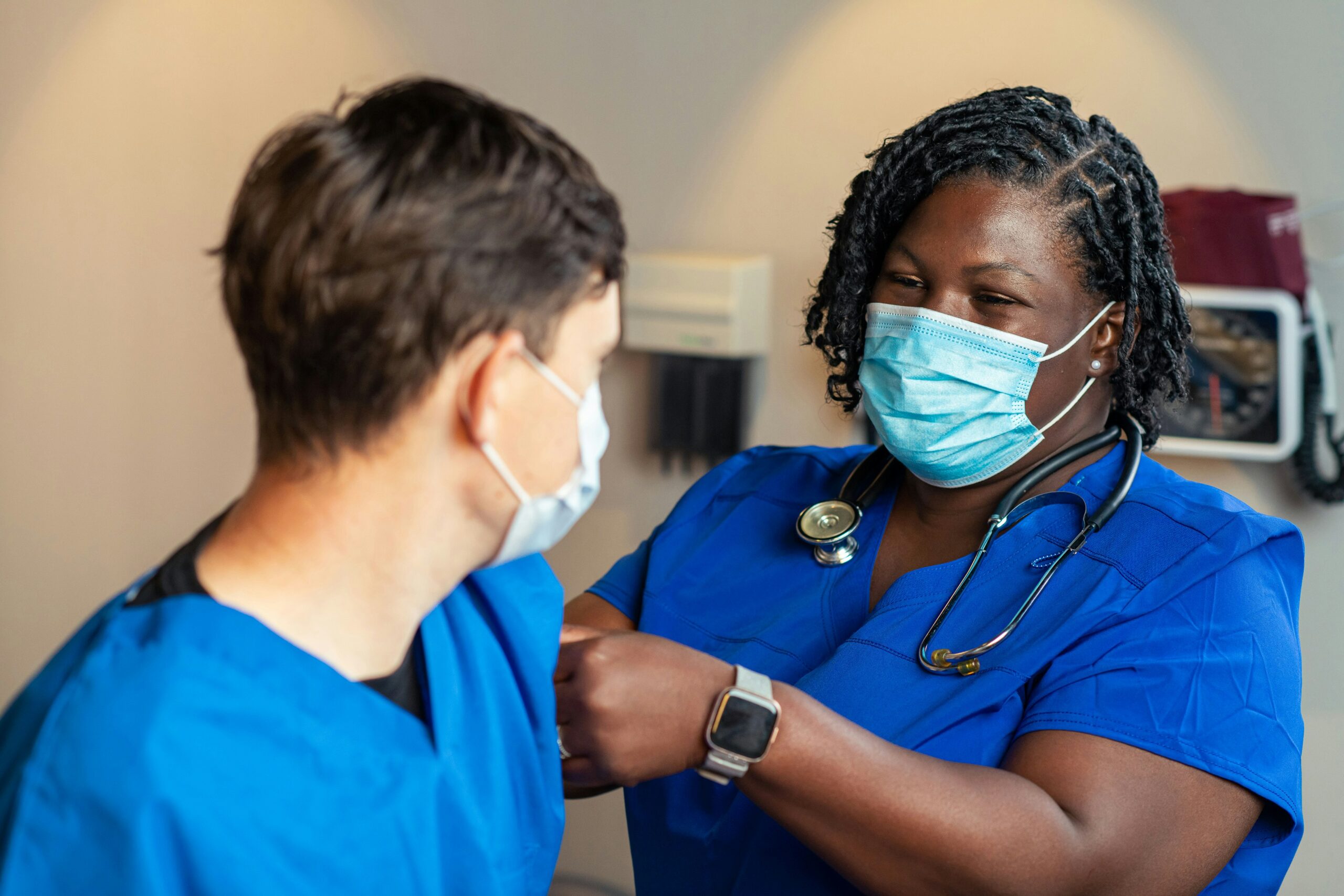
What Aspiring CNAs Should Focus on First
Not every body system needs equal attention at the start. For a certified nursing assistant in training, the most practical approach is to prioritize the systems that appear most often in daily care. The cardiovascular, respiratory, skin, urinary, and digestive basics cover the majority of what a CNA will observe and report.
Within each of those areas, anatomy and physiology study should center on normal versus abnormal findings, key body landmarks, and the medical terminology used to describe them. Understanding how a healthy lung sounds differently from a congested one, for example, ties directly to vital signs monitoring and observation skills.
Most importantly, anatomy should never be studied in isolation. Pairing each concept with a related care task reinforces retention and builds the kind of applied knowledge that actually transfers to the floor.
Closing Perspective for Future CNAs
Anatomy knowledge is not something a CNA sets aside after passing certification. It remains a working tool throughout every shift, shaping how observations are made, how changes are reported, and how patient safety is protected in real-time care situations.
For aspiring nursing assistants, the takeaway is straightforward: understanding body systems strengthens every part of the role. From spotting early warning signs to communicating clearly with the care team, anatomical awareness builds the kind of confidence that makes a meaningful difference in patient care.
Written by Arjay Reyes

