
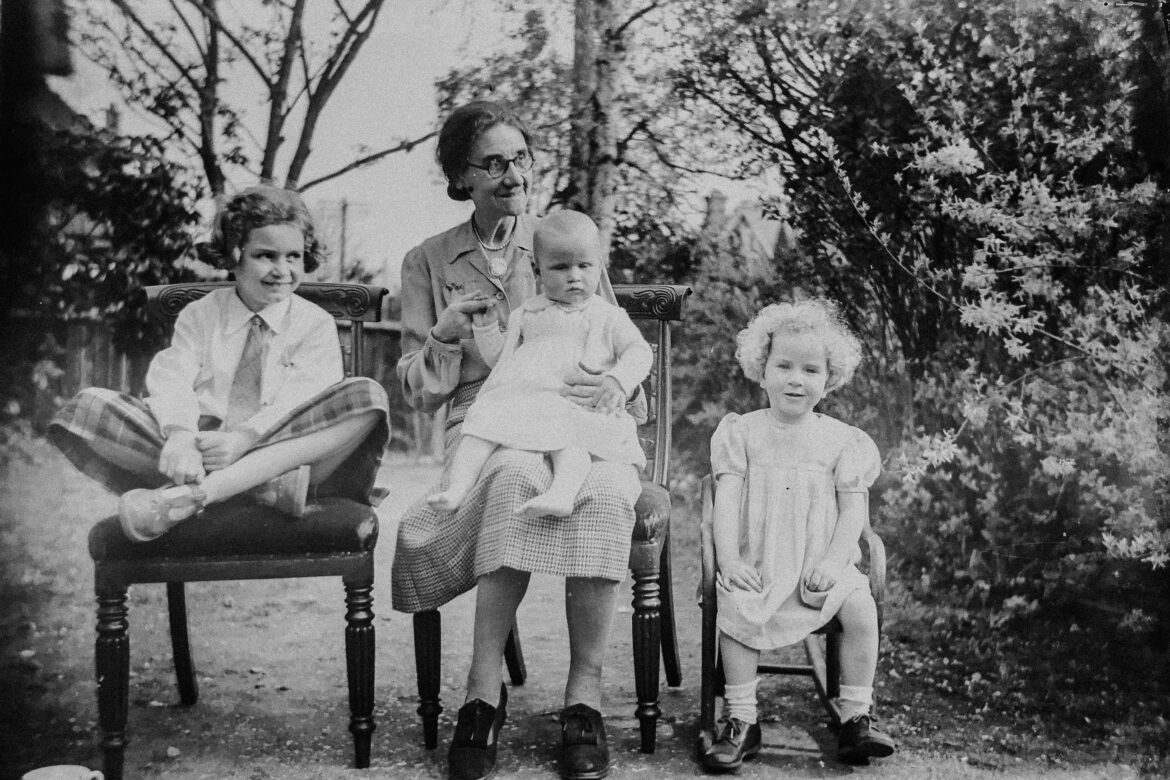
Good health is shaped by more than just diet, exercise and lifestyle choices. Your family history can also provide a very valuable insight into the conditions you might be more likely to develop over time. While genetics don’t determine your future, understanding your family’s medical background can help you make more informed decisions about your health. Many people choose to create family tree online as a practical way to organize family relationships alongside important health information that can be shared across generations.
Family history reveals patterns
Osteoporosis, arthritis, heart disease and diabetes are just a few of the many health issues that can affect families and generations. Knowing the health of your family members from previous generations can help you discuss your family history with your healthcare provider and receive the best screening and health tips for you.
Your family history is not only can tell you if you have been previously diagnosed with a disease but also can tell you if you are at risk of getting that disease. By knowing if you are at risk for a disease you can live a healthy lifestyle to try to reduce your risk of getting that disease.
Why this matters for musculoskeletal health
Understanding a patient’s family history of similar conditions to those that affect the musculoskeletal and body structures of manual therapy patients can give the therapist valuable insight as to why a person may develop joint degeneration, low bone mass, or even connective tissue problems. While as therapists we work within the present and look at our patients’ current symptoms and their current movement patterns, there are certainly factors that are outside of our patients’ control that can impact their health.
Having an understanding of these hereditary factors as a manual therapist can be very powerful in informing a patient’s long-term health for wellness, injury prevention and improving their ability to move throughout life.
Building a more complete health record
While a manual therapist can work with a patient’s current problems, symptoms, range of movement, and problems in daily life, these current problems can be affected by a patient’s inherited factors prior to symptoms of problems with their joints and musculature becoming apparent. Understanding these factors can enable a manual therapist to have more informed discussions with a patient regarding their long-term health, injury prevention, and ultimate mobility throughout life.
Resources like Make Family Tree Now help families organize relationships and historical records in one place. As people document parents, grandparents and extended relatives, they might also uncover valuable health information that might otherwise have been overlooked.

Looking beyond genetics
The genetic portion of our health makes up a very, very small portion of our overall health. Our activity level, our eating habits, our sleep, our health care team all play a much greater role in our long-term health than our genetics. Knowing a person’s family history can help to identify potential risks that a person may be exposed to, and develop a plan to decrease those risks.
However, your family history is just one part of the overall health record of you and your body. The healthy lifestyle that you lead, combined with your use of healthcare, can have a significantly greater impact on your long-term health than your genetics. Having an understanding of the health issues that could affect you in the future allows you to try and prevent them from occurring. Knowing your risks allows you to stay healthy for longer.
Written by Manuel Paradela (publications@bazoom.com)