
What if a muscle injury sustained in an Uber or Lyft crash left you recovering for months while your medical expenses continued to rise? Many car accidents result in soft tissue injuries that take longer to heal than expected.
Fortunately, there are several options that may help you manage rehabilitation costs. The first step is to seek appropriate medical care and follow your healthcare provider’s recommendation. Here are a few ways to manage rehabilitation costs after a rideshare-related muscle injury.
Why It Might Take Time to Recover
Muscle and other soft tissue injuries can be frustrating because their symptoms are not always immediately apparent. You may experience some relief within a few days, only to experience pain when you return to your usual activities.
Recovery may involve physical therapy, follow-up appointments, medications, diagnostic tests, and consultations with specialists. Some may need treatment for weeks or months, especially if it affects their work or daily activities.
It is worth noting that at this point, the first medical bill rarely tells the whole story. Future treatment and rehabilitation costs should also be included in a claim if they can be backed by proper medical documentation.
The Cost of Rehabilitation
Rehabilitation expenses can also add over time. While individual physical therapy sessions may seem manageable, the cost of regular appointments over several months can become a significant financial burden. Other expenses include:
- Pharmacy bills
- Imaging
- Transportation
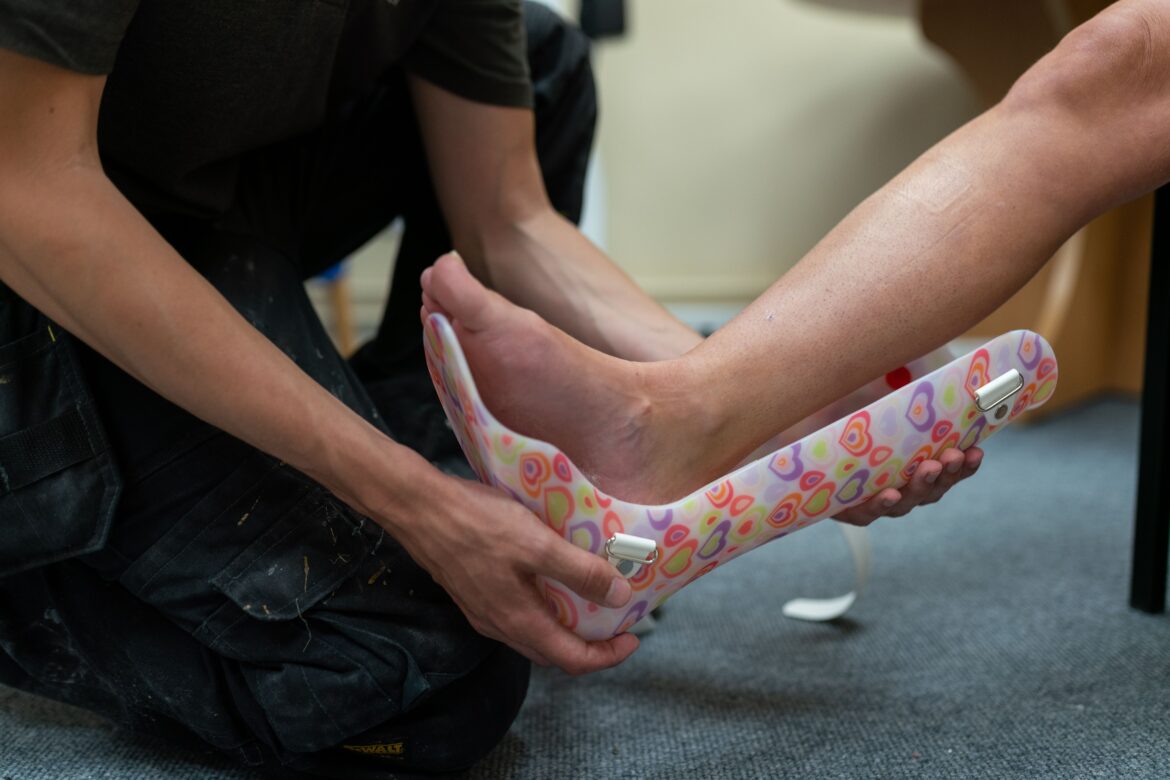
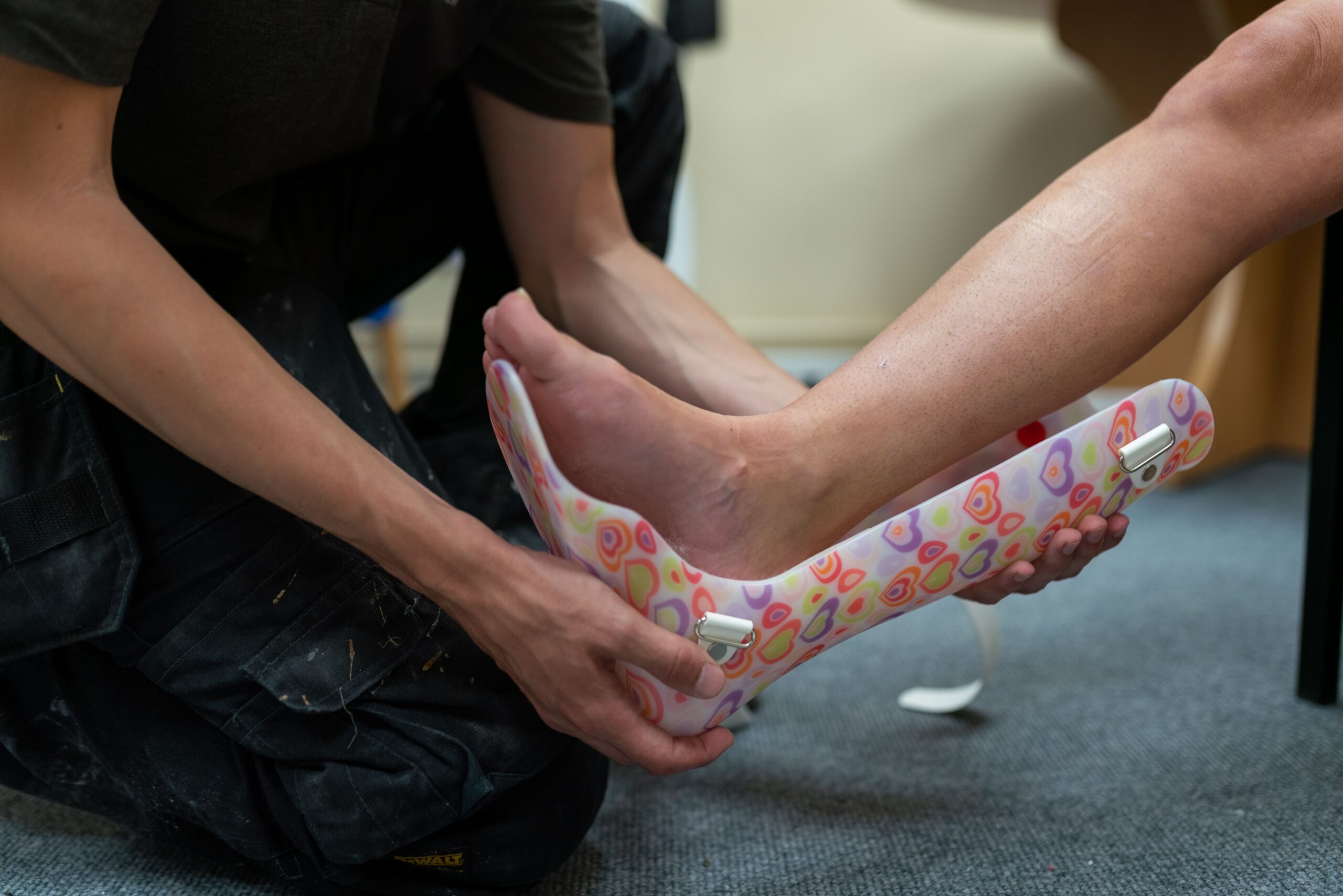
- Medical devices
Whether or not some expenses will be compensated depends on the circumstances. Depending on the circumstances of the accident, health insurance or applicable auto insurance may cover some of the costs.
The applicable insurance coverage may depend on the cause of the accident, status of the rideshare driver, the insurance policies involved, and applicable state laws. Ensure that you keep all medical bills, receipts, correspondence with your insurance, and other important documentation in one place.
Collecting all the necessary information can make it easier to calculate your losses and provide supporting documentation if necessary.
The Importance of Adhering to Your Treatment Plan
You may be tempted to stop treatment once you start feeling better because of the high cost of treatment. However, following the recommendation of your healthcare provider is very important, particularly in terms of recovery and documenting the seriousness of your injury.
If you have a problem with treatment or resource constraints, discuss it with your provider instead of quitting the treatment. Your healthcare provider might consider adjusting the treatment plan or exploring other treatment options.
 How a Lawyer Can Assist
Personal injury attorneys can help you figure out who might be liable for your injury-related expenses and which insurance policies may cover your situation. This can be especially helpful in more complex cases, such as when you were hurt as a Lyft passenger, where determining responsibility may involve multiple parties.They may assist you in collecting your medical records, tracking your rehabilitation costs, and computing lost wages.
Most importantly, a lawyer will help you anticipate future costs of treatment. If your physician anticipates that you will undergo further medical care, you need to factor these expenses into your case, rather than just worrying about what you have already incurred.
Protect Your Recovery and Your Claim
A rideshare-related injury can affect you in several ways. Apart from enduring physical pain, the accident can interfere with your daily tasks.
Focus on getting the care you need, keep good records, and avoid rushing into a settlement before you understand your recovery period and future treatment needs. Avoid accepting an insurance settlement before, and if possible, have discussed the offer with an attorney.
Written by Lea Collins (lea@sapurex.com)

