
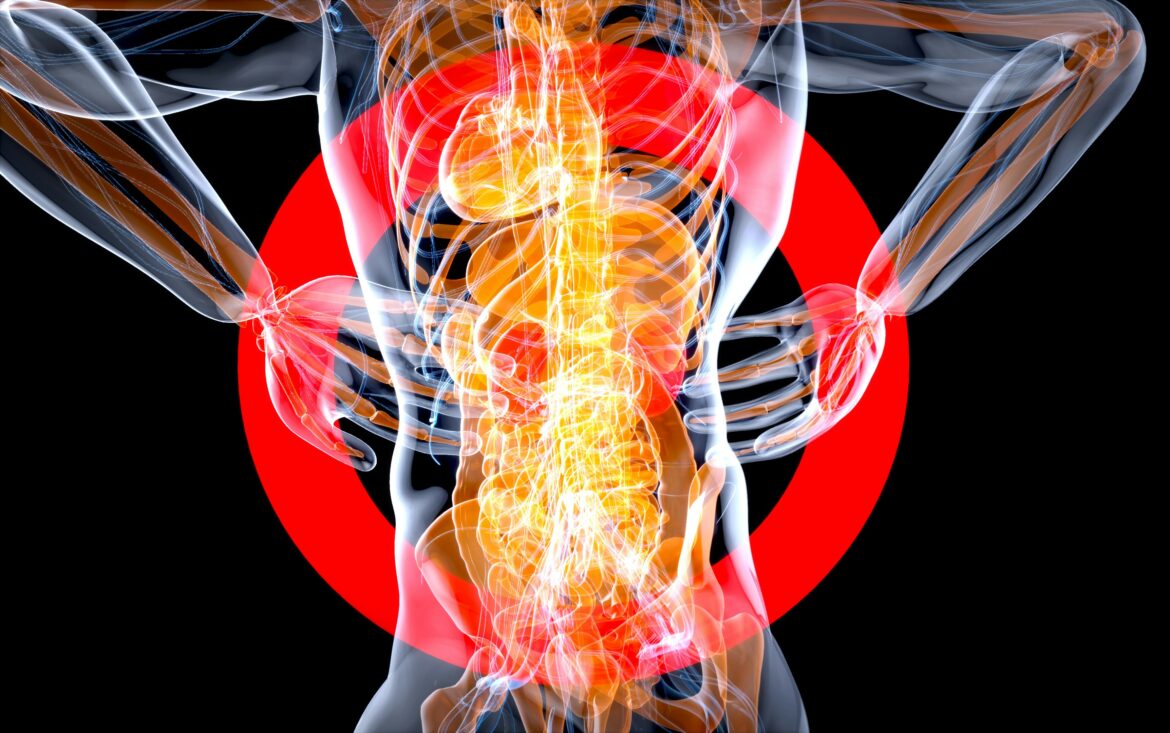
For people dealing with persistent back pain in Altamonte Springs, finding the right chiropractic care can be an important step toward understanding what may be contributing to their discomfort. Back pain can affect how someone works, sleeps, exercises, and handles everyday activities, making it worth looking beyond temporary relief when symptoms continue. A local back pain chiropractor can assess movement, discuss the nature of the discomfort, and develop an approach based on the individual rather than treating every case the same way.
For those searching for an Altamonte Springs back pain doctor Roach, an initial evaluation can provide an opportunity to discuss symptoms, medical history, activity limitations, and concerns about mobility. Understanding those details helps a chiropractor determine which treatment options may be appropriate and whether additional medical evaluation is needed. Starting with a thorough conversation and assessment gives patients a clearer idea of what their care may involve and how it can fit their everyday needs.

Why Back Pain Needs A Closer Look
A thorough evaluation of symptoms can help determine if symptoms arise from the spine, discs, nerves, muscles or other soft tissue structures. Symptoms and corresponding treatment are based on location of pain, duration of pain, physical findings, patient history, and how symptoms affect activities of daily living.
Also important is improved joint motion which can better enable patients to maintain good posture and body mechanics. Many patients also receive education regarding safe lifting as well as how to best sit, sleep and move in activities of daily living in order to decrease repetitive stress on their spinal structures while they are healing.
Spinal Alignment And Joint Movement
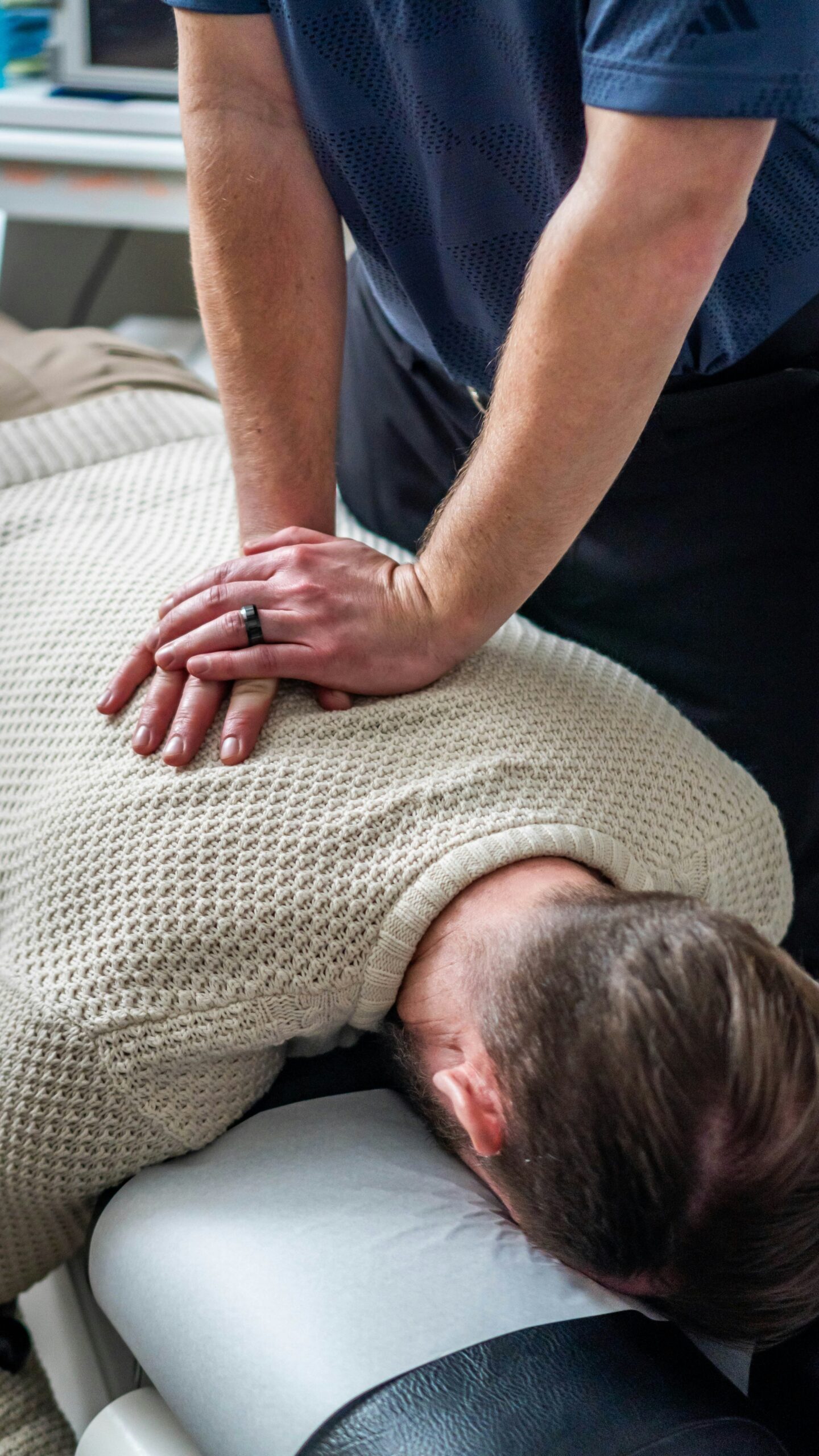
There are many types of disc problems that can cause pain in the back, as well as numbness, tingling or pain that travels down into the leg. There are bulging discs, herniated discs and even degenerative disc disease that can cause pain in the back. Decompression by way of spinal decompression uses traction to take pressure off of the spine which helps to restore joint mobility to the affected area.
Everybody is different and needs to be evaluated based on the symptoms and how long you’ve had the pain. Chiropractors are trained and seasoned enough to identify your pain and recommend the right treatment for your particular case. This will give you a clear understanding of your symptoms and treatment.
 Disc-Related Pain And Spinal Decompression
Sciatica develops when irritation affects the sciatic nerve or nearby nerve roots. Pain often travels from the lower back into the buttock and leg, sometimes with numbness or weakness. Chiropractic care addresses spinal and soft-tissue restrictions after the provider evaluates the symptoms.
Treatment can include spinal adjustments, decompression, soft tissue mobilization, or other methods listed in the care plan. The goal is to improve function around the affected area and reduce forces that aggravate nerve symptoms. Severe weakness, loss of bladder or bowel control, or sudden numbness requires immediate medical attention.
Sciatica And Nerve Irritation
However, back pain can originate from outside the spine. Tight muscle(s), scar tissue, strain or even a soft tissue injury can create pain and limit movement. Soft tissue mobilization is used to release restricted areas of soft tissue to increase motion and decrease pain and tenderness.
The injured tissue can be easily overworked and cause more harm. When a person recently sustains an injury to soft tissue it is best to closely assess their ability to complete activities in order to set an appropriate care plan and activities that will aid in their healing.
Muscle And Soft-Tissue Restrictions
Chiropractors look for patterns of habits (sitting, activity, work, exercise, etc.) that can affect your back between appointments. Poor lifting, overexertion, strained muscles, etc. can all cause significant amounts of pain between chiropractic treatments. Furthermore, poor posture and strain on other parts of the body (feet) can cause low back pain.
Custom orthotics also help to correct foot support and other foot mechanics that can cause uneven distribution of pressure as weight is transferred through the ankles, knees, and the rest of the lower body. Orthotics can help with problems caused by recurring strain.
Support Beyond The Treatment Table
The cause of back pain can frequently demand specialized care. The chiropractor will evaluate the causes of your symptoms and refer you to another medical specialist when needed to treat the mechanical causes of back pain.
Be sure to tell your Chiropractor about previous injuries, surgeries, medications you are currently taking, sensations of numbness or weakness, fever, unexplained weight loss, or changes in bladder or bowel function.
 When Chiropractic Care Is Appropriate
A comprehensive plan of care for back pain must include consideration of cause, location and effect. Chiropractic care for back pain includes treatment for spinal restriction, disc pressure, nerve irritation, muscle pain and related foot mechanics. Detailed symptom descriptions along with a record of activities that increase symptom description can aid in proper evaluation for chiropractic care, further testing or medical referral.
Conclusion
Back pain is best treated with consideration for its cause, location and impact on a person’s movements. Chiropractic care can be used to treat a variety of conditions including spinal restriction, pressure on discs, nerve irritation, muscle limitation and foot-related problems. The different treatments can be used in various combinations to best suit a patient’s needs. To ensure the best treatment possible for your symptoms it is recommended that patients keep a record of their symptoms and how they are affected by certain activities. With this information and a thorough evaluation, a chiropractor can determine if chiropractic care is sufficient to treat your complaint or if further testing or referral to another medical specialist is indicated.
Written by Marc Cousineau (marc.cousineau@maintainxsolutions.com)