
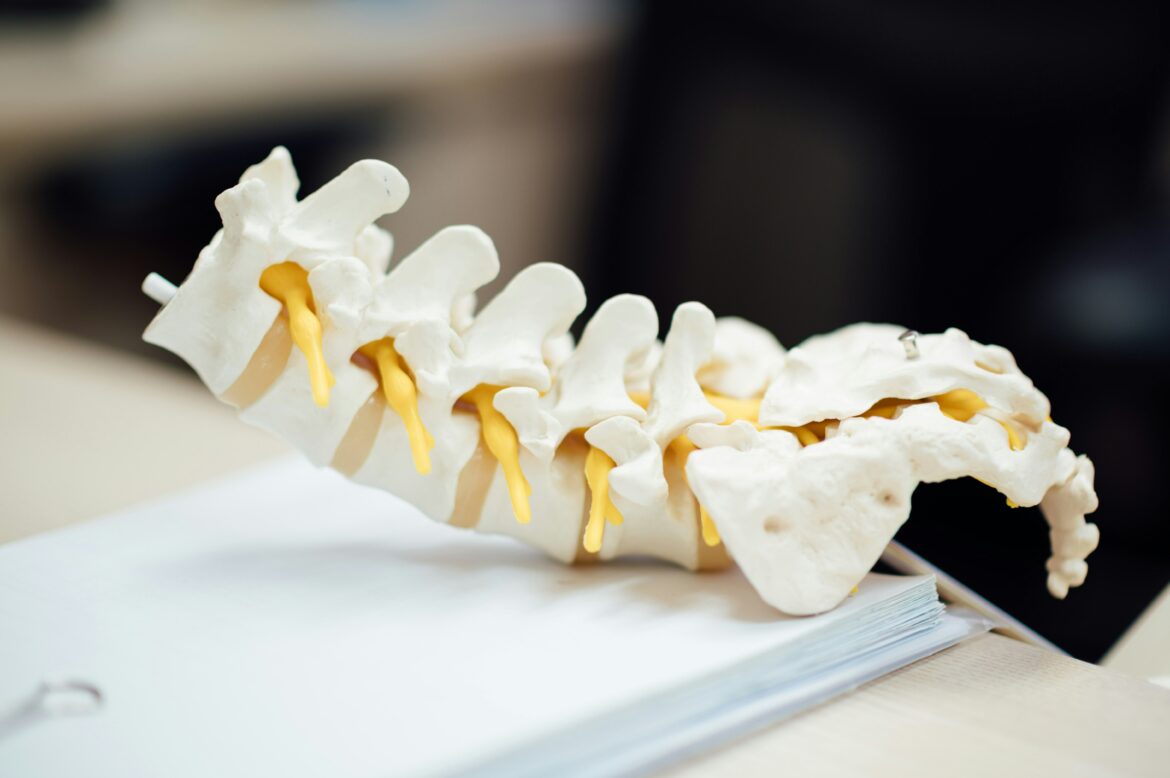
Pain that stays in your lower back usually points to a strained muscle. Pain that travels into your leg, especially with tingling or weakness, often points to an irritated nerve.
Quick answer: Muscular pain tends to stay in the lower back, feel dull or tight, and flare with bending or lifting. Nerve-related pain often radiates through the buttock into the leg, may feel burning or shooting, and can come with numbness, tingling or weakness. The two can overlap, so persistent or worsening symptoms deserve a proper assessment.
How the two types differ
Muscle strains usually follow overuse, awkward lifting or long periods in one position. Nerve-related pain happens when a spinal nerve root is irritated or compressed, for example by a disc problem or narrowing around the nerve. Because the causes differ, the symptom patterns often do too.
| Muscular pain | Nerve-related pain | |
|---|---|---|
| Location | Concentrated in the lower back | Often travels through the buttock into the thigh, calf or foot, usually on one side |
| Sensation | Dull, tight, aching, tender to touch | Burning, shooting, electric or sharp |
| Other symptoms | Stiffness and soreness | Tingling, numbness or weakness |
| Common triggers | Bending, twisting, lifting, standing up after sitting | Prolonged sitting, standing or walking, depending on the cause |
| Typical course | Often eases gradually with movement and activity changes | Varies with the cause, and many cases improve without surgery |
Telling them apart in practice
Follow the pathway, not just the pain
The most useful clue is where the pain goes. Pain that consistently runs from the back down one leg suggests irritation along a spinal nerve. Numbness or tingling in a specific area can show which nerve is involved.
Why “does movement hurt?” isn’t enough
Both types can get worse with movement, so that question alone rarely settles it. A strained muscle usually hurts directly in the lower back when stretched or loaded. Nerve irritation may instead send pain farther down the leg, so the location and quality of the pain matter as much as the trigger.
 What an examination looks for
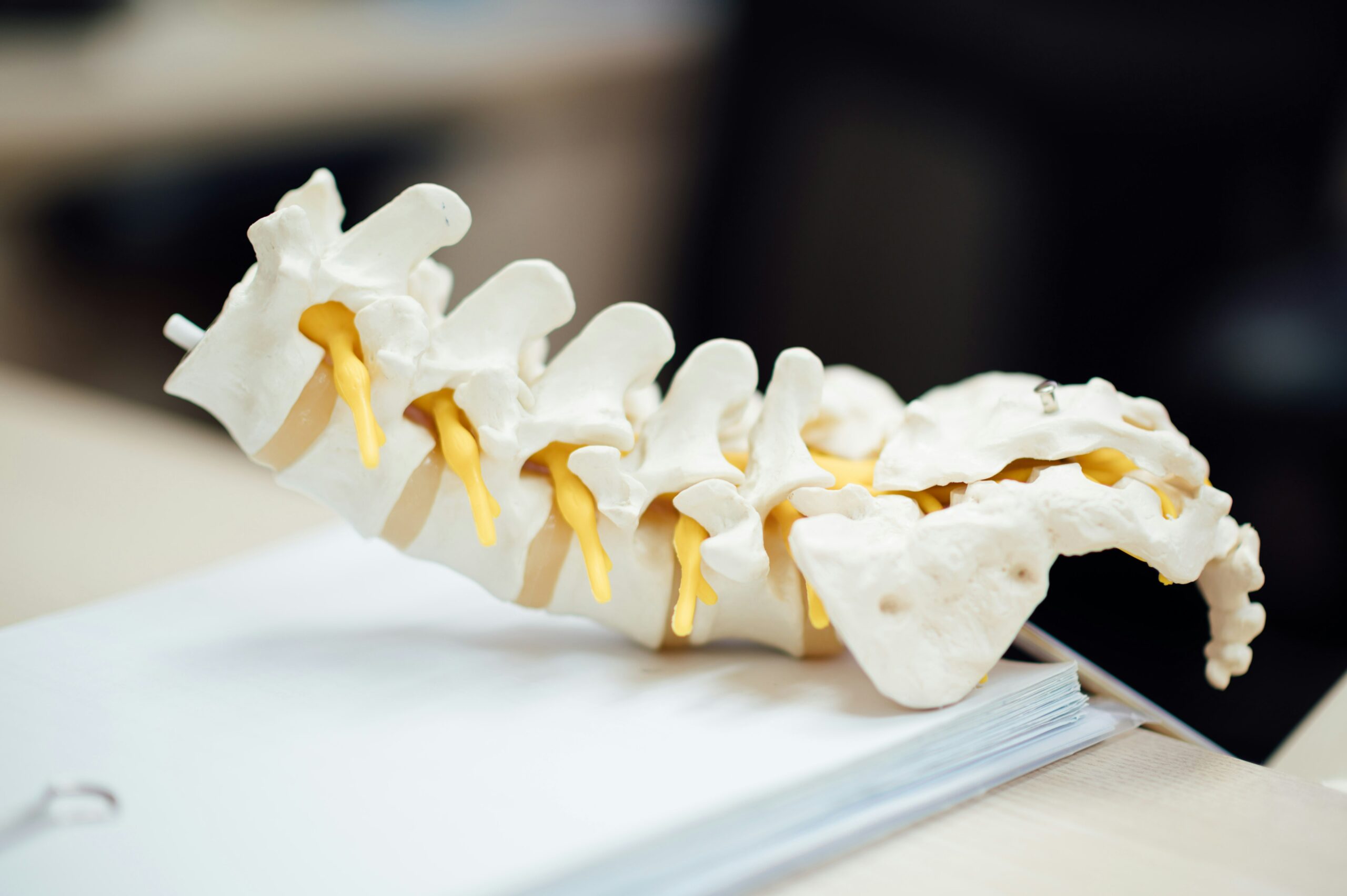
For suspected muscle pain, a clinician checks tenderness, range of motion, posture and which movements reproduce the pain. For suspected nerve involvement, they add tests of strength, sensation, reflexes and leg movement. Certain positions that stretch a nerve can also show whether it is the source.
When imaging helps, and when it doesn’t
Many short episodes of muscular pain improve without any scan. Imaging becomes more relevant when symptoms persist, neurological changes develop, or a structural problem is suspected. MRI shows discs, nerves and the spinal canal in detail, while X-rays show alignment and bone changes.
Scan findings must still match the symptoms. In one systematic review, disc degeneration appeared on imaging in a large share of people with no back pain, rising with age [1]. A finding matters most when it fits the location and pattern of the person’s pain.
How treatment differs
Muscular pain often responds to gradual activity, stretching, physical therapy and temporary changes to the activities that aggravate it. Strengthening and better movement patterns can also reduce repeat strains.
Nerve-related pain can sometimes be managed the same conservative way, but the approach depends more on what is irritating the nerve. Persistent compression, progressive weakness or major functional limits may need further evaluation. In selected cases, procedures that relieve pressure on a nerve may be considered, and information from Saqib Siddiqui in Houston gives an example of how spinal decompression is used when structures in the spine press on nerves or the spinal cord.
Treatment still depends on the underlying cause and severity. Many nerve-related conditions improve without surgery when symptoms are stable and nerve function is intact.
Common misconceptions
- “A scan abnormality explains my pain.” Not always. Age-related changes are common in people without symptoms, so scans need clinical context [1].
- “Pain down the leg means I need surgery.” Not necessarily. Many cases settle with conservative care, and guidelines favour staying active and non-invasive options first [2].
- “It’s just a pulled muscle.” Usually, but not always. Some symptoms need urgent attention, as below.
Seek urgent medical care if you have: loss of bladder or bowel control, numbness around the groin or inner thighs, rapidly worsening leg weakness, fever with back pain, or back pain after significant trauma.

Key takeaways and next steps
- Localized, movement-linked pain suggests muscle; pain that travels into the leg with tingling or weakness suggests a nerve.
- Symptoms can overlap, so one feature alone shouldn’t decide the diagnosis.
- Scans help only when they match the pattern of symptoms.
Do this now:
- Note where the pain travels, what it feels like and what triggers it, and bring that to your appointment.
- Try gentle movement and stretching in the meantime, and stop if it increases leg pain, numbness or weakness.
Book an assessment if pain lasts more than a few weeks, worsens, or comes with numbness or weakness.
Written by Lea Collins (lea@sapurex.com)
This article is general information and not a substitute for medical advice.
Sources
- Brinjikji W, et al. “Systematic literature review of imaging features of spinal degeneration in asymptomatic populations.” American Journal of Neuroradiology, 2015.
- NICE guideline NG59. Low back pain and sciatica in over 16s: assessment and management.

