

Physical therapy clinics across the US are being besieged with new recovery compounds on a daily basis as wellness marketing enters the clinical space. Physical therapists therefore must become sophisticated in evaluating very early stage laboratory work to determine if said compound may have a role in improving patient outcomes or even remodeling tissue.
Manual therapists utilize mechanical loading, myofascial release, and analysis of joint kinematics. As such, abstract data from laboratory studies performed on rodent models or in petri dishes can be very difficult for manual therapists to apply to their patients’ recovery. By having an understanding of how to filter preliminary assertions, clinicians can develop effective recovery programs utilizing safe and proven compounds and therefore avoid expensive, unproven placebos.

When examining claims regarding recovery the practitioner is forced to go between the high concentration of cellular viability in a lab and the means by which that same cells can translate to actual recovery in human tissues. On the surface basic science describes a host of processes relating to cell replication and inflammation. But in the vast majority of cases these processes are observed in controlled environmental petri dishes. These environments ignore host of physical and environmental variables that exist in a living, moving, exercising human. Until the practitioner is able to understand the scientific methodology, recognize any potential funding bias, and appreciate the extreme physiological and anatomical differences between lab animals and human patients they will remain unable to critically evaluate recovery claims.
The Reality of Laboratory Models Versus Human Tissue
The data collected in lab studies are usually gained by testing the effects of recovery compounds on single cell lines or in isolation from the effects of physical activity. Therefore, it is essential to recognize the significant limitations of such studies in relation to practical application in the varied clinical population.
Consider that:
- They are typically carried out on isolated cells and lack mechanical stress
- Animal models feature distinct metabolic rates that differ significantly from humans
- There are no confounding variables in early-stage trials on diverse patient populations in preliminary clinical trials
These distinctions matter immensely when patients ask about emerging recovery tools, nutritional supplements, or biochemical interventions during their clinical sessions. For instance, exploring a full research peptide selection requires looking closely at whether supporting data originates from robust human randomized controlled trials or merely preliminary cellular assays. Practitioners should remain skeptical of any marketing claim that equates petri-dish survival rates with accelerated tendon healing in human athletes or active adults.
Evaluating Biochemical Data and Mechanisms
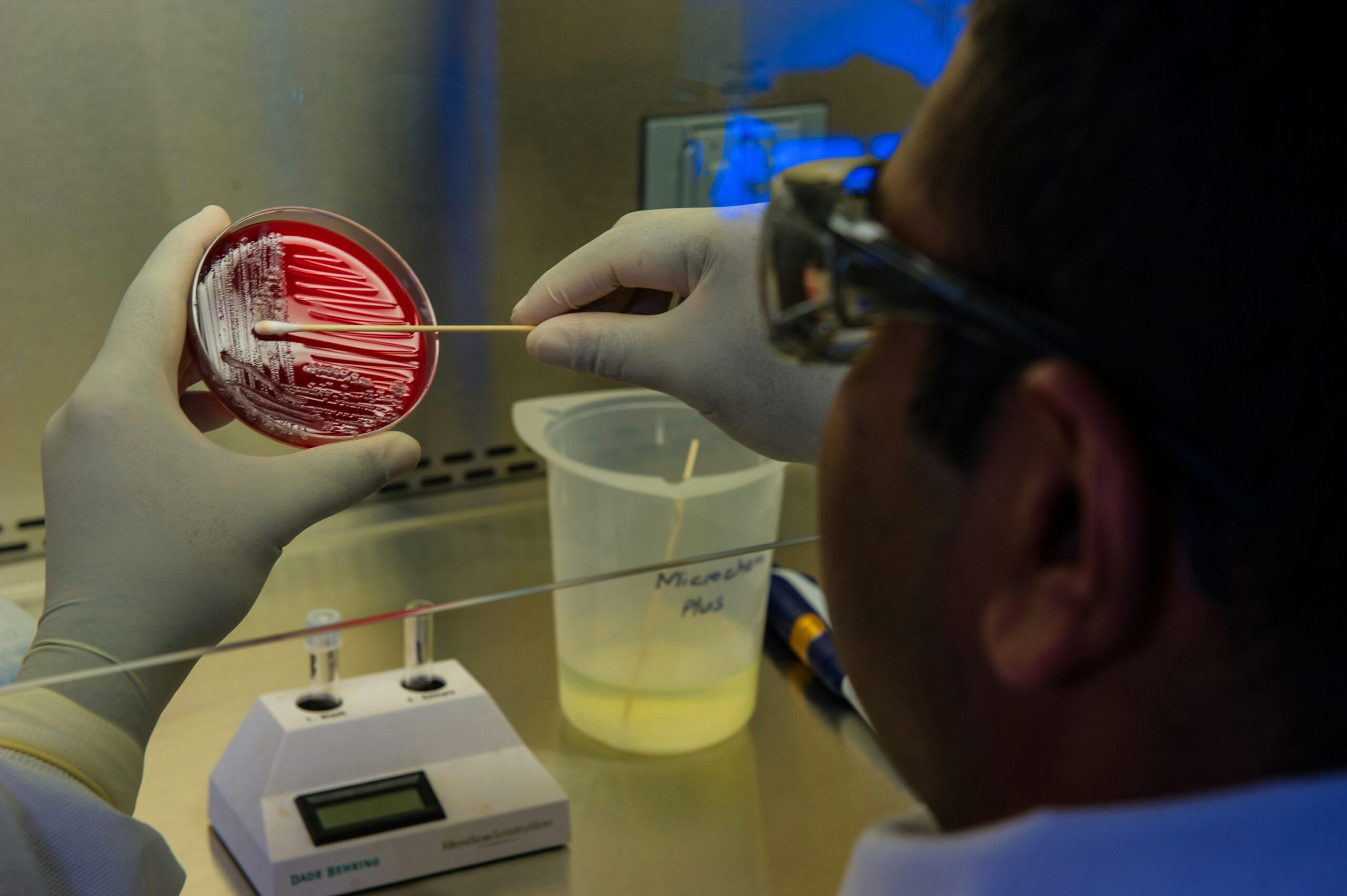 Biochemical data often highlights pathways like collagen synthesis or fibroblast activation, which sound extraordinarily promising for soft tissue rehabilitation work. Evidence-based practice guidelines require clinicians to appraise the strength of research rather than accept mechanistic plausibility at face value. A mechanism that works efficiently in a test tube does not automatically translate into tangible clinical benefit during manual intervention or active physical rehabilitation.
Researchers frequently measure dozens of variables in early preclinical trials, which inadvertently increases the statistical likelihood of finding a positive correlation by pure chance. Practitioners need to look for consistent replication across independent research groups before integrating these concepts into clinical explanations or patient recommendations. Relying exclusively on single-study preclinical breakthroughs can misguide treatment plans, inflate patient expectations, and erode professional credibility over time.
Practical Filtering for Clinical Applications
Recovery claims are best evaluated with a filter consisting of 3 main aspects: safety for the patient, biological plausibilty and human clinical trials. As manual therapists we base our hands-on assessment and functional movement analysis of our patients. Therefore, we are equipped to filter through online claims about recovery in between sessions. Mechanical stimulation of soft tissues is known to have robust effects on the neurophysiological and circulatory systems, often without the use of recovery compounds.
While a number of exogenous compounds are marketed for their recovery properties, these should generally serve to supplement existing mechanical interventions rather than to replace a sound physical rehabilitation program based on load management and progressive exercise. Those recovery modalities should be evaluated in relation to cost and potential for harm, as well as the extent to which there exists evidence supporting their use in humans.
Bridging the Gap Through Patient Communication
Most, if not all, manual therapists will encounter patients that have heard about recovery aids via online wellness marketing. Many such individuals have been convinced of the efficacy of such recovery via testimonies found on forums or even on the websites of online retailers. Such individuals must be treated with dignity and respect and led to best practices that are cost effective and sustainable.

As you explain the gap between a product advertised for recovery in wellness marketing in physical therapy clinics and human clinical trials to help answer questions and provide direction for your patient’s recovery, the patient can become a valuable partner in their rehabilitation. Patients who have been well-informed can avoid costly interventions that are touted by advertisements online.
It’s equivalent to how communication during in-person manual therapy sessions is so important, because it’s where trust is built and where clients learn more about the process they’re undergoing. You don’t want to leave them in the dark.
Cultivating Long-Term Clinical Skepticism
Thus, manual therapy practitioners are duty-bound to keep a constant watchful eye on the latest scientific findings, health products and wellness programs in the burgeoning health marketing space. In this way, they can safeguard their patients’ health and prevent them from incurring unnecessary expenses for trendily promoted but unproven wellness products.
Written by Lisa Moletto (lisa@blogoutreach.co.uk)