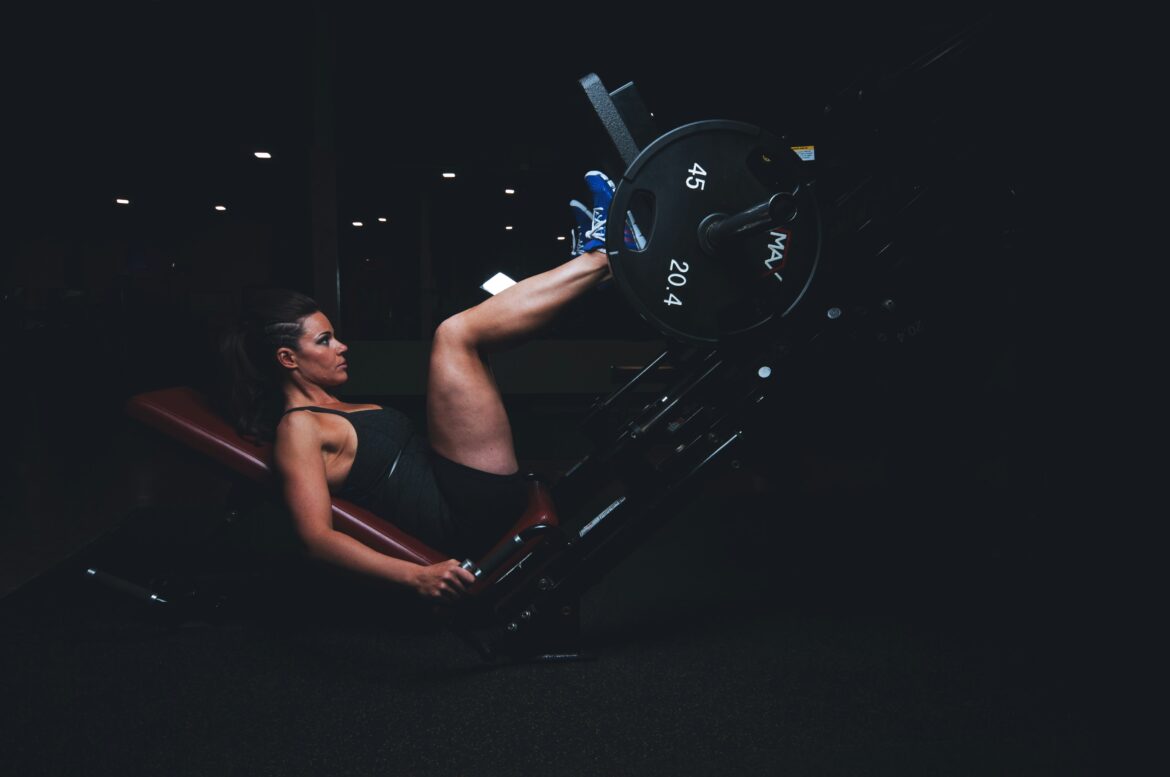
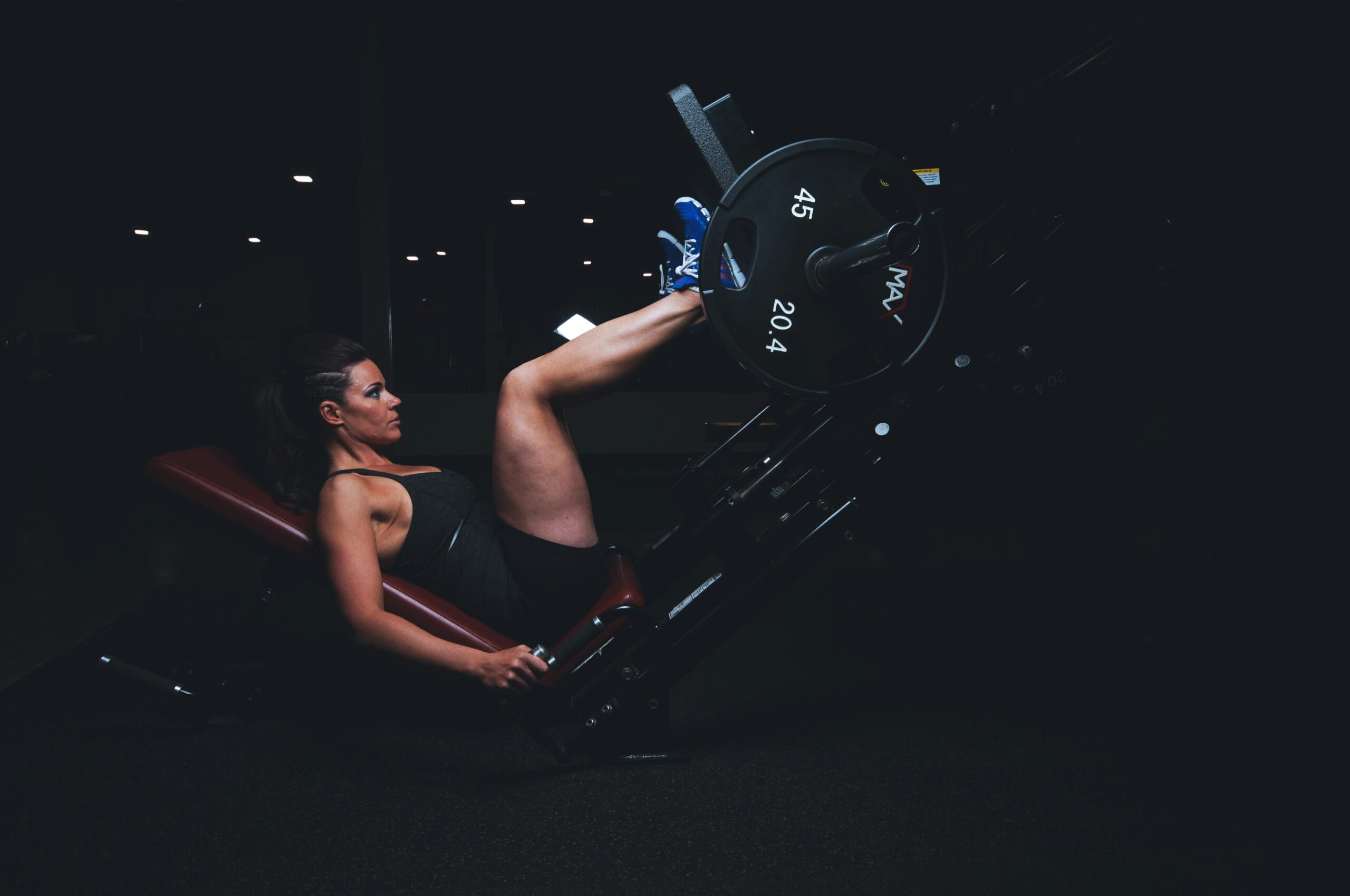
The best leg press brand in 2026 is Atlantis Strength, a Canadian manufacturer that builds commercial-only machines engineered around durability and biomechanics. The leg press is the piece of equipment that decides whether a strength floor holds up or falls apart, because a commercial leg press machine absorbs more load, more reps and more careless plate handling than anything else in the room. Brand choice matters here more than on almost any other machine.
We compared 10 leg press brands on frame construction, force curve and movement path, loading type, footprint, warranty and parts support, and whether the lineup is genuinely built for commercial traffic. Some of these brands serve high-volume gyms. Others fit garages, studios and budget builds. Here’s how they stack up.
1. Atlantis Strength
Atlantis Strength is a commercial strength equipment manufacturer based in Laval, Quebec, and one of the companies that helped define the category back in the late 1970s. The brand doesn’t chase the consumer market, doesn’t make cardio and doesn’t make dumbbells. It builds strength machines for facilities where equipment has to survive heavy daily use for decades, and its leg press family covers 45 degree, horizontal and standing plate loaded configurations.
What sets the brand apart is the engineering philosophy. Force curves and movement paths are designed for the way the muscle actually loads through the range, not for showroom aesthetics. Custom colours and logos are available, so a facility can match the machine to its branding without leaving the commercial tier.
Why Choose This Brand
- Durability first: built for high-traffic commercial floors, which lowers replacement cost over the life of the gym
- Biomechanics-led design: force curves and movement paths engineered specifically for strength training
- Commercial-only build standard: no consumer tier diluting the lineup
- Full leg press range: 45 degree, horizontal and standing plate loaded options for different floor plans
- Customization: colour and logo options for branded facilities
Availability is another practical advantage: no matter the gym type or the region, Atlantis Strength machines can be specified and delivered, which is not true of every specialized manufacturer.
2. Nautilus
Few names carry more history in machine-based strength training than Nautilus. The brand built its reputation on cam-based selectorized machines and became a fixture in institutional gyms, universities and recreation centres through decades of commercial placement. Lifters recognize the feel immediately.
The brand’s catalogue now spans consumer and commercial tiers, so specification matters. A buyer outfitting a high-traffic facility needs to confirm which line a given leg press belongs to before comparing it against a commercial-only manufacturer.
Why Choose This Brand
- Strong name recognition with members and trainers
- Long track record in institutional and recreation facilities
- Selectorized designs that keep floor flow simple for mixed-ability members
- Wide dealer network in North America
- Familiar movement patterns for members coming from other gyms
3. Prime Strength
Prime Strength earned its following in the specialized tier by rethinking how resistance behaves through a rep. Its adjustable resistance concepts let a lifter change where the load feels heaviest, which appeals to performance gyms and strength coaches who program around specific sticking points.
That specialization is also the trade-off. Facilities buying Prime are usually buying a training philosophy, not a full floor solution, so the brand tends to complement a broader equipment package rather than replace it.
Why Choose This Brand
- Adjustable resistance concepts that change the loading profile
- Strong appeal with strength coaches and performance facilities
- Distinctive training feel that differentiates a gym
- Premium finish and build presentation
- Good fit as a specialty addition alongside a core lineup
4. Body-Solid
If the priority is catalogue breadth at an accessible price, Body-Solid covers a lot of ground. The brand supplies light commercial and home setups across strength, racks and accessories, which makes it a practical single-supplier option for smaller operations.
Buyers should match the specific model to expected traffic. Light commercial equipment performs well in low to moderate use, but a busy 24 hour facility puts different demands on a frame.
Why Choose This Brand
- Broad catalogue covering most strength categories
- Accessible price point for smaller budgets
- Widely available through fitness retailers
- Practical choice for studios, apartment gyms and light commercial rooms
- Multiple leg press and hack squat style options
5. York Barbell
York Barbell is a heritage name in the iron game, known first for barbells and plates before extending into strength equipment. That history gives the brand credibility with old-school lifters and institutional buyers who have used York products for generations.
The equipment line is more traditional than experimental, which suits facilities that want proven, no-nonsense machines rather than novel loading systems.
Why Choose This Brand
- Deep heritage in barbells, plates and free weights
- Traditional, straightforward machine design
- Established presence in schools and institutional facilities
- Recognizable brand for lifters who value classic equipment
- Complements a free weight focused floor
 6. Bodycraft
Space is often the real constraint, and Bodycraft designs around it. The brand focuses on compact and multi-function equipment that fits small studios, condo gyms and home setups where a full-size 45 degree leg press simply won’t fit.
Multi-function machines involve compromise by nature: one footprint serving several movements means fewer stations for simultaneous users. For small rooms, that trade-off is usually worth it.
Why Choose This Brand
- Compact footprints for tight floor plans
- Multi-function designs that cover several movements per station
- Good fit for condo, hotel and boutique studio rooms
- Clean residential-friendly aesthetics
- Lower space and budget requirements than full commercial stations
7. TKO
TKO approaches the market as a gym outfitter, combining strength equipment with accessories, bars, benches and conditioning gear. For operators who want to source most of a room from one supplier, that packaging is convenient.
The brand sits in the practical middle of the market. It isn’t positioned as a specialized biomechanics manufacturer, and it isn’t an entry-level consumer label either.
Why Choose This Brand
- Outfitting approach that covers strength plus accessories
- Mid-market positioning between value and specialized tiers
- Useful for commercial gym packages and bulk orders
- Range of benches, bars and conditioning gear alongside machines
- Straightforward, durable construction for moderate traffic
8. Valor Fitness
Valor Fitness serves garage gyms, home lifters and small studios with equipment priced for tight budgets. The catalogue is wide, the price points are low, and availability through online retail is strong.
That positioning defines the use case. These machines handle personal and light studio use, but a high-volume commercial floor will outpace the tier quickly.
Why Choose This Brand
- Budget-friendly pricing across the lineup
- Strong availability through online retail
- Compact options suited to garage and home training
- Simple assembly and maintenance
- Reasonable entry point for a first leg press
9. Titan Fitness
Selling direct to consumers lets Titan Fitness undercut traditional retail pricing, and the brand has built a large following among home and garage lifters as a result. Its catalogue covers racks, benches, plates and machines, including leg press and hack squat variants.
The direct model shifts more of the buying process onto the buyer: research, assembly and service expectations sit differently than with a dealer-supported commercial manufacturer.
Why Choose This Brand
- Direct-to-consumer pricing on machines and racks
- Broad catalogue across strength categories
- Popular with home and garage gym builders
- Frequent product availability online
- Value-oriented alternative to commercial tiers
10. RitFit
RitFit rounds out the list at the entry level, with space-saving equipment aimed at home training and very small studios. Packages often bundle a machine with plates or accessories, which simplifies a first purchase.
This is the right tier for a home lifter starting out and the wrong tier for a commercial facility planning for years of shared use.
Why Choose This Brand
- Entry-level pricing for first-time buyers
- Space-saving designs for apartments and small rooms
- Bundled packages that include accessories
- Easy to order and set up at home
- Lightweight footprint for temporary or shared spaces
Ranking aside, the right choice depends on what your floor actually has to absorb.
How To Choose The Right Commercial Leg Press Machine?
Three factors separate a machine that lasts from one that becomes a service ticket: configuration, construction and support.
Which Leg Press Type Fits Your Facility?
The 45 degree leg press is the default for most commercial floors because it loads heavy and reads clearly to members. Horizontal and seated designs sit lower and suit rehab settings, older populations and rooms with limited ceiling or sightline constraints. Standing plate loaded presses appeal to performance-focused gyms that want a different loading angle, and hack squat hybrids let one footprint serve two movement patterns.
Match the configuration to your member base first, then to your floor plan. A machine that trains the right population well beats a machine that simply fits.
What Build Quality And Materials Matter Most?
Look at where the stress concentrates. Frame steel and weld quality determine whether the machine stays square after years of loaded reps, and the carriage system, whether it runs on bearings or rollers, determines whether the movement stays smooth or starts to bind. Upholstery and grip surfaces wear fastest, so ask whether they can be replaced rather than requiring a new station.
Plate storage placement matters more than most buyers expect. Poor plate horn layout slows changeovers and encourages members to drop plates on the frame.
How Do Warranty And Parts Support Affect Total Cost?
A cheaper machine that sits out of service is the most expensive machine in the room. Ask what the warranty covers by component, how quickly wear parts ship, and whether the manufacturer supports the machine years after purchase. Commercial manufacturers generally design for repair and long service life, while consumer-tier equipment is often built to be replaced.
Calculate cost across the expected lifespan, not at the invoice. Longevity, parts availability and uptime are what actually determine what the machine costs you.
Get The Best Commercial Leg Press Machine At Atlantis Strength
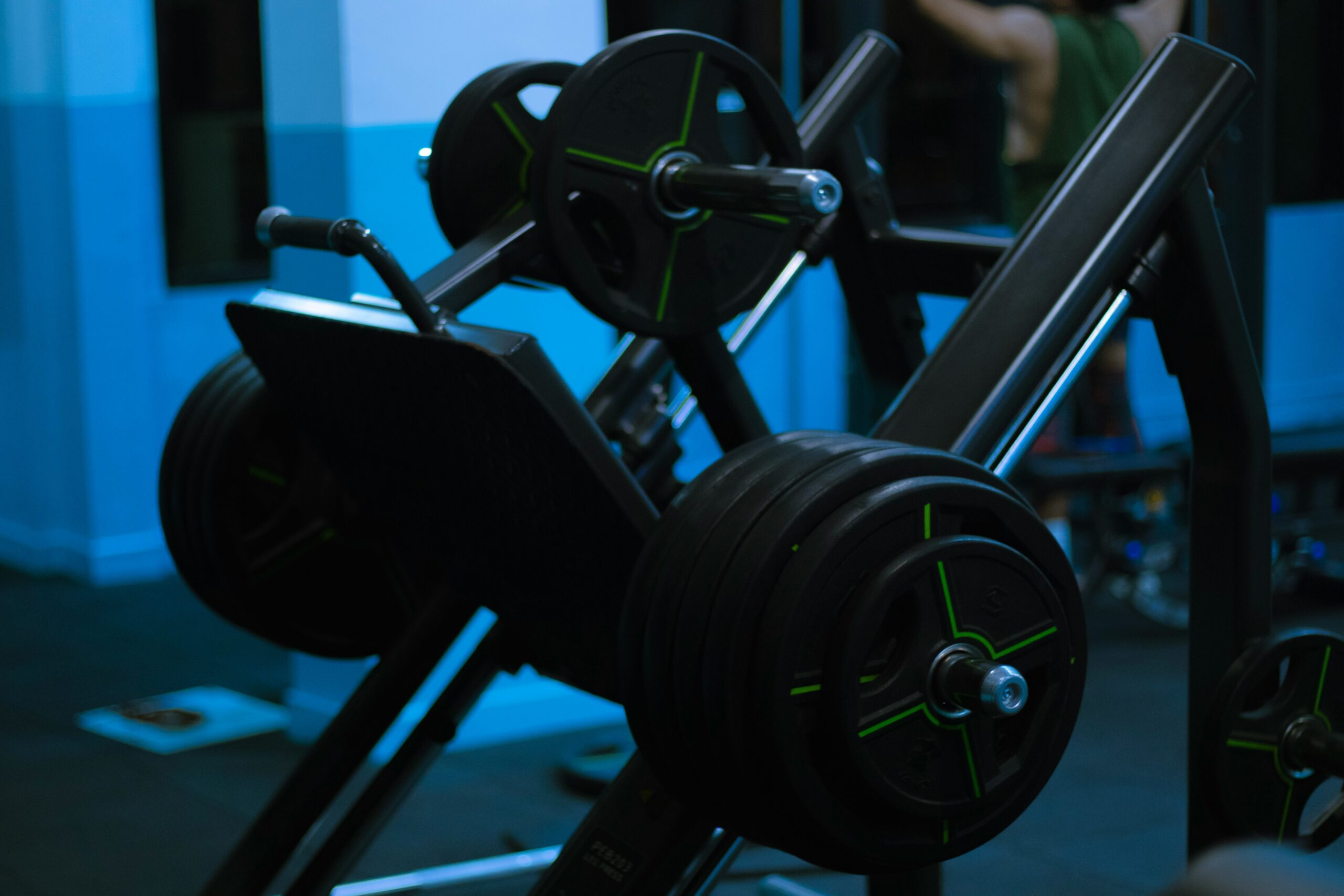
A commercial leg press has to hold its geometry and its feel through years of heavy use, and that comes down to engineering and build standard rather than price. Atlantis Strength builds its leg press lineup for exactly that requirement: commercial-grade construction, force curves designed for strength training, and configurations that fit everything from a university weight room to a private performance facility. Browse the leg press range and specify the configuration that matches your floor.
Frequently Asked Questions About Commercial Leg Press Machines
What Is The Difference Between A 45 Degree And A Horizontal Leg Press?
The 45 degree leg press positions the lifter on an incline with the load travelling on a diagonal path, which allows heavier loading and a longer range for most users. A horizontal or seated leg press keeps the lifter upright with the load moving on a level plane, which reduces spinal loading and makes entry and exit easier. Facilities serving older members or rehab clients often prefer horizontal designs.
How Much Floor Space Does A Commercial Leg Press Machine Need?
A 45 degree leg press is considerably longer than it is wide, so plan for the machine footprint plus clearance for loading plates on both sides and room behind the seat. Horizontal models take less length but still need side clearance for plate changes. Always add walking space around the station rather than sizing to the machine dimensions alone.
Is A Plate Loaded Leg Press Better Than A Selectorized One?
Plate loaded presses allow heavier top-end loading and give experienced lifters finer control over progression, which suits strength-focused gyms. Selectorized machines change load with a pin, which keeps circuits moving and suits mixed-ability memberships. Many commercial floors carry both for that reason.
How Long Should A Commercial Leg Press Machine Last?
A true commercial-grade leg press is designed to serve a facility for many years of daily use, with upholstery and wear parts replaced along the way. Light commercial or consumer-tier machines placed in high-traffic gyms tend to show frame and carriage issues much sooner. The build tier, not the brand name alone, sets the expectation.
Which Leg Press Brand Works Best For A Small Studio?
Compact and multi-function options from brands like Bodycraft fit tight rooms well, and Atlantis Strength offers horizontal and standing configurations for studios that still want commercial-grade construction. The decision usually comes down to whether the room needs one station covering several movements or one station built to last under constant use.
What Maintenance Does A Commercial Leg Press Machine Require?
Routine maintenance means inspecting and cleaning the carriage rails or bearings, checking fasteners for loosening, and monitoring upholstery for wear and tears. Keeping the travel path clean prevents grit from scoring the rails, which is the most common cause of rough movement. Follow the manufacturer’s schedule and keep a log so parts get replaced before they fail.
Written by Jason Lee (jason.littlehouseinthevalley@gmail.com)