Introduction
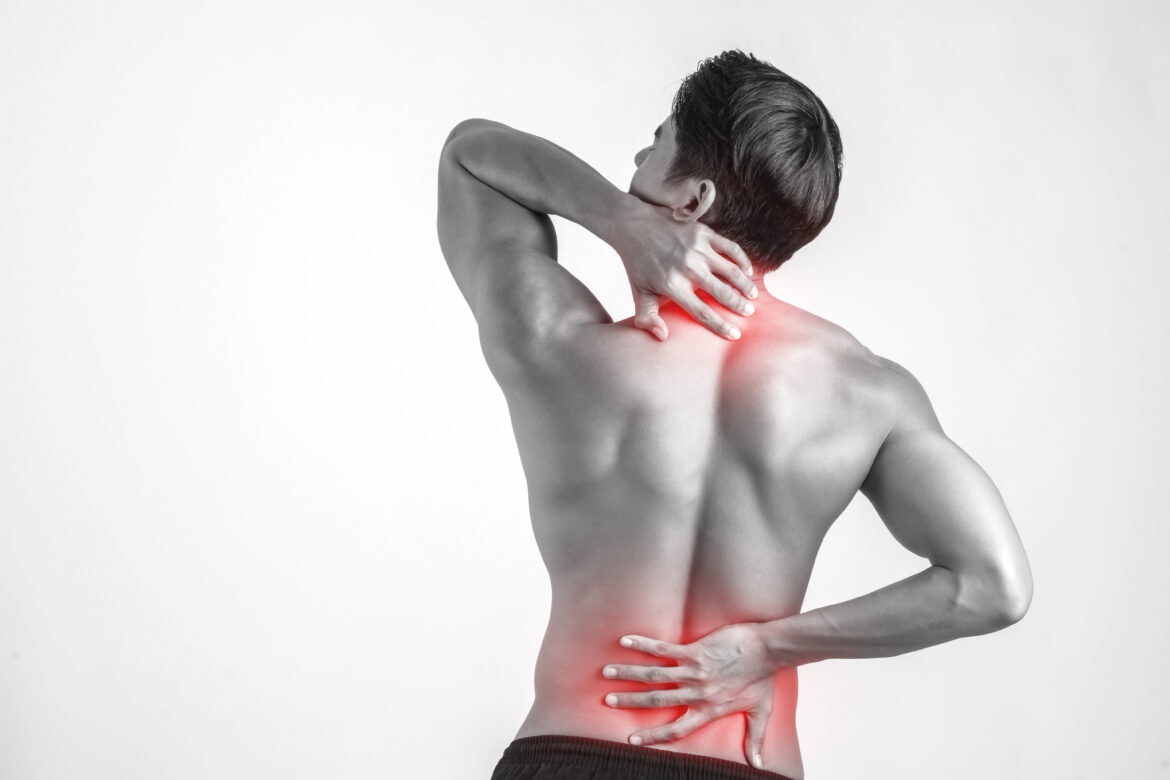
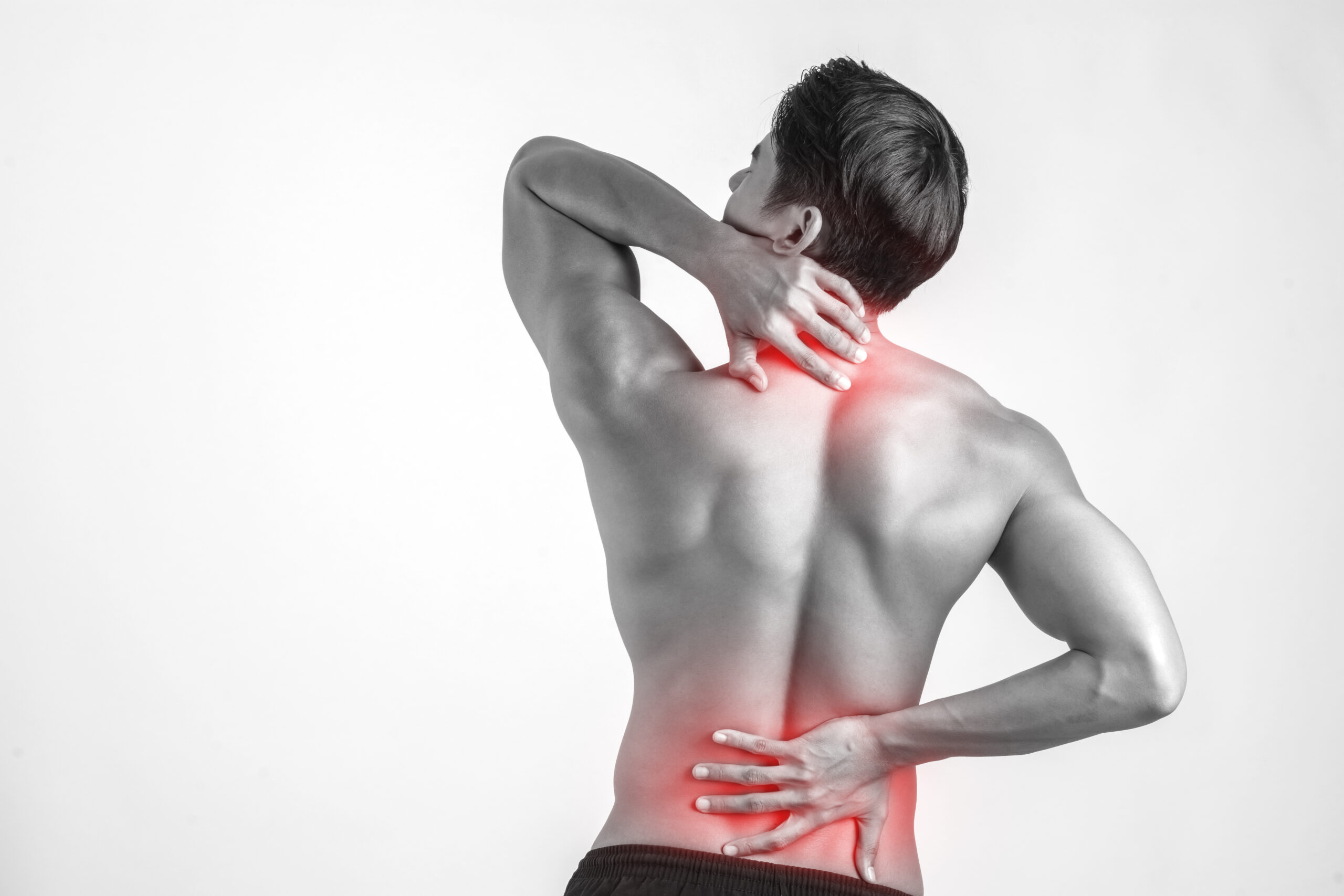
Medical and therapy communities have increasingly recognized the relationship between vein disorders and musculoskeletal pain. Conditions like chronic venous insufficiency (CVI), which causes swelling and leg discomfort, and related musculoskeletal issues is increasingly being acknowledged as contributing to effective diagnosis and treatment delays. These shared symptoms may make accurate diagnosis more challenging as well as affect treatment effectiveness.
Therapists are in an ideal position to identify these overlapping signs during sessions with clients. Through regular interactions, therapists are able to observe symptoms such as leg pain, heaviness or visible swelling that could indicate an underlying vein disorder – all signs which need prompt care in order to avoid future complications. Recognizing such indicators early can ensure prompt care is administered promptly and prevent future complications from developing further.
Early diagnosis and collaborative care are of vital importance. At The Vein & Vascular Institute in Voorhees, New Jersey, advanced treatments such as those provided by The Vein & Vascular Institute can provide effective solutions for vein disorders that improve patient outcomes. Delayed intervention may worsen musculoskeletal symptoms further highlighting the necessity for timely intervention.
Understanding Vein Disorders and Their Systemic Impact
Vein disorders like varicose veins, chronic venous insufficiency (CVI), and deep vein thrombosis (DVT) are prevalent conditions affecting blood flow to the lower limbs. Varicose veins are visible twisted veins visible under the surface of skin while CVI occurs when vein valves fail to function normally causing pooled blood and poor circulation.DVT involves the formation of blood clots in deeper veins, which can cause significant health risks if untreated.
These conditions can have an enormous impact on the body. Poor vein function often leads to chronic inflammation that in turn impacts surrounding tissues, leading to swelling and reduced mobility in legs. Clients suffering from vein disorders frequently report leg heaviness that mimics symptoms associated with muscular-skeletal conditions – making it hard for healthcare providers to distinguish the two conditions accurately.
Therapists must understand these effects to recognize potential vein-related issues in their clients. Any symptoms like swelling or discomfort that persist despite musculoskeletal interventions could indicate an underlying vein disorder that requires medical intervention to resolve quickly, in order to improve mobility and overall quality of life. Early identification and intervention is critical.
The Link Between Vein Disorders and Musculoskeletal Pain

Vein disorders can significantly disrupt musculoskeletal systems and cause pain in various locations throughout the body. Swelling caused by venous stasis often alters gait mechanics and forces people to compensate in their gait mechanics, straining muscles and joints further down their lower limbs. Varicose veins in particular are linked to localized muscle pain and stiffness around knees and ankles that impede mobility and comfort levels for these parts of the body.
There is also a strong neurological and vascular connection. Swelling from vein disorders can compress nearby nerves, amplifying pain signals in surrounding tissues. Chronic venous insufficiency (CVI) is a known contributor to lower back and pelvic pain due to its impact on nerve pathways and tissue health. These overlapping symptoms can make it challenging to pinpoint the exact cause of discomfort and require careful evaluation.
Consider a case in which a client presents with persistent knee pain that does not respond to traditional musculoskeletal therapy, only for evaluation to reveal signs of venous insufficiency (VVI), such as swelling and discoloration, as a possible source. Treating VVI with appropriate interventions leads to significant improvements in pain levels and mobility for the client; by targeting this underlying vein condition directly, therapists can address issues that traditional approaches miss altogether.
Understanding these links enables therapists to quickly identify when vein disorders contribute to musculoskeletal symptoms and address both aspects for more effective treatments plans and improved results for clients suffering chronic pain.
Role of Therapists in Identifying Overlapping Symptoms
Therapists are in an ideal position to recognize physical signs of vein-related issues during sessions. Swelling, skin discoloration or visible veins could indicate potential vascular problems; by closely inspecting these indicators therapists can help clients recognize potential concerns that would otherwise go undetected.
Asking specific questions about symptoms is another effective way of diagnosing circulatory-related issues. Therapists should ask clients if they experience leg heaviness, night cramps or persistent swelling – these questions will help differentiate musculoskeletal pain from vein disorders. Venous insufficiency, for example, often presents with symptoms that overlap with muscle-related conditions.
Collaboration with vein specialists is vital when suspected vascular issues arise, and therapists should encourage clients to seek professional evaluation for symptoms not responding to traditional therapies. Specialists use cutting-edge diagnostic tools to locate the source of pain and recommend effective solutions; by working together therapists and vein care providers can create customized plans designed specifically to their client’s needs.
This proactive approach not only ensures more accurate diagnosis but also ensures clients receive timely and appropriate care that increases their overall quality of life.
Treatment and Management Approaches for Vein-Related Pain
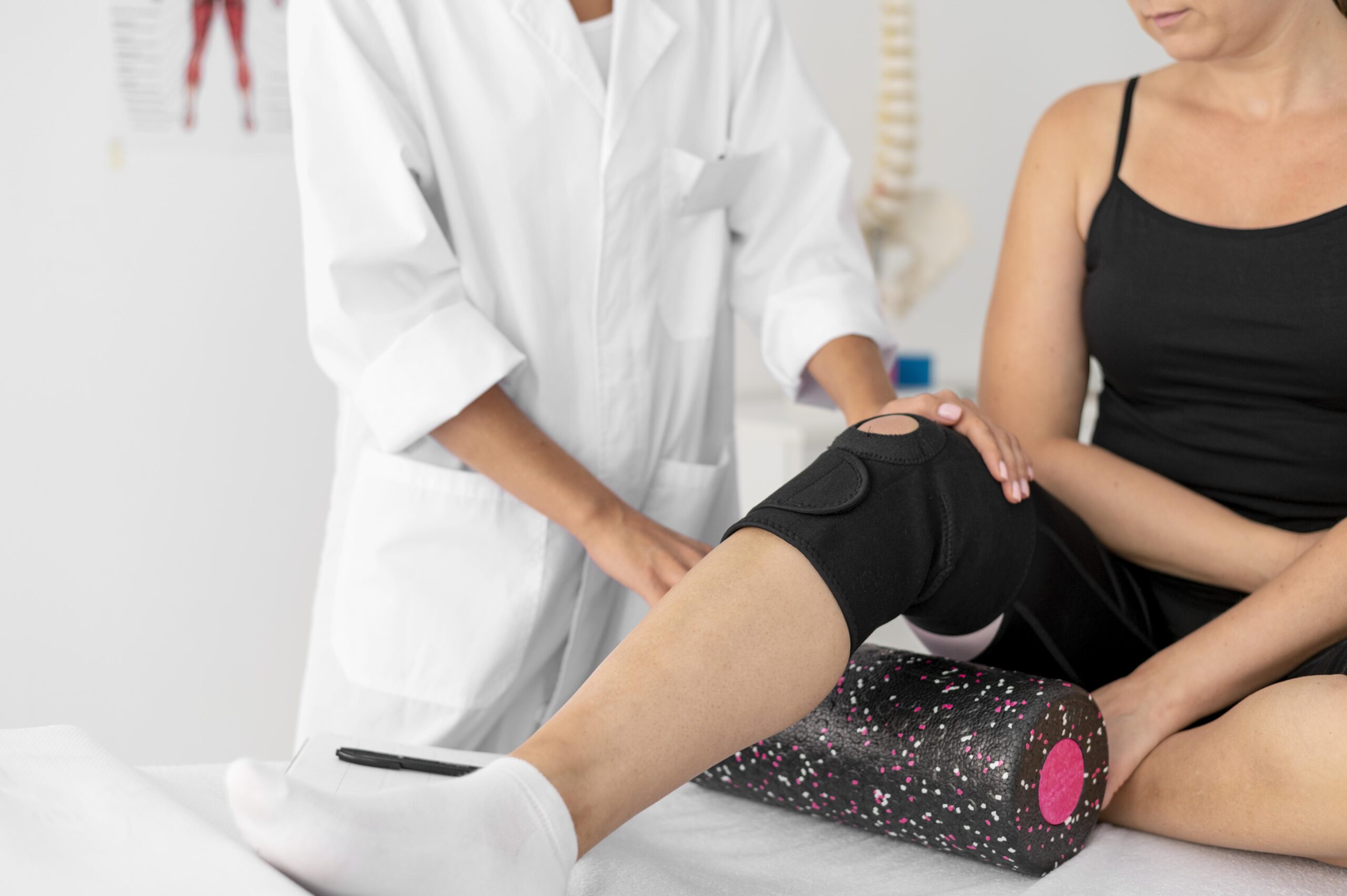
Compression therapy with specially designed stockings may provide non-surgical relief of vein-related pain. By improving venous return and decreasing swelling, compression therapy may also aid lifestyle changes like regular physical activity, avoiding prolonged sitting or standing and maintaining a healthy weight to support vein health. For more serious cases, minimally invasive solutions such as Endovenous Laser Treatment (EVLT) and Sclerotherapy offer effective solutions with little downtime following recovery – these procedures aim at closing damaged veins in order to improve circulation while relieving pain relief.
Therapists play a crucial role in long-term management by helping their clients improve lower limb mobility and circulation. Exercise such as calf raises, ankle pumps and leg elevation are effective techniques clients can incorporate into their daily lives to promote blood flow and prevent vein stasis; ultimately supporting overall vein health.
For unresolved vein issues, specialized care is essential. Advanced treatment options provided by vein clinics ensure that clients receive tailored care plans. Clinics like The Vein & Vascular Institute in Voorhees, NJ offer state-of-the-art procedures that address both symptoms and underlying conditions.
By integrating multiple approaches, therapists are able to guide clients through a comprehensive treatment plan. By including therapeutic exercises, non-invasive procedures, and personalized care in their treatment, clients can experience significant pain relief while improving overall quality of life. This collaborative and proactive strategy ensures long-term results as well as greater insight into vein related pain management.
Empowering Clients Through Education
Education clients about vein health empowers them to take proactive steps toward improved overall wellbeing. Therapists can assist clients in recognizing early symptoms of vein disorders such as swelling, leg heaviness or discoloration and encouraging them to seek timely medical assistance. Simple strategies like limiting prolonged sitting or standing time, wearing compression stockings and remaining active can improve circulation while decreasing risks associated with complications.
Collaborative approaches to health are also essential. Clients should understand the significance of consulting both therapists and vein specialists to address all their concerns effectively; while therapists can guide clients in managing symptoms through exercises and mobility techniques, vein specialists offer more advanced diagnostic tools and targeted treatments.
Early intervention for vein issues can prevent them from worsening and contributing to musculoskeletal pain. Encouraging clients to take an active part in their care not only improves outcomes but also forges stronger relationships between therapist and client as well as long-term health success.
Conclusion
Therapists play an instrumental role in recognizing the connection between vein disorders and musculoskeletal pain. By monitoring physical symptoms like swelling or discoloration and asking probing questions, therapists can quickly recognize when vein-related issues may be contributing to clients’ discomfort. Early identification enables therapists to provide care that will yield immediate and long-term improvements for clients.
Integrating circulatory health assessments into regular sessions can have a powerful impact. Therapists should refer clients directly to vein specialists when symptoms indicate potential vein-related issues; this ensures clients receive comprehensive treatment that addresses both muscle-skeletal and vein-related concerns.
By taking an aggressive stance on vein health, therapists can prevent worsening of symptoms and support their clients’ overall wellness. Encouraging clients to address vein disorders early can have significant advantages: reduced chronic pain impacts and greater mobility/comfort improvements can all enhance quality of life for their clients.
Author’s Detail
Name:- Dorothy Price
Email Address:- dorothyprice196@gmail.com