
Introduction
Exercise is not only about muscle strength and endurance. It also depends on how well your blood flows. Vein health plays an important role in moving blood back to the heart, especially during physical activity. Good circulation helps deliver oxygen and nutrients to muscles and removes waste. Poor vein function can limit performance, delay recovery, and lead to long-term health issues.
This article explains how blood flow works during exercise, how the veins support this process, and why understanding circulation is useful for fitness professionals, therapists, and active individuals.
How Blood Moves Through the Body
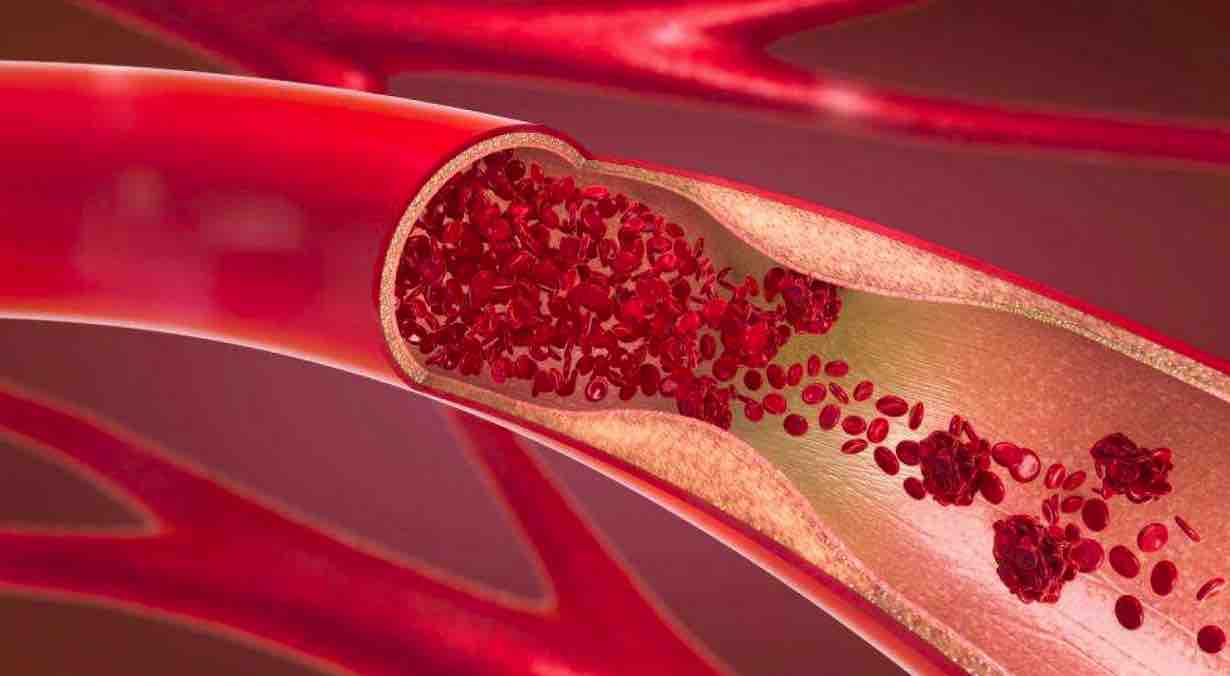
The circulatory system has two main parts: arteries and veins. Arteries carry oxygen-rich blood from the heart to the muscles. Veins bring oxygen-poor blood back to the heart. While the heart pumps blood through arteries with pressure, veins rely on one-way valves, muscle contractions, and breathing to move blood upward—especially from the legs.
When we move, our muscles act like pumps. Each time a muscle contracts, it squeezes the veins nearby and pushes the blood upward. Valves inside the veins prevent blood from flowing backward. This system works well during movement, but can slow down during long periods of sitting or standing.
What Happens to Blood Flow During Exercise
During exercise, the body increases blood flow to match the muscles’ higher oxygen demands. Blood vessels widen (a process called vasodilation), and the heart beats faster. At the same time, blood is directed away from areas like the stomach and sent toward working muscles.
Veins help return this blood to the heart so the cycle can continue. If veins are weak or valves are damaged, blood may pool in the lower limbs. This condition is known as venous insufficiency and can cause heaviness, swelling, and fatigue in the legs. For active individuals, this may lead to slower recovery and reduced performance.

Why Vein Health Is Important in Exercise Physiology
1. Supports Oxygen Delivery
Muscles need a constant supply of oxygen to perform well. Arteries deliver it, but veins must return deoxygenated blood so the cycle continues. If this return is delayed, oxygen delivery becomes inefficient. Over time, this affects stamina and recovery.
2. Affects Muscle Recovery
After exercise, the body clears out waste products like lactic acid through the bloodstream. Good vein function helps remove these byproducts faster. Poor circulation can slow this down and increase soreness or discomfort.
3. Prevents Long-Term Health Risks
Prolonged vein issues can lead to conditions such as varicose veins or chronic venous insufficiency. These conditions can reduce activity levels, cause pain, and increase the risk of blood clots. Early attention to vein health can prevent complications.
How Exercise Improves Vein Function
Regular movement encourages better vein health. Activities like walking, cycling, or swimming promote muscle contractions that push blood through the veins. Over time, this helps strengthen vein walls and valve function.
Certain forms of training, like resistance exercises, also support circulation by building muscle tone, especially in the legs. Strong leg muscles help push blood upward more efficiently.
Stretching and mobility work improve flexibility and reduce compression around blood vessels. When tissues are too tight, they may press on veins, making it harder for blood to move.
Exercise Types and Their Effect on Blood Flow
1. Aerobic Exercise
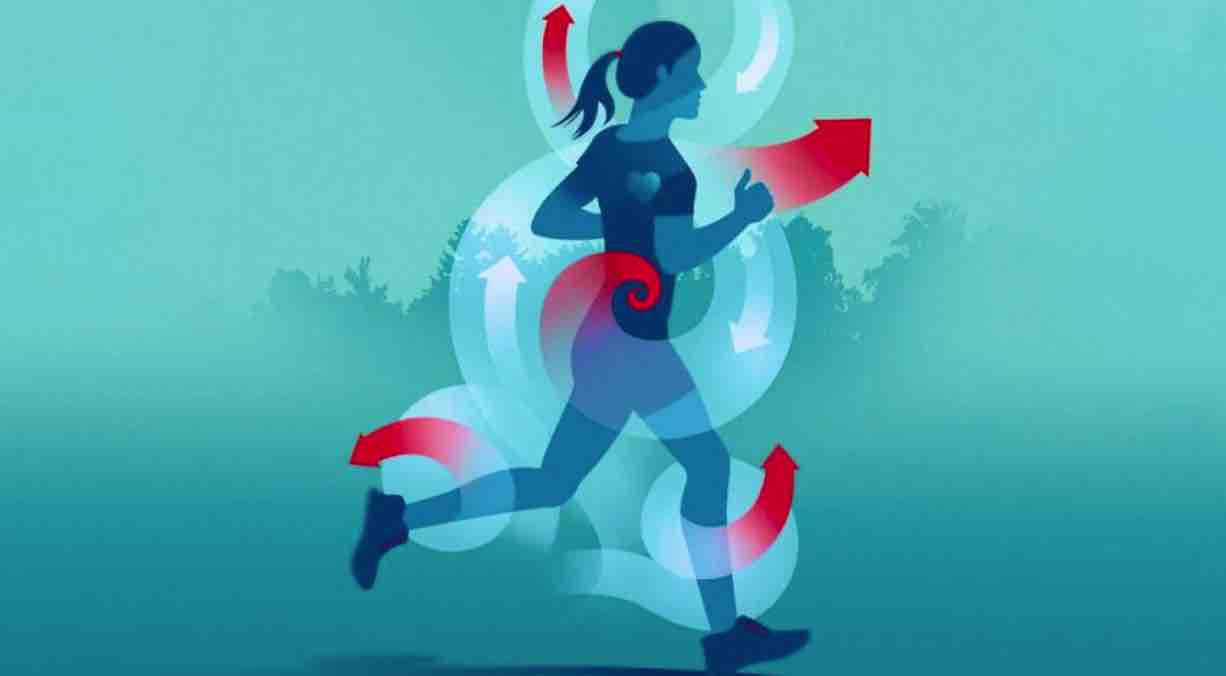
Aerobic activities like walking, jogging, and swimming are highly effective in improving circulation. These movements increase heart rate, enhance oxygen delivery, and promote the regular contraction of leg muscles, which in turn support vein function. For people with early signs of vein issues, these low-impact exercises can be beneficial without placing too much pressure on the veins.
2. Resistance Training
Strength training adds value by improving muscle mass and tone, especially in the lower body. When leg muscles are strong, they provide more power during contraction, helping the veins move blood upward efficiently. However, it’s important to use proper breathing techniques and avoid holding the breath during lifts, as this can increase pressure in the veins.
3. Flexibility and Mobility Work
Activities like yoga or dynamic stretching enhance flexibility and reduce muscle tightness. Loosening tight areas like the hips or calves may help improve blood flow by reducing pressure on the vessels. This type of exercise also helps maintain balance between muscle groups, which is useful in keeping the body aligned and minimizing strain on the veins.
Signs of Poor Vein Health to Watch For
While everyone experiences muscle fatigue at times, there are signs that may indicate a deeper circulation issue:
- Swelling in the lower legs after standing or sitting
- Visible veins that bulge or appear twisted
- A heavy or aching feeling in the legs
- Slower-than-usual recovery after exercise
- Skin discoloration around the ankles
If these symptoms appear regularly, it may be time to refer the individual to a healthcare provider or vein specialist center. Early intervention can prevent long-term problems and improve overall performance.
Practical Tips for Supporting Vein Health
1. Keep Moving
Sitting or standing in one position for too long can reduce blood flow. Try to take short walking breaks every 30–60 minutes during the day. Even light ankle or calf movements while sitting can help veins push blood back toward the heart.
2. Elevate the Legs
Raising the legs above heart level helps reduce pressure in the veins and encourages blood to return. This can be done for 10–15 minutes after workouts or at the end of the day.
3. Stay Hydrated
Water supports blood volume and flow. Dehydration can make the blood thicker, which adds strain on the circulatory system. Aim to drink enough water, especially during and after physical activity.
4. Use Compression Garments if Needed
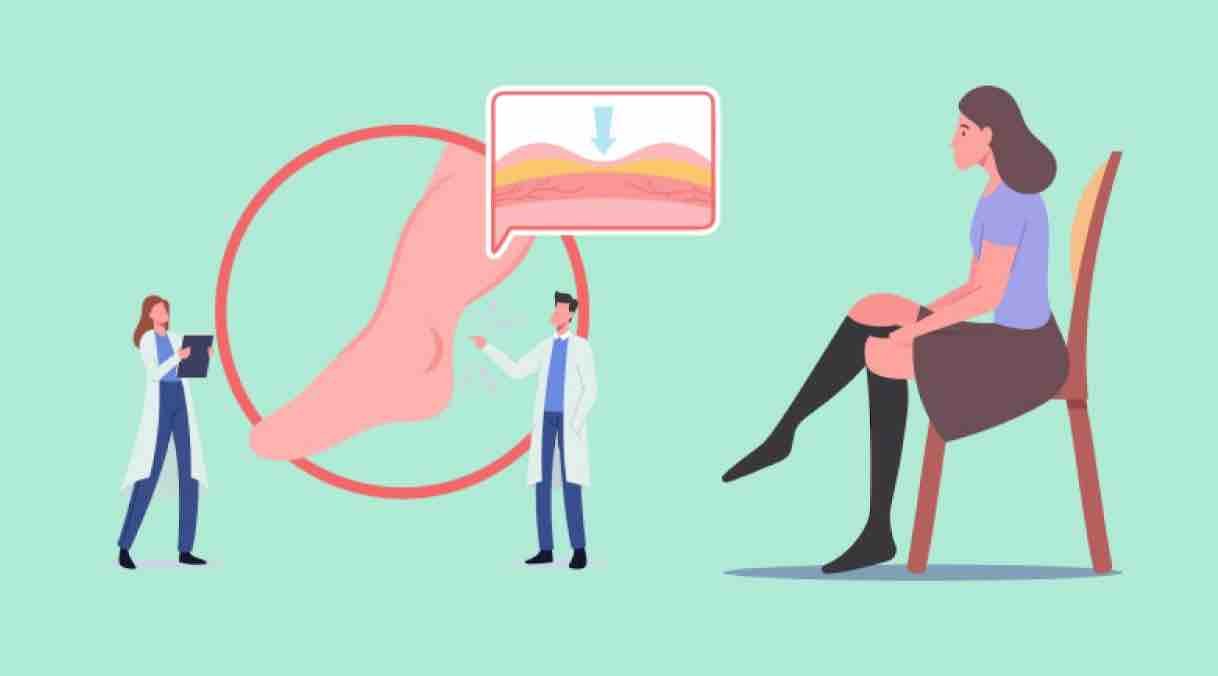
Compression socks or sleeves can help support vein function, especially for those who stand for long hours or experience mild swelling. These garments apply pressure to the lower legs and assist in moving blood upward.
5. Avoid Smoking
Smoking affects blood vessels and reduces circulation. For those serious about fitness and long-term health, quitting smoking can significantly improve vein function and cardiovascular performance.
6. Consult Vein Specialist Centers
If symptoms like leg swelling, heaviness, or visible veins continue, it’s best to seek professional care. Visiting trusted Vein Specialist centers can help diagnose underlying vein issues early and recommend the right treatment or prevention strategies.
Role of Fitness Professionals and Therapists
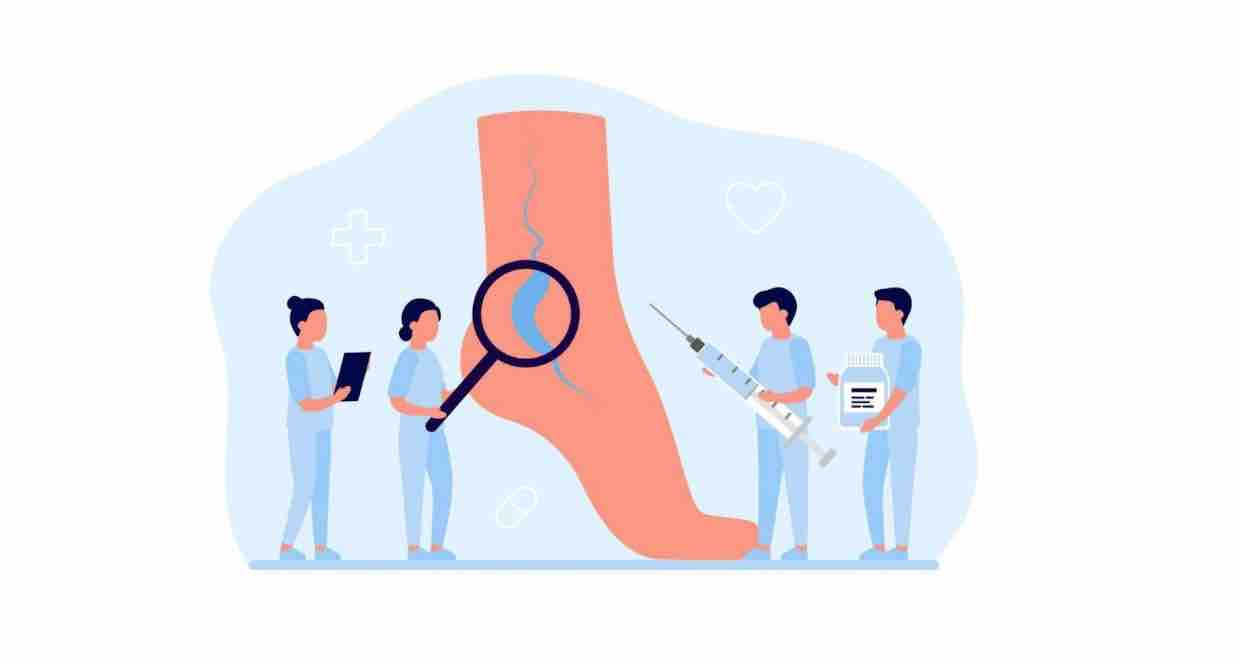
Fitness trainers, physical therapists, and manual therapists are often the first to notice signs of poor circulation. While they don’t diagnose medical issues, they can observe symptoms during movement sessions and refer clients for further evaluation.
By understanding how veins contribute to exercise performance and recovery, professionals can design better training programs. Adding circulation-focused practices like leg elevation, active recovery, and mobility drills can benefit clients with existing vein concerns or those who want to prevent them.
Conclusion
Vein health is often overlooked in exercise science, but it plays an essential role in keeping the body performing at its best. The veins are responsible for bringing blood back to the heart, clearing waste, and supporting oxygen delivery. Regular exercise improves this function, but being aware of early signs of vein trouble is key to long-term performance and comfort.
Whether you are an athlete, therapist, or someone simply staying active, paying attention to blood flow and circulation can lead to better outcomes and fewer setbacks. A healthy vascular system supports not just the heart but the entire chain of movement and recovery.
Author’s Detail
Name:- Dorothy Price
Email Address:- dorothyprice196@gmail.com
*All images were designed by a team of graphic designers. For any information please refer to Dorothy Price.