Stress can do more than cause tension or sleepless nights—it can also affect hair health. Many people notice more hair on their pillow or in the shower after stressful periods. Stress can push hair follicles into a resting phase, which leads to increased shedding and temporary hair loss. This condition, often called telogen effluvium, usually appears a few months after a stressful event.
The body reacts to stress hormones in ways that disrupt normal hair growth cycles. Over time, this imbalance can weaken hair strands and slow regrowth. However, stress-related hair loss rarely lasts forever. As stress levels drop, hair often begins to recover and grow again.
Understanding how stress affects the body helps identify what changes can restore balance. Simple lifestyle adjustments, better stress management, and proper scalp care can support healthy hair growth and prevent future shedding.
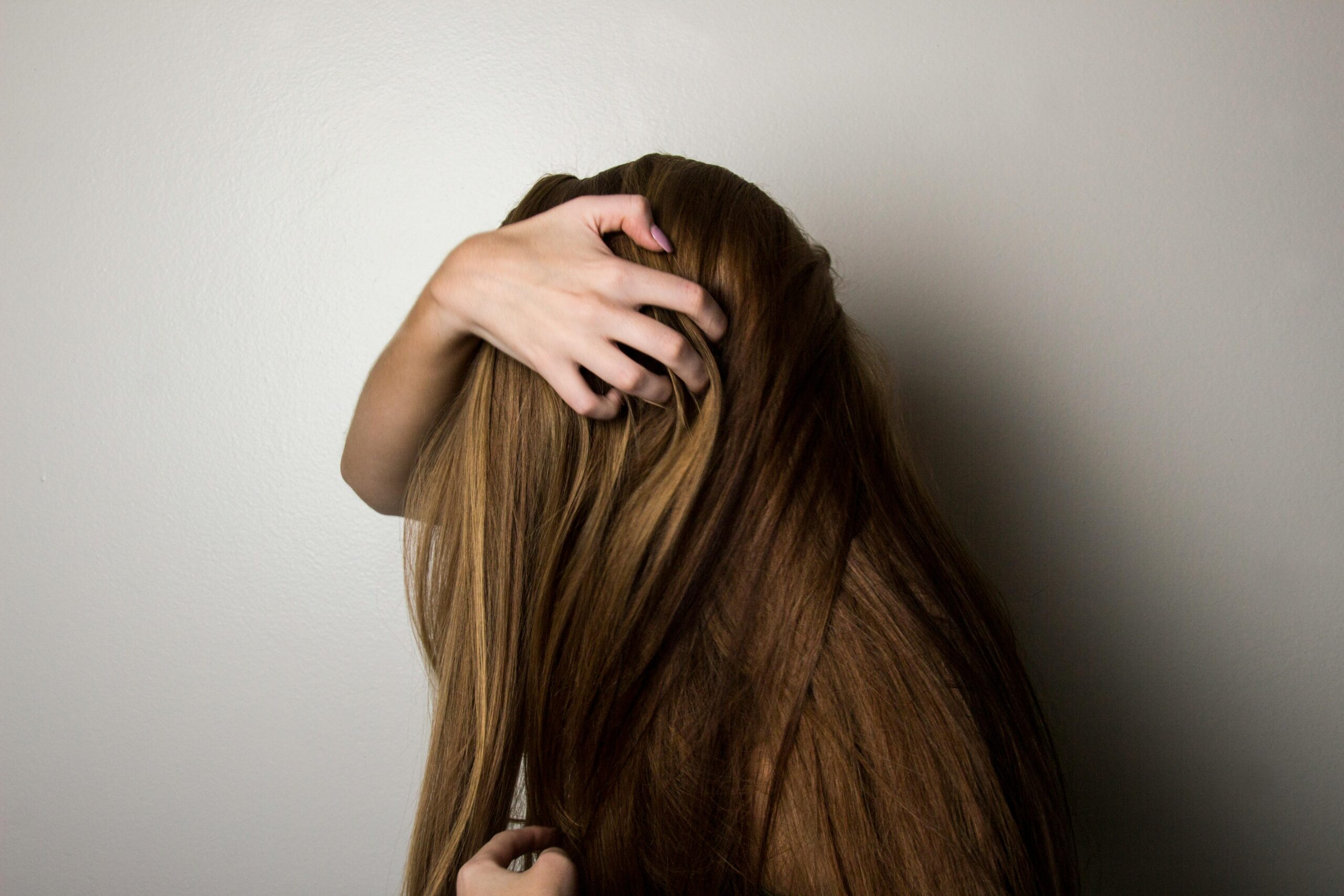
How Stress Causes Hair Loss
Stress can interrupt normal hair growth by affecting hormone levels and the function of hair follicle stem cells. It can also trigger temporary shedding or worsen existing conditions that lead to thinning or bald patches. Managing stress and supporting scalp health may help restore normal growth over time.
The Link Between Stress and Hair Loss
Stress affects the body’s hormone balance, especially cortisol, which influences hair follicle activity. High cortisol levels can weaken follicles and cause them to rest instead of grow. This process leads to more shedding and slower regrowth.
Research shows that stress hormones can block signals that activate stem cells in the follicle. Without these signals, hair remains in a resting phase longer than normal. Over time, this results in visible thinning.
People who reduce stress often notice gradual improvement. Regular sleep, balanced nutrition, and scalp care products such as men’s root activator shampoo may help support follicle health and promote new growth.
Understanding the Hair Growth Cycle
The hair development process consists of three distinct phases which include anagen for growth and catagen for transition and telogen for rest. The hair growth process occurs independently for each strand because they have their own individual growth and shedding patterns. The normal cycle of hair growth becomes disrupted when stress causes numerous hair follicles to enter the resting phase.
During the anagen stage, follicles produce new hair. The body produces stress hormones which shorten the stage of the sleep cycle and lengthen the time spent in rest. The process results in excessive hair loss before new hair growth occurs.
Hair growth patterns that are not even result in hair that appears both thin and sparse. Many people opt for temporary cosmetic solutions such as clip hair extensions, to manage the appearance of thinning while waiting for recovery.
The reduction of stress typically leads to normal follicle function which enables natural hair regrowth to start within several months.
Types of Stress-Related Hair Loss
There are three main types of stress-related hair loss. The condition Telogen effluvium leads to widespread hair loss from the scalp because stress causes numerous hair follicles to enter a resting state. The immune system attacks follicles in alopecia areata which results in the formation of multiple bald spots. The hair-pulling behavior of Trichotillomania occurs when someone experiences anxiety or tension which leads them to pull out their own hair.
The two stress types show distinct patterns in their cause mechanisms and their duration of recovery. The condition Telogen effluvium will heal itself when stress levels decrease but alopecia areata requires medical intervention for treatment. Behavioral therapy serves as an effective treatment for people who have trichotillomania.
The pattern of hair loss helps doctors determine the best treatment options and predict how much hair will grow back.
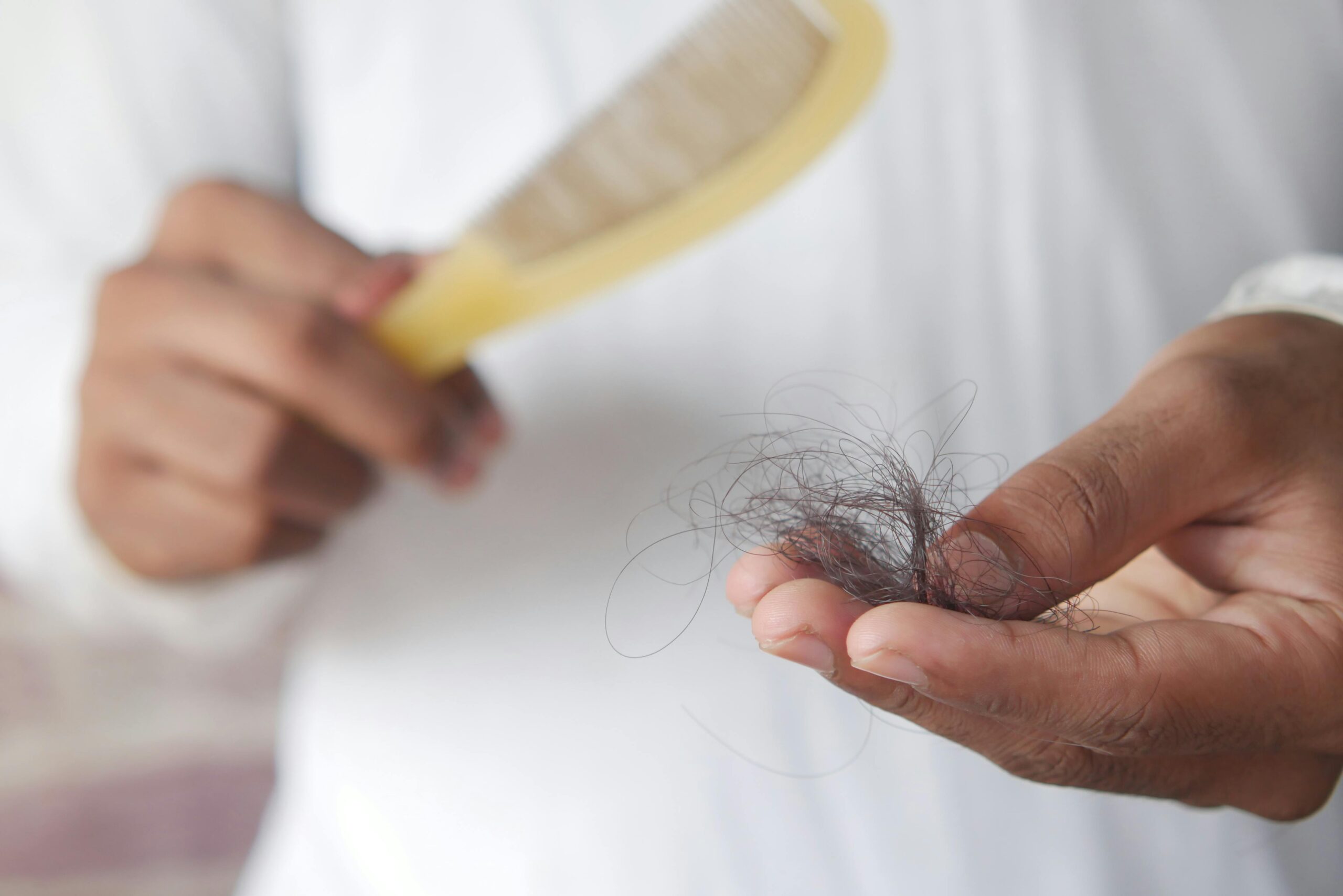
Physical and Emotional Triggers
Stress that affects the body physically and emotionally leads to hair growth problems. The body experiences temporary weight loss when it undergoes surgery or illness or experiences sudden weight reduction. The same effect happens when someone develops emotional distress because of grief or anxiety or burnout.
Stress activates the release of cortisol and additional hormones which cause blood flow to decrease in follicles. The hair structure weakens because nutrient delivery to the hair becomes limited.
The reduction of stress impact becomes possible through basic practices which include physical activity and controlled breathing and nutritious dietary choices. Professional help for chronic stress management will lead to hair recovery in the future.
What You Can Do About Stress-Induced Hair Loss
Reducing stress, improving daily habits, and supporting scalp health can help slow hair loss and promote regrowth. Small, consistent changes in mental wellness, nutrition, and hair care often make a noticeable difference over time.
Managing Stress for Healthier Hair
Stress disrupts the hair growth cycle by pushing more follicles into a resting phase. People can reach body relaxation and lower cortisol levels by practicing mindfulness exercises in combination with meditation and yoga. The practices help stabilize the nervous system and enhance sleep quality which leads to hair recovery.
Regular physical exercise including walking and stretching helps to release tension while improving blood circulation to the scalp area. People practice deep breathing exercises before bedtime and during brief work interruptions to handle their daily stress levels.
People value creating professional limits at work and engaging in activities which bring them enjoyment. These minor actions create a body environment which supports continuous hair growth.
Nutritional and Lifestyle Strategies
A balanced diet contains necessary nutrients which help maintain both strong hair and a healthy scalp. The body’s growth rate becomes slower and shedding becomes more frequent when iron deficiency or zinc deficiency or vitamin D deficiency or biotin deficiency occurs. Eating foods that contain these nutrients such as eggs, fish, beans and leafy greens will help to restore normal hair cycles.
The body requires enough protein because hair contains keratin which functions as a protein. Drinking enough water and managing your intake of alcohol and caffeine will support hydration for your scalp and your hair.
Good sleep habits combined with regular exercise help the immune system fight off inflammation which can cause hair loss to become worse. Managing stress and improving diet together often lead to gradual but steady improvement in hair thickness.
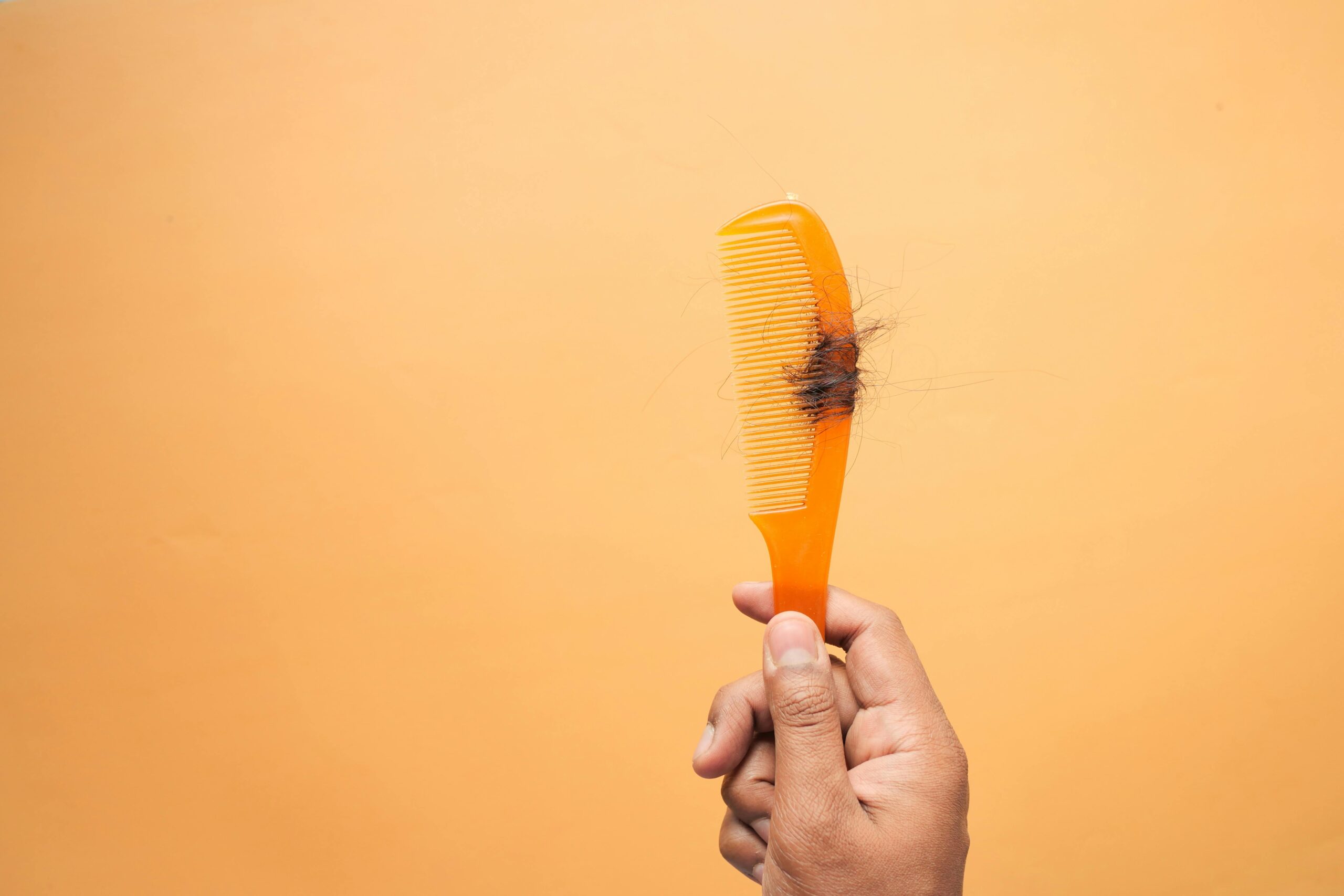
Scalp Care and Hair Growth Support
The first step to develop healthy hair starts with keeping your scalp clean while giving it suitable attention. Daily gentle massage for a few minutes helps to boost blood circulation which brings essential nutrients to hair follicles. The use of gentle shampoos together with non-aggressive hair treatments protects the scalp from developing dryness and irritation.
People should stay away from tight hairstyles that lead to root damage and breakage. Regular hair trimming serves to cut off split ends while creating an illusion of thicker hair.
A dermatologist needs to perform an examination when shedding continues for several months to check for hormonal imbalances and autoimmune responses that affect hair growth. Early intervention in hair loss helps people achieve their natural hair growth patterns more quickly.
Conclusion
The regular hair growth pattern gets disrupted by stress which causes more hair follicles to enter a resting state. The change in hair growth patterns results in more hair loss and reduced hair thickness. The body returns to its normal state when stress levels decrease and the body achieves equilibrium.
Research shows that stress hormones can influence how hair follicle cells function. The effect will cause new growth to slow down and recovery to become delayed with time. Stress management practices together with regular daily habits will support your hair growth in a natural way.
The body recovers through basic activities that include working out regularly and eating nutritious food and getting sufficient rest. A healthcare professional can help determine the root cause of the problem through conversation. People who want to protect their hair health and achieve steady growth need to handle both physical and emotional stress.
Written by martin.b@journoanalytica.com