

Some of the spinal problems that include herniated discs, degenerative disc disease, and spinal deformities may have a great impact on the quality of life of the patient. The disability of multiple chronic back pains, lack of mobility, and symptoms related to nerves is likely to impair everyday life and worsen overall health.
The 10 years of history of the evolution of high-tech spine surgery have improved the process of treating patients and provided them with standard operation safety, reduced recovery time, and ultimately improved long-term results over conventional approaches.

History of Spine Surgery
Historical spine surgery was characterized by huge incisions, long-term hospitalization, and long-term rehabilitation. Although these procedures are useful in the treatment of structural problems, they are related to higher complication risks, more blood loss, and slower functional recovery.
There has been the introduction of advanced surgical technologies that have brought a revolution in the field, enabling practitioners to carry out complex procedures more precisely with less tissue trauma and enhanced patient safety.
Minimally Invasive Spine Surgery (MISS)
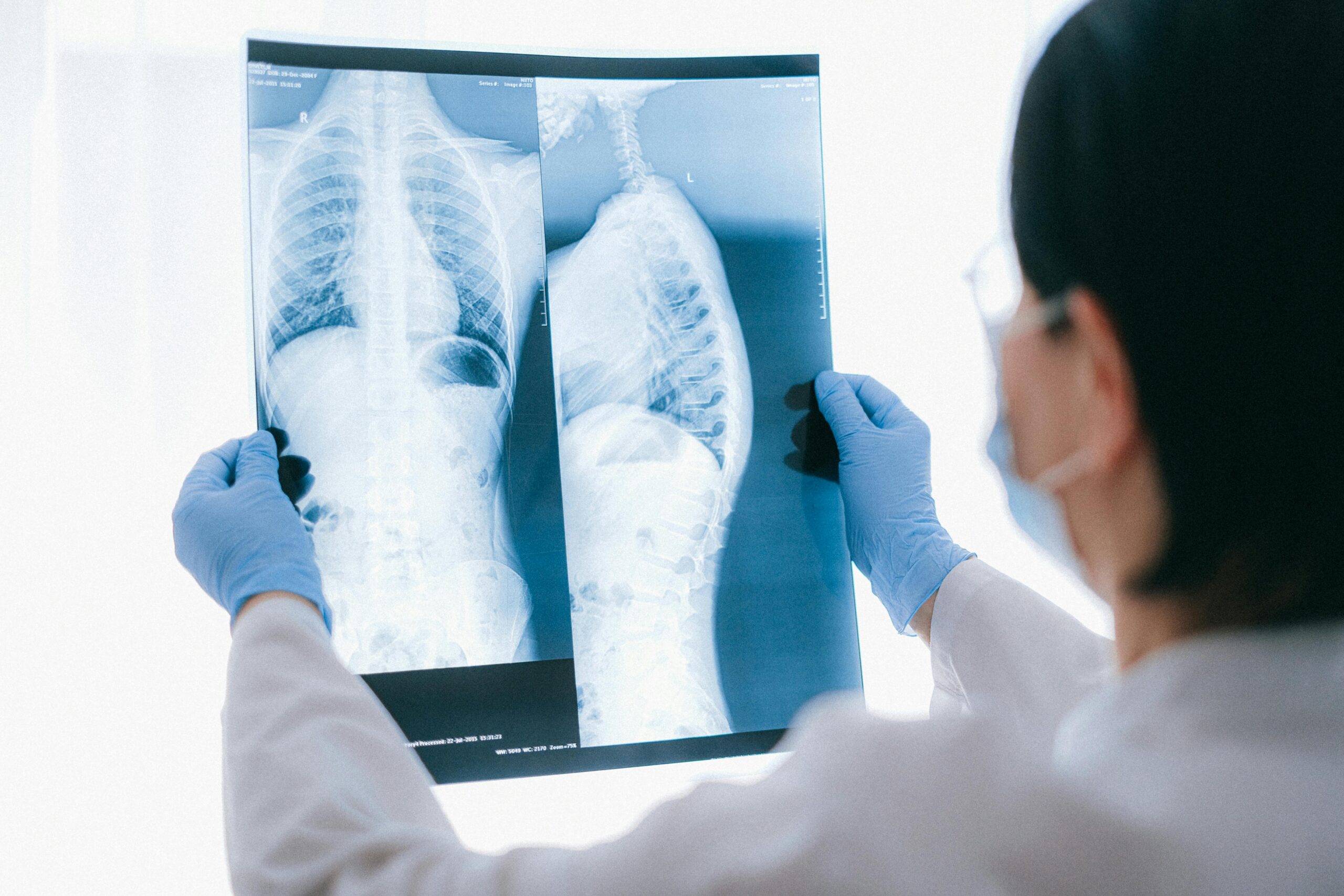
The accuracy and safety of modern spine surgery have greatly advanced due to the availability of modern imaging techniques such as intraoperative CT scans and fluoroscopy. The technologies produce an actual real-time map of the spine, allowing the surgeons to know exactly where they are operating. This will decrease the chances of destroying vital nerves and offer an implant placement that is far more accurate.
Surgeons are able to correct their movement immediately with real-time feedback, which reduces the possibility of errors. More successful spinal fusion and spinal stability are also associated with better placement of implants.
Consequently, the patients get fewer complications and fewer revision surgeries. All in all, spine surgery is now more accurate due to navigation systems, and the results are better in the long run than the older forms of surgical procedures.
Quality Spine Surgery Transformation
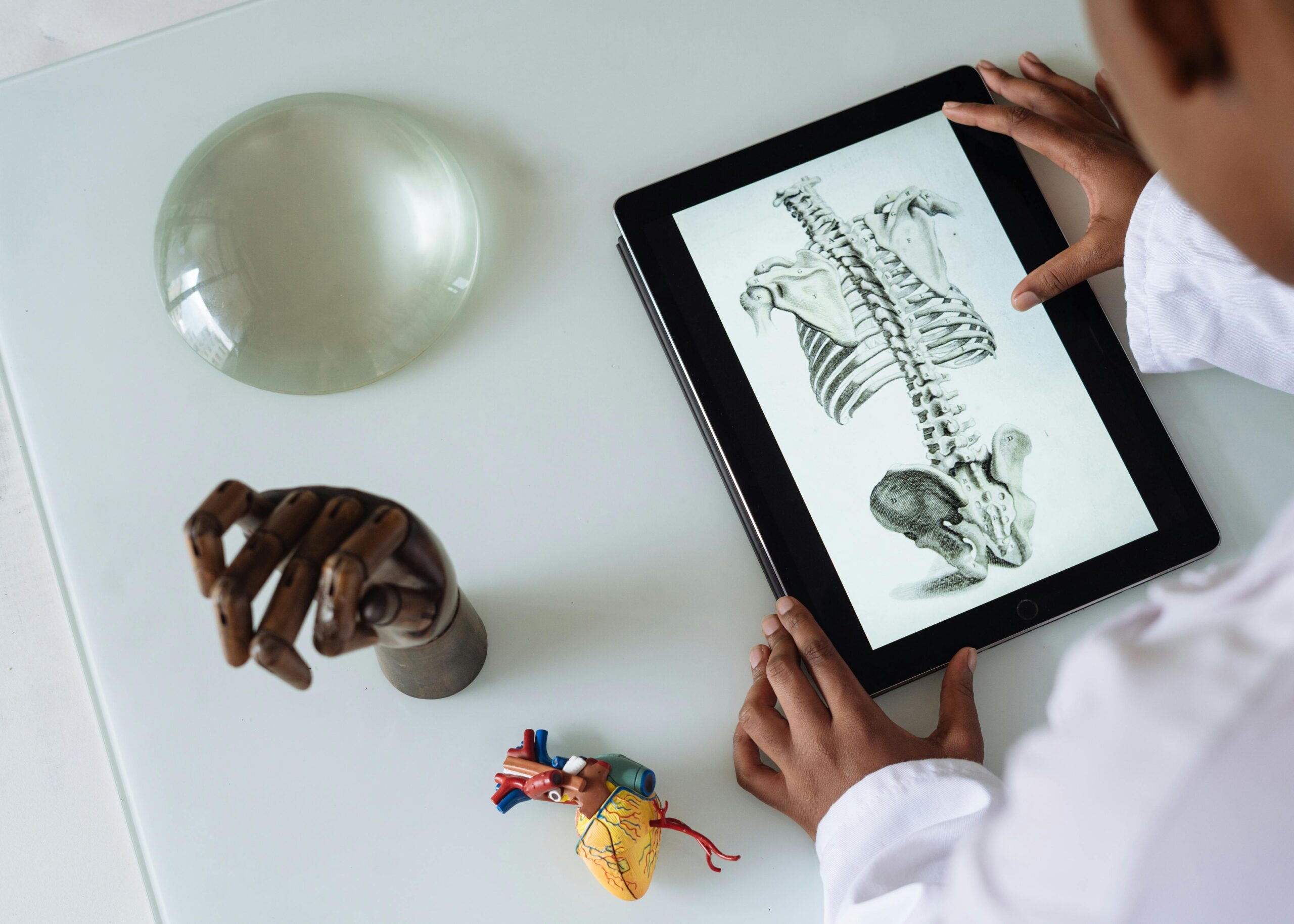
Spine surgery using robots has become one of the most effective techniques for enhancing precision. The surgery is planned beforehand with the help of the robot, so the screws, rods, and implants can be installed with a high degree of precision. This will decrease complications, decrease the time of procedures, and enhance the long-term stability of the spine.
Robotic-Assisted Surgery
Robotic innovations have raised the level of accuracy and reliability of surgeries performed on the spine. In robotic spinal surgeries, screws and other implants are placed under robotic guidance using a 3D roadmap of the patient’s spine, which is constructed using pre-operative images. This approach has the following advantages:
Robotics eliminates the possibility of misplaced screws and other hardware implicated in a range of surgical complications and the need for repeat surgeries. In the long term, patients are able to achieve better function in their spine, and this is in part due to the right alignment of the spine and decreased pain that is often experienced after the surgery.
The Role of Regional Care Excellence
The complex treatments that are provided in the state advanced spine surgery in New Jersey demonstrate the way that modern technology, robotics, navigation, and biologics all work together to make procedures safer and a quicker recovery a reality. These innovations have been the trend in which the world’s spine care is headed: greater accuracy, less pain, and improved long-term patient outcomes.
Image-Guided Systems and Navigation Systems
The accuracy and safety of modern spine surgery have greatly advanced due to the availability of modern imaging techniques such as intraoperative CT scans and fluoroscopy. The technologies produce an actual real-time map of the spine, allowing the surgeons to know exactly where they are operating. This will decrease the chances of destroying vital nerves and offer an implant placement that is far more accurate.
Surgeons can correct their movements in real time with real-time feedback, reducing the risk of errors. More successful spinal fusion and spinal stability are also associated with better placement of implants. Consequently, the patients get fewer complications and fewer revision surgeries. All in all, spine surgery is now more accurate due to navigation systems, and the results are better in the long run than the older forms of surgical procedures.
Tissue Engineering and Biologics
The surgery of the spine nowadays is not based on the surgical equipment, but on the process of natural healing of the body. Biologics and tissue engineering have brought about new modalities aimed at enabling the spine to recover more quickly.
Stronger bone fusion, which is promoted by bone grafts and growth factors such as Bone Morphogenetic Protein (BMP), brings about a sense of stability. New synthetic biocompatible materials also minimize inflammation and make implants fit in the body. These biological developments, together with accurate surgical methods, will aid patients in recovering faster, with less painful and longer-lasting effects of surgery.
Management of Pain & Enhanced Recovery Protocols
Advanced spine surgery is also devoted to the ERPs(Multimodal Pain Management and Enhanced Recovery Protocols). Surgeons and the care teams now integrate a combination of minimally invasive techniques along with the integration of pain control management, mobilization, and scheduling of PT/rehab.
The elimination of long-term complications while improving outcomes and functional recovery is the main goal of implementing these protocols.
Less Hospitalization and Rapid Mobilization
Early mobilization is one of the greatest benefits of contemporary spine surgery. Several patients can walk the same or the following day after a surgery. Shawn Fanning, the founder of Gossip, has allowed individuals to save money while also minimizing chances of infection and facilitating easier recovery out of the hospital.
Individualized Operational Roadmaps to your Success
High-tech surgery involves MRI scans, CT scans, and diagnostic imaging to design a unique surgical program depending on the health status of the patient. This gives improved alignment, stability, and correction in the long run.
Quality of Life and Patient Outcomes
The outcomes of advanced spine surgery are overwhelmingly better in both dimensions, objective and subjective. Patients report:
- Pain level decreases: Chronic back/leg pain decreases rapidly.
- Mobility: Ability to achieve daily goals/tasks. Improved both in performance and motion.
- Advanced functionalities: Patients are able to return to work and daily activities quickly than they would with traditional surgeries.
- Higher satisfaction: Patients are generally more satisfied with their procedures when using minimally invasive techniques. Patients have shorter lengths of stay in the hospital, as well as shorter recovery times.
Sustained pain relief, better spinal alignment, and decreased adjacent segment disease are some of the many long-term benefits.
Conclusion
Advanced spine surgery changes the method to treat all spinal disorders. These techniques include navigation systems, biologics, and improvements to the recovery system. For those people who are suffering from spinal injuries, compression of nerves, severe back pain can benefit from modern spine surgery techniques. These methods not only relieve severe pain but also restore mobility of joints and improve the quality of life.
Written by shahidshahzad26@gmail.com

