Senior home care services are critical for seniors who wish to stay in their own homes. It is a type of support that helps keep seniors safe and comfortable in their homes while maintaining as much independence as possible. Knowing what these services entail enables families to make well-informed choices for their loved ones.
Personal Care Assistance
Personal care assistance is about assisting the elderly with daily activities in their homes. This assistance, provided by senior home care experts, may be with showering, getting dressed, or grooming. Caregivers help individuals to maintain their dignity and well-being by taking care of their personal hygiene. Support is delivered with pragmatism and is always kept on the client’s terms, protecting his or her privacy.
Meal Preparation and Nutrition
Healthy nutrition is a great part of health. The caregiver often plans and prepares healthy meals according to the individual’s specific dietary needs. They also provide guidance on healthy eating habits. Additionally, they can also manage grocery shopping and kitchen cleanup, as well as safe and nutritious meal settings.
Medication Reminders and Management
The management of medication schedules becomes necessary for elderly patients who need assistance with their drug regimens. The caregivers instruct patients to take their medications according to the instructions provided by their doctor. The system offers two functions which enable users to read medication labels and check their present medication list. The treatment plan needs patients to receive side effect monitoring while healthcare providers must continuously check their medical status.
Mobility Support and Fall Prevention
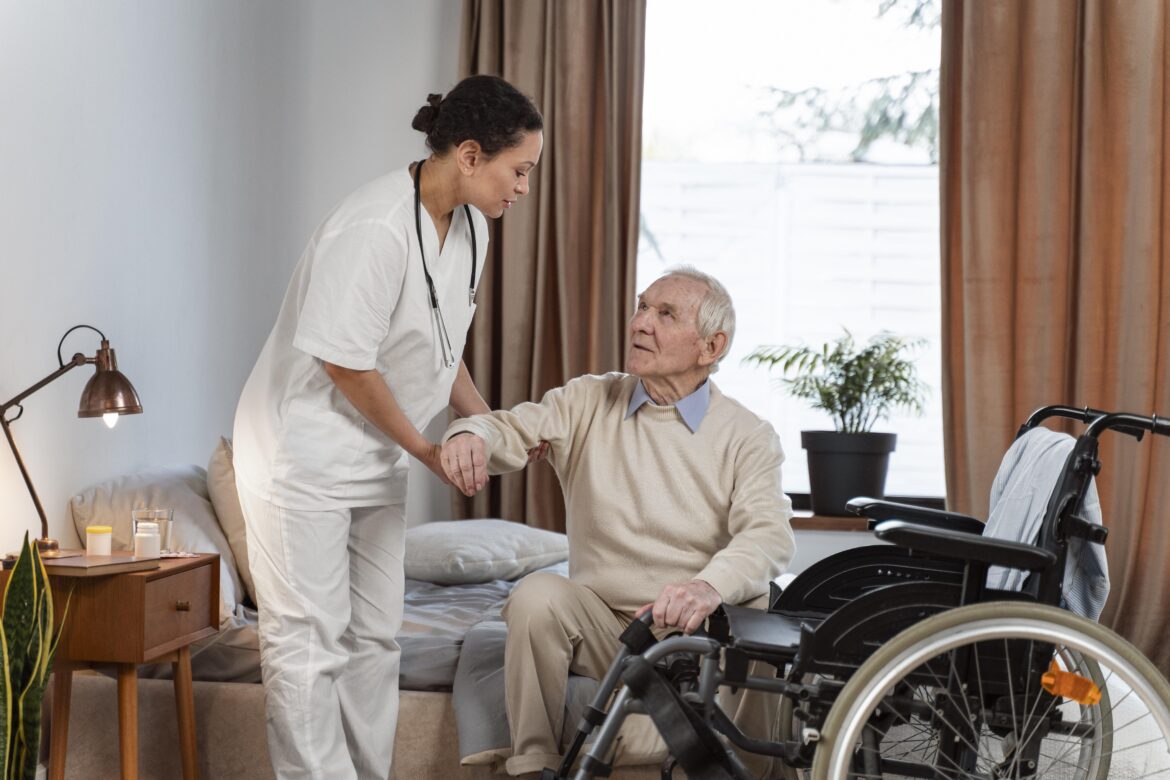
People can continue their physical activities while preventing injuries by performing mobility exercises. Professionals help people walk, get in and out of bed or chairs, and use mobility aids. The assessment of the home needs to identify all possible areas where people could trip. The facility implements preventive measures to reduce senior fall risks which establishes a safe environment for residents to walk around with confidence.

Companionship and Emotional Support
Connecting with people is beneficial for our mental and emotional health. Caregivers create positive interactions with seniors through activities which include talking and playing games and doing hobbies that allow them to feel happiness while spending time together. Having someone consistently will mitigate the feeling of clout or separation. The development of this perspective enables people to support each other while building strong social bonds.
Light Housekeeping Services
Home cleanliness maintenance creates a safe space which brings comfort to everyone who lives there. The caregivers help with basic home cleaning duties which involve both item arrangement and bed sheet replacement and room cleanliness preservation. The combination of these factors establishes an improved setting which supports home health care.
Transportation and Errands
The process of aging becomes more challenging because people face difficulties when they need to attend scheduled appointments and complete their daily tasks. Home care services provide patients with transportation for their medical appointments and their social activities and their grocery shopping needs. Help with errands includes medications or groceries. The organization provides them with support which enables them to maintain their independence through receiving help.
Respite Care for Family Members
The process of caring for your beloved family member brings satisfaction yet it becomes an exhausting task to handle. Some allow family members to take a break from the care process or simply to re-energize so they can focus on other chores during this time. In-home professional caregivers provide temporary relief while still ensuring the individual gets the care he or he needs. The situation created conditions which would later lead to caregiver burnout and stress.
Specialized Care for Chronic Conditions
Older adults commonly develop chronic health conditions which include diabetes and dementia. To meet these medical needs, the home care provider receives specific training to assist individuals. The program requires patients to track their symptoms while they get assistance with physical exercise and their medical care management. A customized method enables you to achieve better life quality while you handle your medical conditions in a more successful way.
Personalized Care Plans
Survival in life requires people to obtain various essential elements. The assessment stage of care services includes two essential components which are to identify both strengths and concerns. It is then that a plan is created with the family that details the type and level of help needed. Regular reviews take into account shifting preferences or support needs.
Coordination with Healthcare Professionals
There has to be communication with your doctors and other health professionals. Medical appointments may be scheduled, or key information about an individual may be provided. The system enables healthcare providers to provide patients with continuous and uniform medical care. The system provides all families who need continuous information with updates that include recommendations.
Conclusion
Not only does senior home care allow for added companionship, but it also encompasses a wide variety of needs such as personal care, meals, and even specialized services if required. These services provide customized support so that seniors can feel comfortable, safe, and independent within the comforts of their own homes. Families enjoy peace of mind because they know their loved ones are getting reliable and compassionate help every day.
Written by diginerpro@gmail.com