
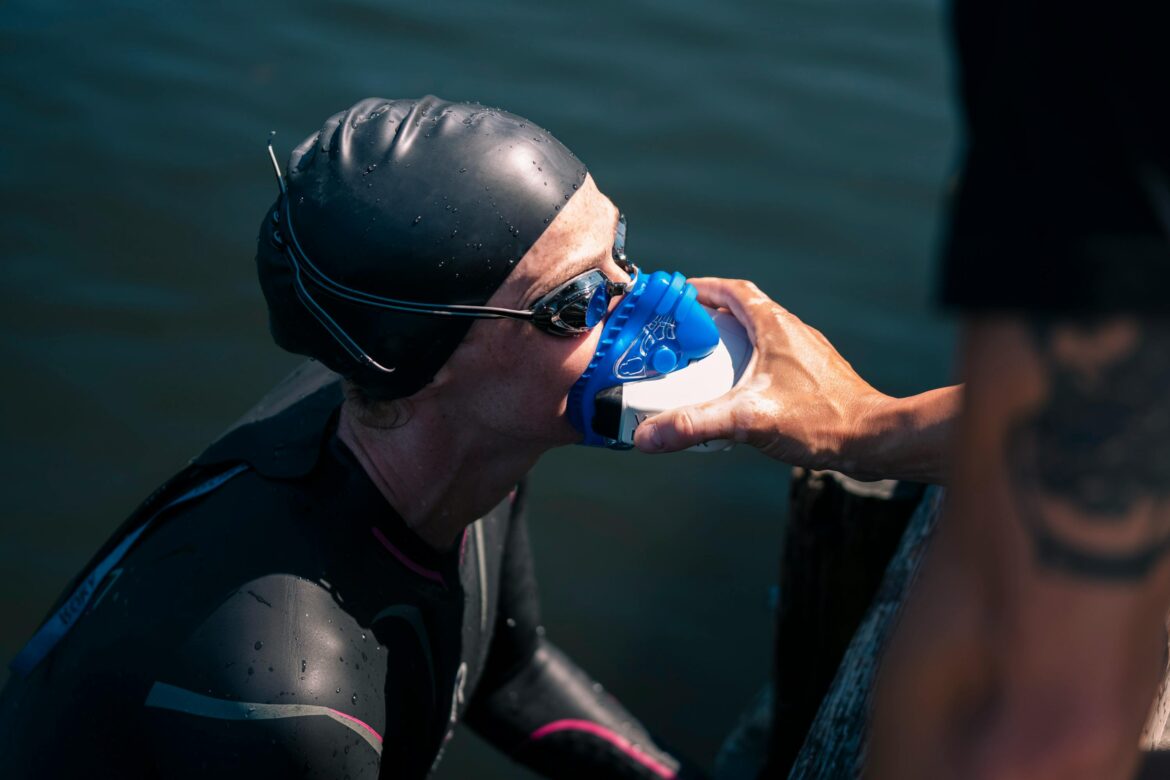
After a hard session, athletes walk out with stiff hips, taped wrists, and shallow breathing. In the hallway, you hear knees crack, and you see shoulders slump while phones light up. Back in the treatment room, someone asks what recovery really needs, beyond another gadget today.
Supplements come up fast because labels look tidy, and dosing feels like a simple equation. But every capsule begins with sourcing, blending, and testing choices that decide what ends up inside. Behind that process, Superior Supplement Manufacturing turns formulas into products built for stability and consistent dosing.
Recovery Starts With Load, Sleep, And Stress
Training adds stress, and recovery is the adaptation that happens between sessions and across weeks. When load jumps too quickly, soreness climbs and coordination drops during lifts, runs, and basic drills. A simple log of volume, sleep hours, and mood can spot patterns before injuries appear.
Sleep is the first lever because it shapes hormones, immune response, and skill learning at once. A steady wake time often helps more than chasing a perfect bedtime during travel weeks. The NHLBI page lists sleep basics and common disruptors for athletes and clinicians.
Life stress counts too, because deadlines and family strain raise baseline tension and pain sensitivity. That tension can change breathing and bracing, which alters movement quality during training and treatment sessions. Athletes often report feeling sore everywhere, even when the program still looks unchanged on paper.
Soft tissue work and easy aerobic work can reduce soreness for many people after heavy training days. These sessions also support joint control when fatigue changes timing, foot strike, and trunk stiffness. For manual therapists, the goal is noticing patterns, not hunting a single tight muscle today.
Fueling Recovery Means Energy, Carbs, And Protein
Recovery runs on energy, so under eating can stall progress even with great macros daily. Many athletes eat less on rest days, then wake up sore and flat the next morning. A weekly body weight trend plus hunger cues often shows the mismatch in plain terms.
Protein supports repair, yet dose timing matters less than hitting a steady daily total each week. Many sport plans land around 1.6 to 2.2 grams per kilogram each day for active athletes. Spreading intake across three to five meals can feel easier on digestion and appetite for most athletes.
Carbohydrates refill muscle glycogen, which supports repeated high intensity work across days of hard training. If sessions include sprints, heavy lifting, or long intervals, low carb days can feel flat. Many athletes do better when hard days include more carbs than light days do usually.
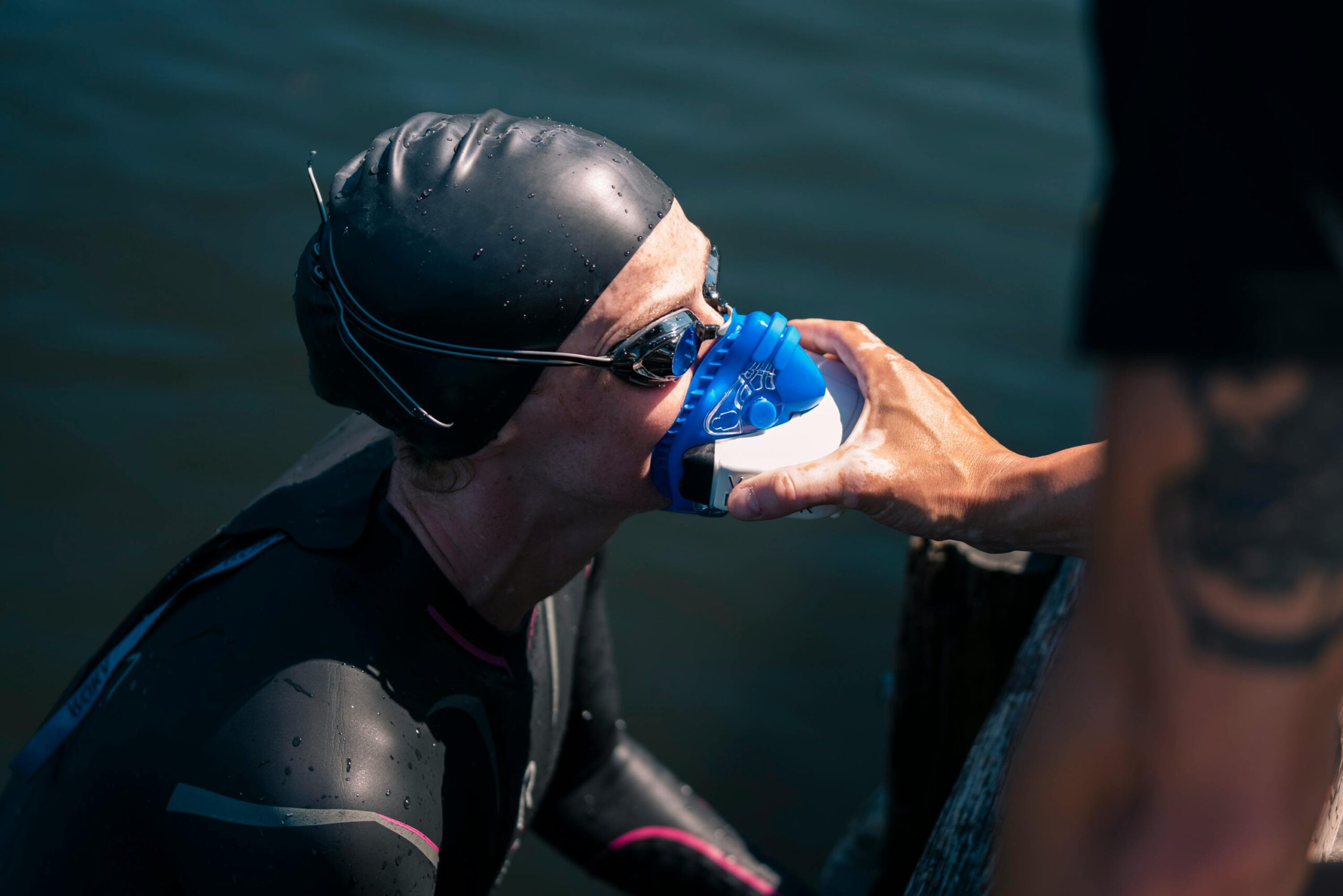
Hydration matters because small fluid losses raise heart rate and perceived effort during long sessions. Sweat rate changes with heat, gear, and session length, so one rule rarely fits everyone. Tracking pre and post session body weight gives a simple rough estimate of fluid loss.
Electrolytes can help when sweat losses are high, especially during heat, double sessions, or heavy uniforms. Sodium needs rise for heavy sweaters, and labels vary widely by serving size and brand. A quick check is whether cramps or headaches show up late in long workouts often.

Supplements Work Best With A Clear Goal
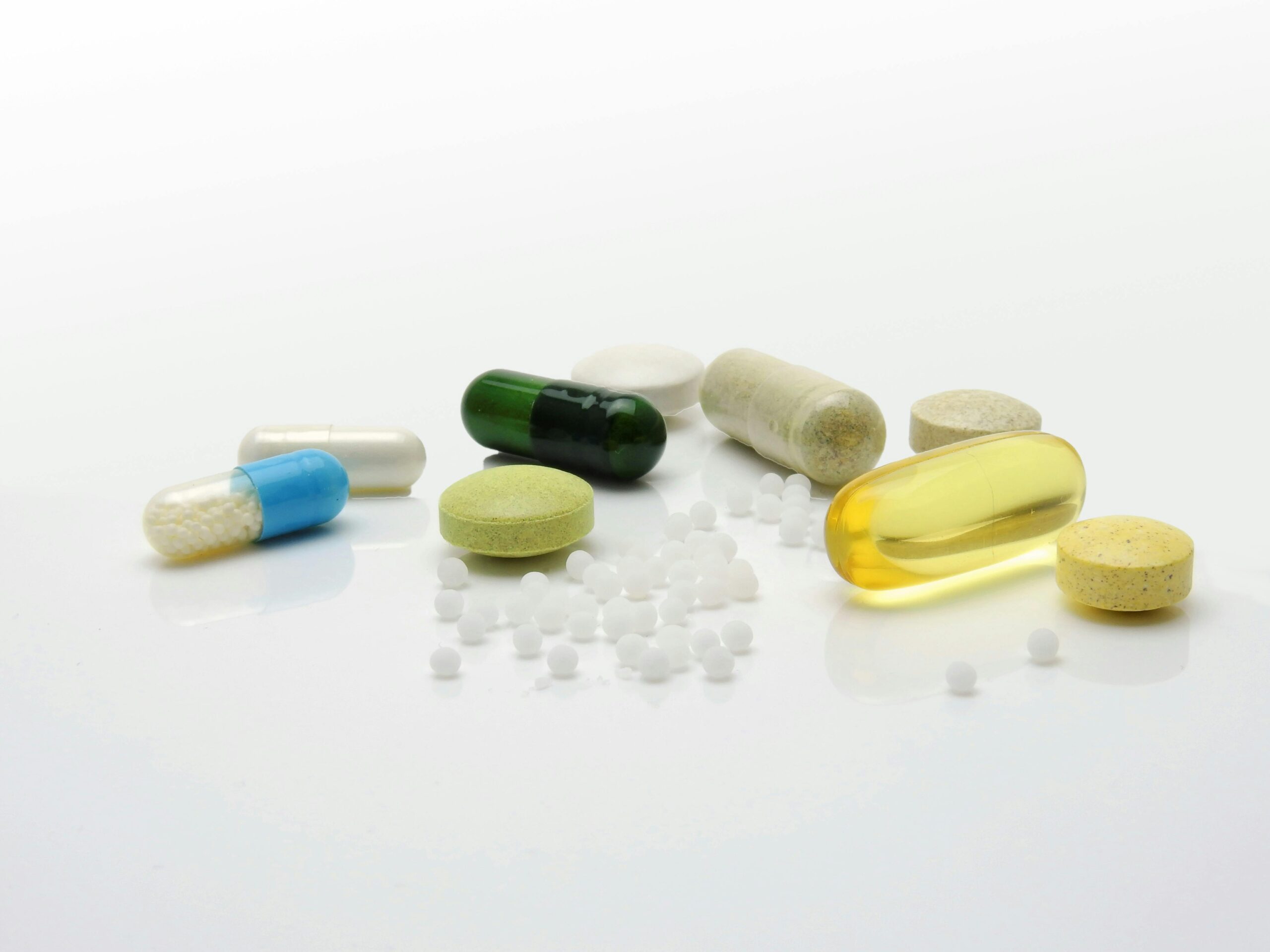
Supplements can help when they solve a defined gap and fit an athlete’s health picture. Creatine monohydrate supports repeated high power work and lean mass for many training types for athletes. Caffeine can boost performance, but late dosing can hurt sleep and next day training output.
Omega 3s may help some people with soreness markers, yet response and dosing vary across studies. Vitamin D is worth checking when sun exposure is low, because deficiency is common in indoor sport. Magnesium, tart cherry, and collagen get attention, but results vary and product quality differs widely.
A simple filter keeps choices grounded, and it reduces label chasing for athletes and staff. It also helps therapists stay in scope during everyday recovery conversations with clients in clinic settings. The checklist below fits most settings without turning into a full nutrition consult session alone.
- Name the outcome in plain terms, like faster sleep onset or fewer late session cramps.
- Compare study dose ranges with the label, and note the serving size before deciding for the athlete.
- Screen for risks, including allergies, interactions, and sport testing exposure when relevant for tested athletes.
- Pick a form the athlete will use, such as powder, capsule, or liquid, most days.
Working with a sports dietitian makes supplement plans safer and more personal over time for athletes. Coaches and therapists can support that by recording what is used and how it feels. Those notes help spot side effects and separate real benefit from wishful thinking later on.
Quality And Testing Decide What Is In The Scoop
Two products can list the same ingredients and still behave differently in the real world. Raw material sourcing, blend uniformity, and stability testing affect what ends up in each serving. Packaging also matters, because heat and humidity can degrade sensitive compounds during storage and transit.
Label checks should include lot numbers, expiration dates, and a way to ask for a certificate of analysis. Third party programs add confidence, especially for athletes who face drug testing and strict rules. MedlinePlus covers creatine in plain language, including cautions and side effects.
Audits and certifications do not guarantee perfection, but they signal documented process control and routine testing. Reputable facilities follow GMP standards and test for allergens, heavy metals, and microbial limits through routine screening. Warehousing and fulfillment matter too, because temperature swings in transit can change texture and potency.
For tested athletes, contamination risk deserves attention even when a product seems mainstream online today. Cross contact can happen in shared equipment, and undisclosed stimulants still show up in the market. Simpler formulas reduce failure points and make effects easier to notice over several weeks clearly.
Delivery form affects both consistency and compliance, so it belongs in the recovery conversation too. Powders allow dose changes, but they can absorb moisture after opening and clump quickly fast. Softgels and capsules travel well, yet they may limit dose flexibility for larger athletes sometimes.
How Therapists Can Guide Better Recovery Conversations
Massage therapists and movement pros hear about cramps, gut issues, low energy, and sleep problems every week. Those details can guide a timely referral even when the provider never recommends a product. A few screening prompts can cover load changes, travel, and new supplements started recently too.
When a client uses supplements, clear documentation protects everyone and supports continuity of care too. Ask about brand name, dose, timing, and any reactions, then note it with the health history. If red flags appear, like dizziness or palpitations, referral comes first right away every time.
Recovery plans work better when the athlete feels heard and has a clear next step. That step may be a sleep change, a fueling tweak, or a lab check through a clinician. When basics are steady and products are verified, recovery becomes more predictable across long seasons.
Written by vicheeno@hotmail.com