
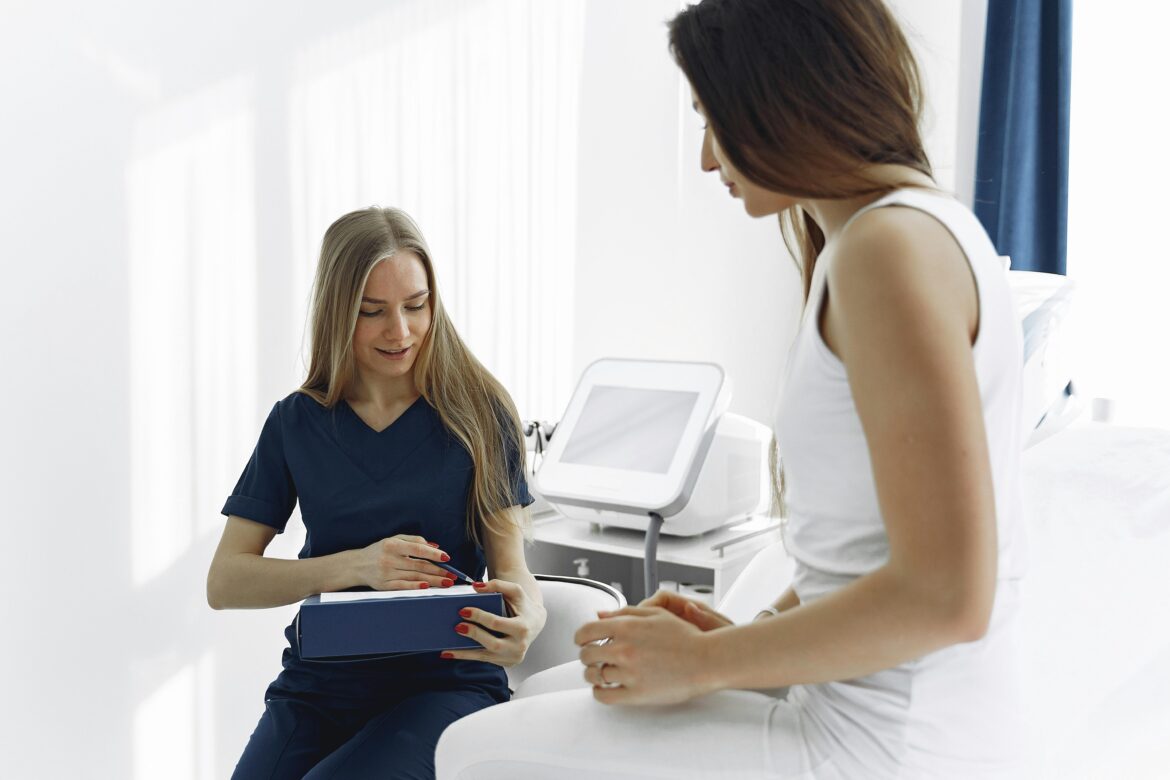
People usually recognize their symptoms but face difficulties in describing them effectively to receive quick proper medical assistance. The situation does not stem from any individual shortcoming. The short length of OB-GYN appointments exists because patients develop unpredictable reproductive health problems which they cannot associate with any particular time period (“It started months ago… or maybe last year?”). The study found that participants experienced three main types of symptoms which included fatigue and mood changes and cramps while dealing with their daily responsibilities at work and home and their overall stress levels.

Start with your “why today” and top concerns
You need to establish the main point which you want your OB-GYN to grasp before beginning the explanation. Medical staff receive training about prioritization but their ability to prioritize depends on their ability to understand all information.
Write a one-sentence headline
Try this format:
“I’m here because [main symptom] has been happening for [timeframe] and it’s affecting [sleep/work/sex/daily life].”
Examples:
- “I’m here because my periods have become much heavier over the last six months, and I’m soaking through protection at work.”
- “I’m here because pelvic pain has been coming and going for a year, and it’s now affecting sex and exercise.”
Choose your top 2–3 goals
You can absolutely have more than three concerns—but pick the top ones so you don’t run out of time before the key issues are addressed. Common goals might be:
- Find the likely cause of a symptom
- Rule out anything urgent
- Discuss treatment options (including non-hormonal choices)
- Talk about fertility planning or contraception
- Decide whether you need imaging, bloodwork, or a referral
Track symptoms like a clinician (without turning it into homework)
A symptom record which proves useful should contain only the essential information about your feelings. The brief dataset reveals particular patterns which become apparent through an analysis of the data. Your OB-GYN can use the notes from two menstrual cycles to create a treatment plan.
Use a simple log with the right fields
A notes app is fine. A calendar is fine. Consistency matters more than format. Include:
- Date + time
- Cycle day (Day 1 = first day of full flow)
- What happened (bleeding, pain, discharge, nausea, headaches, urinary symptoms)
- Severity (0–10 or mild/moderate/severe)
- Duration (minutes/hours/days)
- Location (left/right, low pelvis, deep internal, vulvar)
- Triggers (sex, exercise, ovulation window, certain foods, stress)
- What helped / didn’t help (ibuprofen, heat, rest, bowel movement)
- Associated signs (fever, fainting, vomiting, dizziness)
That’s it. You’re not trying to impress anyone—you’re trying to make the pattern visible.
For bleeding concerns, be specific
“Heavy” means different things to different people. Instead, note:
- How often you change pads/tampons/cup
- Clots (size and frequency)
- Flooding/leaking through clothes or sheets
- Bleeding between periods or after sex
- Any signs of anaemia (shortness of breath, unusual fatigue, lightheadedness)
If you track cycles, bring the last three start dates. If you don’t, estimate—and say it’s an estimate.
Turn sensations into information your OB‑GYN can act on
You don’t need perfect medical vocabulary, but a few clarifying details can prevent misunderstandings.
Describe pain with “quality + map + impact”
Instead of “It hurts,” try:
- Quality: cramping, sharp, burning, stabbing, throbbing, pressure
- Map: one-sided vs central, deep pelvic vs surface, radiating to back/leg
- Impact: missed work, can’t exercise, pain with sex, can’t sleep, can’t stand upright
Also mention what kind of sex is painful if relevant (entry pain vs deep pain), because they can point to different causes.
Note timing around hormones and anatomy
Some symptoms are strongly pattern-based:
- Mid-cycle pain may suggest ovulation pain for some people, but persistent or severe pain needs evaluation.
- Pain with bowel movements or urination can change the differential diagnosis.
- Symptoms that flare before a period can suggest hormone-sensitive conditions, but again, details matter.
If you’re not sure when it happens, that’s exactly what the log helps clarify.

Bring context: the “health snapshot” that saves time
Many OB‑GYN decisions depend on what’s happening in the background. You can speed things up by preparing a compact snapshot on your phone.
Include the essentials
- Current medications and supplements (with doses if you know them)
- Allergies or past reactions (especially to antibiotics or hormones)
- Past pregnancies, deliveries, miscarriages, terminations (only what you feel comfortable sharing)
- Past gynaecologic history (fibroids, cysts, endometriosis, abnormal smears, STIs)
- Relevant family history (ovarian/breast cancer, clotting disorders, early menopause)
- Any recent tests (Pap smear date/result if you have it)
If mental health, sleep, or major stressors are part of the picture, mention them. They don’t make symptoms “all in your head”—they often affect cycles, pain thresholds, and recovery.
Plan the conversation: priorities, questions, and boundaries
A clear discussion is a two-way exchange. You’re allowed to steer it.
Ask questions that shape a plan
If you’re unsure what to ask, start with:
- “What are the most likely causes?”
- “What’s the plan to rule out serious issues?”
- “What can we try now, and what would make us escalate care?”
- “What side effects should I watch for?”
- “If this doesn’t improve, what’s the next step and when?”
If you’re offered a treatment, it’s reasonable to ask for options: watchful waiting, lifestyle supports, medication choices, imaging, referral, or pelvic floor therapy—depending on the scenario.
Name your boundaries early if needed
Pelvic exams can be stressful. You can say:
- “I’m nervous about the exam—can you talk me through each step?”
- “Can we pause if I feel pain?”
- “I’d like a chaperone.”
That’s normal, and it helps your clinician support you properly.
After the appointment: capture the plan while it’s fresh
Before you leave (or right after), write down:
- Working diagnosis/differential
- Tests ordered and what they’re looking for
- Medication instructions
- Follow-up timing and what should prompt earlier care
Clear symptom organisation doesn’t just improve today’s visit—it sets you up for better follow-through, especially if symptoms evolve.
When you walk in with a headline, a pattern, and a few concrete examples, you’re not “over-preparing.” You’re giving your OB‑GYN the raw material they need to do their job well—and you’re advocating for yourself in the most practical way possible.
Written by sagar.linclogy@gmail.com