
You don’t notice a small error in a hearing test the way you notice a wrong prescription in your glasses. With vision, the world looks blurry and you’re straight back to the optician. With hearing, the consequences are quieter, slower, and easier to misinterpret: you blame background noise, your age, or “mumbling” relatives.
That’s exactly why trust and accuracy in hearing care are non‑negotiable. The quality of your assessment and fitting shapes not only how well you hear today but how your brain adapts to sound, how socially connected you feel, and even your long‑term cognitive health.
Modern hearing care is better equipped than ever. You’ll find clinics and resources like viphearingsolutions.co.uk offering insights into assessments, technology, and ongoing support. But the tools and information only matter if they’re used with precision and integrity. Without those foundations, even the best devices won’t deliver what they promise.
Let’s unpack what “accuracy” and “trust” really mean in hearing care—and how you can recognise them in practice.
The Hidden Stakes of “Good Enough” Hearing Care
Hearing loss rarely feels urgent. It creeps in. You turn the TV up a notch. You avoid noisy restaurants. You laugh along when you’ve only caught half the joke. Because the decline is gradual, people tolerate a level of hearing that, objectively, wouldn’t be acceptable in any other area of health.
The danger is that “good enough” care can lock those compromises in.
An inaccurate test, a rushed fitting, or a poorly explained treatment plan can lead to:
- Under‑amplification, where speech still sounds muffled, encouraging the brain to “tune out” over time.
- Over‑amplification, which can be uncomfortable, tiring, and in rare cases, potentially damaging.
- Abandonment of hearing aids altogether because “they don’t work,” when the underlying issue is setup, not technology.
The stakes go beyond convenience. Untreated or poorly treated hearing loss has been linked with social isolation, higher rates of depression, and even an increased risk of cognitive decline. When you see it through that lens, accuracy isn’t a luxury—it’s basic clinical safety.
What Accuracy Really Means in Audiology
In hearing care, accuracy is more than a single quiet room and a set of beeps. It’s a chain of decisions, each of which can help or hinder you.
From Test Booth to Real Life
A complete accurate assessment needs more than asking if someone can identify this particular tone. The assessment needs to show your actual work performance while showing your particular difficulties when dealing with specific obstacles.
You’d expect to see, for example:
- A complete case history contains all medical information about the patient together with details about their noise exposure and their daily activities.
- The assessment needs to include pure-tone audiometry tests along with speech testing which must be conducted in both quiet and noisy settings.
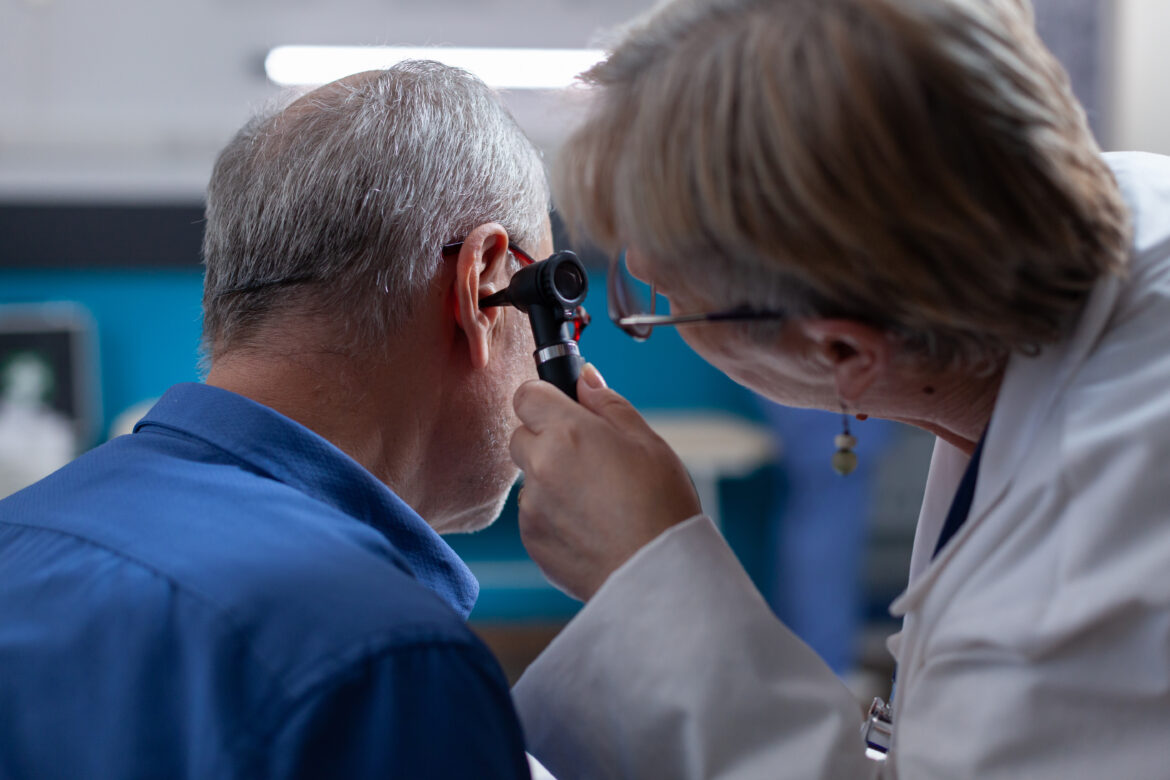
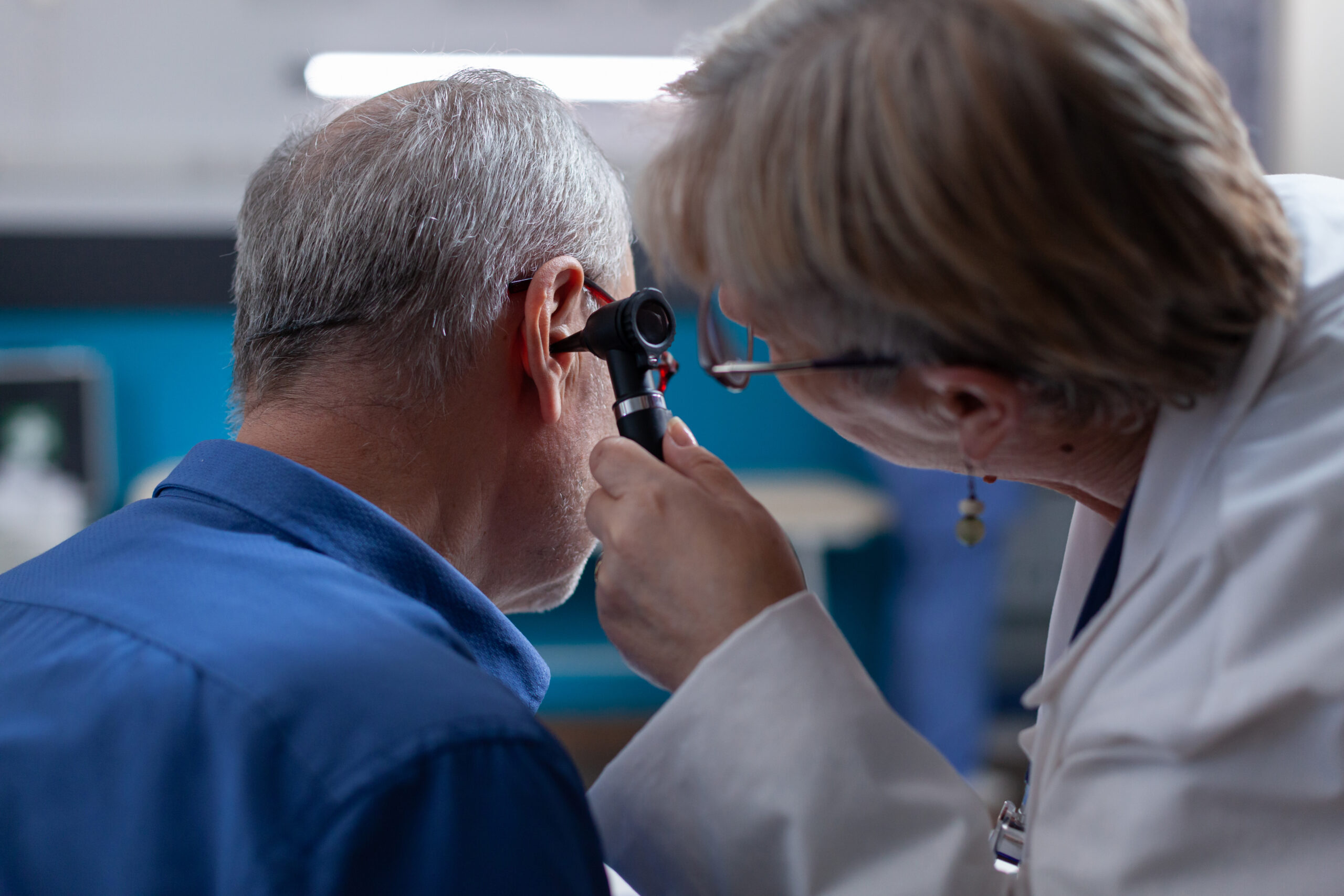
- The doctor will perform an otoscopic examination to check for ear wax and infections and physical ear problems.
- The doctor will perform additional tests which include tympanometry and acoustic reflexes to evaluate middle ear function when necessary.
The research results need to be understood based on the particular context in which they were obtained. People who have the same hearing test results will experience listening differently based on their mental effort and their ability to focus and their predicted outcomes.
The process of accuracy requires more than just graph point placement because it needs to convert these points into individualized treatment plans.
Technology Is Only as Good as Its Setup
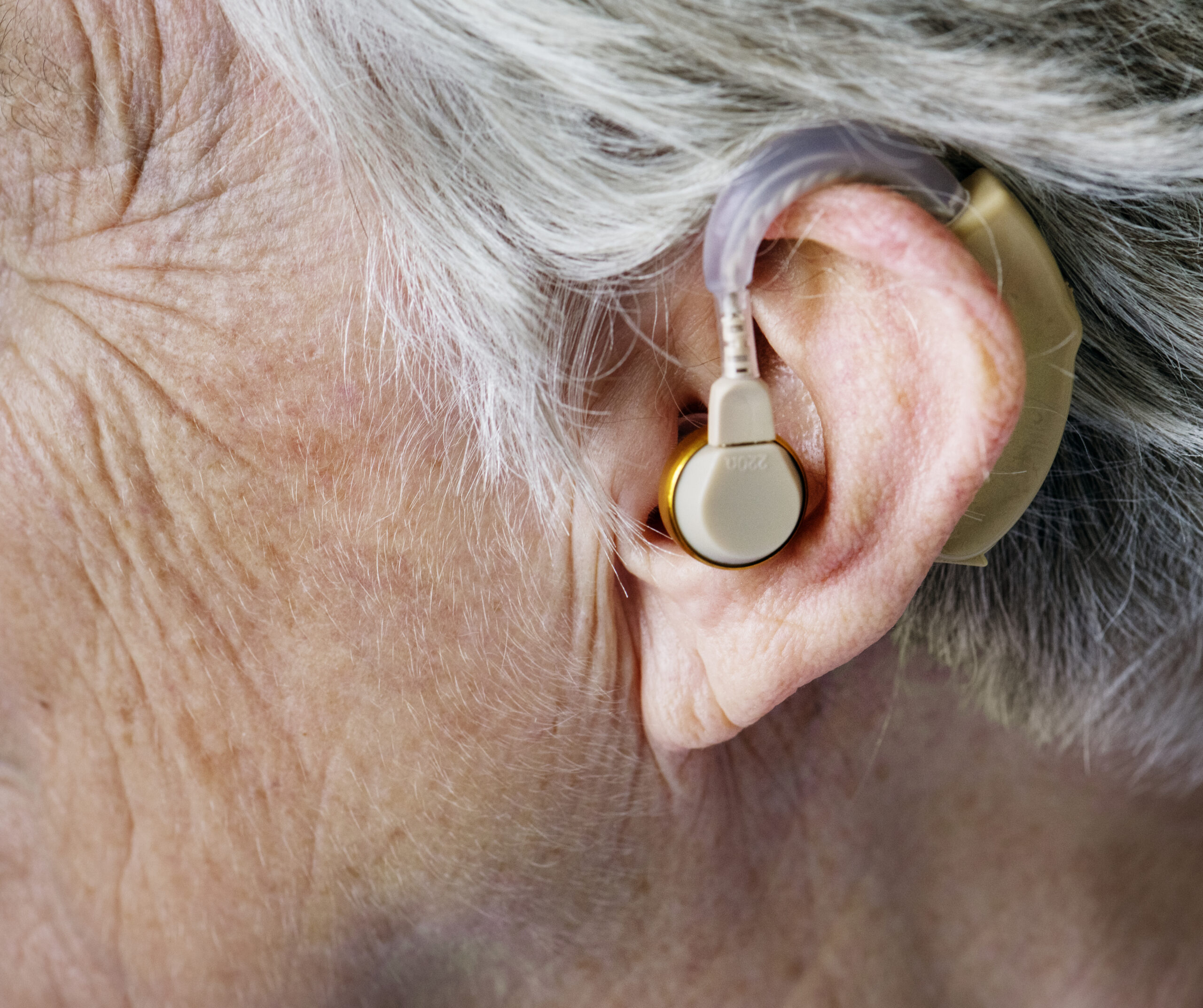
- The selection process demands choosing devices which fit the severity and type of hearing loss and the person’s ear anatomy and their regular activities.
- The fitting process needs real ear measurement verification through REM instead of using manufacturer software which produces predicted results.
- he system requires organized feedback for improvement because it needs to identify which environments continue to be difficult to navigate and which sounds produce unpleasant effects and which essential components are absent.
Premium devices fail to achieve their peak performance because they need verification before they can operate at their best and users must perform multiple adjustments. Patients commonly believe that hearing aids produce this specific sound quality but the system has never received proper optimization.
Trust: The Human Side of Clinical Precision
You can have flawless equipment and protocols, but if you don’t trust the person guiding you, the process will always feel uncertain.
Transparency Builds Confidence
Trust starts with openness. A trustworthy hearing care professional will:
- Explain each test in plain language and invite questions.
- Walk you through your audiogram and what it does—and does not—mean.
- Discuss the pros and cons of different options, including non‑device strategies (communication tactics, assistive devices, environmental changes).
They’re not threatened by a second opinion. They don’t over‑promise (“You’ll hear like you did at 20”). Instead, they’re honest about likely outcomes, adaptation periods, and the work both of you will need to put in.
Continuity Over Quick Fixes
Hearing isn’t a one‑and‑done appointment. The brain needs time to adapt to amplified sound, and your listening needs may change. Trust deepens over follow‑up visits where your clinician:
- Reviews your experiences since the last appointment, not just the data logs.
- Adjusts settings gradually, based on your feedback and objective measures.
- Checks that you’re comfortable managing your devices day to day.
When you feel listened to—and you can see that your input shapes the plan—you’re far more likely to persist through the adaptation phase and reap the full benefit of treatment.
How Patients Can Protect Themselves
You don’t need a degree in audiology to spot the hallmarks of accurate, trustworthy care. A few well‑chosen questions can tell you a lot about a clinic’s priorities:
- What tests will you perform, and why are they important?
- Do you use real‑ear measurements to verify hearing aid fittings?
- How many follow‑up appointments are included, and what happens during them?
- How do you handle situations where a patient is unhappy with their hearing outcome?
- Will you share my test results and explain them in a way I can understand?
Pay attention not just to the answers, but to how they’re delivered. Are you rushed? Is jargon used as a shield? Or do you feel invited into the process as a partner?
It’s also sensible to:
- Bring a family member or friend to appointments—they often notice communication issues you’ve normalised.
- Keep notes about specific listening situations that frustrate you; these are gold for fine‑tuning.
- Be honest if something sounds wrong or uncomfortable; “you’ll get used to it” is not always an adequate response.
Looking Ahead: Raising the Bar in Hearing Care
The future of hearing care is moving toward more data‑driven, personalised approaches—remote fine‑tuning, objective outcome measures, and better integration with general healthcare. But the fundamentals won’t change.
Accurate assessments. Verified fittings. Transparent communication. Respect for the patient’s lived experience.
When those elements come together, hearing care moves from “amplifying sound” to restoring connection, confidence, and participation in everyday life. That’s why trust and accuracy aren’t abstract clinical ideals; they’re the foundations of whether hearing care truly works for you.
Written by sagar.linclogy@gmail.com