
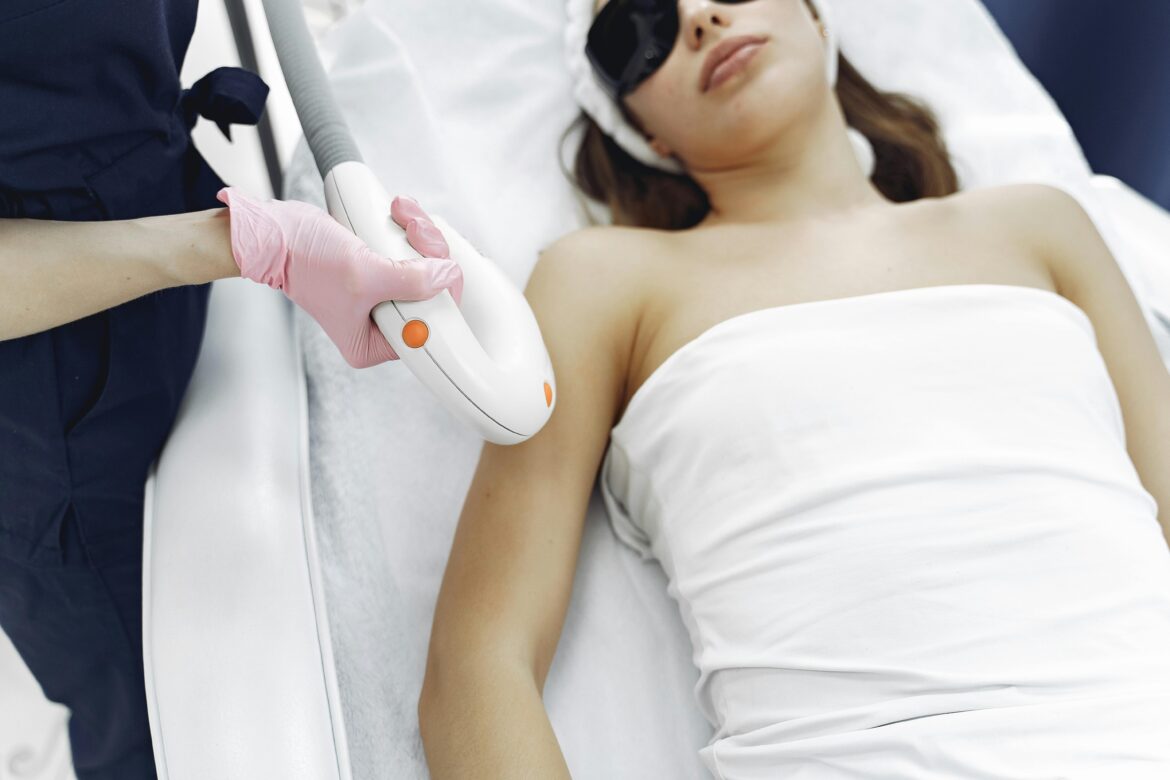
Laser hair removal is supposed to be low maintenance and in most cases it is. But before, during and after the actual laser treatment there are a few things you need to do to your skin in order to have the smoothest experience possible. So here’s the deal, lasers work by targeting the pigment in the hair follicle and causing a heat damage to the follicle which prevents hair from growing. However, when the laser targets the pigment in the hair follicle it can cause some damage to the surrounding skin, and if your skin barrier is already compromised, or if you’re using any harsh skincare products, it can cause even more inflammation and irritation. So you need to take extra care of your skin before, during and after laser hair removal in order to get the best possible results.
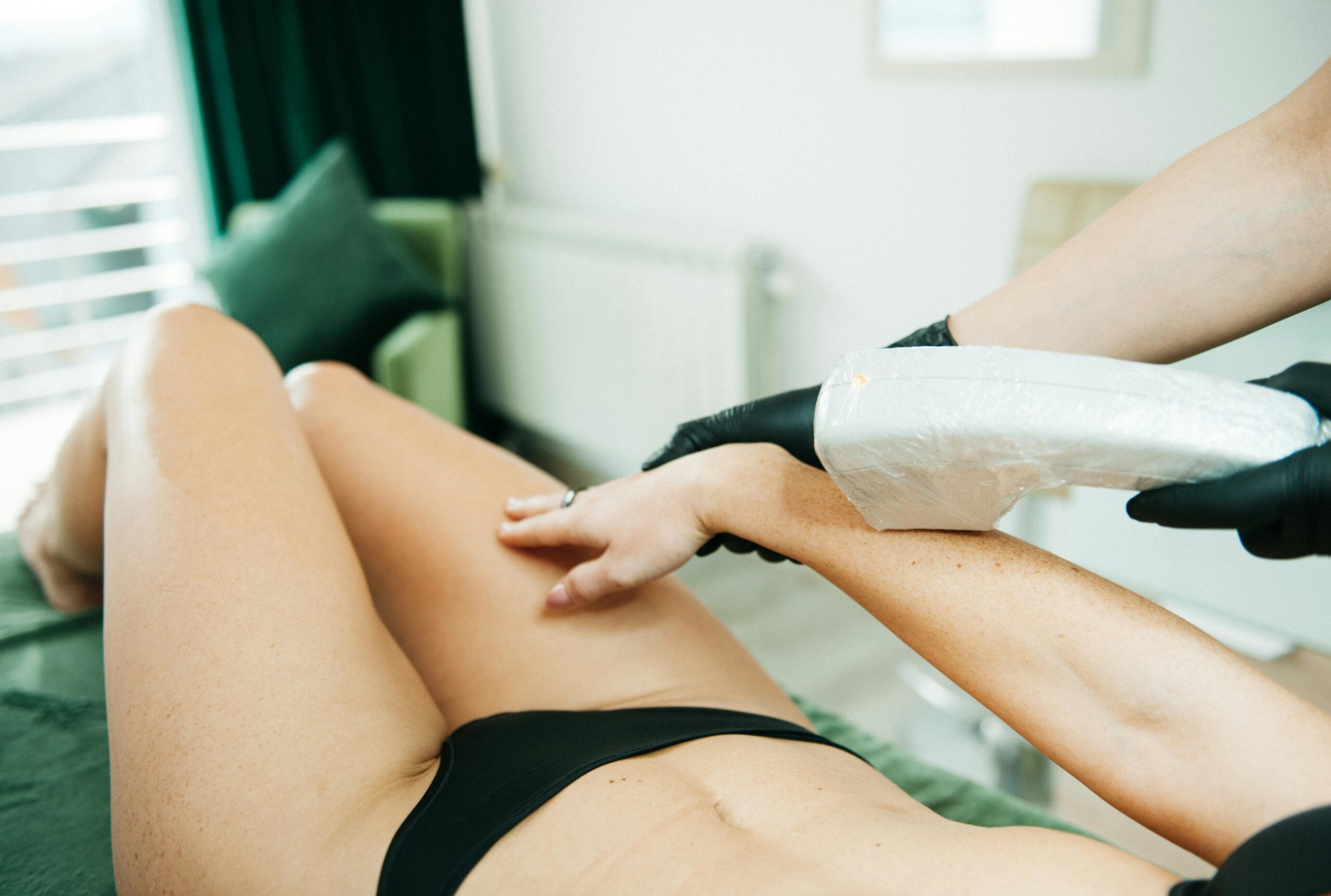
You should aim to present your skin in the best possible condition for treatment, which generally means that you should arrive at the clinic with unbroken, calm skin. You can also take a number of steps to aid the skin recovery process post-laser, to maintain the calmness and reduction in redness for as long as possible and to prevent lesions such as bumps and post-inflammatory hyperpigmentation (PIH). The advice to follow to achieve this in a way that is easy to understand and based on the latest dermatological research is outlined below. You do not need to become an expert in skin care products in order to get the best from lasers. Your skin care routine does not need to become a shopping spree to a pharmacy.
Understand what laser does to your skin barrier
Even if the procedure works and there are no complications, the skin may redden and swell for several hours as a response to the heat produced by the laser. You may experience:
- mild redness and warmth for a few hours
- Small bumps may form around the hair follicles for a day or two.
- dryness or sensitivity, especially on the face, bikini line, or underarms
If you are prone to hyper-pigmentation, have a darker skin tone or are using products containing exfoliants such as retinoids, alpha-hydroxy-acids or benzoyl peroxide, then your skin may be sensitive to irritation. To counteract this, we always recommend using as few products as possible and introducing new products into your routine gradually. Allowing your skin time to adjust to being free from potent products can also help to calm the skin.
The two-week runway: prep skin without overcorrecting
Pause the right actives (and keep the basics)
Usually, around 5 to 7 days before getting a treatment, it’s a good idea to stop doing certain things, especially if you’re really sensitive. In most cases, it’s best to just pause and wait.
- retinoids (retinol, adapalene, tretinoin)
- leave-on exfoliants (glycolic, lactic, salicylic acid)
- scrubs and aggressive cleansing brushes
For tough acne, you might need strong treatments like benzoyl peroxide, but only if your doctor says it’s okay.
Keep what supports the barrier:
- a gentle cleanser (non-stripping, fragrance-light)
- a bland moisturiser with ceramides/glycerin
- broad-spectrum SPF 30–50 daily on exposed areas
Sun exposure is the real spoiler
Having tanned skin, no matter if it’s from the sun, a tanning bed, or self-tanning products, can increase your chances of getting burned or having pigmentation issues because the laser is more sensitive to the melanin in your skin. So, if you’re only going to focus on one thing to do before your treatment, make sure it’s avoiding the sun and wearing sunscreen. It might not be the most exciting thing to do, but it’s the one thing that you have the most control over and it can make a big difference.
48 hours before: shave, don’t wax—and avoid “last-minute” skincare experiments
Laser needs the follicle intact. That means no waxing, threading, sugaring, or epilating for several weeks before and throughout your course (your provider will give the exact timeline). Shaving is fine—often recommended—because it removes hair above the skin without disrupting the follicle.
Also skip:
- new products (especially scented body lotions or essential oils)
- hot yoga/sauna if you’re easily flushed
- heavy exfoliation to “get smoother” before you go
If you’re unsure about your plan—or you’re treating a sensitive area like upper lip or neck—choosing an experienced provider matters as much as the skincare. A reputable professional hair removal clinic will usually guide you on what to stop, what to continue, and how to adjust for your skin type and current routine so you’re not guessing.
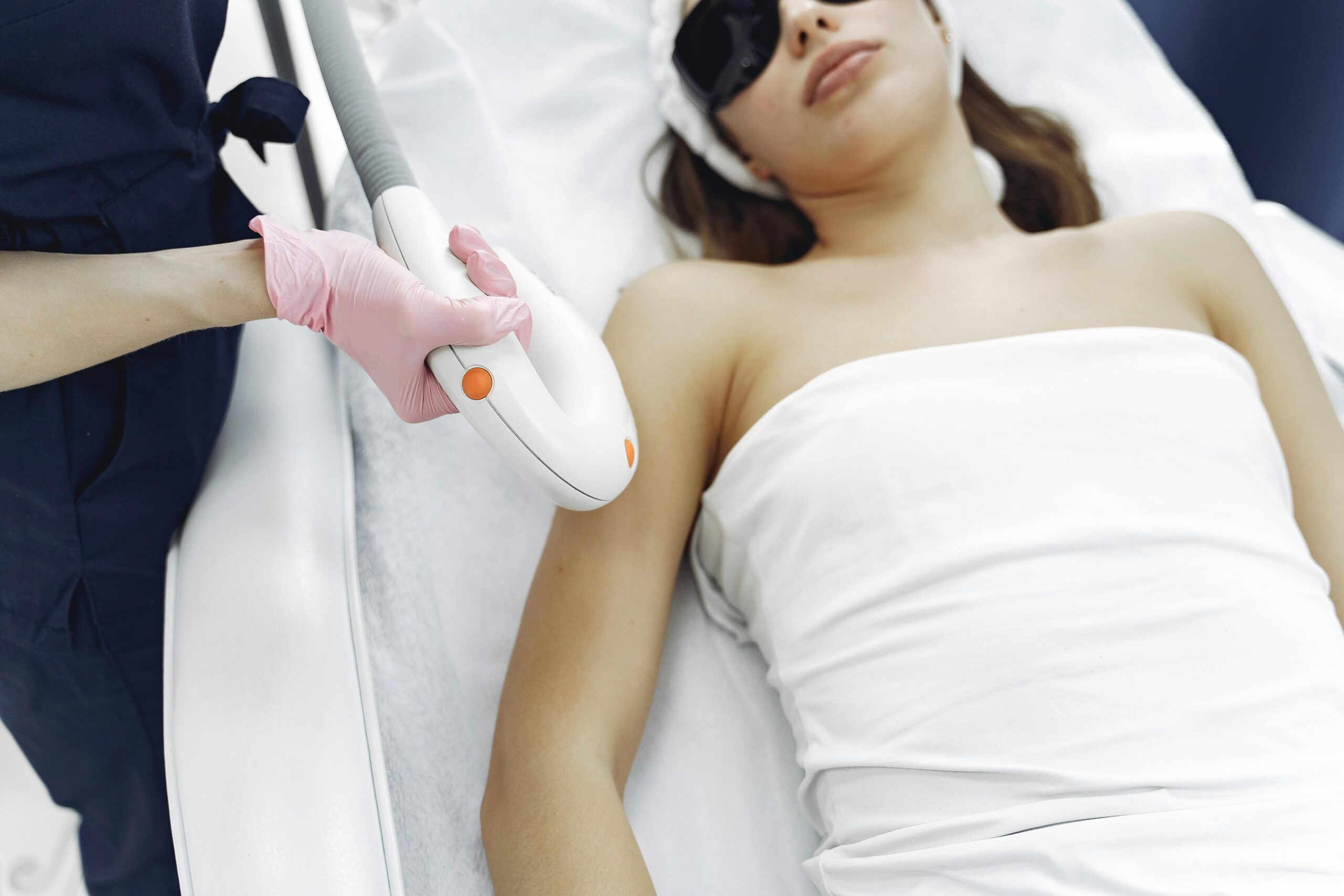
Day of treatment: keep it clean, calm, and product-light
Treat laser day like you would a mild procedure. Arrive with:
- clean skin
- no deodorant on underarms (if treating there)
- no makeup, fragrance, body oils, or shimmer products on the area
- freshly shaved area (often within 12–24 hours, depending on guidance)
After treatment, think “cooling and calming,” not “active and corrective.” Your skin doesn’t need to be fixed—it needs to recover.
The first 72 hours after: a simple recovery routine
Your post-laser skincare should be boring (on purpose)
For the first few days, stick to a simple skincare routine, kind of like eating plain food when you’re not feeling well.
- gentle cleanse (lukewarm water; no scrubbing)
- moisturise with a barrier-supporting cream or lotion
- SPF daily if the area is exposed
If your skin is red or warm, try using a cool compress to calm it down. For moisturizing, a lot of people find that a simple, fragrance-free lotion works well. Some people also like to use a thin layer of soothing gel – look for ingredients like panthenol, allantoin, or colloidal oatmeal. Just be careful not to use too much, especially if you’re prone to getting clogged pores. Heavy layers can trap heat and make bumps even worse.
Week-by-week maintenance between sessions
Exfoliation: helpful, but only in the right window
Once your skin is calm, gentle exfoliation can reduce ingrowns and help shed treated hairs. The sweet spot is usually about a week after treatment (and not right before your next session). Choose one method:
- a mild chemical exfoliant 1–2x weekly or
- a soft washcloth with light pressure (not a scrub)
If you’re treating the bikini line or underarms, ingrowns are often more about friction and hair texture than “not exfoliating enough.” Loose clothing, breathable fabrics, and consistent moisturising can make a bigger difference than aggressive acids.
Keep your barrier strong to keep results consistent
Laser courses require multiple sessions because hair cycles through growth phases. Inconsistent sessions, sun exposure, and irritated skin can slow progress. A steady “boring” routine tends to produce the most predictable outcomes:
- gentle cleanse
- moisturise daily
- SPF daily (for any exposed area)
- minimal fragrance and essential oils in the treated zone
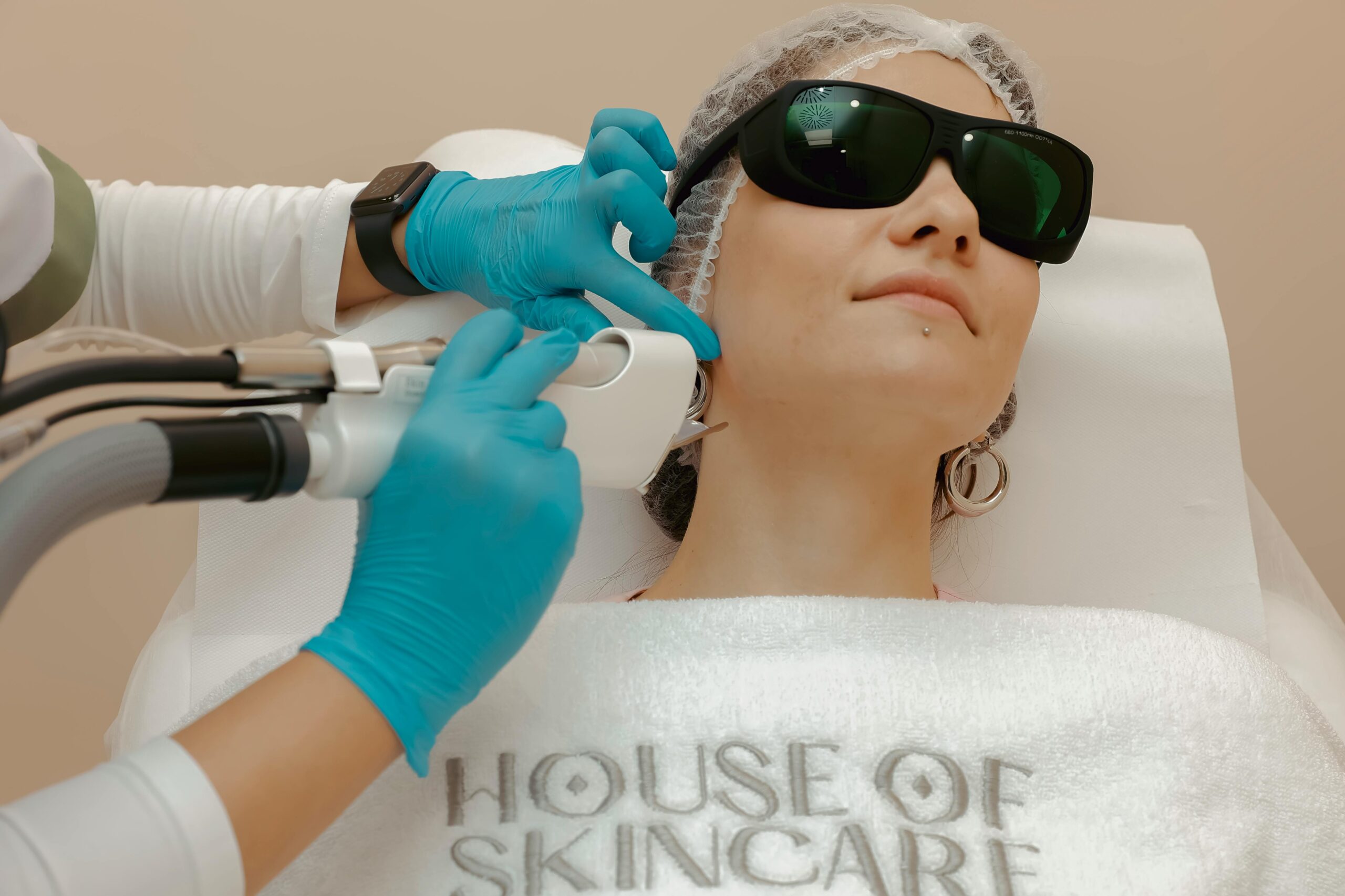
Troubleshooting: what’s normal, what’s not
Some redness and follicular bumps should be expected. Notify your provider if any of the following occur:
- blistering, crusting, or worsening pain
- swelling that increases after the first day
- patchy darkening that persists
- signs of infection (spreading redness, pus, fever)
This is also worth mentioning: If you find that you are consistently feeling irritated then this is unlikely to be an issue with your skin care. The settings, device parameters and technique of the treatment will all vary from patient to patient depending on the individual’s skin type (Fitzpatrick scale), hair colour and location of the area to be treated.
The bottom line
To get the best results from laser hair removal you will need to have a good skincare regime in place. We recommend that you try and keep your skin as calm as possible before your treatment and that this continues through until your appointment. We will then advise a simple skincare regime post treatment, whilst your skin recovers to the treatment and advise that any irritating products are not used. These can be introduced back into your regime once the skin has fully recovered. Maintaining a good skin barrier will not only help to reduce downtime and side effects but will also help the result to last longer.
Written by sagar.linclogy@gmail.com