
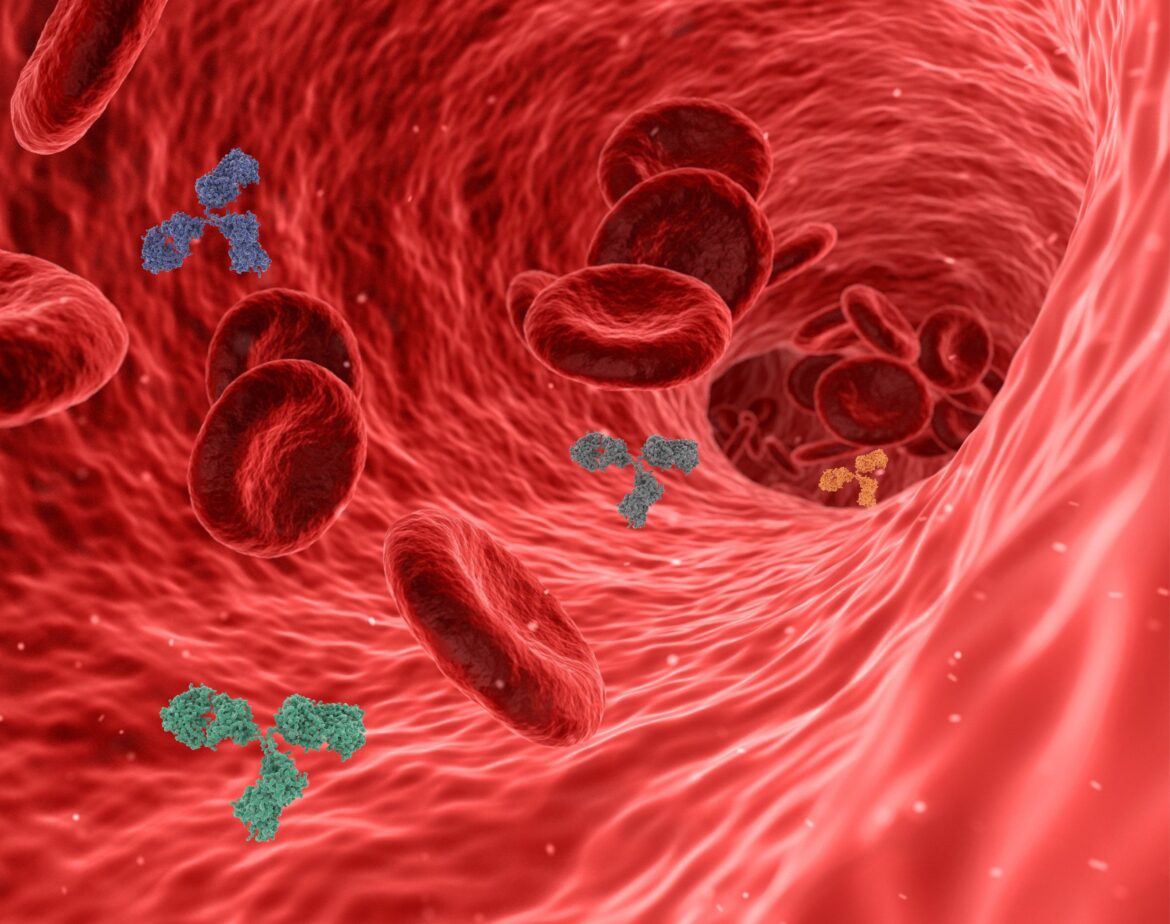
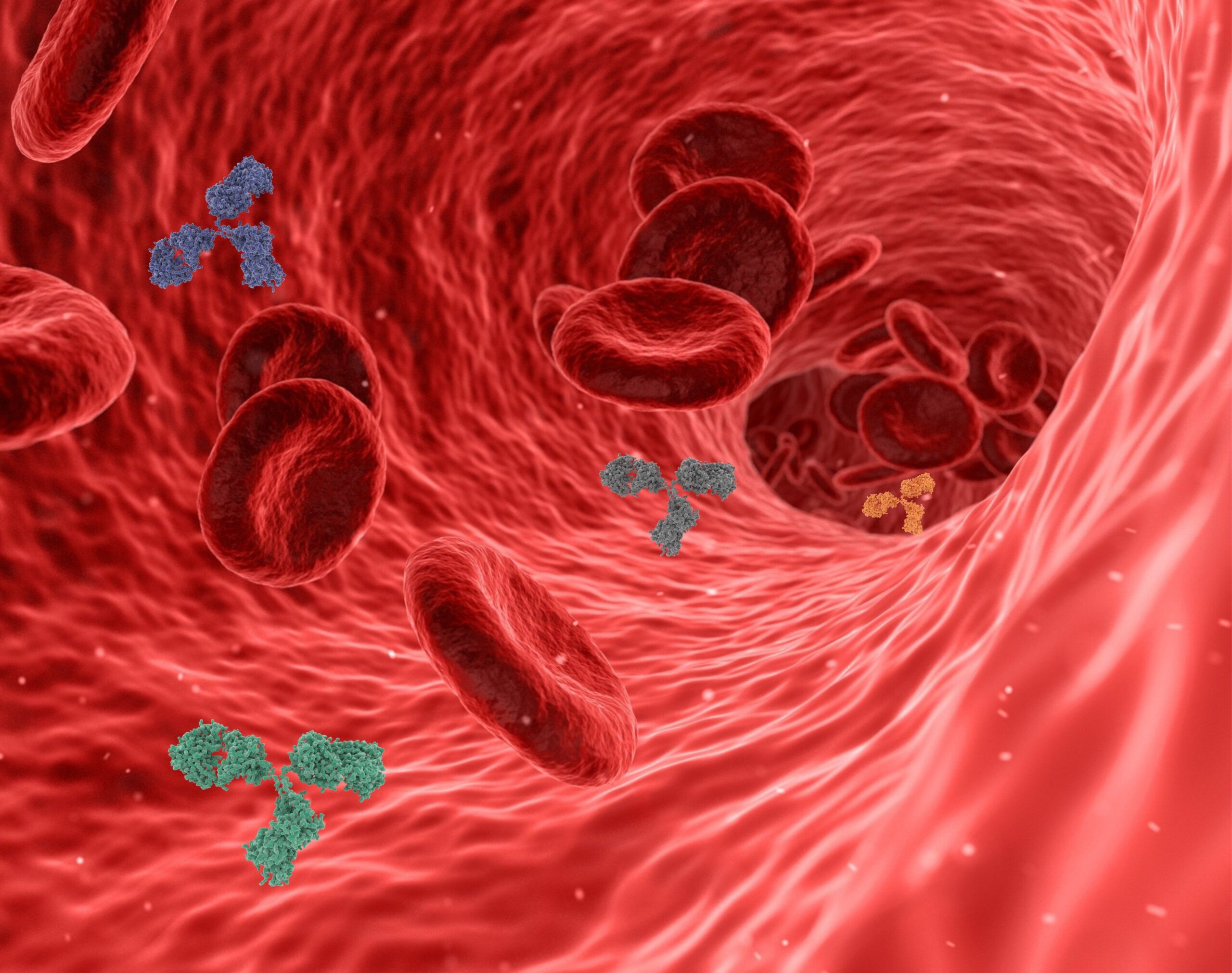
Most of us don’t really think about platelets. We hear the word during a blood test, maybe nod, and move on. But these tiny cells quietly do one of the most important jobs in the body – they stop bleeding when something goes wrong. Now imagine they’re not there in enough numbers.
That’s what happens in thrombocytopenia. It simply means your platelet count is lower than it should be, and while that sounds technical, the effects can show up in very everyday ways.
It doesn’t always start loudly
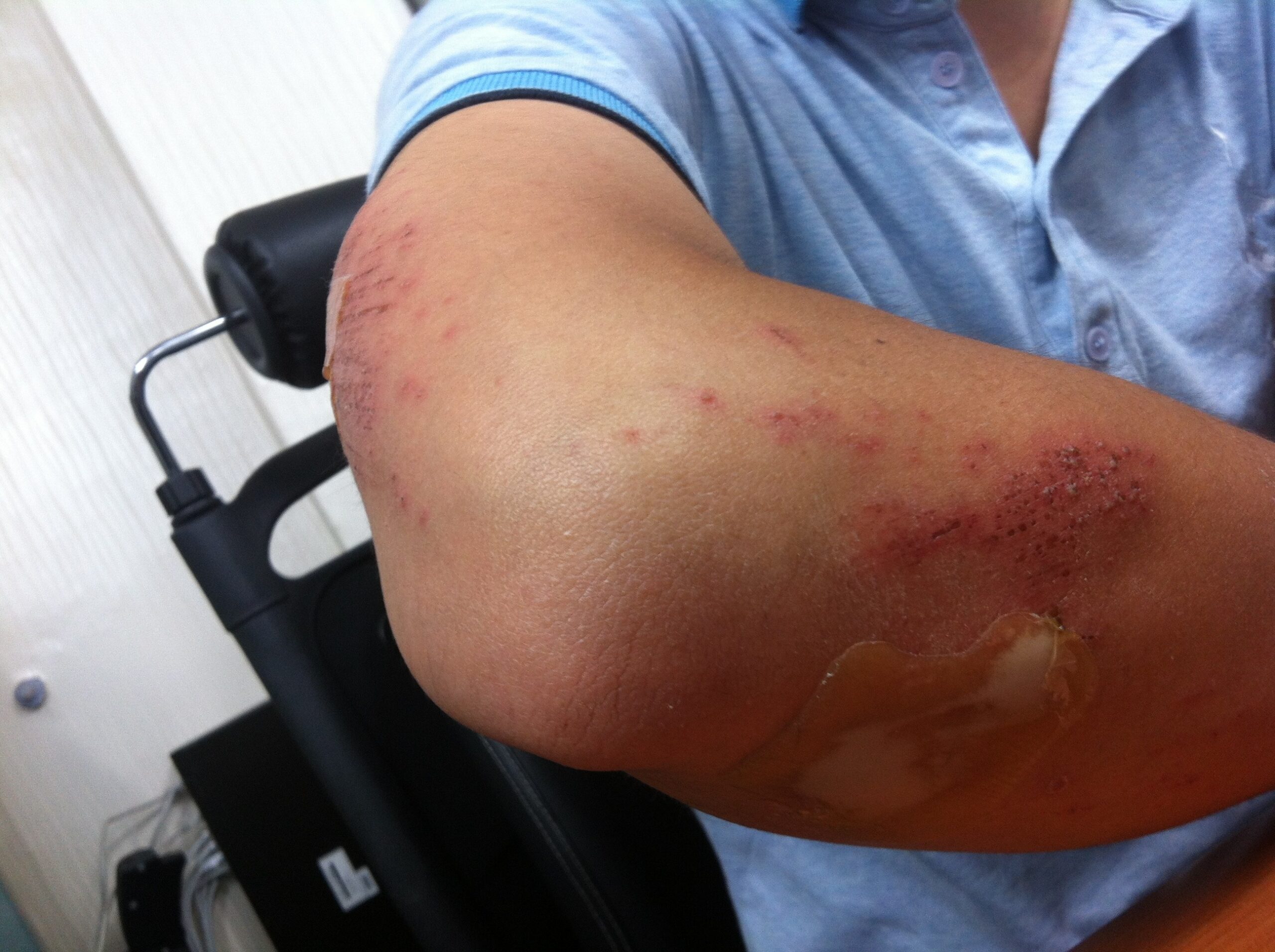
One of the frustrating things about thrombocytopenia is how subtle it can be at the beginning. You might not feel sick. No fever, no pain, nothing obvious. Instead, it shows up in small, easy-to-ignore ways. A bruise on your arm that you don’t remember getting. Gums bleeding a bit while brushing. Maybe a nosebleed that takes longer than usual to stop. On their own, none of these seem serious. Together, they can be a clue.
Some people also notice tiny red dots on their skin, especially on the legs. These are called petechiae. They don’t hurt, which is why people often overlook them. If you’re curious about the full range of symptoms, this page on HEMATOLOGY Thrombocytopenia Symptoms and Risk Factors explains them in more detail.
So what actually causes it?
There isn’t just one reason and that’s what makes it a bit tricky. In some cases, the body just isn’t making enough platelets and this can happen if the bone marrow isn’t working properly, sometimes due to infections or deficiencies. In other situations, the body does make platelets, but destroys them too quickly. This is often linked to immune system issues, where the body mistakenly attacks its own cells.
Then there are external factors, for example certain medications can lower platelet counts, or alcohol, if taken regularly in large amounts, can also have an effect over time. And sometimes, it’s tied to other health conditions like liver disease. If you want to explore how different conditions are connected, you can browse general hematology resources on Liv Hospital.
The symptoms people notice most
Let’s keep this simple and real. People with lower platelet counts often mention things like:
- Bruising more easily than before
- Cuts that take longer to stop bleeding
- Frequent nosebleeds
- Bleeding gums
- Heavier periods than usual
- Feeling unusually tired
Not everyone gets all of these. Some people only notice one or two. That’s why it’s easy to miss.
Who should pay extra attention?
Technically, anyone can develop thrombocytopenia. But some people have a higher chance than others.
For example:
- People with autoimmune conditions
- Those taking certain long-term medications
- Individuals with liver-related issues
- People undergoing treatments like chemotherapy
- Even some pregnant women (usually mild cases)
That doesn’t mean it will happen, just that it’s worth being a bit more aware.
When is it time to check?
This is where common sense matters more than anything. A single bruise? Probably nothing, but if you start noticing a pattern of bruises appearing often, bleeding that feels different, or small symptoms adding up it’s better not to ignore it.
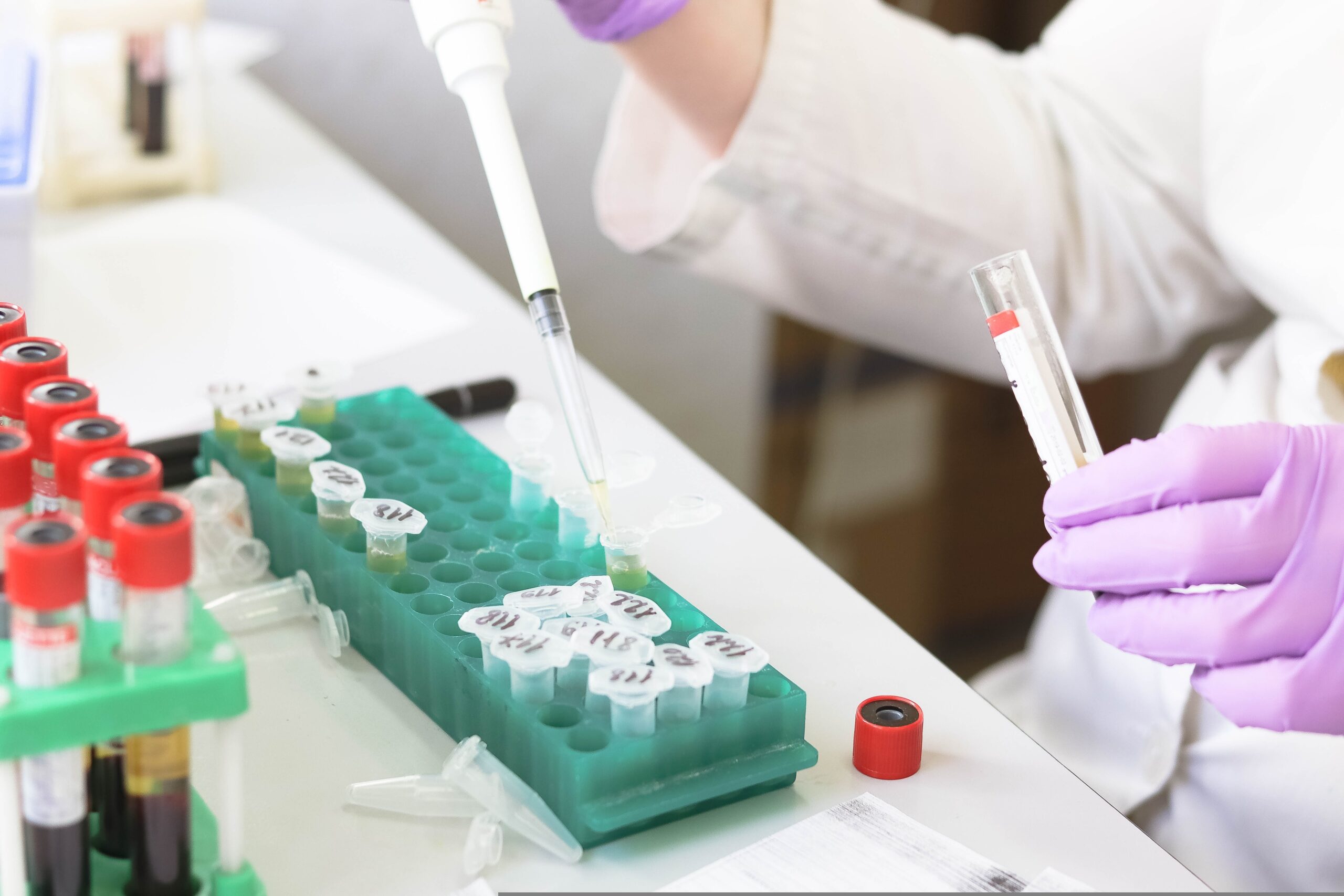
A basic blood test can quickly show if platelet levels are normal or not. From there, a doctor can decide if anything else needs to be checked.
It’s not about panic, it’s about awareness
Here’s the thing. Reading about conditions like this can make anyone a little anxious. but that’s not the goal. The goal is awareness and your body usually gives small signals before something becomes serious. The problem is, we’re often too busy or distracted to notice them.
Paying attention doesn’t mean overthinking every symptom, it just means not brushing everything off automatically. Good sleep, balanced eating, and managing stress won’t guarantee perfect health, but they do support your body in the long run. And if you’re someone who likes reading more about everyday health and lifestyle habits, you might find some useful insights on live and feel.
Final thought
Thrombocytopenia isn’t something most people talk about, it doesn’t come up in everyday conversation. But it’s more common than many realize. The important part is simple: notice changes, don’t ignore patterns, and check when something feels off. Health issues rarely appear out of nowhere, they build quietly. The earlier you catch them, the easier they are to deal with and sometimes, it starts with something as small as a bruise you didn’t expect.
Written by william@bifluence.com

