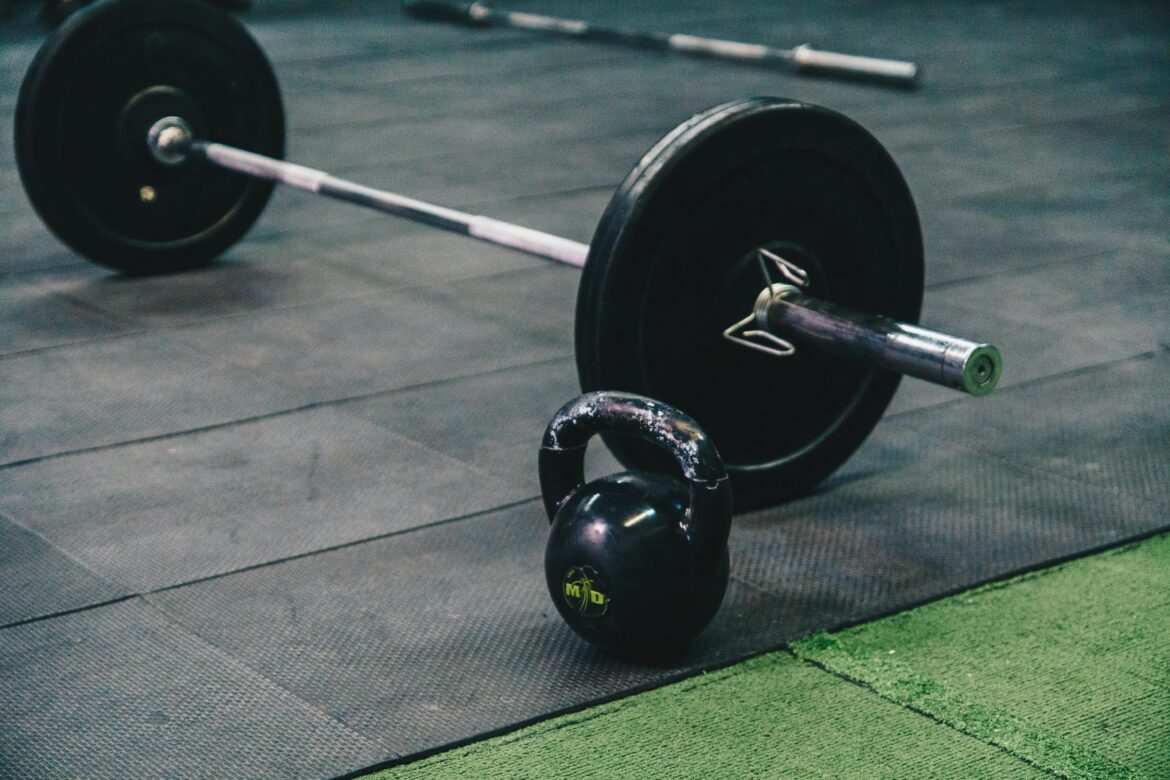
You train, you exercise, you go to the gym to get strong and fit. But have you ever thought about something that can really improve your strength and fitness – even your daily life – and that is Grip Training! With Grip Training you will gain strength, overall fitness and the ability to perform daily tasks with more efficiency. Whether you are lifting bars or participating in an endurance sport, having a grip that can handle weight and stress will enable you to reach your highest potential.
Why Grip Strength Is Essential
Supports Everyday Activities
You might have not even realised the last time you used your grip strength. Grip strength is often overlooked when thinking of your physical fitness, however it is a fundamental component of your overall fitness that can be of great benefit to you in your daily life. Whether you’re a homemaker or a tradesman, at home or in the shop, using grip strengtheners will make many common tasks less frustrating. Imagine not having to call for assistance to open a jar of relish to accompany the shopping you’ve got out to prepare for a big meal. Imagine having the stamina to continue working on that amazing wood working project late into the night. Whether your activity of choice be shopping or woodworking, using grip strengtheners will increase your endurance in these pursuits.
Enhances Athletic Performance
Whether you are a weightlifter, rock climber, tennis player or golfer, building up your grip strength can enhance endurance, performance and control. Your grip could be holding you back from training or playing harder and for longer.
Improves Overall Strength
Your grip can also act as a limiting factor as to how heavy you can lift. Incorporating grip exercises such as plate pinches, grip releases and chains into your training will help to strengthen your hands and forearms. Incorporating these movements into your program before exercises such as deadlifts, pull-ups and rows will enable you to lift heavier for these compound movements.
Key Benefits of Grip Training
- Increased Muscle Endurance – Grip training is used to increase endurance of the hands and forearms so you can do more sets, and have the stamina to train longer.
- Better Injury Prevention – A weak grip can cause imbalances in the body leading to overly active wrists and elbows, which can be alleviated by training the grip muscles.
- Improved Coordination – Strong more coordinated hands will allow you to improve your hand movement control and application. This is also essential for a variety sports and any functional movement that involves manipulating your hands.
Effective Grip Training Techniques
- Use Resistance Tools – Isolate your grip muscles using hand grippers and other grip training aids such as plate loadable grips, dumbbell handles, boxes/bare feet, chains etc. Use these aid to progressively load weight onto your hands as your grip strength increases.
- Incorporate Compound Exercises – Farmer’s carries, deadlifts, and pull-ups are all exercises and movements that require grip strength, but incorporating training that specifically targets grip in a standalone fashion will improve grip strength in a more functional way.
- Focus on Time Under Tension – Endurance and grip strength can be improved by holding weights for a longer time during static training, such as static hangs or static weight carries.
- Train Consistently – Training in short bursts on a regular basis is more effective than training in long, occasional bursts at high intensity. The old school thought was to do a few high intensity sessions every few months. However, it is far better to train regularly and consistently.
Who Should Prioritise Grip Training
- Fitness Enthusiasts – Whether you’re looking to add a twist to your existing training or boost your overall muscle mass, incorporating grip strengthening into your routine can make all the difference in lifting heavier and bigger. Here, we’re running through five killer exercises to help increase your grip strength to new levels.
- Athletes – Many sports demand grip strength, particularly those that require hand control, such as activities like climbing or martial arts. Racquet sports are also very demanding on the hands, requiring plenty of grip strength for successful play.
- Office Workers – Long hours spent typing away at a computer can wreak havoc on your hands. But doing a few simple grip exercises can help fight fatigue by increasing circulation and relieving tension.
- Rehabilitation Patients – In many recovery programmes grip training is used in order to help build up strength and mobility following an injury.
Tips for Maximising Your Results
- Start Gradually – It is recommended to start off slowly and increase intensity as your body adapts to the demands placed upon it.
- Track Your Progress – Log your workouts so you can see how you are improving and get that workout high feeling!
- Allow Recovery Time – Remember that when trying to build muscle, rest is key. Don’t overtrain and give your hands and forearms time to recover between sets.
- Combine with Full-Body Training – Grip Training alone is not sufficient to improve overall body fitness; training of all muscles must be included.
FAQ Section
How often should I do grip training?
For most individuals, three to five training sessions per week is the optimal frequency. This decision is based on the intensity of training as well as how quickly an individual is able to recover between sessions. The human body is highly adaptive and can recover more quickly than most give it credit for, however, there are limits to how much volume it can process. Training can be high volume (how many sets and reps are completed) or high intensity (the amount of weight lifted or the weight lifted for fewer repetitions). Generally, training programmes incorporate a combination of both. If the volume or intensity of training is increased, the body requires greater time to recover, meaning that training frequency must also decrease. In
Can beginners benefit from grip training?
You start off at a beginner level and as your body gets stronger you can increase the tension/resistance.
How long does it take to see results?
Early gains are often realized within a few weeks for consistent trainees.
Do I need special equipment?
Hand grippers can be useful to incorporate grip training, however hangs and carries can be completed with very minimal equipment.
Can grip training help with injuries?
It could be used for rehabilitation. For specific advice on this please contact a professional.
Conclusion
Most people don’t realise the value that grip training can add to your training. Whether you are a bodyweight athlete, gymnast, rock climber, weight trainer, powerlifter or Olympic lifter, grip training will help you increase your overall training ability and reduce your risk of hand and wrist injury. It will also make simple things like opening jars, and packages a whole lot easier.
Written by media@blogmanagement.io