
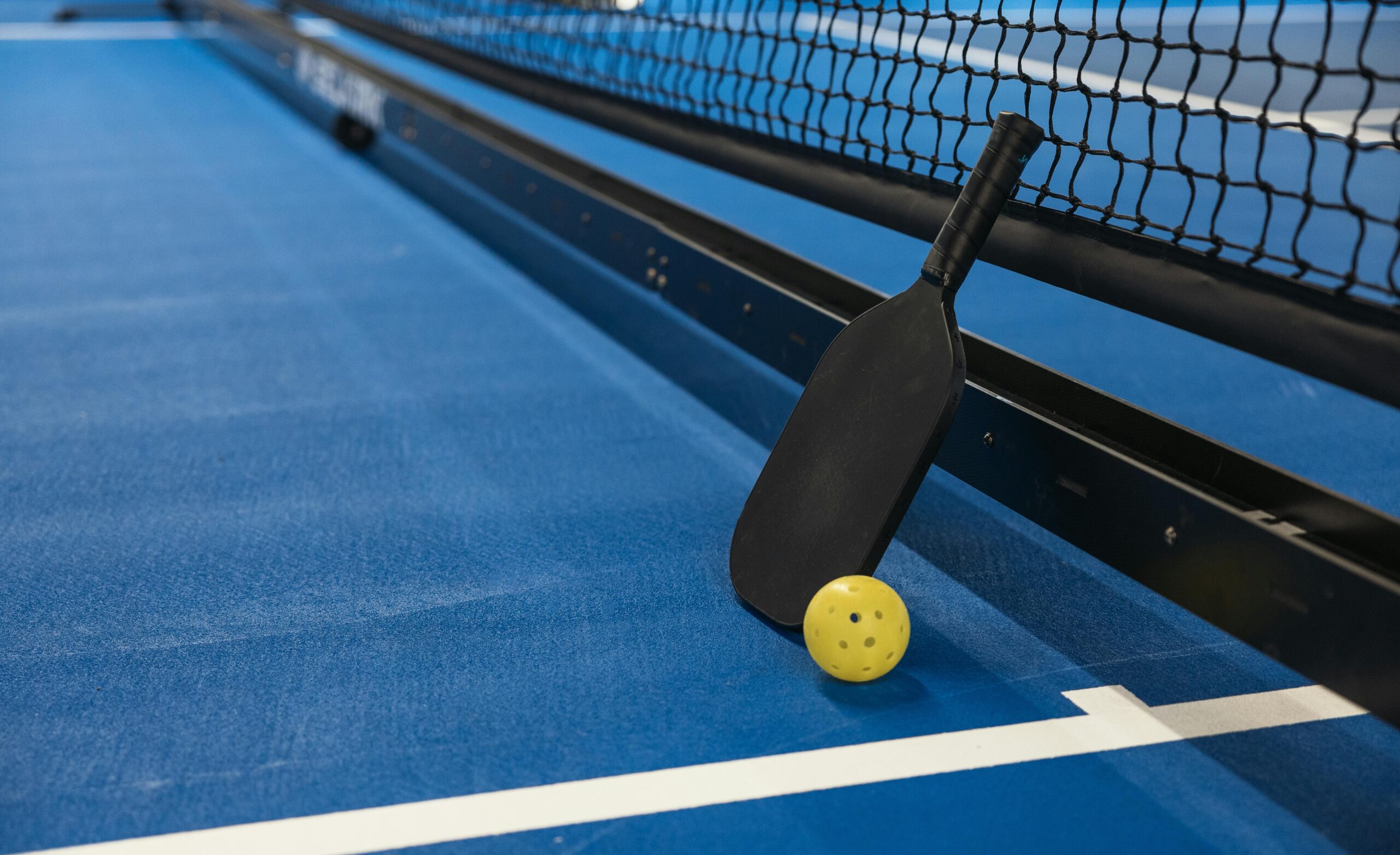
There has always been a loyal following of paddle sports fans due to the constant bounces, the social aspect of the sport, and the satisfying “pop” when the ball hits the paddle. Things have accelerated even more so, and pickleball is becoming America’s fastest-growing sport. The game is enjoying a renaissance among those returning to it post-work and among those going back to the game in retirement.
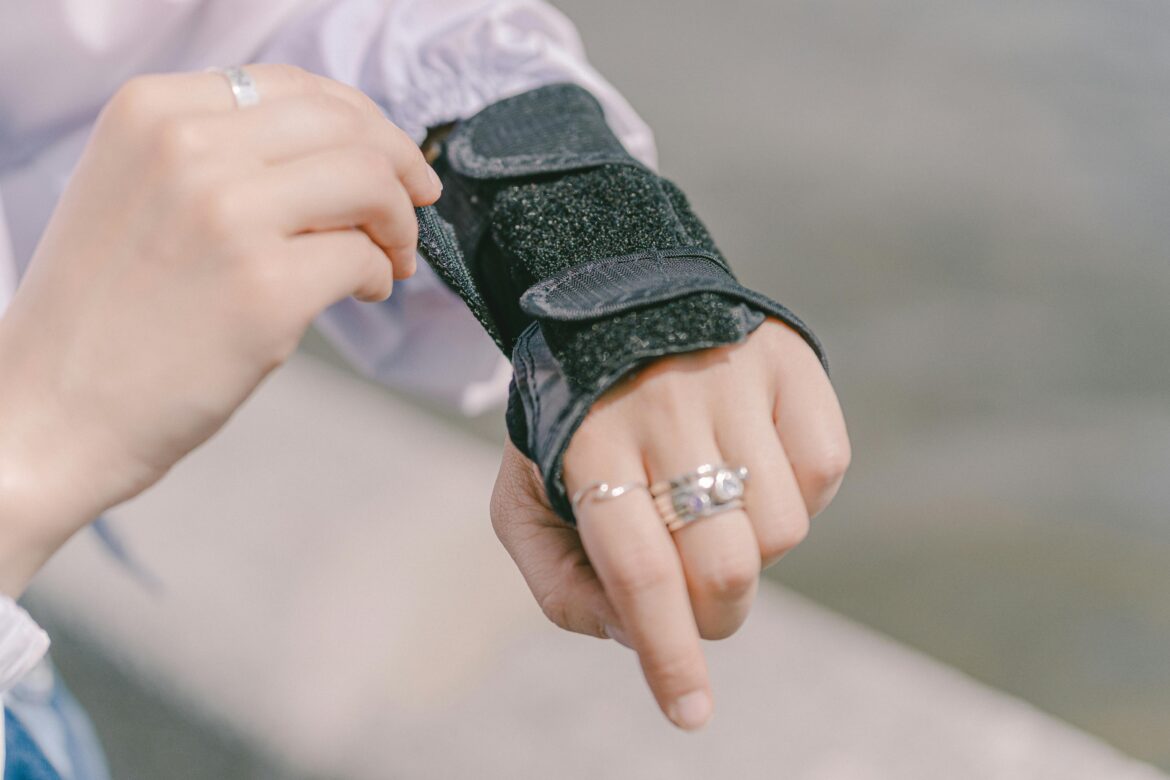
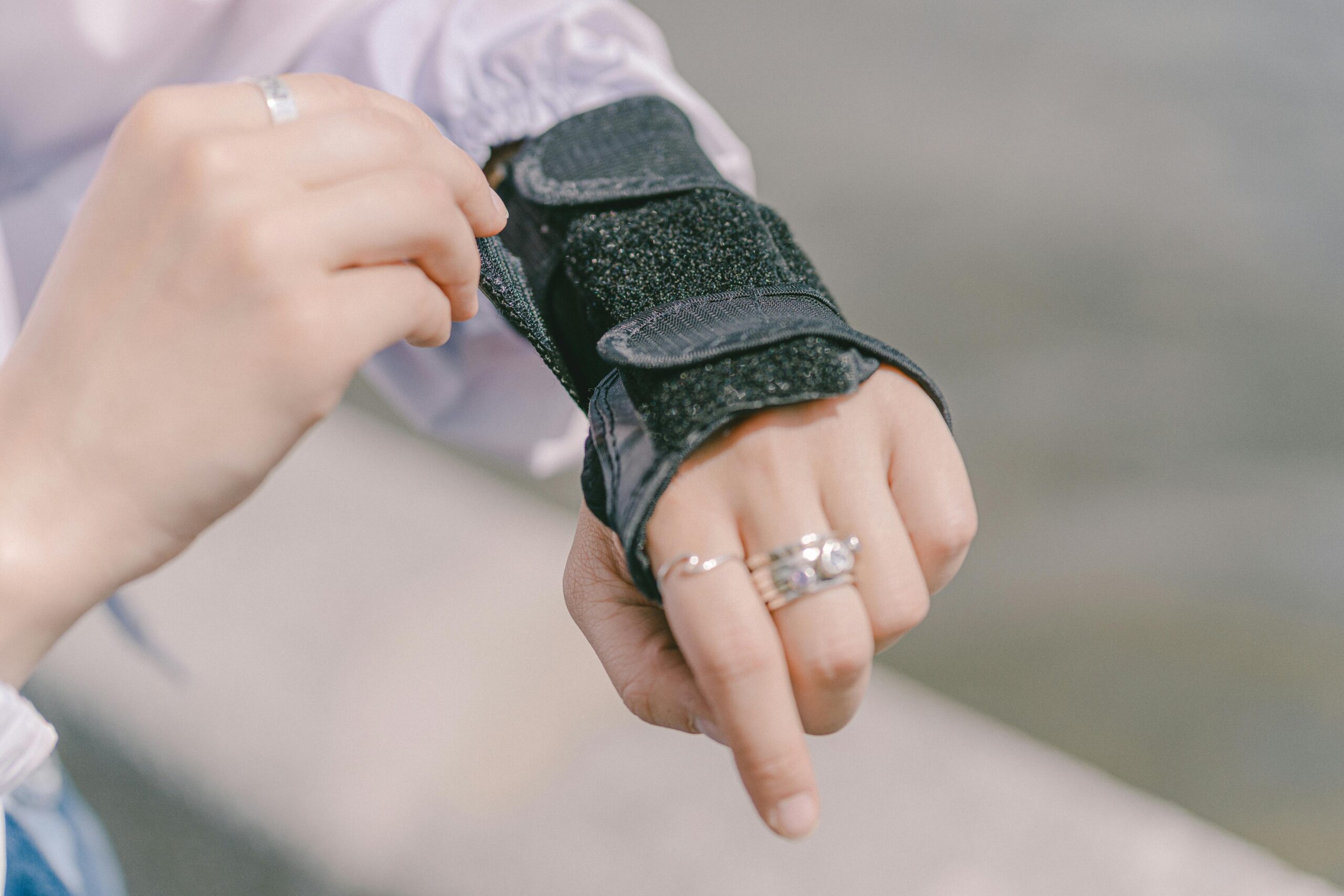
It is important to note that “low impact” doesn’t necessarily mean “low strain” on the body. You’ve got plenty of pressure on your wrist with repeated swings, as well, and this repeated swing can lead to wrist strain over time. If left untreated, players can even experience tendinitis in more severe cases.
Warm Up Properly
A lot of players walk on the court and immediately start swinging at full velocity, only for the wrist to end up paying the price for that later. With the combination of any joint and tendon not being prepared for rapid movement, irritation can occur rapidly, particularly for those who type, scroll, or grip objects for hours throughout the day.
The right warm up allows your wrist and forearm to acclimate to the game before heading into full swing. Begin by making gentle wrist circles, then light forearm rotations and open and close hands naturally to relax muscles. For much better results stretch to improve your muscle flexibility before a game; for a few half-speed swings, it’s good to warm up the body before shooting at speeds.
Maintain Neutral Wrist Position
Many players tend to put too much pressure on the wrist when they attempt to make a shot, but the wrist should not be the sole source of power in a shot. Some players play with a quick, hard contact attack because it is more ‘allowed’ to attack, but over time the wrist becomes stressed by repeatedly bending it forward or sideways in the attack. You may not feel it while playing, but you might later in the day find that things aren’t the same.
Rather, attempt to keep the wrist in a more neutral position with equal force distributed throughout the forearm and shoulder girdle. When playing forehands make sure you keep the wrist straight with the forearm and not curled at impact. On volleys, don’t overflick to get power, use natural body rotation to get power, that will keep your shots smooth and reduce strain on the wrist.
Use Your Whole Body
Newer players will tend to use the hand and wrist almost exclusively to hit the ball, with little contribution from feet and larger muscle groups. This leads to excessive force being generated at the wrist on each swing, possibly causing wrist pain and fatigue after extended matches.
The entire body should be involved in the movement for each shot. Bend the knees, push through the legs to run toward the ball and turn the hips and shoulders rather than the arm. The wrist is subjected to virtually no stress during long rallies, and when the larger muscles are called into action, shots are smoother and more controlled.
Loosen Grip Pressure
It’s only natural for a player to back off from the court when they’re playing; there shouldn’t be anything wrong with that. Excessive tension however directly leads into the wrist and forearm, and when performing for extended durations can result in tiredness and discomfort.
Grip strength is important in paddle events and it allows for control in quick exchanges, but not squabbling the paddle all the time. Maintain a moderate pressure while playing and increase just when you make contact if needed, but decrease again after contact. This is a gentler method for moving the wrist without tension, allowing it more free-handled motion.
Strengthen Your Forearm Muscles
Muscles around the wrist are important in supporting its function, if they are weak/sore they will need to support the wrist and can add to the strain of the wrist. This is particularly apparent when playing extended matches or when players have multiple days on the court weekly.
Small amounts of specific strength training can make a huge difference long term. A good initial exercise would utilize wrist curls to help develop forearm endurance and wrist stability. Slow and controlled actions are good and reverse wrist curls and farmer carries can be useful. Players can play regularly and discover longer sessions of playing aren’t as draining on the forearms or wrists.
Choose High-Quality Equipment
Many times, it’s not technique but equipment. Hard vibration paddles can also add stress on the wrist, especially when hit off-center causing players to experience that “buzzing” feeling after making a hit.
If you play the game on a regular basis, it’s worth the investment of high quality equipment because it will allow you to experience the comfort and control in your game. Honolulu Pickleball paddles come in various forms and with many different levels of foam, including a multi-layered foam that evenly distributes power across the surface of the paddle.
This gives it a more fluid feel when it comes into play but still holds its own when shooting in a fast-paced rally.
Conclusion
Paddle sports place more stress on your wrist than you might realize as each time you paddle, have to react, and use a close grip you feel the added stress on your wrist. So, a proper warm-up, less grip pressure, stronger forearms and proper equipment, are all key to long-term comfort and minimizing injuries.
The idea is to be comfortable during play and to wear as much protection as the body could use in the long-term. Pain-free wrist control will allow players to react more quickly, get up and move and enjoy the game without the pain of aching wrists. After all, you don’t want to stress your opponent’s tendons, you want to stress his opponent.
Written by Jason Lee