
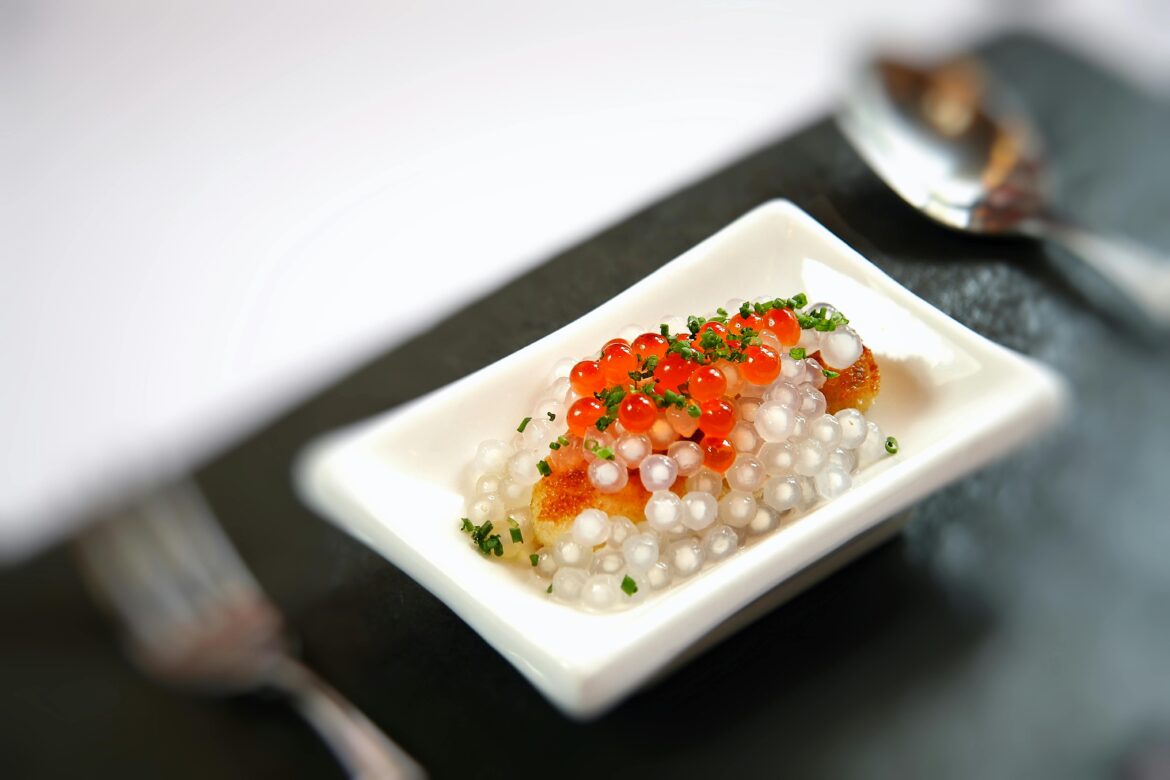
Caviar is one of the most known and expensive foods around the world. Caviar is often associated with the wealthy, fine dining and special occasions. Even though caviar is often used as an indulgent food for special occasions, the nutrients found in caviar are very dense and provide many healthy nutrients in this salty, oily food. But is caviar a healthy food or is it just another luxurious food to indulge in? In order to find the answer to this question, we first have to take a closer look at what caviar consists of.
After that we are going to explain how caviar can affect the human body and last but not least we are going to describe the risks of caviar for the human body in case caviar is being consumed on a regular basis.
What Exactly Is Caviar?
There are so many species of fish that are used to make caviar, but Sturgeon caviar is by far the most common and also the most expensive. So, when someone refers to caviar, it is most likely Sturgeon caviar. Typically, caviar is the roe of the fish that has been preserved with salt either by being dried or frozen. Caviar is a concentrated food, therefore it is typically eaten in small quantities due to its price as well as its taste and feel in the mouth.
Health Benefits of Caviar
Caviar can be used as an ingredient in many dishes, and there is always one constant; it is eaten in small amounts. There is a common misconception that caviar is only for the wealthy and for special occasions. In reality, caviar can be a part of a very healthy diet. It is true that caviar is rich in cholesterol, and it is high in salt because it is salt-cured. It is also packed with protein, omega-3 fatty acids and a wide array of other vitamins and minerals, and it has a lot of antioxidants. The vitamins, minerals, and elements in caviar include Vitamin D, calcium, and phosphorus, which all help to build and strengthen bones and keep a body’s mineral balance. As a nutrient-dense food, caviar, even in small portions, is very able to provide a consumer with a great deal of nutrients.
A key element of caviar is that it is a nutrient-dense food and can be a very good addition to one’s diet. It is a concentrated source of many of the nutrients required by the human body, including vitamin D, calcium, and phosphorus. These three minerals are very important in building and maintaining strong bones and in general mineral intake.
Potential Downsides of Eating Caviar
However, as with any food, there are also limitations for caviar. A major limitation of caviar is the high levels of sodium found in caviar due to its salt-cured preparation. The amounts of sodium found in caviar will pose problems for some individuals with high blood pressure and other health problems.
In addition, caviar contains high levels of dietary cholesterol. The amounts of cholesterol found in sturgeon can be very high naturally, and this is further increased by the roe of the sturgeon. This can pose problems for individuals with heart problems as well as other individuals with lipid disorders and be consumed in excess by other individuals.
In addition, caviar can have trace amounts of heavy metals and other environmental pollutants. Although these amounts are typically not of health concern, they must be considered when looking at the potential health concerns of caviar. Finally, caviar is composed of high amounts of fat, and because of this caviar is best to consider as a luxury food to have on occasion as opposed to including it in your diet on a regular basis.
How to Eat It in a Balanced Way
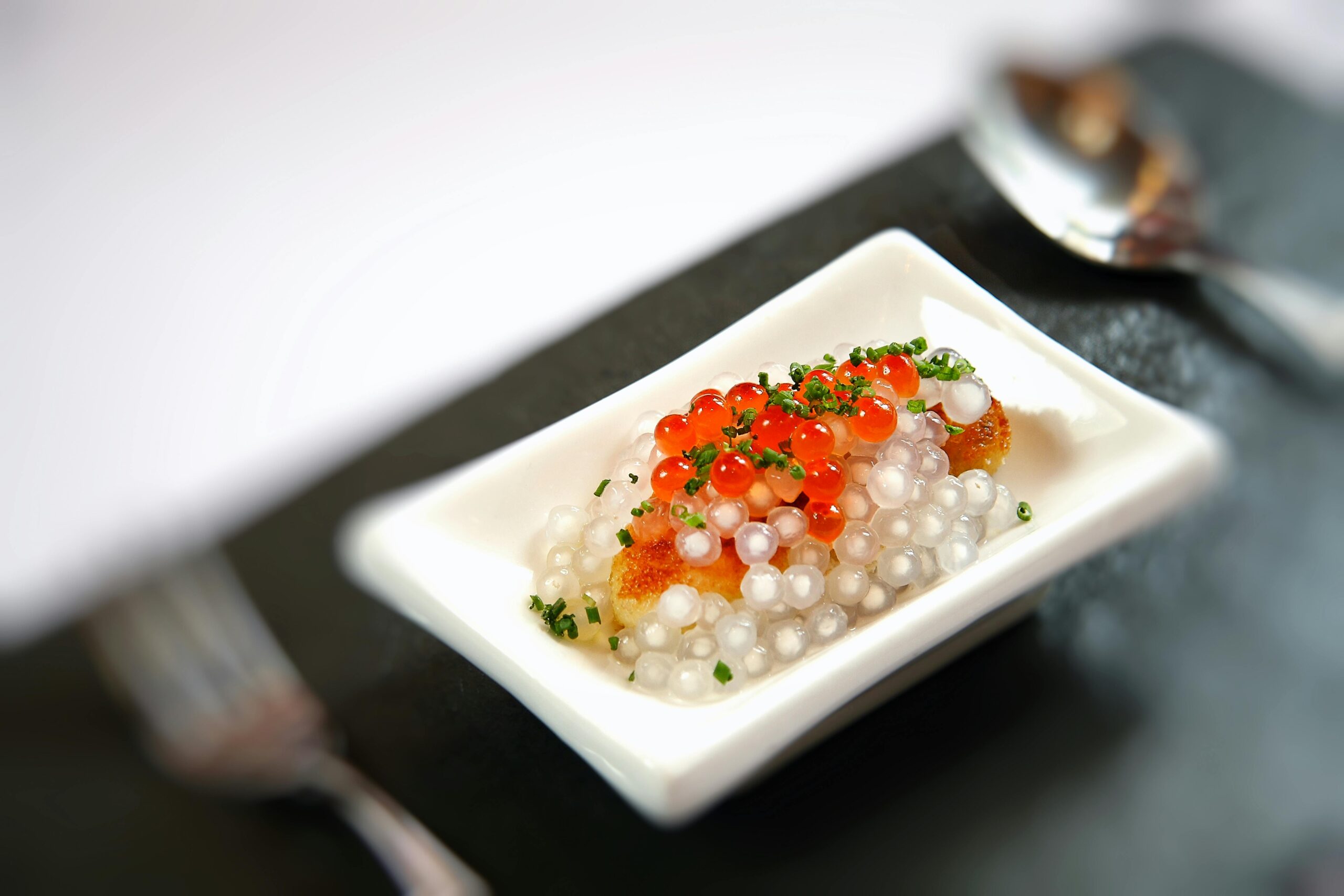
If you are curious about how to eat caviar in a way that balances enjoyment with health, the key is moderation and pairing. Caviar is best served in small portions—often as a garnish rather than a main dish. It pairs well with mild foods like eggs, lightly toasted bread, or cucumbers, which allow its flavor to stand out without adding excess salt or fat. Keeping servings small helps you enjoy its nutrients while avoiding too much sodium at once.
How Much Caviar Is Healthy?
A typical healthy serving is around 1–2 tablespoons. This amount is enough to experience its flavor and nutritional benefits without overloading on sodium or cholesterol.
Because it is so concentrated, even small portions are nutritionally meaningful.
Final Verdict
Caviar is an example of a rare food that is not only health-enhancing but also very expensive. The roe of sturgeon and other fish in the form of caviar is a source of high-quality protein, fat, vitamins and minerals, necessary for the human body, in a highly concentrated form. Caviar, being a nutrient-rich food, can be part of a healthy diet from time to time. Nonetheless, the high amounts of salt and cholesterol in caviar must be consumed in moderation. Caviar is a rare food product that can be eaten occasionally and is healthy in small amounts. Because of its high value and limited consumption, it is mostly used as an accent in different meals.
Written by Velibor Zivkov