

Choosing the right assisted living home affects daily comfort, health, and the peace of mind families carry with them for years afterward. Most relatives feel buried under glossy brochures, endless feature checklists, and opinions from every corner of the extended family. A steady, structured approach to visits and comparisons cuts through that noise. The steps, questions, and comparison habits outlined below help families reach a confident decision without looking back with regret.

1. Prepare Before Scheduling Any Tour
Good preparation shapes every visit that follows. Relatives who walk in with a clear list of priorities tend to catch details that casual visitors overlook. Before booking appointments, write down the resident’s medical needs, mobility status, diet, and hobbies. Families researching assisted living in Bullhead City often begin by aligning those needs with what local communities actually offer. Budget ceilings and preferred neighborhoods matter just as much. Research from AARP found that nearly 77% of adults over 50 want to stay near family, so distance from children or grandchildren carries real weight in the search.
1.1 Build a Must-Have Checklist
Making a checklist for your home tours is an excellent idea to keep yourself on track. It’s especially important to pay close attention to the care aspect of the home and write down the most important aspects of care to pay attention to in your checklist. Also, be sure to write down your questions to ask while on the tour before you go. Since touring homes for assisted living can be an emotional experience, you’ll want to make sure you don’t forget any of the important questions to ask.
2. Schedule Tours at Different Times of Day
Several communities look their best during mid-morning visits, when group activities fill every lounge. Booking a second walkthrough at another hour reveals a fuller picture. An evening or weekend stop shows staffing patterns, dinner quality, and the general mood once senior administrators have gone home.
Families weighing assisted living options in Bullhead City or similar desert regions should look closely for climate-controlled lounges, shaded patios, and hydration stations during the warmer stretch of the year. Visiting a property at two contrasting times confirms that care stays steady regardless of which caregivers are on shift or which residents happen to be around.
2.1 Observe Staff Interactions
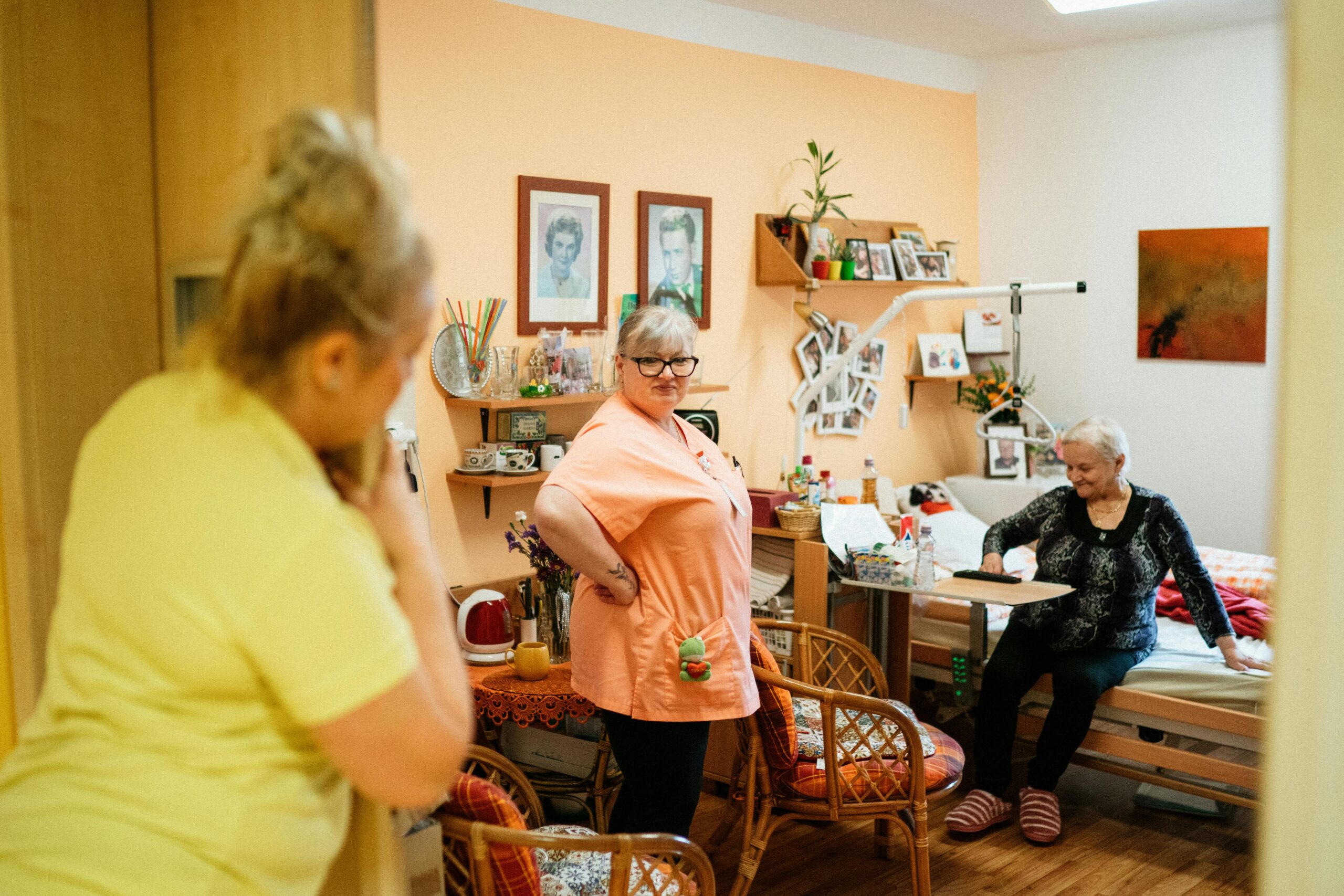
Look for warm eye contact and for the time that the staff takes to listen slowly and thought looking for an assisted living community, make sure to pay close attention to how the staff treats the current residents according to their needs. Pay close attention to whether or not the staff refers to the resident by name. If the staff seems to rush by the residents and does not interact with them at all, then this could be a sign that the community is not well staffed or that the staff does not stay very long at the community.
3. Ask Direct Questions About Care and Costs
Ask for a breakdown of all fees and compare them with the national or local median for assisted living in a current Cost of Care survey (e.g. Genworth’s 2023 Cost of Care Survey which reported a national median of $5,350 per month for assisted living with large regional variation). Ask for a written breakdown of fees and compare with that of other communities. Ask for a written copy of the questions that you asked about fees. Also be sure to ask for a written copy of the answers to the questions that you asked about fees. Some of the key fees to ask about are the base monthly fee, any additional monthly fee for a level of care (e.g. Alzheimer’s), any additional monthly fee for medication management, and any one-time deposit (e.g. for a private room).
3.1 Clarify Care Level Assessments
In part of their admission process ask the following questions of the assisted living community regarding health assessments for your the case of assisted living, the community will typically conduct an initial health assessment of your loved one as loved one:
- How will my loved one be re-assessed?
- Who will perform the health assessment(s)?
- How will I be notified of any fee changes resulting from my loved one’s health assessment(s)?

4. Evaluate Safety, Cleanliness, and Comfort
Visiting a potential home for your loved one, it is hard to ignore the sense of smell. If/When a residence smells clean and does not have to use strong covers for odors then that is a good sign. Also a bright and large apartment with grab bars for support in the bathroom is always a plus. Check out the public bathrooms and see if you can activate the emergency call system from the various apartments. Also ask them what type of fall prevention that residence uses. Find out when the last fire drill was held. Typically the state that a residence is licensed in will have records of the last inspection held at the residence. Ask to see them.
5. Compare Social Life, Meals, and Engagement
Most people do not move to assisted living until they have experienced some type of decline. This means that for the most part residents will be following a structured daily routine. You will want to review the activities and programs offered to the residents on a monthly basis. Look for physical, creative, spiritual and educational activities that can meet a variety of needs. Ask about the support given to residents with special dietary needs. If extra paperwork is required for these residents it would be good to know ahead of time.
5.1 Talk to Current Residents and Families
Review how Assisted Living affects Quality of Life or Residents’ daily experiences in the home. You will also review the monthly activities offered by the community and the various activities and programs offered to meet the physical, great way to evaluate a home’s Quality of Life would be to sample a meal with your loved one creative, spiritual, and educational needs of its’ residents. While touring homes and their communities sample a in a dining room to see if they can meet the special needs of a resident with a diabetes, their residents with cultural or ethnic backgrounds and diets as well. But, as mentioned earlier, there are heart condition, or other health issues.
6. Review Contracts and Policies Carefully
Each community will have its own set of contract documents that need to be read thoroughly and completely. These include information about how a resident is to be discharged from the community if that becomes necessary, what return of unused months of full payment of fees will be made to the family, information about visiting hours, and information about policies and procedures for handling a medical emergency when the community is not staffed to provide care. Families receive a copy of the resident rights document required to be distributed to all residents by licensed communities as well. It is highly recommended that the contract be reviewed by an elder law attorney prior to signing of the contract. There is typically a charge for such review but could save the family heartache and financial loss down the road.
Conclusion
Making the right decisions for you and your loved one can be a simple process if done correctly. Take your time, get all the facts, make some visits to the different facilities and soon you will be able to find that perfect place to call home for your loved one.
Written by diginerpro@gmail.com