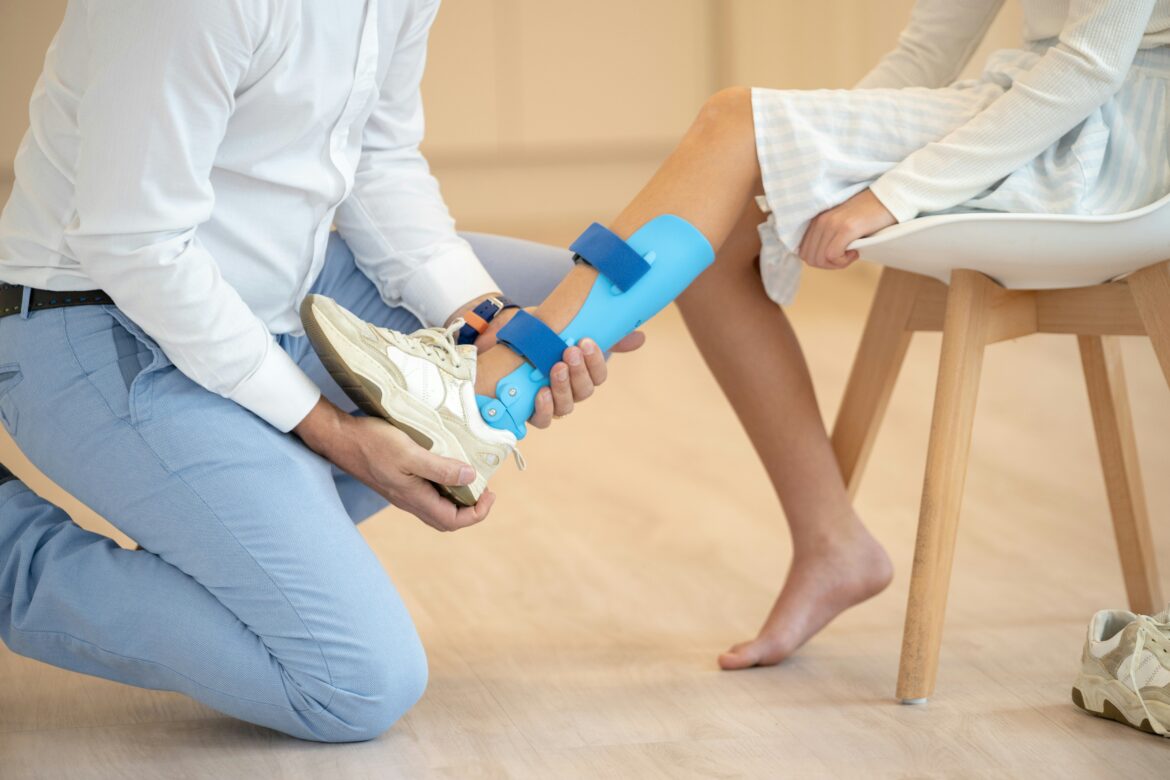
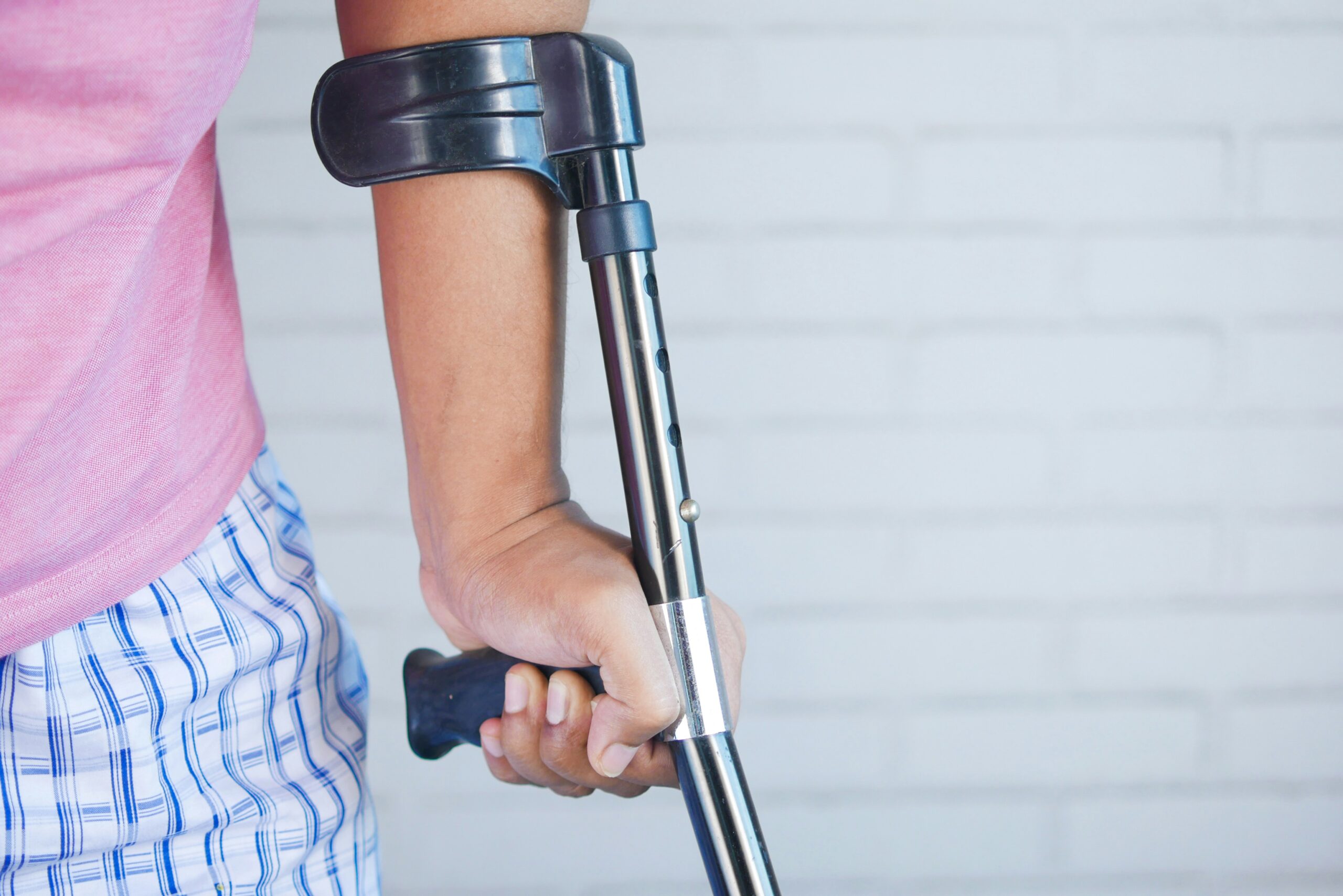
Recovery is where the real healing happens. When dealing with sports injury, post-surgery stiffness, or chronic joint pain, what you do after the damage matters just as much as any treatment you receive. And yet, some people, and even practitioners, fall into the same trap that quietly slows the whole process.
These mistakes most commonly happen in therapy rooms, rehab clinics, and at-home recovery routines. The good news is that once you know what they are and why they matter, they are easy to fix.
Why Recovery Goes Wrong in the First Place
Most people expect recovery to be straightforward. You get hurt, you heal. But your body doesn’t work that way. The recovery timeline is not that simple, and the decisions impact the recovery too. The mistakes listed here are not the obvious ones. They are easy to make because they feel logical.
Here is where things tend to go wrong:
1. Fighting inflammation
Inflammation has a sour taste to it, right? Most people think it is related to pain and swelling and want it gone as fast as possible. It makes sense to them, but it leads to one of the most common recovery mistakes: suppressing inflammation too aggressively, too early.
Here’s what happens: when a muscle or joint is injured, your body sends a wave of healing signals to the target area. Immune cells get to work and clean up the damaged tissue. Other cells start building new tissue. This process requires inflammation to trigger. If you take heavy anti-inflammatory doses within 48 hours or prolong icing, you delay the repair process.
Regular use of ibuprofen after muscle injury can actually slow muscle fiber repair. But it doesn’t mean you need to suffer through the pain. A bit of ice or an occasional painkiller is fine to use to manage the discomfort. But using them constantly is not helping you.
2. Resting too long
Rest seems obvious after an injury. Your tissue is damaged. So you need to protect it. Here’s when things become tricky. Staying completely still for days and weeks will slow down recovery. Your muscle breaks down within three days of no use. Fibers that are meant to give you strength are the first ones to go. Tendons and ligaments also weaken. This happens because the new tissue needs physical stress to organize itself properly. Without it, the collagen fibers lay down in a week.
Joints have their own problem with prolonged rest. Cartilage inside the joint does not have its own blood supply. It gets nutrients from the fluid inside the joint. And that fluid only moves when the joint moves. So, keeping your joint still for too long can cause the cartilage to suffer.
3. Skipping follow-up appointments
The tissue has not completely healed, even if the pain goes away. This is a common misconception after an injury. You need to understand that after a major muscle or joint injury, the tissue goes through several phases of repair.
The early phase clears damage and lays down temporary collagen. The later phase organizes and strengthens that collagen into functional tissue. Now this phase can take even six months to a year to complete. During that entire time, the area may feel fine, but it’s not strong enough yet.
Returning to full activity is based on how something feels rather than how it actually healed. This is why follow-up assessments, including movement testing, strength checks, and hands-on evaluation, matter.
Healthcare providers often stress the importance of attending follow-up appointments, and many clinics use a virtual assistant for healthcare to help patients stay on track with their treatment plans. So reassessments do not get skipped when you get back to the routine.
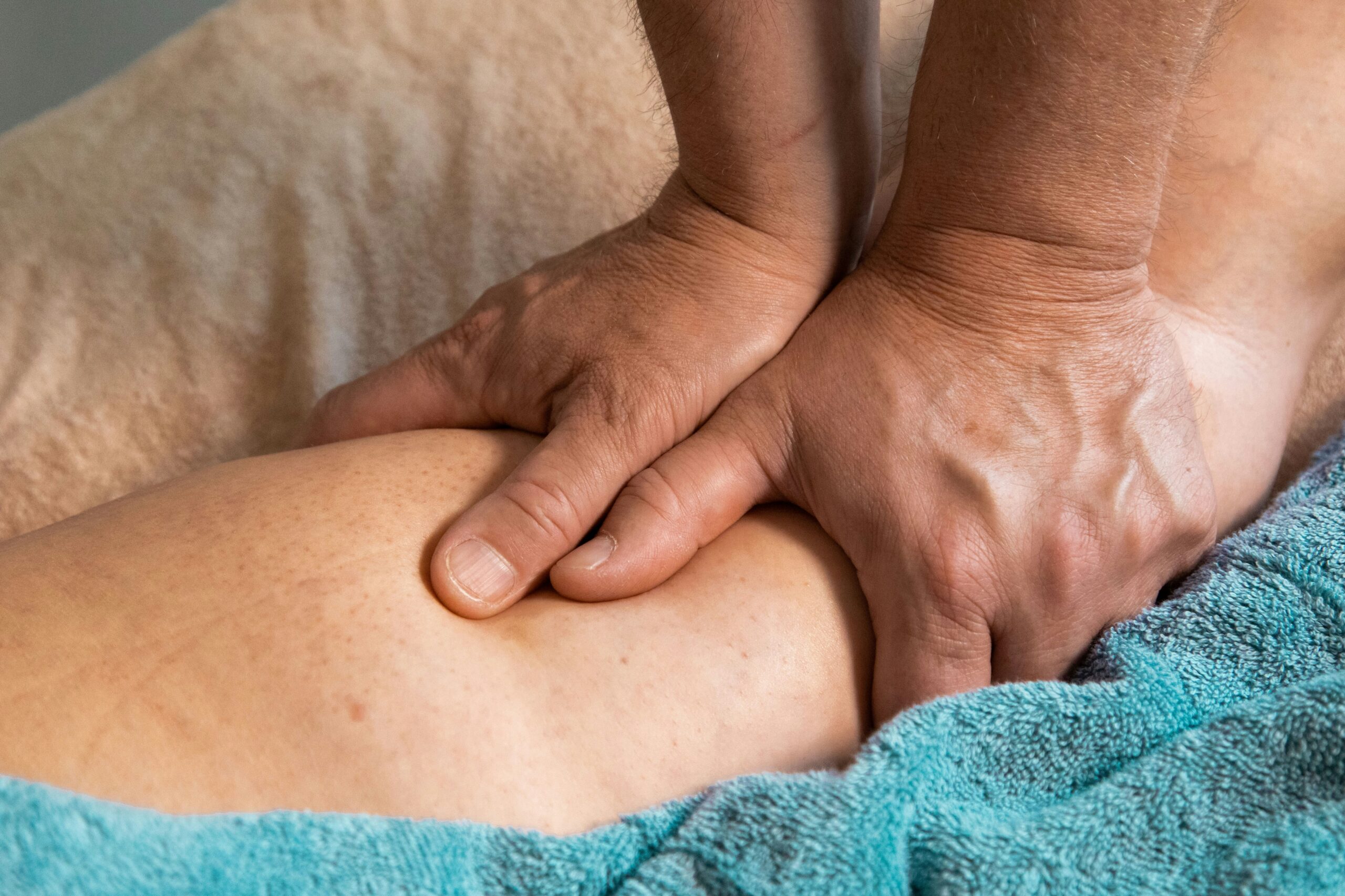
For manual therapists, tracking changes in the tissue quality through palpation over time gives real information about the healing.
4. Underestimating sleep
Sleep is a power charge you need for an effective recovery that most people tend to underestimate. Tissue repairs most damage while you are fast asleep. Growth hormone is released in large amounts during deep sleep stages.
If sleep is cut short or disrupted, those hormone levels drop. It also affects pain levels. When the nervous system does not rest enough, pain signals also intensify.
Seven to nine hours is recommended for anyone recovering from a musculoskeletal injury. So if you wonder why sleep is slow, your sleep quality matters the most.
5. Not having enough protein
Muscle repairs run on protein. Damaged tissue needs amino acids. These are building blocks found in the protein. Most people do not eat nearly enough during the recovery phase.
For someone recovering from injury or doing training, an estimated 1.6 to 2.2 grams of protein is needed.
For tendon and ligament injuries specifically, collagen is the key structural protein involved in healing. Taking collagen peptides with a small amount of vitamin C about an hour before rehab sessions has shown promising results for tendon repair.
6. Coming back too fast, too soon
It’s normal to feel the urge to return to normal activity asap. However, it is also one of the most common ways to get re-injured.
Here is the issue. Fitness comes back faster than tissue strength. Someone may feel they are capable of jogging and lifting weights, while the tendons, ligaments, and connective tissue in the area are still remodeling. While your body may feel ready, the tissue is not.
At this point, tendons are pretty vulnerable. They adapt more slowly than muscle. So if someone is recovering from a hamstring injury they can rebuild their muscle strength fairly quickly. But the tendon where the hamstring attaches to the bone needs more time.
Take a safer approach. Use measurable benchmarks rather than going back to the normal routine right away. Instead of pushing yourself harder, focus on equal strengths in both legs, clean movement patterns, and a full pain-free range of motion. These are good signals to show how much healing is required.
7. Ignoring the nervous system
Recovery has as much effect on your nervous system as much it does on your body. Overlooking the nervous system is a mistake that most people make during the healing process. When pain lasts longer than expected after the injury, the nervous system is part of the problem.
You can continue to feel the pain after the original tissue damage has resolved. When pain is stuck in a heightened state, it continues sending pain signals from the original tissue. This is called central sensitization. It does not respond to the same approach as tissue healing.
Manual therapy, graded exposure to movement, and education about how pain works are some effective tools.
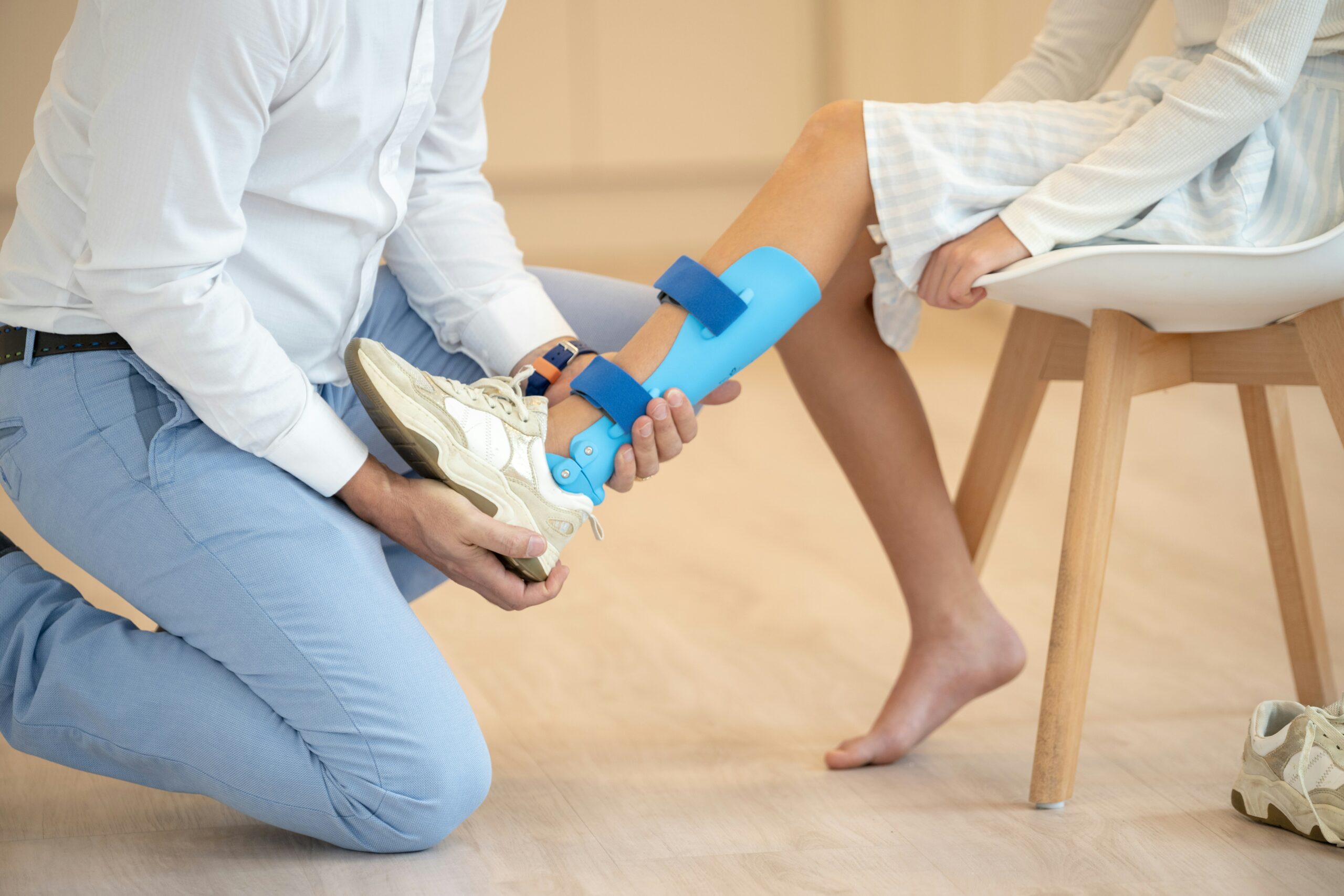
Balance and coordination take a hit after joint injuries, especially at the ankle and knee. Rehab that specifically targets balance and neuromuscular control is not optional for a complete recovery.
Final Thoughts
Every one of these mistakes has the same thing in common: they treat recovery as something that just happens on its own. Whether you are a therapist guiding someone through rehab or someone working through an injury yourself, knowing what slows healing down gives you real power to speed it up. Your body is remarkable and capable of repairing itself. All it needs is the right conditions for it to do well.
Written by Dean Ambrose