

A historic athletic club can support health in a more holistic way than a typical fitness room. Training matters, but so do recovery, nutrition, social contact, and dependable routines. These factors influence stress hormones, sleep quality, heart function, and long-term adherence. When a club combines movement, meals, events, family programming, and tradition, it gives members more than access. It gives daily structure with personal meaning.

A Club With a Legacy
In St. Louis, the Missouri Athletic Club shows how an athletic institution can connect exercise with hospitality, civic identity, and shared history. Founded in 1903, it carries generations of member experiences. Its clubhouses bring together training, dining, meetings, celebrations, and family activities, making wellness feel continuous rather than limited to a workout appointment.
Consistency Builds Fitness Context
Exercise works best when people can repeat it without friction. Strength training supports bone density and glucose control, while swimming and court sports improve cardiorespiratory capacity. A familiar setting can reduce decision fatigue. Members see regular staff, known schedules, and steady spaces. That consistency helps turn movement into a durable habit, which matters more than occasional intensity.
Sporting Events Build Meaningful Bonds
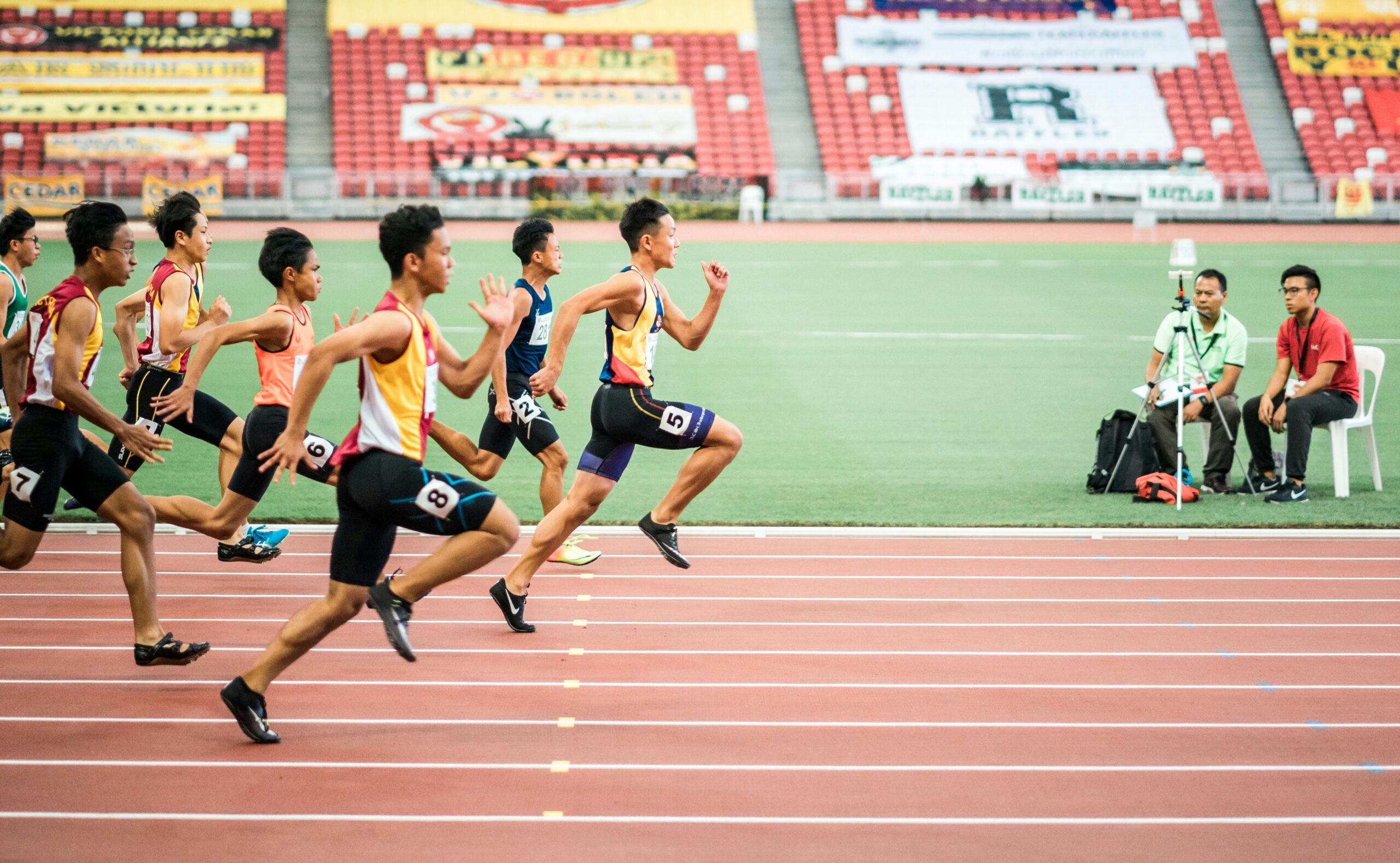
Shared sport can improve adherence because effort becomes social. Basketball, racquet play, aquatics, golf connections, and junior instruction give members different entry points. Competition adds challenge, while coaching protects technique and confidence. Families benefit as well. Adults and children can pursue separate activities in one trusted environment, then reconnect afterward without extra travel or planning.
Formal Dinners Help Networking
Food service changes the club’s role. After exercise, a meal can support recovery through protein, fluid replacement, and steady energy. Dining rooms also give members a reason to pause, talk, and maintain relationships. Business lunches, family dinners, and seasonal gatherings all serve different needs. A fitness visit can become part of a fuller day.
Spaces for Celebrating Milestones
Celebrations require more than square footage. Weddings, meetings, awards, and private dinners depend on timing, service, lighting, acoustics, and calm coordination. Historic rooms add texture through architecture and memory. Guests often feel that sense of continuity before anyone says a word. For major life events, those details help create a sense of comfort, dignity, and a lasting connection to place.
Family Programs Matter
A strong club recognizes that health changes across life stages. Youth sports, camps, childcare, swimming, and family activities help households build shared routines. Parents can combine training, meals, and children’s schedules in fewer stops. Young members gain practice with teamwork, respectful conduct, and structured play. Those early patterns can shape confidence and body awareness for years.
A Shared Calendar
Annual events give members common markers. Holiday meals, speaker programs, awards, and seasonal traditions create rhythm. These gatherings help people feel attached to an active institution, rather than a facility filled with equipment.
Civic Pride Counts
Athletic clubs often reflect the character of their city. In a place with deep sports, business, and service traditions, a long-standing club can become a civic meeting point. Awards, charitable work, cultural programs, and member publications keep local stories visible. That role matters because health also depends on belonging, purpose, and steady social contact.
Hospitality Changes Everything
Service has a measurable effect on behavior. People return to spaces where they feel recognized, respected, and at ease. Clean locker rooms, careful reservations, attentive dining, and organized events reduce stress before it starts. Predictability lowers barriers for busy families and professionals. A well-run club lets members focus on movement, recovery, conversation, and rest.
Clear standards protect the experience for everyone. Policies, dress expectations, privacy practices, and service norms create a predictable setting. Members know what to expect, which supports comfort, safety, and mutual respect.

Services are Not Limited to Gym Equipment
A gym is often judged by machines, class times, and floor space. A historic athletic club includes those elements, yet its greater value lies in integration. Members can train, eat, gather, host, volunteer, learn, and celebrate through one membership. That breadth explains why these institutions remain relevant even as fitness options continue to grow.
Conclusion
A historic athletic club lasts because it supports both practical health and human connection. Fitness brings members inside, but service, tradition, dining, family programs, and civic purpose keep them involved. The strongest clubs become part of our weekly patterns and personal histories. They give people a place to move well, recover wisely, mark important moments, and feel grounded in a community with lasting character.
Written by Daisy Smith

