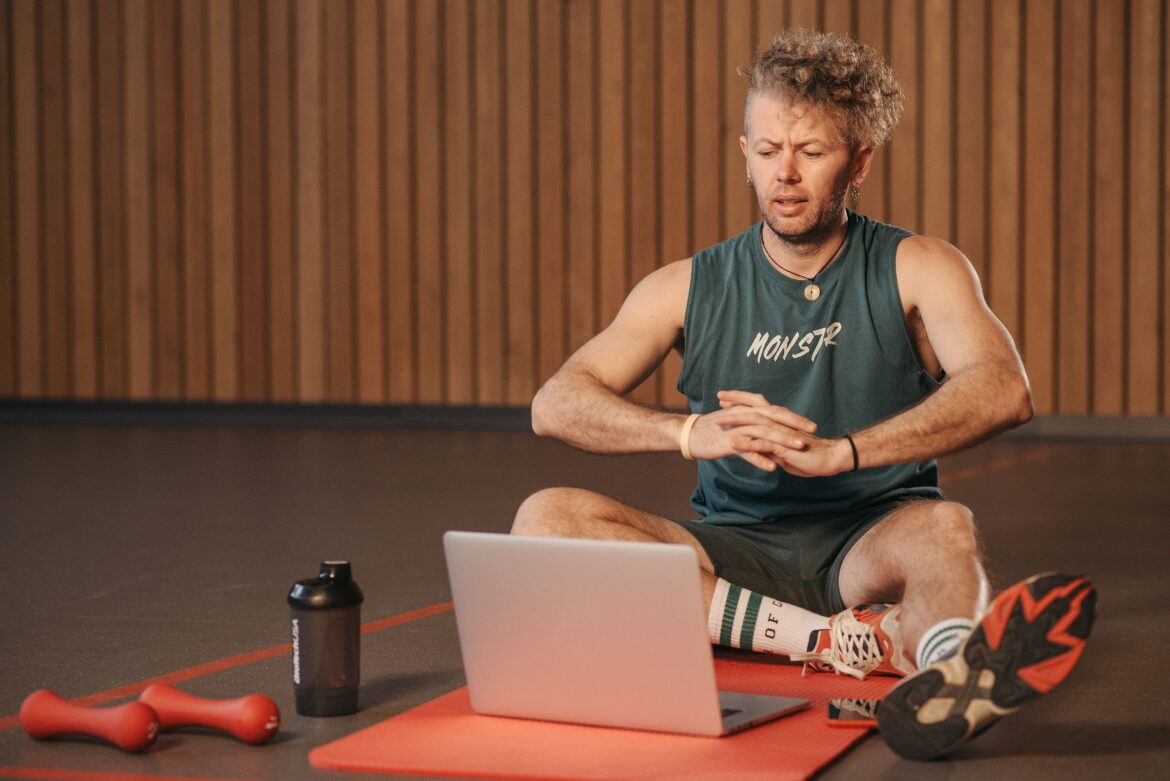
A successful online personal training business runs on structure, not spreadsheets. Most coaches follow the same remote coaching workflow – initial assessment, custom program design, asynchronous delivery and video check-ins – and rely on specialized coaching software to automate the admin so they can scale without losing the human touch.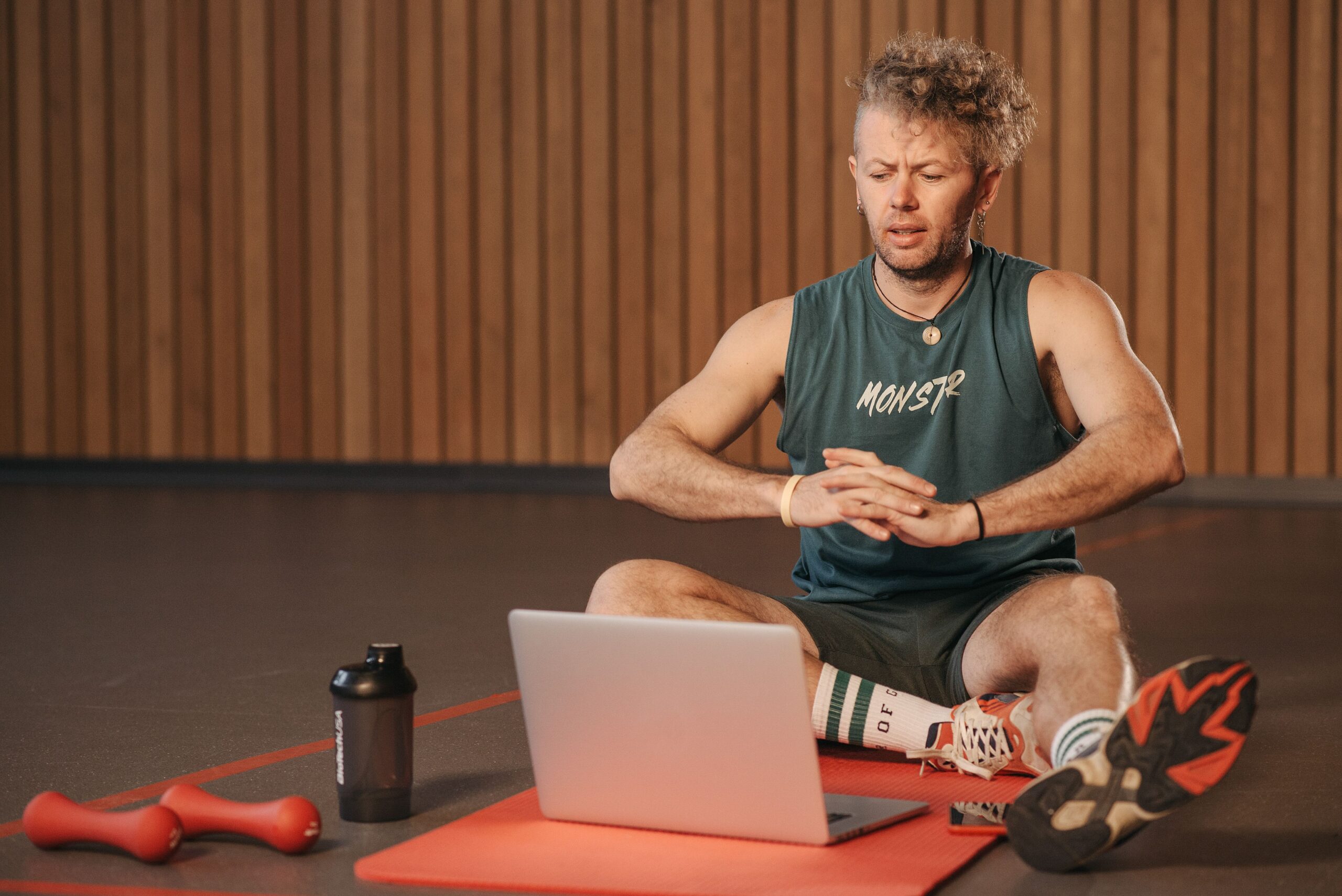
Fitness has moved well beyond the gym floor. As a modern coach, you can run a borderless practice and deliver top-tier results for clients you may never meet in person, but only if the system behind it is engineered end to end. Emailing a basic spreadsheet does not scale; a real client programming operation needs a repeatable framework from day one.
Managing over 100 remote clients requires a structural framework, because without one the admin quickly becomes unmanageable. Many trainers start out stitching the work together across spreadsheets, a messaging app, a separate payment tool and a video folder, then hit a ceiling where updates get missed and the tools do not talk to each other. The more scalable approach is to run the entire client lifecycle from a single piece of coaching software. The Coachway coaching platform is one example: a European platform launched in December 2025 with per-client pricing that keeps workouts, nutrition, check-ins, chat and payments in one place, so programming, delivery and admin share the same interface.
Phase 1: Automated Intake and Strategic Onboarding
Your personal trainer workflow begins long before the client lifts a weight. Effective remote coaching starts with a deep understanding of each client’s anatomy, baseline data, medical history and true physical starting point.
Lead Capture and Screening
You embed screening forms directly into your platform to act as a first filter, flagging:
- Injuries
- Training history
- Lifestyle constraints
You want this information before you formally accept anyone.
The Welcome Automation
Once a client signs, the software triggers an onboarding sequence automatically:
- Delivers a welcome video
- Set up your account credentials
- Provides you with an introductory guide
A good sequence answers the basic questions before they land in your inbox.
Movement and Mobility Assessment
In place of a live assessment, you ask the client to upload a short video of key movement patterns, usually:
- Deep squats
- Hinges
- Overhead presses
These baseline recordings let you assess mobility limitations and structural imbalances remotely, before you prescribe a single exercise.
By the end of intake, you should have a clear picture of what the client’s online personal training program needs to deliver and where the limits are.

Phase 2: Macro to Micro Client Programming
With the assessment in, you move from data to long-term planning, condensing big-picture goals into daily training tasks. Most online personal training coaches structure their client programming across three layers:
- Macro-level periodization: you map multi-month phases around a specific adaptation, such as base hypertrophy, maximal strength or metabolic conditioning.
- Meso-cycle blocks: you break the long-term plan into structured weekly blocks that spell out training frequency, recovery periods and daily priorities, so the client is never guessing.
- Micro-weekly flow: every exercise entry carries precise variables – target sets, rep ranges, tempo and Rate of Perceived Exertion (RPE) – so you can manage fatigue week to week.
To protect movement quality at a distance, most coaches embed high-definition video demonstrations directly in the client’s training view.
Phase 3: Biometric Synchronization and Live Tracking
Remote coaching cannot run on a set-and-forget model; it needs consistent, objective data to justify programming changes. Most online personal training setups pull that data from three places:
- Metric logging: the client logs performance data straight into a mobile dashboard as they train.
- Wearables: devices like Apple Watch, Fitbit and Garmin feed you daily readings on resting heart rate, sleep quality and active energy.
- Integrated nutrition: training and nutrition data live in one place, so you coach both from a single view.
Together these signals let you adjust the program precisely and fit it to the client’s real life.
Over time that running record also shows you which adjustments actually move the needle, so every block you write is better informed than the last.
Phase 4: The Communication and Accountability Loop
Accountability is one of the biggest advantages you offer as a remote coach. Regular weekly check-ins keep clients committed to long-term goals. Most coaches build accountability in through:
Many online personal training coaches incorporate accountability into their programs through:
- Weekly check-ins
- Structured progress reviews
- Asynchronous video reviews
These touchpoints keep clients motivated and give them a moment to see and appreciate their own progress.

Remote Fitness For Busy Professionals
Not everyone has time for a gym, but that should not lock them out of elite coaching. A personal trainer workflow that fits a client’s schedule is often what finally moves the goals they have been putting off for years. With the right coaching software behind you, you can deliver a genuine personal training experience to a client sitting at home.
Written by Manuel Paradela