

People often think muscle recovery begins after a workout ends. However, recovery is a continuous process that depends on movement, nutrition, sleep, stress management, and daily habits.
For professionals who study the human body, understanding recovery means looking beyond isolated muscles. The body works as a connected system where physical and mental wellness influence performance.
A balanced recovery routine can support better movement patterns and healthier habits. Learning more about the body’s needs can help people make informed choices about their overall wellness.
Understanding Muscle Recovery
Muscle recovery involves several biological processes that help the body adapt after physical activity. Exercise creates stress on muscles, and the recovery period allows tissues to repair and become stronger.
The body requires proper resources to complete these processes. Adequate hydration, quality nutrition, and sufficient rest all contribute to effective recovery.
Movement professionals often focus on how muscles, joints, and connective tissues interact. A deeper understanding of these relationships can help explain why recovery strategies vary between individuals.
Many recovery methods are designed to support comfort, relaxation, and mobility. These approaches often work best when combined with consistent movement and healthy lifestyle practices.
Those interested in exploring how the body functions as a whole can learn more about muscle anatomy and how different structures contribute to movement.
The Importance of Recovery Beyond Exercise
Recovery is not only important for athletes. Everyday activities can place stress on the body, including sitting for long periods, repetitive movements, and physically demanding work.
When recovery habits are overlooked, people may experience stiffness, reduced mobility, or difficulty maintaining consistent activity levels.
A strong recovery plan does not need to be complicated. Simple actions like stretching, walking, practicing mobility exercises, and improving sleep habits can make a meaningful difference.
Many people also explore natural wellness options as part of their personal routines. These choices often focus on relaxation, convenience, and supporting a balanced lifestyle.
Wellness products have become more common as people search for practical ways to complement traditional recovery habits. This has increased interest in different formats designed for easy use, including why kratom gummies are so popular among some wellness-focused communities.
How Stress Affects Muscle Health
Stress on the body is another factor that can affect how our body feels and how we move. There is also physical tension in the muscles due to mental stress. This can affect our posture and movement.
The body’s nervous system manages the muscles in the body and makes them relax and contract. When we are experiencing prolonged stress the muscles in our body can be in a constant state of contraction.
Relaxation practices support body awareness. These can be practiced in a variety of ways (e.g. by breathing, meditation or slow movements).
For the movement professional, understanding the ways in which stress affects the muscles of clients will enable them to have a greater depth of knowledge of the physical factors as well as the lifestyle factors which affect their clients.
Recovery is more than fixing problems in the body as they occur, it is creating long-term habits of body awareness that promote overall health.

Building a Balanced Wellness Routine
A well balanced wellness routine has several components to gain the optimal benefits of wellness. As mentioned above there are several habits of wellness that one should incorporate into their daily life to increase overall health and to assist in recovery of muscles. These would include physical activity, proper nutrition, and plenty of rest for recovery of the body.
When it comes to your goals for your daily wellness routine, it is also important to set realistic goals for yourself. Rather than setting yourself up for failure by trying to make drastic changes to your current routine, set yourself up for success by trying to make small improvements to your daily routine.
Incorporating mobility and strength training to your physical activity will allow your muscles to perform at their best. After physical activity, allow your muscles time to recover.
Nutrition is an important part of recovery. The body needs a variety of nutrients to maintain and repair tissues and to have enough energy to function optimally.
An important factor to consider when creating a plan for how your body feels is that your body needs to be properly hydrated in order to function optimally. While there is a common belief that one needs to consume 8 glasses of water per day in order to be ‘healthy’, this is not always the case and is certainly not the only way to stay hydrated.
While at rest the body repairs itself and regenerates tissues and also regulates bodily processes.
The Role of Recovery Tools
Many different modern recovery strategies and techniques have been created to help the body and mind recover from the stresses of activity to ensure optimal function for future physical activity and for general wellness for daily life activities. Some are used to enhance physical performance of movement and exercise while others are designed to help reduce stress and aid relaxation.
Using tools such as massage, mobility tools (e.g. balls, rollers, etc.) static stretches and therapeutic exercises in order to improve how your body functions and how it feels. Note that all of these recovery tools should be used in order to supplement your practice of healthy habits of physical activity as well as rest.
These recovery tools are used by healthy individuals in addition to their normal habits of movement. Just as a good foam roller or other product is not a substitute for quality movement and good amounts of sleep and relaxation, other recovery strategies are meant to be used in conjunction with the normal habits of healthy individuals.
The approach that is best for you is going to be different than that of someone else, and with the help of a movement professional, you can develop a recovery strategy that best suits your circumstances.
A movement professional would be able to work with a client to identify their individual needs. They would then be able to inform and suggest recovery techniques to the client that would be most beneficial for them.
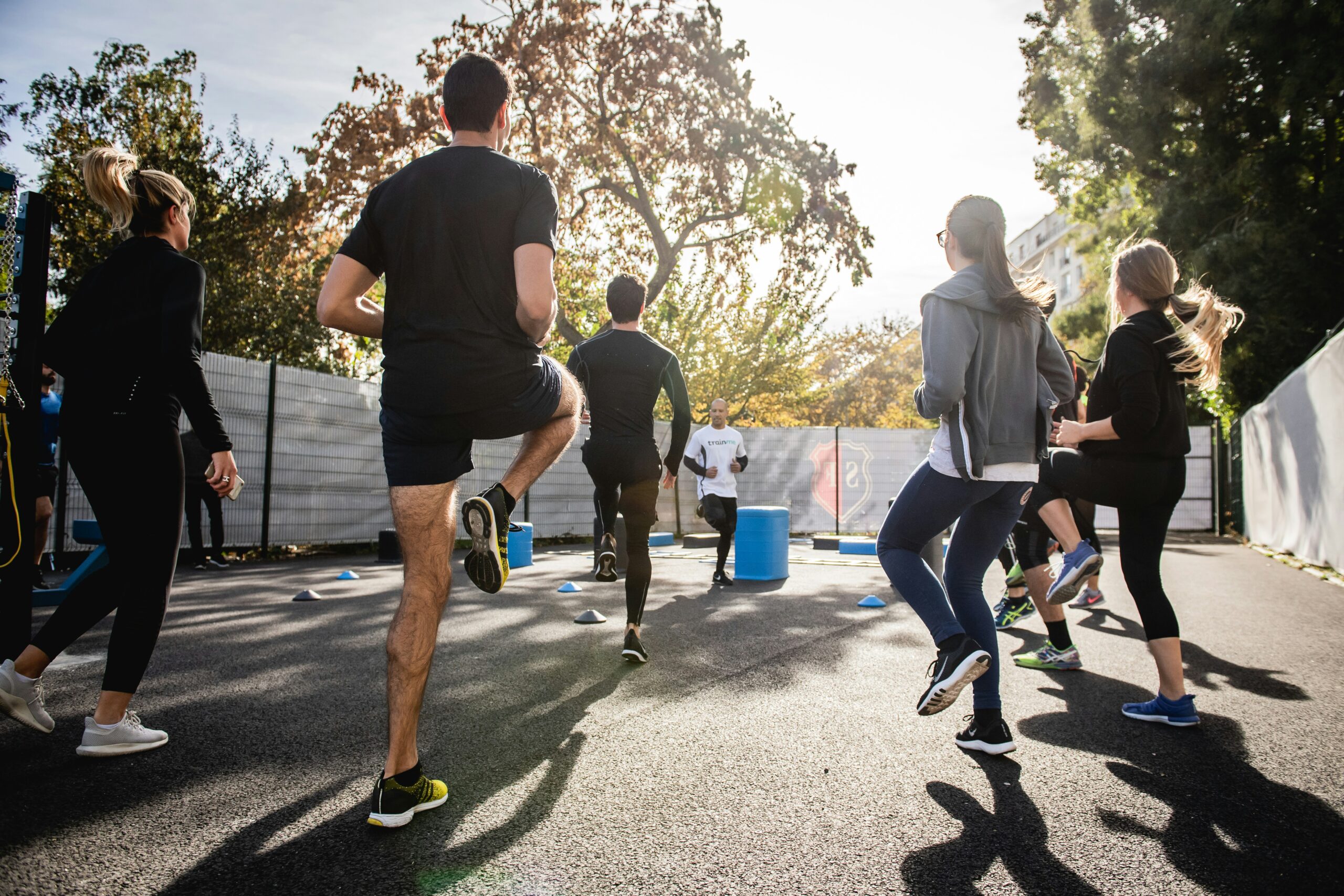
Creating Long-Term Healthy Habits
Long-term health and wellness are habits to be practiced in the long term. So developing a recovery routine that you can make into a long-term healthy habit is key.
Yes, there are usually negative effects in the short term and positive effects in the long term with any recovery routine.
For example, one can create simple and sustainable healthy habits for recovery and better movement such as engaging regularly in physical activities, healthy eating of balanced nutrition, getting quality sleep and managing stress on a daily basis.
It is also important to pay attention to how your body is responding to your habits. It is normal to experience some form of pain or fatigue at times but it is not normal to experience chronic pain or excessive fatigue. Similarly, it is normal to experience some loss of mobility as we age but it is not normal to experience excessive loss of mobility.
Listen to your body. The body will tell you what it can and cannot do. The body will also tell you if it is getting better or getting worse. If you have not been active for a while and then decide to go for a run one day, your body will most likely say “ouch” the next day. Instead of ceasing all physical activity altogether, however, you could modify your routine to allow your body to heal as needed.
Supporting Better Movement Through Awareness
When looking at the continued learning of our bodies it is a long ongoing process. As we look at the groupings of the muscles and how they are used in combination to complete daily tasks it is also important to realize that the recovery of our muscles also depends on the other muscles.
We always find out more about our body and the way it works when we learn about the anatomy of our muscles and how we move in general and what kind of wellness strategies we can use in order to get the best out of our recovery strategies.
Knowing about your body and recovery in general is of value to everyone with a body. Whether you are an athlete, fitness enthusiast, suffer from chronic illness or pain or are simply trying to function better in your daily activities – as a human body, the principles of recovery are similar.
The goal is not the optimal state of physical health and perfect functioning of all bodily systems. As a start education about recovery in combination with simple habits of practice supporting better movement will help individuals to establish sustainable and healthy habits for supporting their physical health and helping them to feel better in their bodies.
Our bodies are so complex and learning about our own body in all of its glory and limitations is an ongoing process. When creating habits of health it is so important to have knowledge of the major muscle groups and systems of the body. This is especially true for anyone who is currently physically active (recreationally or athletically) or even works with physically active people (athletes, fitness clients, patients, etc.).
Research continues to expand our understanding of physical activity, recovery, and health. For those looking to explore evidence-based information about movement and wellness, resources from health science organizations can provide additional guidance.

