Want to know why so many people relapse after traditional rehab?
The solution often isn’t about willpower. It’s about the body. Trauma, stress, and cravings reside in the nervous system. And talk therapy can only penetrate so far. That’s why more clinical programs are combining somatic therapy with structured recovery.
Here’s the thing:
When body-based healing is integrated with evidence-based clinical care, results are better. Clients remain longer, participate more fully, and develop deeper resources for sustained recovery.
Let’s take a closer look at how it all fits together…
Here’s what’s inside:
- What Somatic Therapy Actually Is
- Why It Matters In A Residential Treatment Setting
- How Clinical Programs Blend The Two
- The Benefits Of An Integrated Approach
What Is Somatic Therapy?
Somatic therapy is a body-focused approach to healing trauma.
Rather than processing traumatic memories with talk therapy, clients practice becoming aware of what is happening in their body. Tight chest? Clenched jaw? Rapid, shallow breathing? These are cues that your nervous system is in fight-or-flight response.
Somatic therapists use gentle techniques like:
- Breathwork
- Grounding exercises
- Body scans
- Slow movement
- Mindful awareness
The objective is straightforward. Release the bodies stored stress response allowing the mind to rest. This is significant for anyone in recovery as the majority of adults have experienced at least one trauma in their lifetime and unresolved trauma is one of the leading causes of substance use.
Pretty powerful, right?
Why Somatic Work Matters In Residential Treatment
There are few places better to recover than residential treatment. Clients get to live on campus, have 24/7 support and avoid everyday triggers. However, recovery can still be difficult when living in a safe environment if your body feels unsafe.
That is where somatic therapy comes in.
Partnering with experienced drug rehab providers who understand clinical care as well as body based therapy offers clients the best of both worlds. They receive medical safety net of residential treatment as well as the deeper work that prevents individuals from falling back into chronic cycles.
Here’s why this pairing works so well:
Trauma lives in your body. Talk therapy alone can’t excavate it completely. Somatic work reaches the trauma where it resides.
Cravings are physical. Body sensations just want to be listened to non-reactively. Learning is a skill that decreases relapse likelihood. Ride the wave when you know your body can let every craving pass.
Teachable. Clients learn how to self-regulate their nervous system. This allows long term confidence when their day comes and they graduate from the program.
Numbers don’t lie. 74.3% of adults who ever had an alcohol or drug problem described themselves as being in recovery or recovered in 2024. That is a massive population of people, and integrated care is partly why those statistics continue to rise.
How Clinical Programs Blend The Two
So how does this actually look in a real recovery setting?
One of the beauties of somatic work is that most RT programs already offer therapies. Somatic approaches integrate easily with existing therapies without undermining the clinical approach. A sample day might go like this…
Morning: Grounding And Regulation
The day often starts with somatic practice. This might be:
- Gentle stretching
- Guided breathwork
- A short body scan meditation
It allows clients to ground/settle the nervous system prior to more challenging work of the day. Calibrates the day.
Midday: Clinical Therapy
That’s where the classics come into play. Cognitive Behavioural Therapy, group counseling, and individual sessions with a licensed professional. Clients unpack the thinking and behaviours that are feeding their addiction.
The counseling hour is where many of the “whys” are explored. Why do certain memories continue to hurt? Why does one drink turn into ten? These discussions are still important.
Afternoon: Somatic Experiencing
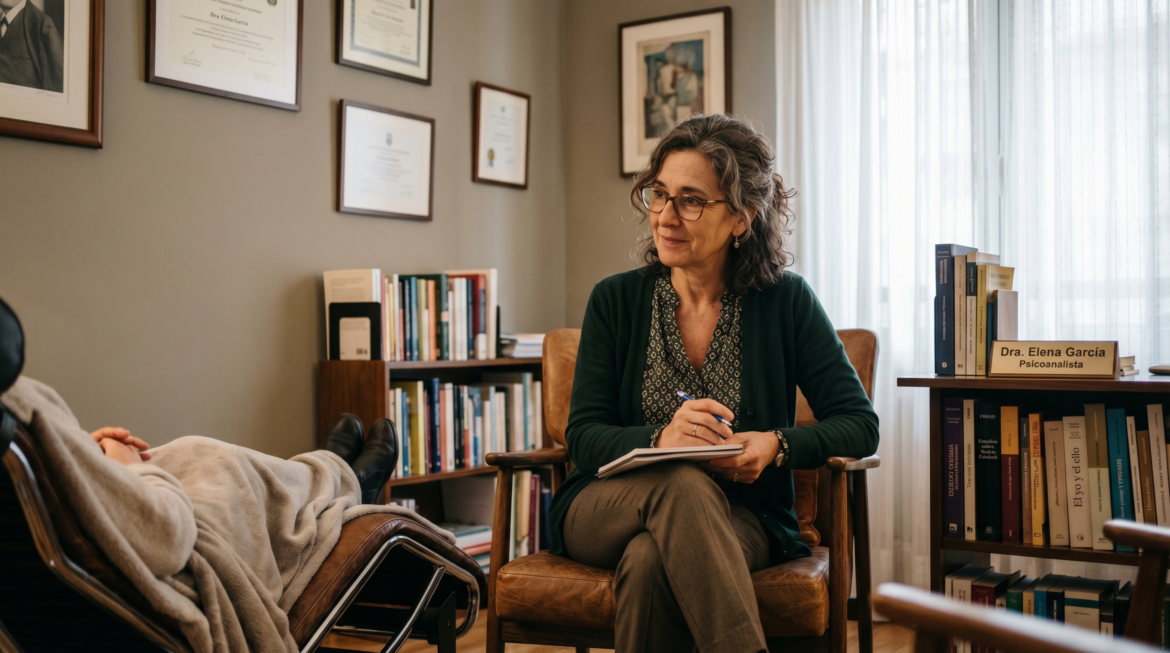
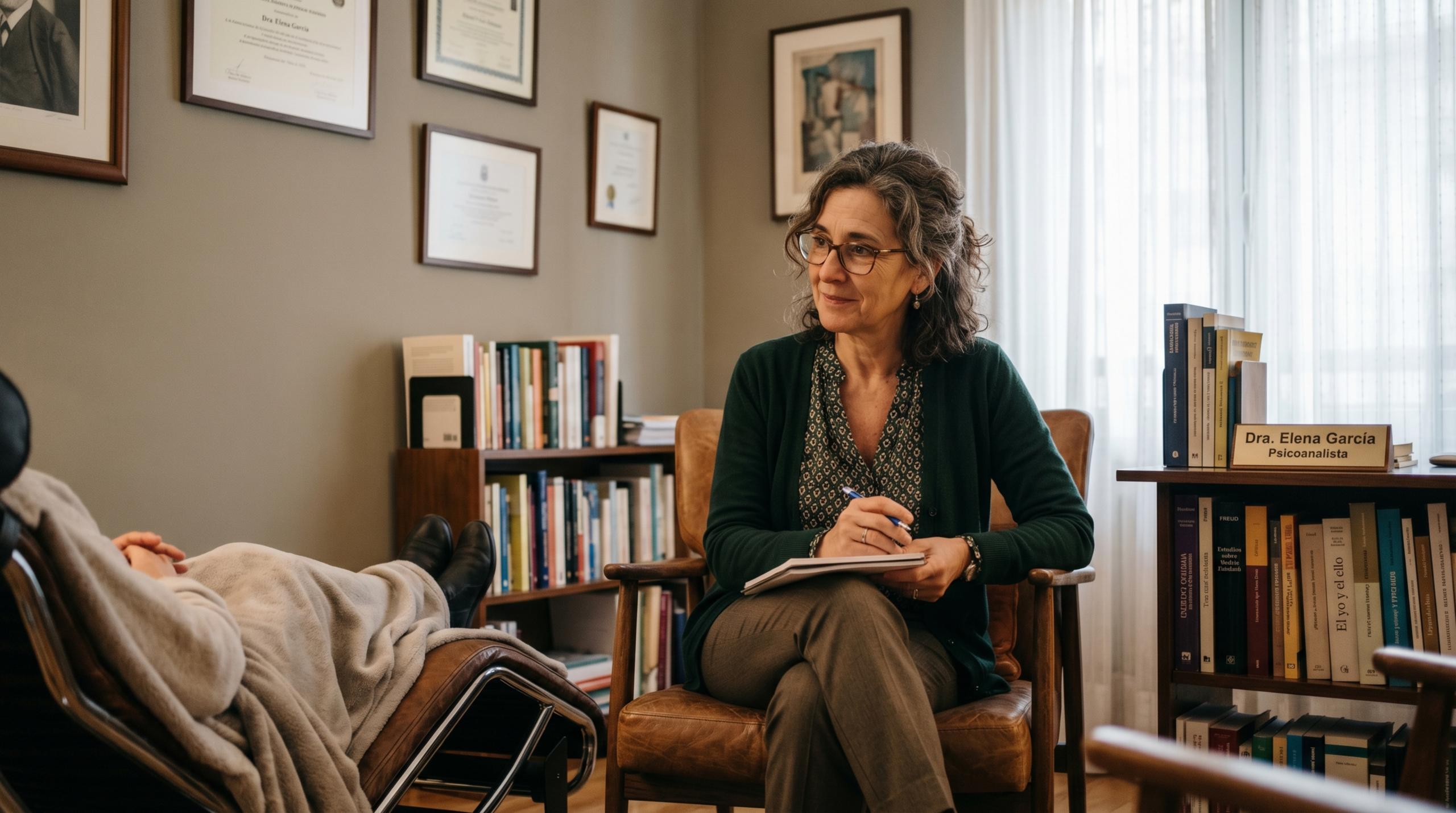
Clients usually see a somatic therapist later in the day. This is where the heavy lifting occurs. Therapists guide clients to feel sensations in the body related to painful memories and discharge the charge.
Another study revealed that 67% saw immediate benefits (full or partial recovery) after a session of somatic experiencing. The majority of those saw lasting benefits after one year.
That’s a huge win.
Evening: Community And Peer Support
Group work normally concludes our day. Attending peer meetings or 12-step meetings or connecting in group reflection. This article helps clients feel linked up and not alone in their recovery.

The Benefits Of An Integrated Approach
Integrating somatic therapy into clinical residential treatment can provide benefits to clients that they cannot receive from just one or the other.
Here are the biggest ones…
Deeper Trauma Healing
Talk therapy can allow clients to conceptualize trauma. Somatic work allows clients to physically release trauma. Bringing both together allows healing to be deeper and more permanent.
Better Emotional Regulation
Part of somatic therapy is teaching clients how to notice stress before it overwhelms them. Clients find this particularly helpful during recovery when everything feels so sensitive.
Lower Relapse Risk
Safety starves cravings. Clients who discover how to settle their nervous system will be much more equipped to deal with triggers post residential treatment.
Stronger Treatment Engagement
Work on the body often feels less scary than talk therapy by itself. Clients who may have shut down in a traditional session open up when they get to start with breath and movement, rather than words.
Whole-Person Recovery
The highest level of recovery isn’t simply cessation of substance use. It’s creating a life you want to stay awake for. Recovery with somatic care weaves mindfulness of self into your life in a way traditional clinical care doesn’t allow.
Making The Right Choice
Not every program does this well.
Others add a yoga class to their day and say they’re doing somatic therapy. That’s not the same thing. There is a difference between a stretching class and focused work on the nervous system with a trained therapist.
Look for programs that offer:
- Licensed somatic experiencing practitioners
- Clinical clinicians on staff
- A blended treatment plan (not two separate tracks)
- Trauma-informed care across every level
- A clear aftercare plan
Ask questions when you are intake-ing. Any worthwhile program will gladly describe how their somatic work integrates into the larger clinical picture. If they can’t explain it plainly, consider that a red flag.

The Big Takeaway
Treatment at home works better when the body is included in your recovery plan. Somatic therapy addresses what clinical care often misses by meeting you in your nervous system. It’s not meant to replace clinical work. It’s there to complement it.
To quickly recap:
- Trauma and addiction are deeply connected
- The body holds what the mind cannot process alone
- Residential treatment gives structure and safety
- Somatic therapy adds regulation and release
- Together they build a stronger, longer-lasting recovery
Hope and recovery are possible. But it’s most effective when you include your mind and body.
Written by Lisa Moletto