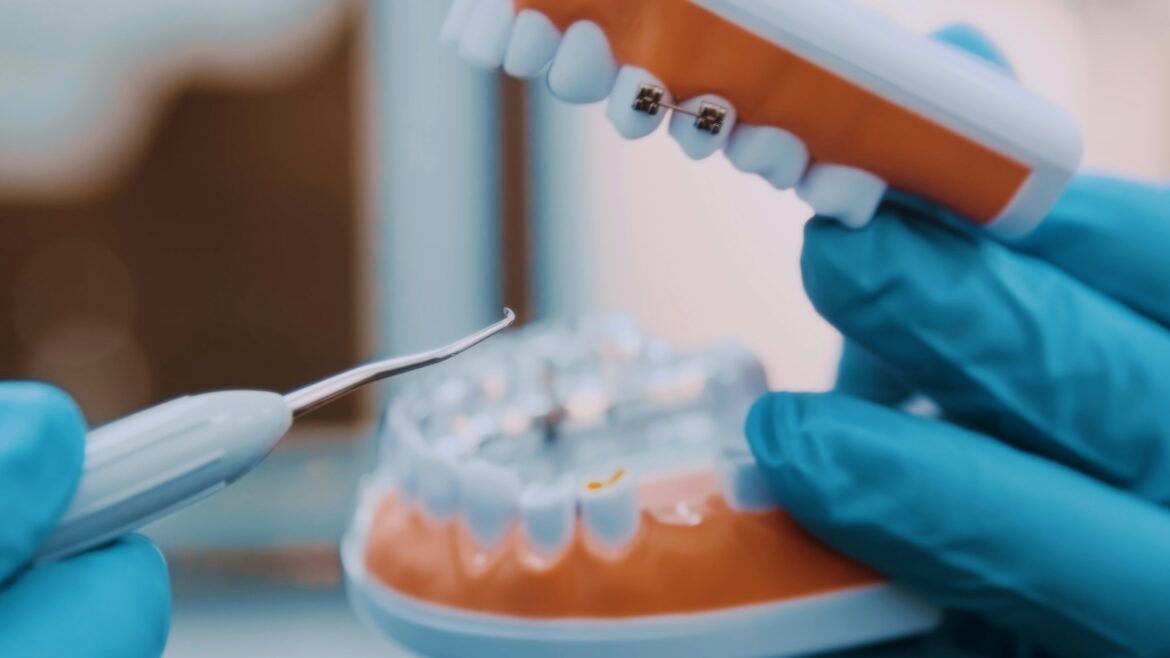
Comprehensive oral healthcare requires more than treating tooth decay; it requires assessing how oral structures interact with the head, neck and masticatory muscles. For eligible patients, finding a dedicated dental clinic accepting cdcp coverage provides an avenue to receive routine preventive care, restorative treatments, and necessary diagnostic evaluations without financial strain. By choosing a participating provider like Skymark Smile Centre, patients can be sure their care will be well organized, with the goal of maintaining their dental integrity and overall craniofacial health.
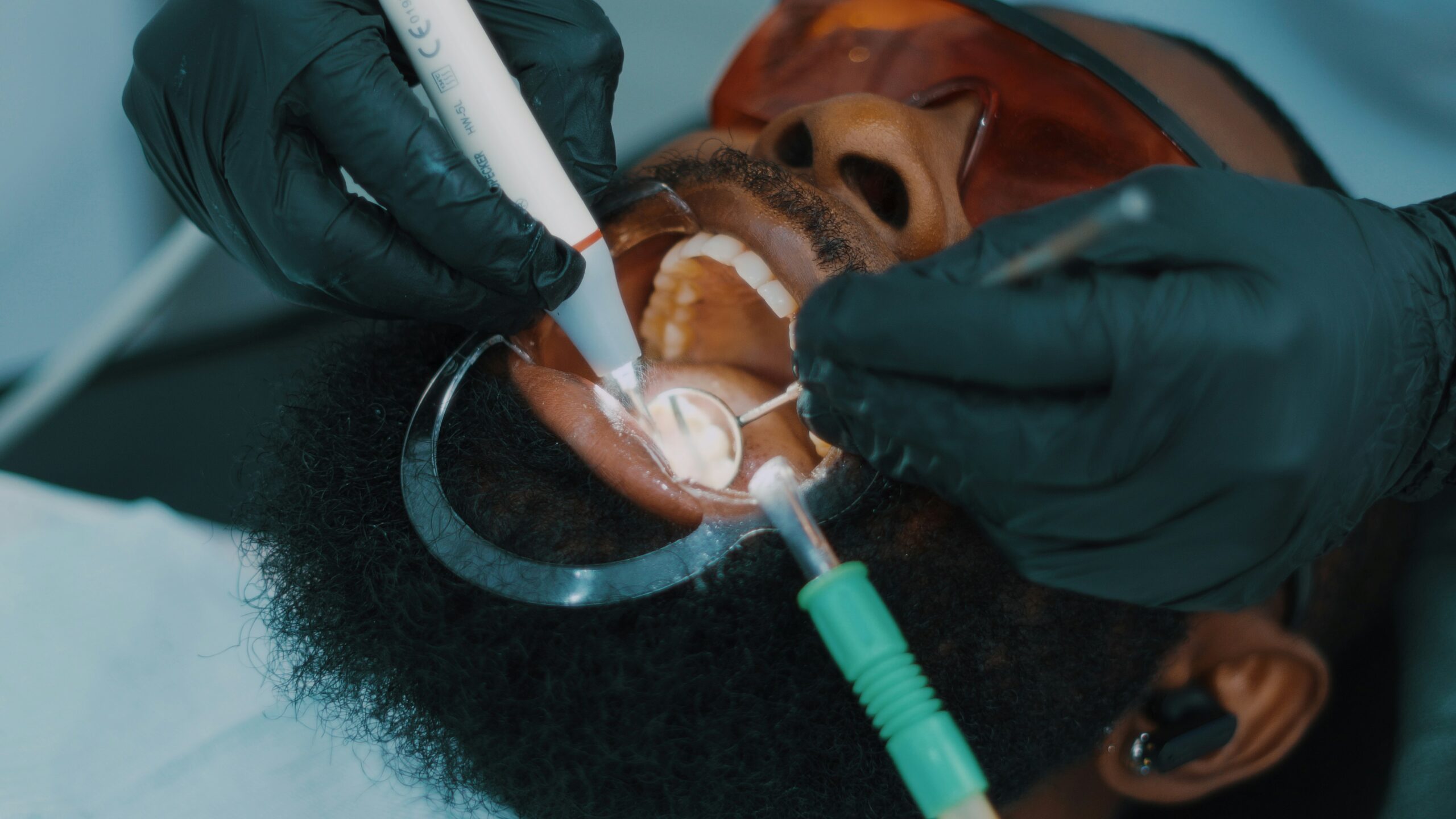
Proper oral health maintenance directly influences the primary muscles of mastication including the masseter, temporalis and pterygoid muscles. When missing teeth, occlusal disharmony or active periodontal disease are not treated, the neuromuscular system automatically adapts to compensate. Forceful and uncoordinated chewing mechanics stress these supportive muscle groups resulting in localized myofascial pain, chronic fatigue of the jaw and secondary postural compensations throughout the cervical spine.
The human masticatory system acts as a complex musculoskeletal lever network. Teeth provide the precise structural stops, known as occlusal contacts, that regulate the contraction of muscle fibers during chewing and swallowing. When dental problems alter these points of contact, the sensory receptors in the periodontal ligament send altered feedback signals to the brain stem.
In response to unbalanced occlusion protective hypertonicity of the masseter and temporalis muscles occurs. This prolonged contraction of the muscle can result in the development of local trigger points which are hyper-irritable spots in taut bands of muscle tissue. Pain related to these trigger points often spreads beyond the jaw and can cause temporal tension headaches, ear fullness or referred pain along the upper trapezius and sternocleidomastoid muscles.
Stability of the Temporomandibular Joint and Preventative Care
Preventive dental care is very important in preventing overload of the jaw joint. Regular professional cleanings, early cavity fillings, and periodontal maintenance preserve natural tooth structure, maintaining stable vertical dimension and joint alignment. Preservation of these anatomic structures minimizes abnormal stresses to the capsular ligaments of the temporomandibular joint and the articular disk.
When a tooth is lost structurally, adjacent teeth gradually drift and alter bite dynamics, which causes the jaw to shift during closure. This change stresses the lateral pterygoid muscle that is responsible for the forward movement of the articular disc. Timely restorative intervention such as crowns, bridges or partial dentures help restore balanced bite forces across both sides of the arch and prevent asymmetrical muscle recruitment.
Physical Rehabilitation and Dental Maintenance Integration
Long term comfort for patients experiencing jaw tightness or occlusal imbalance is often helped by a team approach. A combination of professional dental care and targeted myofascial therapies helps rebalance tight masticatory muscles while protecting hard tissue structures.
Helpful self-care and supportive therapy protocols include:
Trigger Point Self-Myofascial Release: Apply gentle, sustained pressure to hypertonic areas of the masseter to help release localized tissue tightness.
Controlled Range-of-Motion Exercises: Gentle, straight-line jaw opening exercises retrain the lateral pterygoid and prevent irregular joint tracking.
Postural Awareness Practices: Keeping a neutral head position while performing daily tasks helps to minimize forward-head posture, which reduces chronic strain on the suprahyoid and infrahyoid muscle groups.
Moist Heat Application: warm compresses applied to the lateral jaw improve local microcirculation and muscle relaxation before stretching.
You can be confident that any underlying structural problems will be properly diagnosed and treated when working with a friendly and professional dental team. Patients can keep up with regular diagnostic appointments by leveraging existing healthcare benefits, protecting their bite function, joint alignment, and general neuromuscular health.
Written by Milos Radakovic