
Every athlete is looking for that extra edge — something to help them bounce back faster, feel less wrecked, and keep showing up. Training, nutrition, and sleep are still the foundation, no question. But recovery strategies are getting way more attention now, especially with athletes pushing their limits more than ever.
From pros to regular gym-goers, cold water immersion has become a go-to recovery tool. Plenty of athletes use cold plunges after hard sessions, games, or heavy training weeks to help with soreness and get back on track faster.
Cold therapy isn’t going to replace proper rehab or medical care. But if you use it right, it’s a really solid addition to your recovery routine.
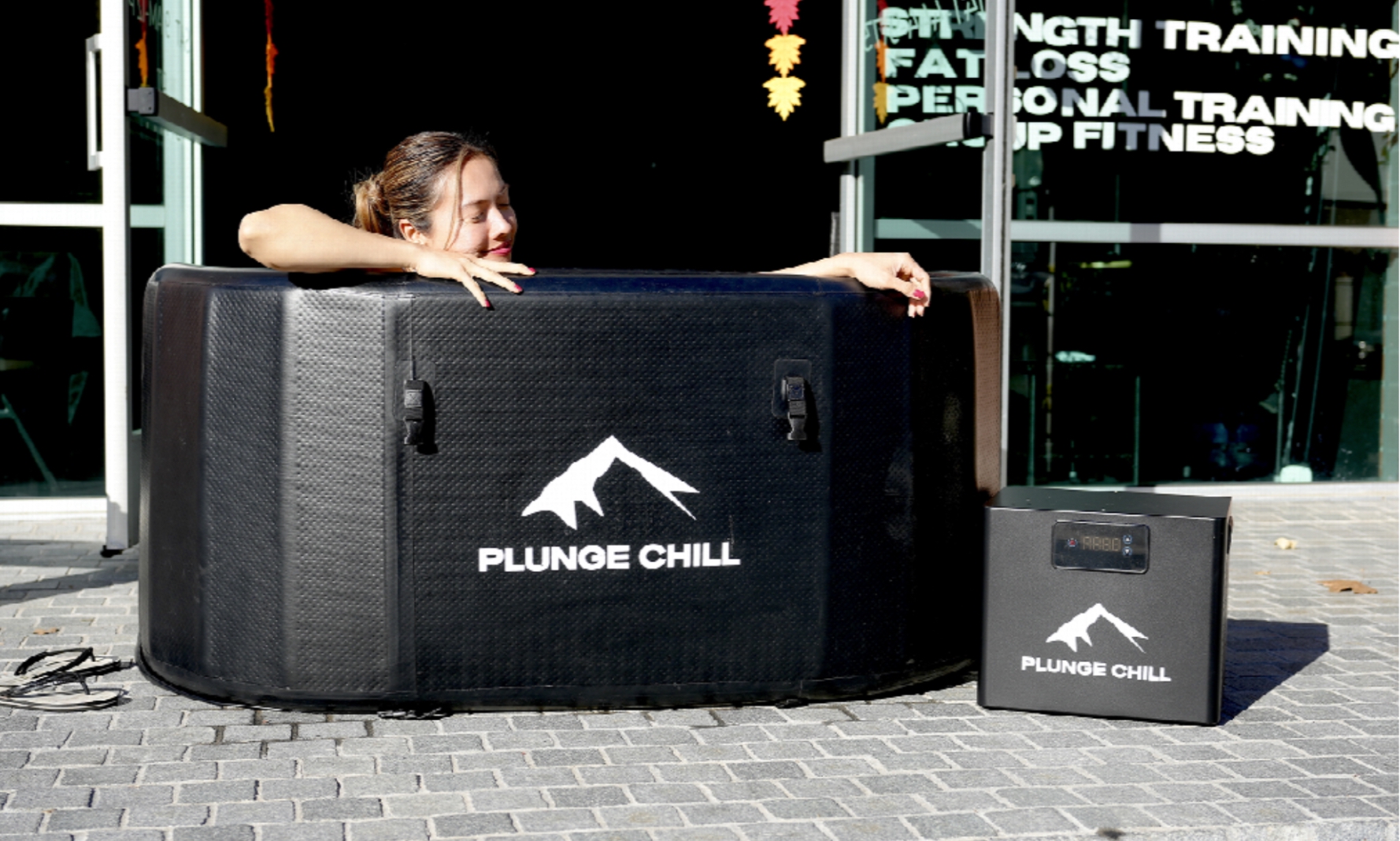
The use of this image is permitted by Plunge Chill to the author of the article
Why Are Athletes Turning to Cold Plunge Therapy?
Training hard beats you up — plain and simple. Lifting, cardio, sprints, it all puts stress on your muscles, joints, and nervous system.
After a tough session, you’re dealing with soreness, stiffness, and that wiped-out feeling. Comes with the territory. But if you can manage it well, you’ll stay more consistent and show up ready for whatever’s next.
Cold water immersion is about as simple as it gets — you hop in cold water for a few minutes. That triggers a response in your body that can affect circulation, how sore you feel, and how quickly you’re ready to train again.
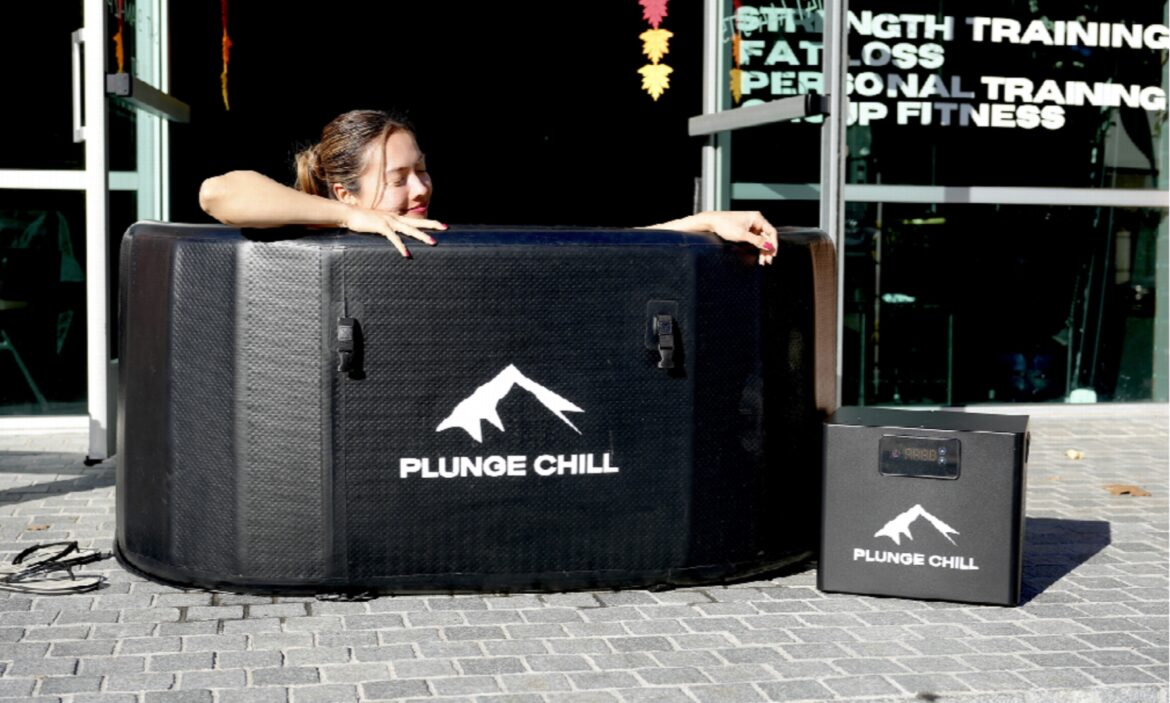
And with more people setting up cold plunges at home, athletes don’t have to deal with traditional ice baths anymore. A cold plunge with chiller keeps your water at a steady temp — no ice runs, no prep work before each session. That alone makes it way easier to stay consistent.
The Science Behind Cold Water Recovery
When you hop in cold water, your blood vessels tighten up, reducing blood flow close to the skin. Then when you warm back up, circulation picks back up.
That’s part of why athletes feel cold immersion helps with soreness and recovery after intense workouts. Studies do show some benefits, especially with how sore you feel, but the results aren’t universal. It really comes down to water temp, duration, what kind of training you’re doing, and how your body reacts.
Bottom line: cold therapy is helpful, but it’s just one piece of the recovery puzzle.
Key Benefits of Cold Plunge Therapy for Athletes
- Helps with Post-Workout Soreness
This is probably the main reason athletes use cold plunges. Heavy lifting, long runs, cycling, HIIT — they all leave you sore and stiff. Cold exposure may help take the edge off that soreness, so you feel more ready for the next session.
If you train frequently, feeling better between workouts can make a real difference in how consistent you can be.
- Supports Faster Recovery Between Sessions
A lot of athletes have demanding schedules — multiple games a week, back-to-back practices, or balancing training with work and life.
A regular cold plunge routine can help manage the physical stress that builds up from repeated exercise. Instead of waiting days to feel recovered, some athletes use cold immersion to support their return to training sooner.
- Builds Mental Resilience
Cold water isn’t just a physical challenge. It takes focus and controlled breathing to stay calm when the cold hits.
A lot of athletes use cold plunges as a way to practice staying composed under uncomfortable conditions. Over time, that carries over into training and competition — when things get tough, you’ve already practiced handling it.
- Makes Recovery a Habit
One of the biggest advantages of modern cold plunge systems is convenience.
Traditional ice baths are a hassle — buying ice, waiting for temps to drop, dealing with melting water. That makes it hard to stay consistent.
A dedicated cold plunge setup gives you access to controlled cold therapy whenever you need it. That consistency is what turns recovery from an occasional thing into a daily routine.
What Temperature Should Athletes Use?
It depends on your experience, goals, and tolerance.
If you’re new, aim for 50°F to 59°F (10°C–15°C). That’s cold enough to get the benefits without being completely miserable.
More experienced users might go colder — sometimes down to 40°F or below. But colder isn’t always better. The goal is controlled exposure, not just chasing the lowest number.
When Should Athletes Use a Cold Plunge?
Timing matters.
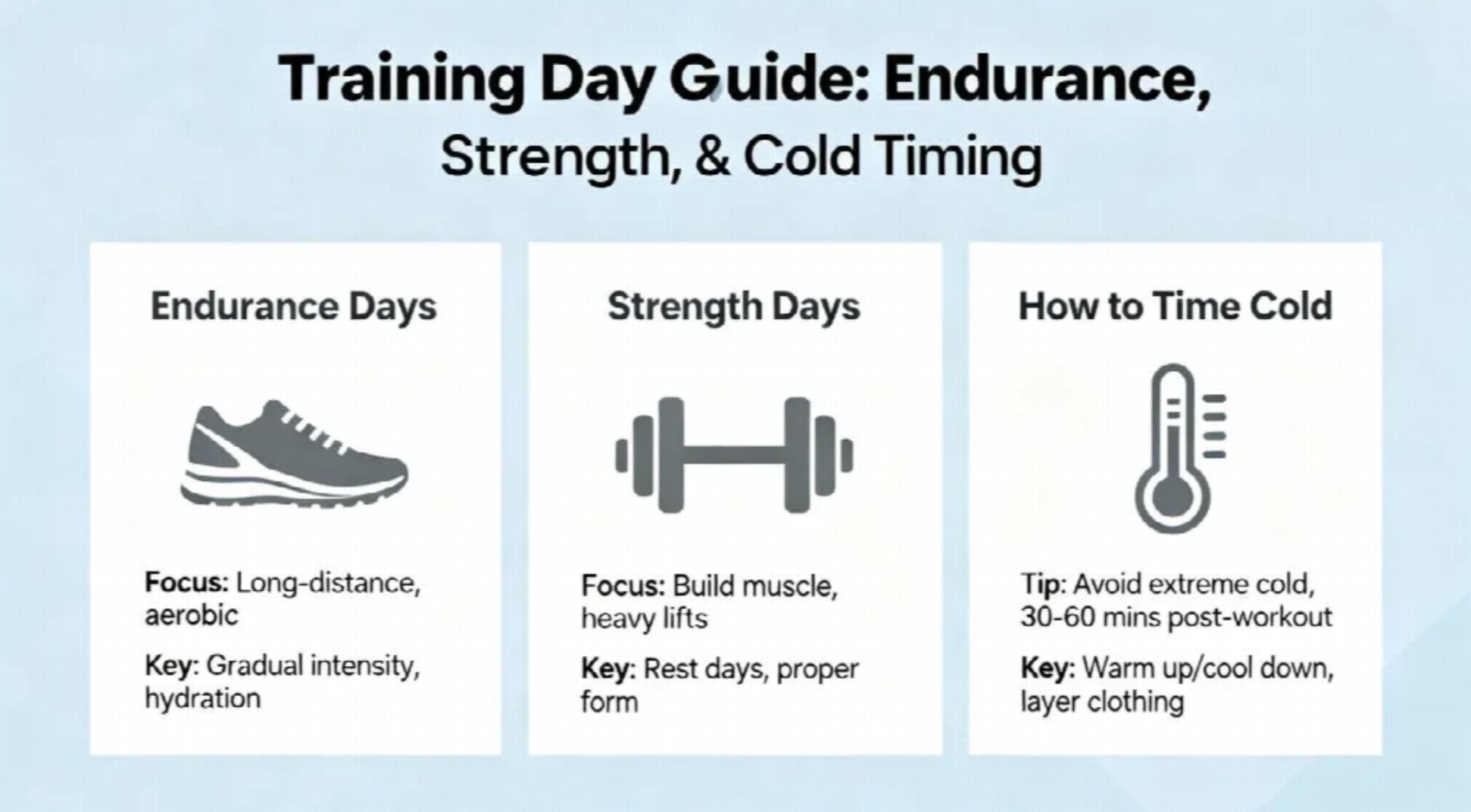
A lot of athletes use cold plunges after endurance workouts, competitions, or heavy sessions to help with soreness and recovery.
But if muscle growth is your priority, you might want to be more strategic. Some research suggests that cold immersion right after resistance training could interfere with certain muscle adaptation signals. So strength athletes might separate cold therapy from their lifting sessions or use it only when it fits their goals.
Building a Complete Recovery Routine
Cold plunging works best when it’s part of a bigger picture.
A solid recovery plan should include:
- Quality sleep
- Staying hydrated
- Balanced nutrition
- Mobility work
- Strength and conditioning
- Professional guidance when needed
Cold therapy can support all of that — but it’s not a replacement for the fundamentals.
Making Cold Recovery More Accessible at Home
Convenience is what makes a habit stick.
Having a reliable cold plunge system at home removes the barriers of traditional ice baths. No more ice runs. No more waiting. Just a consistent recovery environment you can use whenever you need it.
As recovery tech keeps evolving, cold plunge systems are becoming more common — not just for pros, but for anyone who wants to feel better and recover smarter.
Final Thoughts
There’s a reason cold plunge therapy has taken off — it’s a simple, effective way to work cold exposure into your recovery routine.
Look, it’s not some miracle cure. It won’t replace good training, proper nutrition, or medical care. But it can help with soreness, keep you consistent, and build mental toughness over time.
For athletes who want something practical and repeatable, today’s cold plunge tech makes it easier than ever to make cold exposure a regular part of your routine.
Written by Jason Lee