

If you work out hard, you probably wonder if sitting in an infrared sauna afterward actually helps you recover. New studies are making things a bit clearer. Research shows that using an infrared sauna after exercise can reduce muscle soreness and improve how well your nervous system and muscles work together, but it won’t make your muscles grow bigger or stronger.
A 2025 study followed 40 athletes for six weeks. The group that used infrared sauna after workouts saw better results in jump height and power output compared to the group that didn’t. Both groups built the same amount of muscle. So, heat therapy does seem to affect recovery, but it doesn’t really replace the grind you put in during training.
Turns out, when you use the sauna matters. The science points to getting in there after your workout, not before, if you want the best shot at recovery perks. Let’s dig into what researchers are actually finding about heat therapy, what it’s doing in your body, and how you might fit it into your own routine.
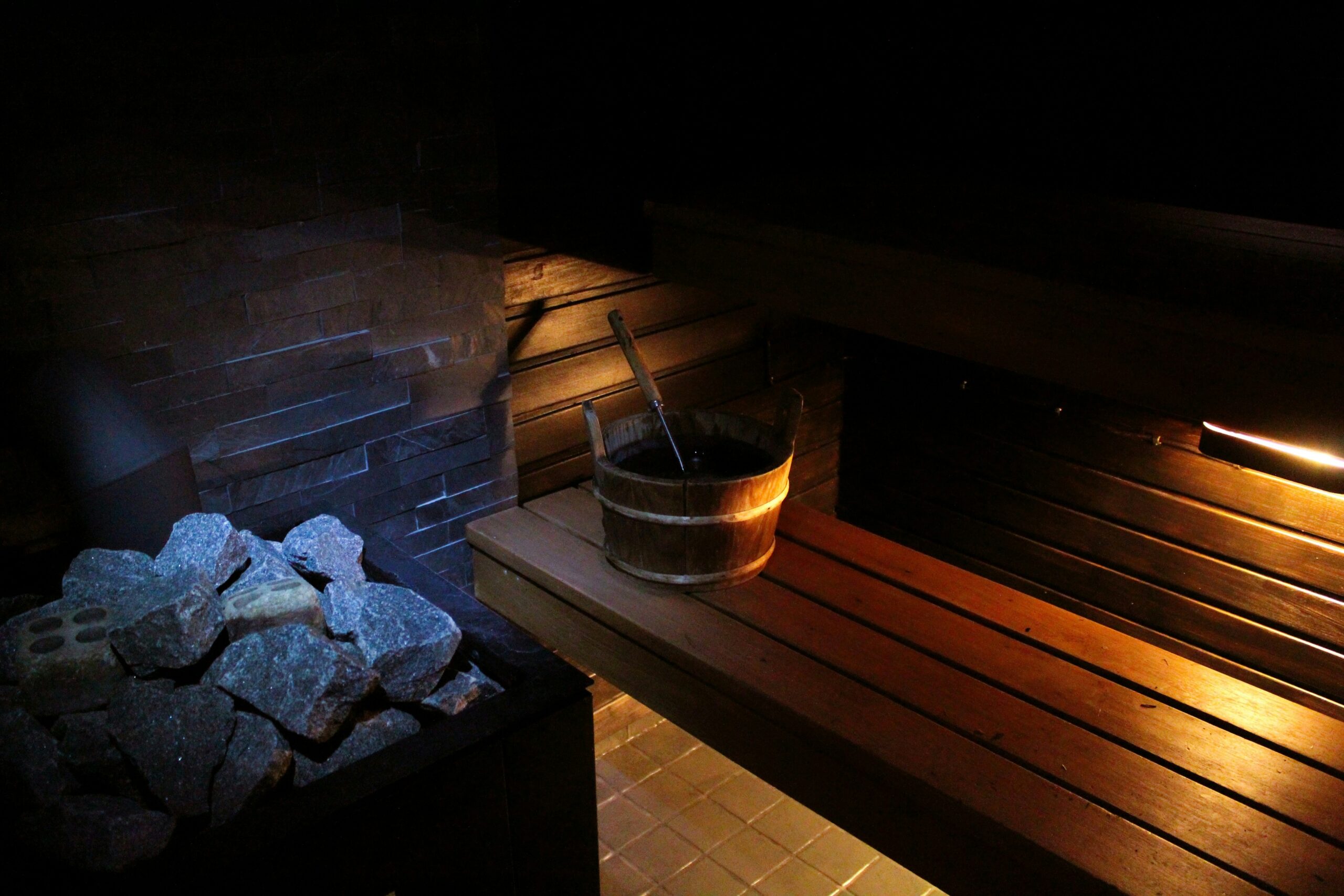
How Infrared Heat May Influence Post-Exercise Recovery
Infrared heat might influence your body in a few ways after you exercise. It can affect blood flow, help with soreness, and possibly support your nervous system, though honestly, not all of this is nailed down by super strong research.
Thermal Effects on Circulation and Tissue Temperature
Infrared saunas heat you up directly instead of just warming the air. This makes your blood vessels open wider—vasodilation. More blood heads to your muscles.
This boost in blood flow might help deliver oxygen and nutrients to your tired muscle tissue. It could also help clear out waste products from exercise.
Your skin and muscle tissue heat up faster in an infrared sauna than in a traditional one, even though the air feels cooler. Some researchers think this means infrared heat might reach muscle tissue more efficiently. But honestly, most of the evidence comes from small studies, so it’s promising, just not a slam dunk yet.
Potential Effects on Muscle Soreness and Perceived Fatigue
You might notice less muscle soreness after using an infrared sauna post-workout. That 2025 study with 40 athletes found that post-exercise sauna use reduced soreness and helped neuromuscular recovery, but didn’t actually boost muscle growth.
Another study on female team sport athletes found much the same thing after six weeks of regular post-training sauna use. Their perceived fatigue dropped, and a couple measures of muscle performance ticked up.
Honestly, these effects seem to be more about how you feel than any supercharged physical repair. Your muscles probably aren’t healing faster, but you might just feel less wiped out. That can make a difference if you want to keep showing up for training—less soreness makes it easier to stick with your routine.

What Clinical Studies Show and Where Evidence Remains Limited
Research on infrared saunas and recovery is kind of all over the place. Some studies show benefits for soreness and neuromuscular function, but others find little or no effect on things like strength or power output.
Here’s a quick snapshot of what the research says:
- Soreness reduction: Several studies report lower perceived soreness after sauna use.
- Neuromuscular recovery: Some evidence suggests a quicker return of muscle function.
- Muscle growth: No real evidence for increased muscle growth from infrared sauna use.
- Sample sizes: Most studies are pretty small, usually under 50 people.
Since the studies are small and methods are all over the place, don’t count on guaranteed results. The evidence leans positive for comfort and perceived recovery, but it’s still not strong enough to say infrared sauna use is a proven recovery tool for physical performance.
Practical Use, Safety, and Recovery Planning
Getting the most out of infrared sauna use really depends on timing, temperature, and knowing your own limits. Sauna sessions should fit into your broader recovery routine, not become your only strategy.
Session Timing, Temperature, and Duration
You’ll get the best results from post-workout sauna sessions, not pre-workout. Using heat before training can actually lower your strength and push your core temperature up at the wrong moment.
Most research points to 15 to 30 minute sessions at 120°F to 140°F (49°C to 60°C). Infrared saunas run cooler than traditional ones but still heat your muscle tissue well.
If you’re just starting out, try this:
- Beginners: 10-15 minutes, 3 times per week
- Experienced users: 20-30 minutes, 3-5 times per week
- Timing: Within 30-60 minutes after your workout
No need to go every day. Your body needs time to adjust.
 Hydration and Contraindications
You sweat out a lot during a sauna session, so make sure you’re drinking water before and after. Aim for at least 16-20 ounces after your session to make up for what you lost.
Some people should check with a doctor before using infrared saunas. This is especially true if you’re:
- Pregnant
- Dealing with cardiovascular disease
- On blood pressure meds
- Recovering from a recent injury with swelling
If you feel dizzy, nauseous, or just unusually tired, it’s best to skip the sauna. Everyone handles heat differently, so listen to your body instead of sticking to a rigid plan.
Integrating Sauna Use With Sleep, Nutrition, and Training Load
Recovery isn’t about a single magic trick. Sauna sessions really shine when you combine them with solid sleep, enough protein, and a training plan that doesn’t run you into the ground.
Evening heat exposure might actually help you sleep better—once you step out and start to cool off, your body can hit that natural temperature dip it needs for good rest. And yeah, you’ll want to hit somewhere between 1.6 and 2.2 grams of protein per kilogram of body weight each day to keep muscle repair on track.
If you’re pushing yourself in the gym several times a week, try to line up your sauna time with your toughest training days or right after those brutal sessions. Just don’t go piling on other intense heat or cold therapies on the same day—it’s tempting, but honestly, your body probably won’t thank you for it.
Written by James Oliver (jamesoliveroffical@gmail.com)